

Do Fish Get Cold in Ice Water? Exploring Aquatic Thermoregulation
Do fish get cold in ice water? Yes, fish in ice water can get cold, experiencing a decrease in body temperature that affects their metabolism; however, the effects vary dramatically depending on the species, its physiological adaptations, and the specific water temperature.
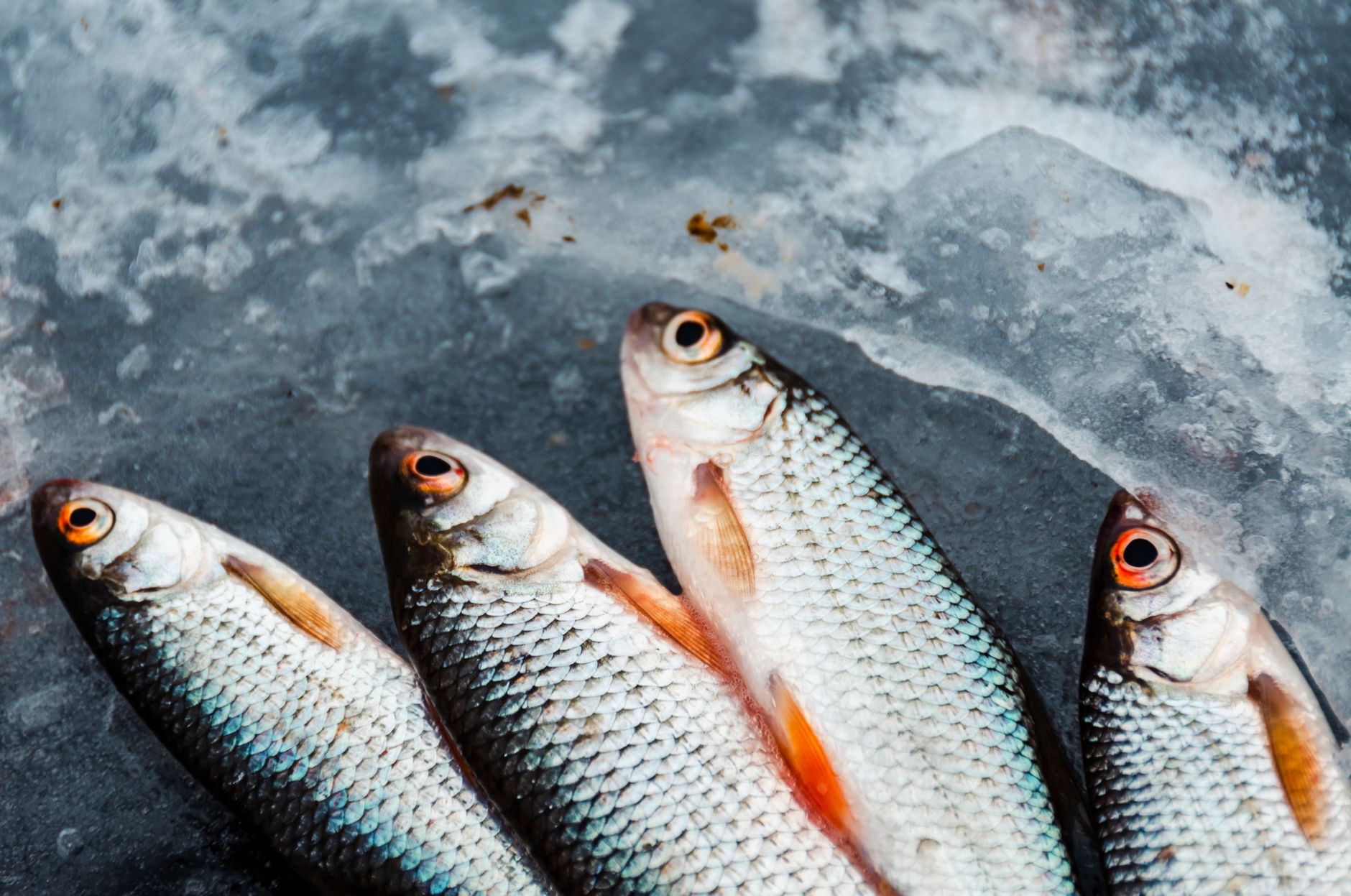
Understanding Fish and Cold Water
The question “Do fish get cold in ice water?” is deceptively simple. To understand the answer, we need to delve into the fascinating world of fish physiology and their interaction with the surrounding aquatic environment. Fish, unlike mammals and birds, are predominantly ectothermic, meaning they rely on external sources to regulate their body temperature. This contrasts with endothermic animals, which generate heat internally. Consequently, the water temperature directly influences a fish’s body temperature and metabolic rate.

What fish is Flo?
How intelligent are fish?
Are fish heads good for the garden?
What is cotton rot in fish?
Ectothermy and Fish Physiology

Ectothermy dictates much of a fish’s life. Their metabolic rate, activity level, and even digestion speed are all tied to the temperature of their environment. In warmer waters, a fish’s metabolism speeds up, leading to increased activity and feeding. Conversely, in colder waters, the metabolism slows down, resulting in decreased activity and feeding. This isn’t simply a matter of feeling “cold” in the human sense; it’s a fundamental shift in how their bodies function.
The Freezing Point and Fish Survival
Water freezes at 0 degrees Celsius (32 degrees Fahrenheit). While some fish species inhabit waters that routinely approach or reach these temperatures, their survival isn’t accidental. They possess a variety of adaptations that allow them to thrive, or at least survive, in such extreme conditions. These adaptations include:
- Antifreeze Proteins: These specialized proteins bind to ice crystals, preventing them from growing and damaging tissues. Antifreeze proteins are crucial for survival in sub-zero waters.
- Supercooling: Some fish can supercool their body fluids, lowering the freezing point of their blood and tissues.
- Behavioral Adaptations: Fish may seek out slightly warmer areas within their environment, such as deeper waters or areas with geothermal activity, to escape the harshest cold.
- Metabolic Slowdown: As mentioned before, a significant reduction in metabolic activity can help conserve energy and extend survival during periods of extreme cold.
Not All Fish Are Created Equal
The question “Do fish get cold in ice water?” elicits different answers depending on the fish species. Tropical fish, for instance, are highly sensitive to cold temperatures and may experience cold shock or death if exposed to near-freezing water. Conversely, Arctic and Antarctic fish are uniquely adapted to thrive in icy conditions. These adaptations highlight the evolutionary diversity within the fish family and their remarkable ability to adapt to a wide range of environmental conditions.
The table below illustrates the varying cold tolerance of different fish types:
| Fish Type | Cold Tolerance Level | Adaptations | Typical Habitat |
|---|---|---|---|
| Tropical Fish | Very Low | Few cold-water adaptations | Warm tropical waters |
| Temperate Fish | Moderate | Some physiological adaptations | Temperate rivers and oceans |
| Arctic/Antarctic Fish | Very High | Antifreeze proteins, supercooling, etc. | Icy Arctic and Antarctic waters |
Practical Implications
Understanding how fish respond to cold water has several practical implications:
- Aquaculture: Maintaining appropriate water temperatures is critical for successful fish farming.
- Conservation: Knowing the thermal tolerances of different species is crucial for protecting them from the impacts of climate change.
- Recreational Fishing: Understanding how temperature affects fish behavior can improve angling success.
Frequently Asked Questions (FAQs)
Do fish actually feel pain when they are cold?
While fish do not experience pain in the same way as humans, they possess nociceptors – nerve endings that detect potentially harmful stimuli, including extreme temperatures. Therefore, while they may not feel emotionally painful cold like humans, exposure to extremely cold water can cause physiological stress and discomfort.
Can fish freeze solid and still survive?
Yes, some species of fish, especially certain amphibians, can survive partial freezing. This involves carefully controlled ice formation within their bodies, concentrating solutes and protecting vital organs. However, this is a highly specialized adaptation and not common among most fish species.
What is “cold shock” in fish?
“Cold shock” occurs when fish are suddenly exposed to drastically colder water. This can lead to a rapid shutdown of physiological functions, resulting in disorientation, loss of equilibrium, and even death. It’s a significant concern in aquaculture and natural environments when rapid temperature changes occur.
How does ice formation in water affect fish?
Ice formation changes the properties of water significantly. When water freezes, it forces dissolved gases, like oxygen, out of solution. This can lead to lower oxygen levels in the remaining liquid water, stressing the fish. Additionally, ice can physically restrict movement and access to food.
Do all fish sink to the bottom in winter?
No, not all fish sink to the bottom. Some species, like trout, remain active throughout the winter, albeit at a slower pace. Others, like carp, may become less active and congregate in deeper areas, but they don’t necessarily sink to the bottom. The specific behavior depends on the species and the characteristics of the habitat.
How do fish breathe under ice?
Fish rely on dissolved oxygen in the water, even under ice. A layer of ice can prevent oxygen from replenishing from the atmosphere, but if the waterbody is healthy and has sufficient aquatic plants, oxygen can be produced through photosynthesis. However, in heavily polluted waters, oxygen depletion under ice can lead to fish kills.
Is it true that some fish migrate to warmer waters in winter?
Yes, many fish species migrate to warmer waters during the winter months. This is especially common in temperate regions where water temperatures fluctuate significantly. The migration allows them to avoid the physiological stress of cold water and find more abundant food sources.
What role does fat storage play in cold water survival for fish?
Fat reserves are crucial for fish survival in cold water. As metabolism slows down, fish rely on stored fat to provide energy. Adequate fat reserves are essential for surviving long periods of reduced feeding activity during the winter.
Do fish in deep oceans ever experience “cold shock”?
While the temperature in deep oceans is consistently cold, it doesn’t fluctuate rapidly in the same way as surface waters. Therefore, “cold shock” is less of a concern for fish adapted to these environments. However, any rapid change in temperature, even in the deep ocean, could potentially stress the fish.
Can climate change affect fish’s ability to survive in cold water?
Absolutely. Climate change is altering water temperatures globally, causing both warming trends and more extreme weather events. This can disrupt the delicate balance of aquatic ecosystems and impact fish populations. Warmer waters might favor certain species while harming others, and increased frequency of extreme weather can lead to sudden temperature changes and cold shock events.
What is the best water temperature for most aquarium fish?
The optimal water temperature varies greatly depending on the species. Tropical fish typically prefer temperatures between 72°F and 82°F (22°C and 28°C), while goldfish prefer cooler temperatures between 68°F and 74°F (20°C and 23°C). It’s crucial to research the specific needs of the fish you are keeping.
What happens to fish eggs in cold water?
The development of fish eggs is also highly temperature-dependent. Colder temperatures can slow down the development process, and in some cases, prevent the eggs from hatching altogether. Some species have eggs adapted to cold conditions, but for others, cold water can be lethal.