
Do Moth Balls Really Deter Termites? Exploring the Truth
Do moth balls deter termites? The short answer is a resounding no. While the strong odor of moth balls might seem like a deterrent, scientific evidence and expert opinion confirm that they are ineffective at preventing or eliminating termite infestations.

Understanding Termites and Their Threat
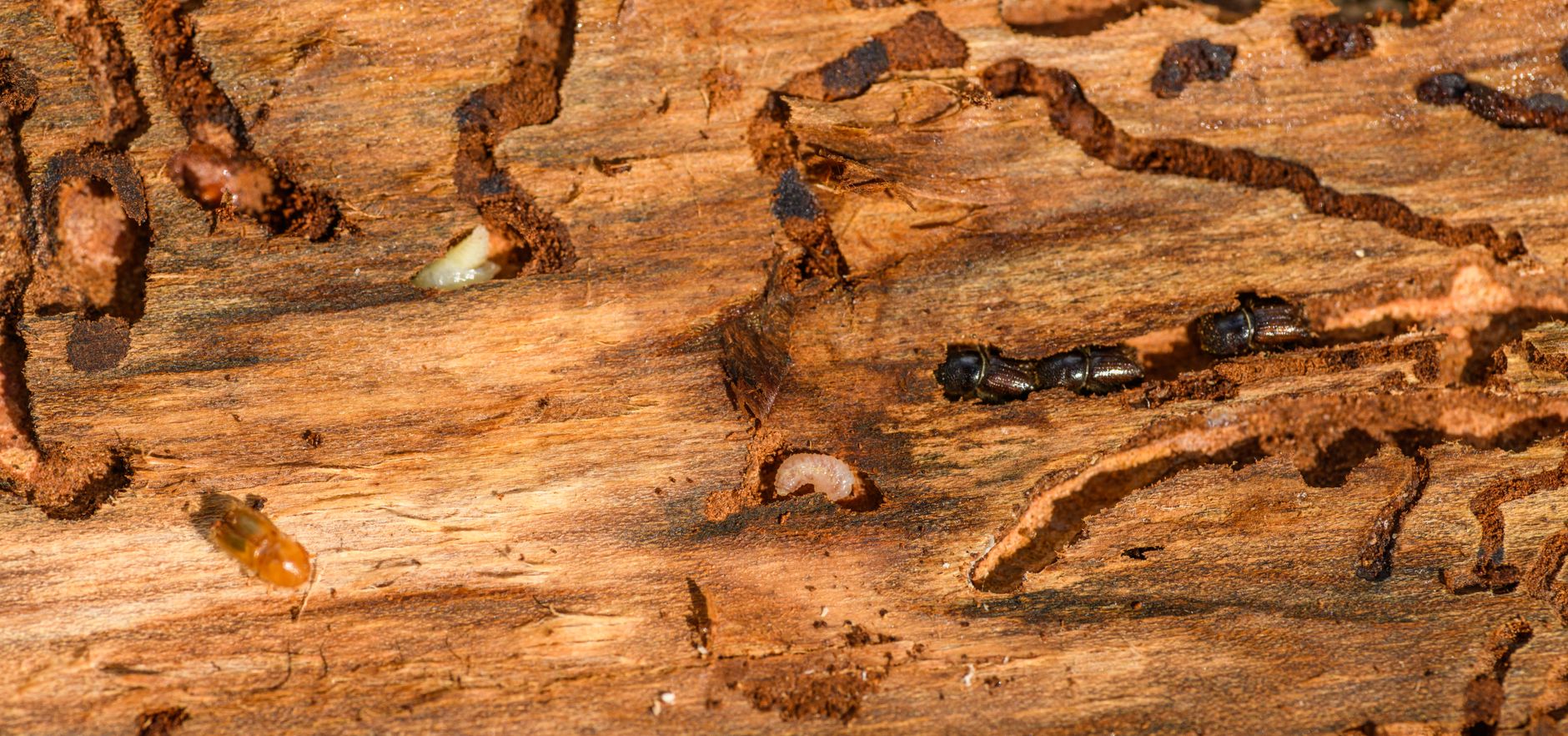
Termites are social insects that feed on cellulose, the main structural component of wood. They are a significant threat to homes and buildings, causing billions of dollars in damage annually. Understanding termite behavior and biology is crucial for effective prevention and control.
- Termites live in colonies, often hidden underground.
- They can enter buildings through cracks, crevices, or directly from the soil.
- Subterranean termites are the most common and destructive type.
- Termites thrive in moist environments.
What colours are fish most attracted to?
Can you put your finger in a trout's mouth?
Is methylene blue anti bacterial?
Does aquarium salt raise pH in aquarium?
The Myth of Moth Balls as Termite Deterrents

The idea that moth balls deter termites likely stems from their pungent odor. Moth balls contain chemicals like naphthalene or paradichlorobenzene, which are intended to kill moths and their larvae in enclosed spaces. However, these chemicals are not effective against termites for several reasons:
- Insufficient Concentration: The concentration of chemicals released by moth balls is not high enough to kill or repel termites in the larger environment of a home or building.
- Termite Behavior: Termites can simply avoid areas with a strong moth ball odor, finding alternative pathways to their food source. They are masters of navigating around obstacles.
- Lack of Penetration: The chemicals in moth balls do not penetrate deeply into wood, where termites often reside.
- Environmental Concerns: Using moth balls in a way not intended by the manufacturer (such as scattering them around a foundation) is often illegal and environmentally irresponsible.
Why Moth Balls Are Ineffective
Do moth balls deter termites? The answer remains no, and several factors contribute to this ineffectiveness.
- Termites are often located deep within wood structures, shielded from the chemicals released by moth balls.
- Moth balls are designed to work in sealed containers, not open environments.
- Termites can adapt and build tunnels around the moth ball scent.
- Moth balls degrade over time, reducing their already limited effectiveness.
Safer and More Effective Termite Control Methods
Instead of relying on moth balls, homeowners should consider these proven methods for termite prevention and control:
- Professional Termite Inspection: Schedule regular inspections by a qualified pest control professional.
- Soil Treatment: Applying termiticides to the soil around the foundation of a building creates a barrier that termites cannot penetrate.
- Bait Systems: Termite bait systems attract termites and deliver a slow-acting poison that they carry back to the colony, eventually eliminating the entire population.
- Wood Treatment: Treat wood with borate solutions to make it resistant to termite attack.
- Eliminate Moisture: Repair leaks, improve drainage, and ventilate crawl spaces to reduce moisture levels that attract termites.
- Remove Wood Debris: Clear away wood piles, mulch, and other organic debris from around the foundation of the building.
Health and Environmental Risks of Misusing Moth Balls
Misusing moth balls can pose significant health and environmental risks:
- Inhalation: Breathing in the fumes from moth balls can cause headaches, nausea, dizziness, and respiratory irritation.
- Ingestion: Swallowing moth balls can be fatal, especially for children and pets.
- Skin Contact: Direct contact with moth balls can cause skin irritation and rashes.
- Environmental Contamination: The chemicals in moth balls can contaminate soil and water, harming wildlife and the ecosystem.
- Legal Issues: Using moth balls in a manner inconsistent with their labeling can lead to legal penalties.
| Risk | Description |
|---|---|
| Inhalation | Headaches, nausea, dizziness, respiratory irritation. |
| Ingestion | Potentially fatal, especially for children and pets. |
| Skin Contact | Irritation, rashes. |
| Environmental | Soil and water contamination; harm to wildlife. |
| Legal Penalties | Using moth balls in a way not consistent with their labeling can result in fines and other legal repercussions. |
Conclusion: Don’t Rely on Moth Balls for Termite Control
Do moth balls deter termites? Again, the definitive answer is no. They are not a reliable or effective method for preventing or eliminating termite infestations. Homeowners should instead focus on proven strategies like professional termite inspections, soil treatment, and moisture control. Ignoring this advice and relying on moth balls can lead to extensive property damage and expose you and your family to unnecessary health risks. Contact a qualified pest control professional to develop a comprehensive termite management plan for your home.
Frequently Asked Questions (FAQs)
Do moth balls deter termites is often followed by other questions. Here are some of the most common:
Can I use moth balls to get rid of other pests?
While moth balls are designed to kill moths, they are not effective against most other pests, including rodents, insects other than moths, or larger animals. Furthermore, misusing them against these pests is often illegal and can pose significant health risks.
Are there natural alternatives to moth balls for termite control?
While some natural remedies, such as orange oil or essential oils, may offer some degree of termite repellency, they are not a substitute for professional termite control. Their effectiveness is often limited and inconsistent.
How do I know if I have a termite infestation?
Signs of a termite infestation include:
- Mud tubes on walls or foundations.
- Discarded wings near windows or doors.
- Hollow-sounding wood.
- Blistering paint or wallpaper.
- The presence of swarmers (winged termites).
What type of termite treatment is best?
The best type of termite treatment depends on the specific type of termite, the extent of the infestation, and the construction of your home. A qualified pest control professional can assess your situation and recommend the most appropriate treatment plan.
How much does termite treatment cost?
The cost of termite treatment varies depending on the size of your home, the type of treatment, and the severity of the infestation. It’s best to get quotes from several reputable pest control companies.
How often should I have my home inspected for termites?
It’s recommended to have your home inspected for termites at least once a year, or more frequently if you live in an area with a high termite risk.
Can I treat a termite infestation myself?
While some DIY termite treatments are available, they are often not effective for eliminating established infestations. It’s best to leave termite control to the professionals.
What are the long-term effects of termite damage?
Termite damage can compromise the structural integrity of your home, leading to costly repairs and potentially even collapse.
Are all termite treatments safe for my family and pets?
Reputable pest control companies use termite treatments that are safe for families and pets when applied according to the manufacturer’s instructions. Ask your pest control professional about the safety precautions they take.
Do I need to treat my home for termites even if I don’t see any signs of infestation?
Preventative termite treatment is often recommended, especially in areas with high termite activity, to protect your home from future infestations.
What is the difference between subterranean and drywood termites?
Subterranean termites live in the soil and build mud tubes to reach wood. Drywood termites live entirely within wood and do not require contact with the soil. Different treatment methods are used for each type of termite.
How can I prevent termites from entering my home?
Preventative measures include:
- Maintaining proper drainage around your foundation.
- Removing wood debris from your yard.
- Sealing cracks and crevices in your foundation.
- Using treated wood for construction.
- Scheduling regular termite inspections.