
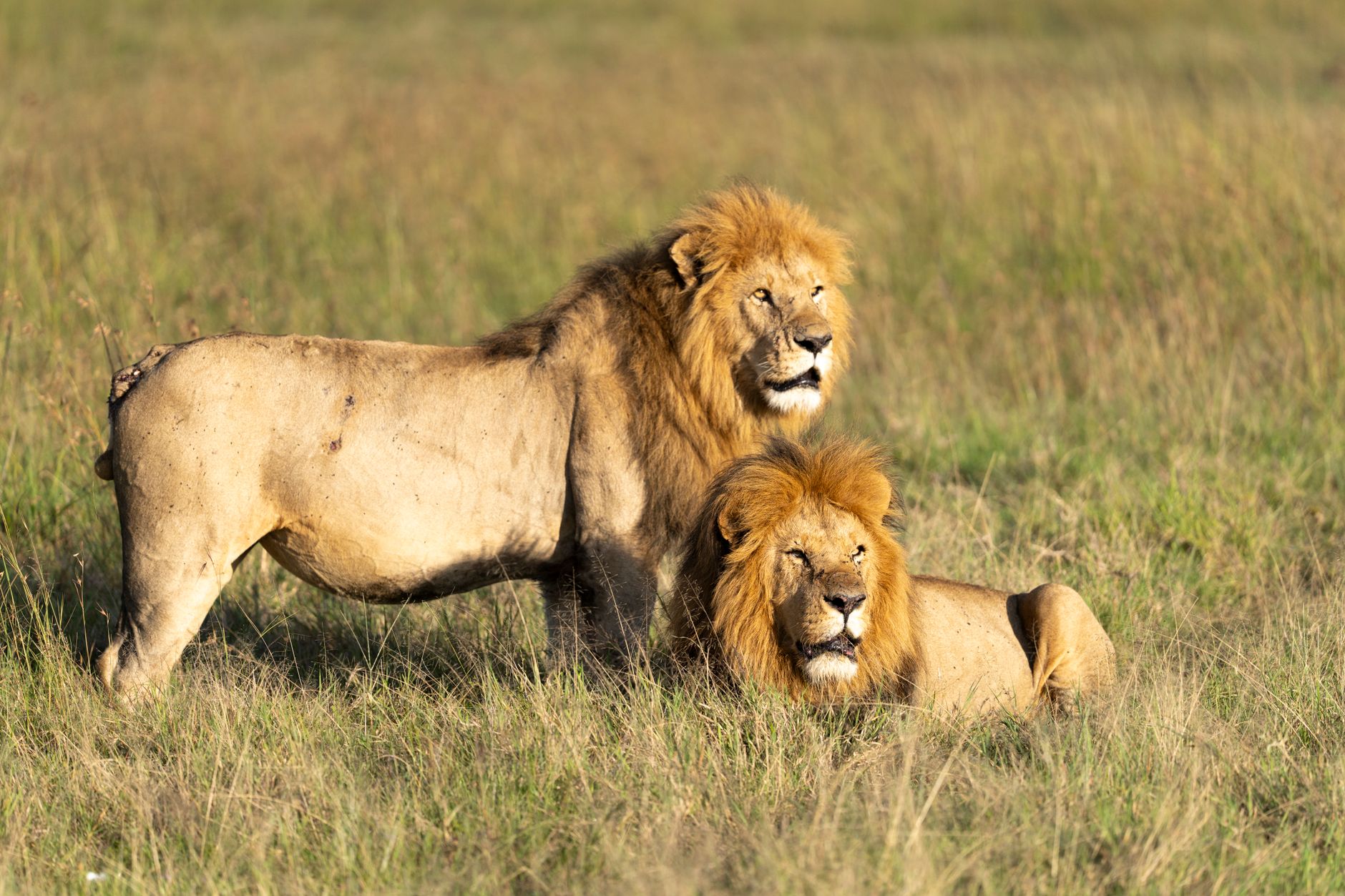
Do Male Lions Mate With Their Family? Exploring the Complex Dynamics of Lion Reproduction
The answer is complex, but generally, male lions avoid mating with their direct offspring and mothers within their own pride, though mating with more distant female relatives can occur, especially in situations where options are limited or pride dynamics are disrupted.

Introduction: The Social Structure of Lion Prides
Lions (Panthera leo) are unique among big cats for their complex social structure. Living in prides, which typically consist of related females, their cubs, and a coalition of males (often brothers or closely related males), they exhibit fascinating behaviors, particularly when it comes to reproduction. Understanding whether do male lions mate with their family? requires a deeper look into the intricacies of lion society and the pressures that govern their mating choices.

What colours are fish most attracted to?
Can you put your finger in a trout's mouth?
Is methylene blue anti bacterial?
Does aquarium salt raise pH in aquarium?
Pride Composition and Male Tenure

Lion prides aren’t static entities. The composition can change dramatically, particularly regarding the male leadership. Male lions rarely remain in control of a pride for their entire lives. Instead, they often face challenges from outside coalitions seeking to overthrow them. This constant threat of competition and the relatively short tenure of male leaders significantly impacts the mating dynamics within the pride.
- Coalition Size: The size of the male coalition significantly influences their ability to retain control of a pride. Larger coalitions are more successful in defending against rivals.
- Tenure Length: The average tenure of a male coalition is typically only a few years, meaning offspring born during their reign may never be sired by them once they are ousted.
- Immigration & Emigration: Young males typically leave their natal pride upon reaching maturity, preventing inbreeding within their birth pride.
Avoiding Incest: Instinct and Opportunity
While definitive research on lions’ ability to actively recognize close relatives is ongoing, there are factors that minimize inbreeding. The inherent risk of genetic problems associated with inbreeding likely drives a degree of instinctual avoidance.
- Dispersal of Young Males: As mentioned, young males leaving the pride significantly reduces the likelihood of father-daughter or brother-sister mating. This crucial behavior helps maintain genetic diversity.
- Female Choice (Limited Scope): While lionesses have some agency in choosing their mates, their choices are often restricted by the dominant males within the pride. However, they likely exhibit a preference for males from outside the immediate family group, if available.
- Male Avoidance (Less Definitive): It is believed that males can recognize their daughters or mothers through scent and avoid mating with them, although this remains under investigation.
Situational Variations
The seemingly straightforward answer of “lions avoid inbreeding” becomes more complex when considering specific circumstances. Scarcity of mating options, disrupted pride structures, and the inherent drive to reproduce can sometimes override these avoidance mechanisms.
- Small Population Sizes: In populations with limited gene pools, inbreeding is more likely to occur.
- Pride Takeovers: New male coalitions often kill existing cubs to bring the females into estrus more quickly, potentially leading to mating opportunities with close relatives within the existing pride before these lionesses disperse.
- Limited Options: If a female has few or no other potential mates available, inbreeding, particularly with more distant relatives, might occur.
The Impact of Inbreeding on Lion Populations
Inbreeding can have detrimental consequences for lion populations. Reduced genetic diversity can lead to increased susceptibility to diseases, lower fertility rates, and other health problems. Understanding the dynamics of mating behavior is crucial for conservation efforts.
| Consequence of Inbreeding | Description |
|---|---|
| Reduced Genetic Diversity | Limits the ability of lions to adapt to changing environments and resist diseases. |
| Lower Fertility | Inbred individuals may have reduced sperm counts or ovulation rates. |
| Increased Disease Risk | Lack of genetic variability can weaken the immune system, making lions more vulnerable. |
| Physical Abnormalities | Inbreeding can increase the likelihood of offspring inheriting harmful recessive genes. |
Conclusion: Navigating the Complex World of Lion Mating
The question “do male lions mate with their family?” doesn’t have a simple yes or no answer. While instinct and ecological pressures generally favor outbreeding, the realities of lion society mean that inbreeding can occur, particularly with more distant relatives. Further research is crucial to fully understand the cognitive mechanisms behind mate selection and the long-term consequences of inbreeding on lion populations.
Frequently Asked Questions
Do lions grieve the loss of their cubs?
Yes, lionesses exhibit signs of grief and distress when they lose their cubs. They may vocalize mournfully, search for the missing cubs, and display reduced activity and appetite. The strength of their bond with their offspring is evident in their behavioral response to loss.
How long do lionesses nurse their cubs?
Lionesses typically nurse their cubs for around six to seven months, although cubs may continue to nurse occasionally for longer periods, even after they start eating meat. The duration of nursing depends on the availability of food and the mother’s health.
What role do male lions play in raising cubs?
While male lions don’t actively nurse or directly care for cubs in the same way that females do, they play a vital role in protecting the pride and its territory from rival males, which in turn helps protect the cubs.
How do lions communicate with each other?
Lions communicate through a variety of vocalizations, body language, and scent marking. Roaring is a primary form of long-distance communication, while purring, growling, and hissing are used in closer proximity. Scent marking with urine also helps establish territory boundaries.
Do lions hunt alone or in groups?
Lions are both solitary and group hunters, depending on the size and type of prey. They typically hunt in groups when targeting large prey such as wildebeest or zebra. Cooperative hunting allows them to bring down larger animals and increase their success rate.
How often do lions kill for food?
The frequency with which lions kill for food varies depending on the availability of prey and the size of the pride. On average, a lion needs to consume about 5-7 kg of meat per day, so a pride might make a kill every few days to sustain itself.
How many hours a day do lions sleep?
Lions are known for their extended periods of rest, sleeping for an average of 16 to 20 hours per day. This allows them to conserve energy and be ready to hunt when the opportunity arises.
What is the lifespan of a lion in the wild?
The lifespan of a lion in the wild is typically between 10 and 14 years, although some individuals may live longer. Factors such as disease, injury, and competition with other lions can affect their longevity.
Are lions endangered or threatened?
Lion populations are declining in many parts of Africa, and they are currently listed as vulnerable by the International Union for Conservation of Nature (IUCN). Habitat loss, human-wildlife conflict, and poaching are major threats to their survival.
What is the purpose of a lion’s mane?
The male lion’s mane serves several purposes. It provides protection during fights, makes the lion appear larger and more intimidating, and can also serve as a signal of health and genetic quality to potential mates. Darker, thicker manes are often preferred by females.
How do new male coalitions affect the lionesses in a pride?
When a new male coalition takes over a pride, they often kill existing cubs. This behavior, known as infanticide, is thought to trigger the lionesses to enter estrus more quickly, allowing the new males to sire their own offspring. This creates a highly disruptive and dangerous time for the females.
What are the biggest threats to lion populations today?
The biggest threats to lion populations include habitat loss due to human encroachment, human-wildlife conflict (especially retaliatory killings of lions that prey on livestock), poaching for body parts and the bushmeat trade, and disease outbreaks. Conservation efforts are crucial to mitigating these threats.