

Do Koi Stay Small? Unveiling the Myths and Realities of Koi Growth
No, koi do not inherently stay small. Their size is significantly influenced by factors like pond size, water quality, diet, and genetics, allowing them to grow to substantial sizes in optimal conditions.
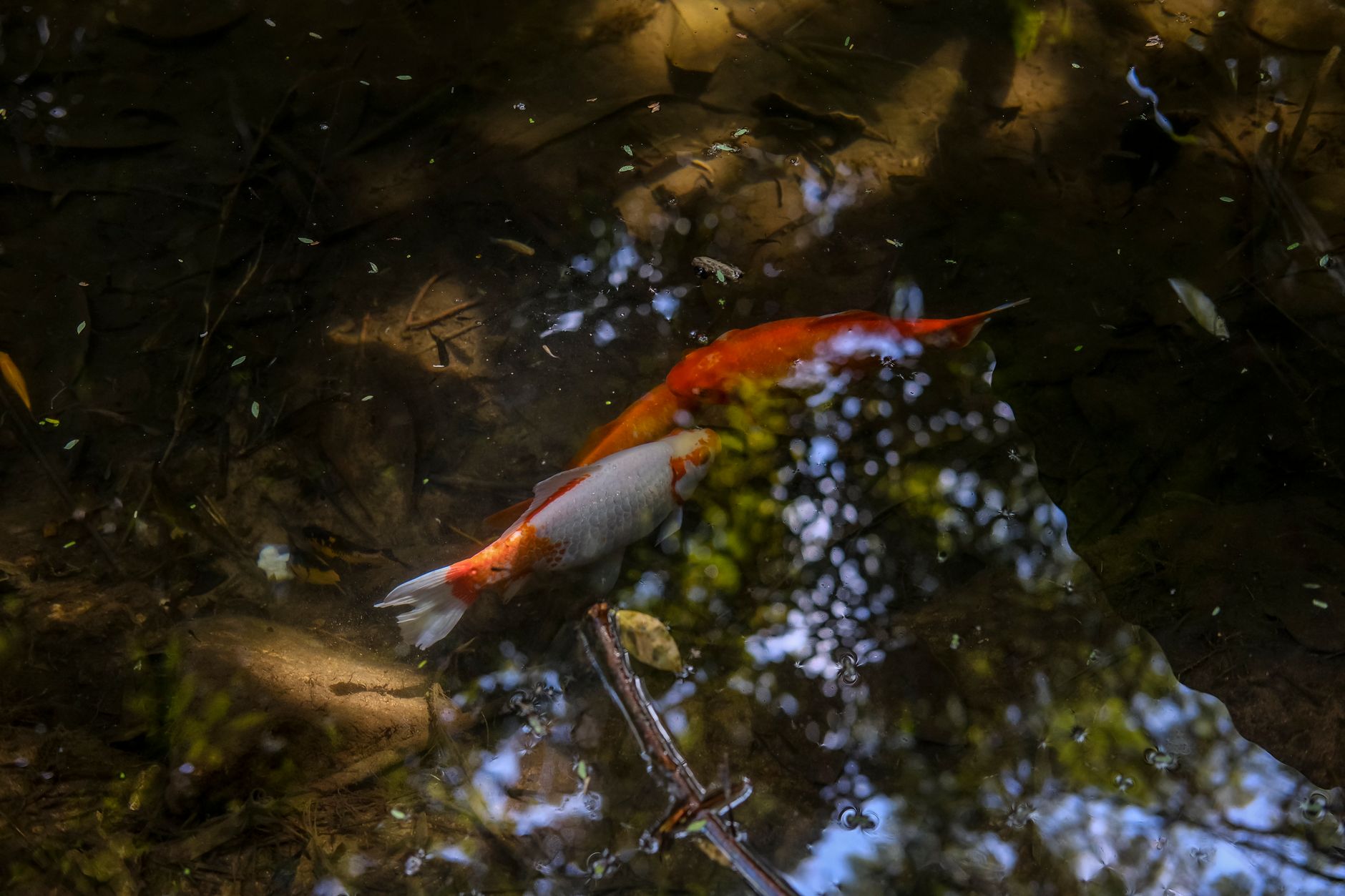
Introduction: Understanding Koi Growth
Koi, the vibrantly colored, domesticated varieties of the Amur carp (Cyprinus rubrofuscus), are prized additions to ponds and water gardens worldwide. One common misconception surrounding these captivating fish is the belief that do koi stay small? This perception often stems from observing koi in smaller environments, leading to the mistaken assumption that their size is predetermined. In reality, koi possess a remarkable capacity for growth, largely dictated by their surroundings. This article will delve into the fascinating aspects of koi development, exploring the factors that influence their size and debunking the myth of the miniature koi.

What colours are fish most attracted to?
Can you put your finger in a trout's mouth?
Is methylene blue anti bacterial?
Does aquarium salt raise pH in aquarium?
The Myth of the “Tea Cup Koi”

The notion that do koi stay small? often arises from the observation of koi in restrictive environments. Some vendors have even promoted the idea of “tea cup koi” that remain perpetually small. This is, sadly, a gross misrepresentation of the species’ needs and potential. While stunted growth can occur due to poor conditions, it is a sign of stress and unhealthy living, not a desirable trait. It is important to understand that while a koi’s growth can be limited by its environment, it’s far from ideal.
Key Factors Influencing Koi Size
Several factors contribute significantly to the size a koi will ultimately reach. Understanding these elements is crucial for any koi keeper aspiring to raise healthy and impressive fish.
- Pond Size and Volume: The most crucial factor is the volume of water available. Koi require ample swimming space and a sufficient water volume to prevent the buildup of waste products. Overcrowding leads to stress and stunted growth.
- Water Quality: Pristine water quality is paramount. High levels of ammonia, nitrites, and nitrates, common byproducts of fish waste, inhibit growth and can lead to disease. Regular water changes and a robust filtration system are essential.
- Diet: A balanced and nutritious diet is vital for optimal growth. Koi require a diet rich in protein, vitamins, and minerals. The quantity and quality of food directly impact their development.
- Genetics: Like any living organism, genetics play a role in a koi’s potential size. Some varieties are naturally larger than others. Choosing koi from reputable breeders ensures healthier genetics and predictable growth patterns.
- Stocking Density: Overstocking a pond limits resources and increases stress, hindering growth. Adhering to recommended stocking densities ensures that each koi has sufficient space and access to food.
Understanding Stunted Growth
While koi don’t inherently stay small, adverse conditions can lead to stunted growth. This is not a desirable outcome and signifies a problem in the koi’s environment or care.
- Symptoms of Stunted Growth: Obvious signs of stunted growth include a disproportionately large head compared to the body, a thin body shape, and overall smaller size than expected for their age. They may also exhibit lethargy and reduced appetite.
- Causes of Stunted Growth: The most common causes include poor water quality, inadequate diet, overcrowding, and disease.
- Reversing Stunted Growth: In some cases, improving water quality, providing a better diet, and reducing stocking density can help a koi recover and resume normal growth, although the effects might not be fully reversible, especially if the stunting is severe or prolonged.
Providing an Optimal Environment for Growth
To ensure your koi achieve their full potential, prioritize a healthy and supportive environment. This includes:
- Building a Sufficiently Large Pond: Aim for a minimum of 1,000 gallons for a small collection of koi, with larger ponds being preferable.
- Implementing a Robust Filtration System: Invest in a high-quality filtration system to remove waste and maintain optimal water quality. This should include mechanical filtration (to remove solid waste), biological filtration (to convert harmful ammonia and nitrites into less toxic nitrates), and potentially UV sterilization (to control algae and pathogens).
- Performing Regular Water Changes: Consistent water changes help dilute harmful substances and replenish essential minerals.
- Feeding a High-Quality Diet: Choose a koi-specific food that provides a balanced blend of nutrients. Feed multiple small meals throughout the day rather than one large meal.
- Monitoring Water Parameters: Regularly test your pond water for ammonia, nitrites, nitrates, pH, and other key parameters to ensure they are within acceptable ranges.
Choosing the Right Koi Variety
While the environment plays a more significant role, certain koi varieties tend to grow larger than others. The Kohaku, Sanke, and Showa varieties are known for their potential to reach impressive sizes, while others may remain smaller.
The Rewards of Proper Koi Care
Providing an optimal environment for your koi will not only result in larger fish but also healthier, more vibrant, and longer-lived companions. Observing their graceful movements and stunning colors is a deeply rewarding experience for any water garden enthusiast.
Frequently Asked Questions
Do koi ever stop growing?
No, koi never truly stop growing, but their growth rate slows significantly as they mature. While they experience rapid growth during their first few years, the growth rate plateaus after reaching a certain size, typically around 24-36 inches.
What is the maximum size a koi can reach?
In optimal conditions, koi can reach lengths of 36 inches or more, with some individuals exceeding 40 inches. This size is highly dependent on genetics, environment, and care.
How quickly do koi grow?
Koi growth is most rapid during their first three years. Under ideal conditions, they can grow several inches per year during this period. The growth rate gradually slows down as they mature.
Is it cruel to keep koi in a small pond?
Yes, keeping koi in a pond that is too small for them is considered cruel. It restricts their movement, inhibits their growth, and compromises their overall health and well-being.
What happens if a koi outgrows its pond?
If a koi outgrows its pond, it will experience stress, stunted growth, and increased susceptibility to disease. It is crucial to either upgrade to a larger pond or rehome the koi.
How do I know if my koi are healthy and growing properly?
Healthy koi exhibit bright colors, active swimming behavior, and a good appetite. Regular monitoring of their growth rate and body condition can help identify any potential problems.
Can I keep koi in an aquarium?
Keeping koi in an aquarium is generally not recommended due to their rapid growth and large size. Aquariums typically lack the necessary volume and filtration capacity to support healthy koi.
What type of food is best for koi growth?
A high-quality koi food that is rich in protein, vitamins, and minerals is essential for optimal growth. Look for foods specifically formulated for koi and adjust the feeding schedule based on water temperature and activity level.
How often should I feed my koi?
Feed koi multiple small meals throughout the day rather than one large meal. The feeding frequency should be adjusted based on water temperature and their activity level.
What water parameters are ideal for koi growth?
Ideal water parameters for koi growth include a pH of 7.0-8.0, ammonia and nitrite levels of 0 ppm, and nitrate levels below 20 ppm. Regular water testing and adjustments are crucial for maintaining these parameters.
What are some common diseases that can affect koi growth?
Common diseases that can affect koi growth include bacterial infections, parasitic infestations, and fungal infections. Maintaining good water quality and practicing preventative care can help minimize the risk of disease.
How important is aeration for koi growth?
Adequate aeration is crucial for koi growth as it provides dissolved oxygen, which is essential for respiration and overall health. A well-aerated pond will support higher stocking densities and promote faster growth rates.