
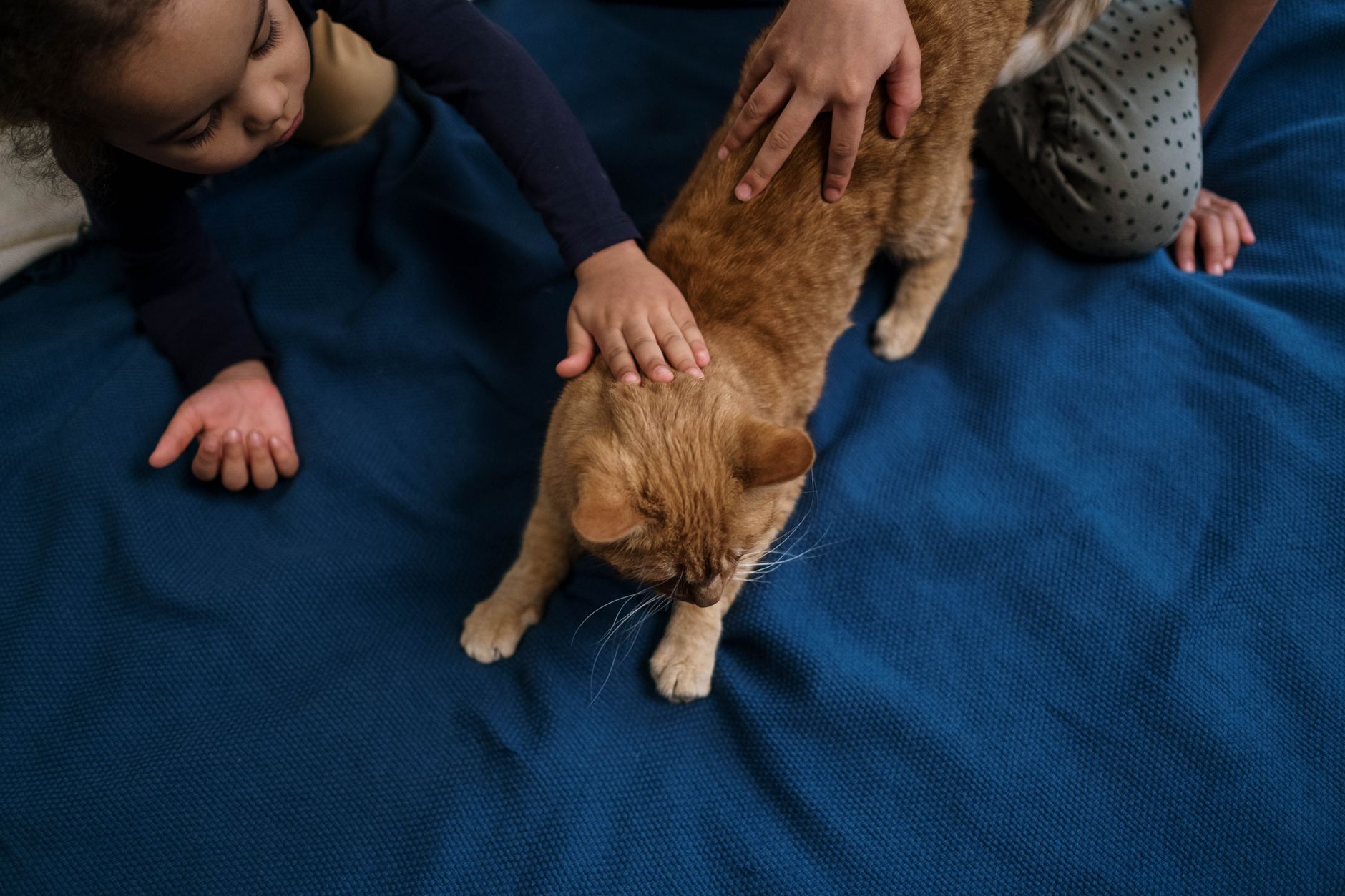
Do Kids Do Better With Pets?
Yes, research overwhelmingly suggests that kids often do better with pets, experiencing significant emotional, social, and physical benefits that contribute to their overall well-being and development. Pets can become sources of comfort, responsibility, and unconditional love.

The Enduring Bond: Children and Animals
The relationship between children and animals is often profound and enduring. From the companionship of a loyal dog to the gentle purrs of a contented cat, pets offer children a unique connection that can positively influence their development. For centuries, pets have been woven into the fabric of family life, and their role in shaping young lives is increasingly recognized by psychologists, educators, and healthcare professionals. The question Do kids do better with pets? warrants careful exploration.

What colours are fish most attracted to?
Can you put your finger in a trout's mouth?
Is methylene blue anti bacterial?
Does aquarium salt raise pH in aquarium?
Multifaceted Benefits: A Closer Look

The advantages of pet ownership for children are remarkably diverse, spanning emotional, social, and physical domains. These benefits are not merely anecdotal; they are supported by a growing body of scientific research.
- Emotional Development: Pets provide unconditional love and acceptance, fostering self-esteem and emotional security in children. The presence of a pet can reduce feelings of loneliness and anxiety, offering a source of comfort during stressful times.
- Social Skills Enhancement: Caring for a pet teaches children responsibility, empathy, and compassion. They learn to understand and respond to the needs of another living being, which translates into improved social interactions with their peers.
- Physical Well-being: Studies have shown that children who grow up with pets have lower rates of allergies and asthma. Pet ownership also encourages physical activity, as children engage in walking, playing, and other forms of exercise with their animal companions.
- Cognitive Growth: Research suggests that interacting with pets can enhance cognitive development in children. The stimulation provided by pets can improve focus, attention span, and problem-solving skills. Pets can also aid in learning, especially reading, as children often feel more comfortable reading aloud to their animal friends.
Choosing the Right Pet: A Family Affair
Selecting the right pet for your family requires careful consideration of various factors, including the child’s age, temperament, and any allergies or health concerns.
Here’s a quick guide:
| Pet Type | Pros | Cons | Considerations |
|---|---|---|---|
| Dogs | Loyal, playful, can provide security, excellent for active families | Require significant time commitment for training, walking, and grooming | Breed suitability, size, energy level, children’s ages |
| Cats | Independent, affectionate, relatively low-maintenance | Can be destructive, may scratch or bite, potential for allergies | Temperament, indoor vs. outdoor living, number of children |
| Small Animals | Low-maintenance, can teach responsibility, less demanding than dogs or cats | May not be as interactive, require specific care and handling | Cage cleaning, social needs (e.g., guinea pigs need companions), life span |
| Fish | Calming to watch, minimal maintenance | Less interactive, may not appeal to all children | Tank size, water quality, compatibility of species |
| Birds | Can be interactive, some birds can be trained to talk, add beauty and interest | Require specialized care, can be noisy, may bite | Cage size, diet, social needs, potential for mess |
Common Misconceptions and Potential Challenges
While the benefits of pet ownership are undeniable, it’s crucial to acknowledge potential challenges and dispel common misconceptions.
- Allergies: Pet allergies are a common concern, but early exposure to pets can sometimes reduce, rather than increase, the risk of developing allergies. However, families with known allergies should consult with an allergist before bringing a pet home.
- Responsibility: While pet ownership teaches responsibility, parents must be prepared to assist and supervise their children in caring for their pets. It’s unrealistic to expect a young child to manage all aspects of pet care independently.
- Financial Costs: Pet ownership entails significant financial costs, including food, veterinary care, grooming, and supplies. Families should carefully consider their budget before acquiring a pet.
- Time Commitment: Pets require time and attention, including daily feeding, exercise, grooming, and playtime. Families must be willing to dedicate the necessary time to meet their pet’s needs.
Frequently Asked Questions About Kids and Pets
What is the best age for a child to get a pet?
The ideal age varies depending on the child’s maturity level and the type of pet. Generally, children around age 6 or older are better equipped to understand and follow instructions regarding pet care. However, even younger children can benefit from interacting with pets under close adult supervision.
Which type of pet is best for a young child?
Smaller, less demanding pets like fish, hamsters, or guinea pigs can be good starter pets for young children. However, every child and animal is different, and a family dog that has a good temperament and is used to being around children might be best for your specific child. It’s crucial to consider the child’s temperament, maturity, and ability to handle the pet responsibly.
How can I teach my child to be responsible for a pet?
Start with simple tasks, such as filling the pet’s water bowl or brushing its fur. Gradually increase the child’s responsibilities as they mature. Make pet care a family affair, with parents providing guidance and support. Use positive reinforcement to encourage responsible behavior.
How do I introduce a new pet to my child?
Introduce the pet in a calm and controlled environment. Allow the child to interact with the pet under close supervision. Teach the child how to handle the pet gently and respectfully. Never force the interaction and allow the pet to approach the child at its own pace.
How can I prevent my child from getting bitten or scratched by a pet?
Teach the child how to recognize and respect the pet’s body language. Never allow the child to tease or harass the pet. Supervise all interactions between the child and the pet. If a pet shows signs of aggression, consult with a veterinarian or animal behaviorist.
Are there any health risks associated with pet ownership for children?
Pets can transmit certain diseases to humans, known as zoonotic diseases. To minimize the risk, practice good hygiene, such as washing hands after handling pets. Keep pets up-to-date on their vaccinations and deworming treatments. Consult with a veterinarian about any health concerns.
Can pets help children with autism or other special needs?
Yes, research suggests that pets can provide significant benefits for children with autism and other special needs. Pets can reduce anxiety, improve social skills, and provide a sense of comfort and companionship. Animal-assisted therapy is often used to help children with special needs achieve therapeutic goals.
What are the benefits of pets for children’s mental health?
Pets can reduce stress, anxiety, and depression in children. They provide unconditional love and acceptance, fostering self-esteem and emotional security. Pet ownership can also teach children empathy and compassion.
How can I help my child cope with the loss of a pet?
Acknowledge the child’s feelings and provide support. Allow the child to grieve and express their emotions. Create a memorial for the pet, such as a photo album or a special ceremony. Consider adopting another pet when the child is ready.
What should I do if my child is allergic to a pet?
Consult with an allergist to determine the severity of the allergy. There are ways to manage pet allergies, such as using air purifiers, washing pets regularly, and limiting exposure. In some cases, hypoallergenic breeds may be an option, but they are not completely allergen-free.
How does having a pet help children learn responsibility?
Caring for a pet requires consistent effort and attention. Children learn to be responsible by feeding, watering, grooming, and exercising their pets. They also learn about the needs of another living being and the importance of providing for those needs. This ultimately contributes to answering Do kids do better with pets?.
Can pets help kids with their reading skills?
Yes! Many children feel more comfortable reading aloud to a pet. Pets are non-judgmental listeners, providing a supportive and encouraging environment for children to practice their reading skills. This can improve fluency, confidence, and overall reading comprehension. The bond between children and their animals aids them with reading skills.