
Do Jaguars Meet Pumas? Understanding Overlap and Interaction in the Americas
Do jaguars meet pumas? Yes, jaguars and pumas do overlap in many areas of the Americas, leading to complex interactions, competition, and occasional coexistence within the same ecosystems.
Introduction: The American Big Cats
The Americas are home to two of the world’s most iconic big cats: the jaguar (Panthera onca) and the puma (Puma concolor, also known as the cougar or mountain lion). These felines, while both apex predators, have distinct ecological roles and behaviors. Understanding their range, habitat preferences, and interactions is crucial for effective conservation efforts. Do jaguars meet pumas? This is a fundamental question for understanding the dynamic relationships within these ecosystems.

What colours are fish most attracted to?
Can you put your finger in a trout's mouth?
Is methylene blue anti bacterial?
Does aquarium salt raise pH in aquarium?
Range and Habitat Overlap

The jaguar’s range stretches from northern Mexico south through Central America and into South America, reaching as far south as northern Argentina. Pumas, on the other hand, have a much broader distribution, ranging from the Yukon Territory in Canada all the way down to the Andes Mountains in South America. This means that significant portions of their ranges overlap, especially in Central and South America.
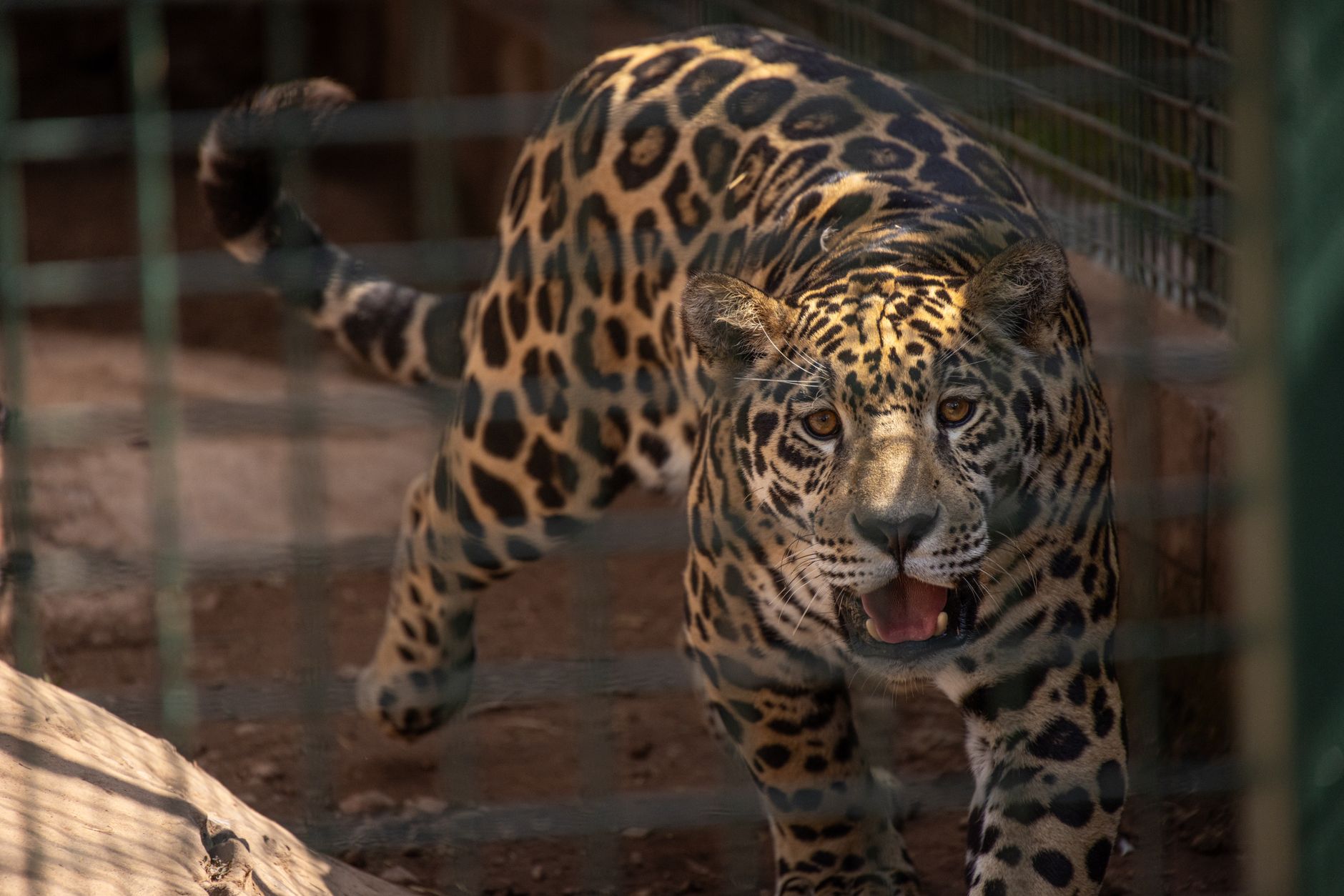
- Jaguar Habitats: Prefer dense tropical forests, swamps, and grasslands with access to water.
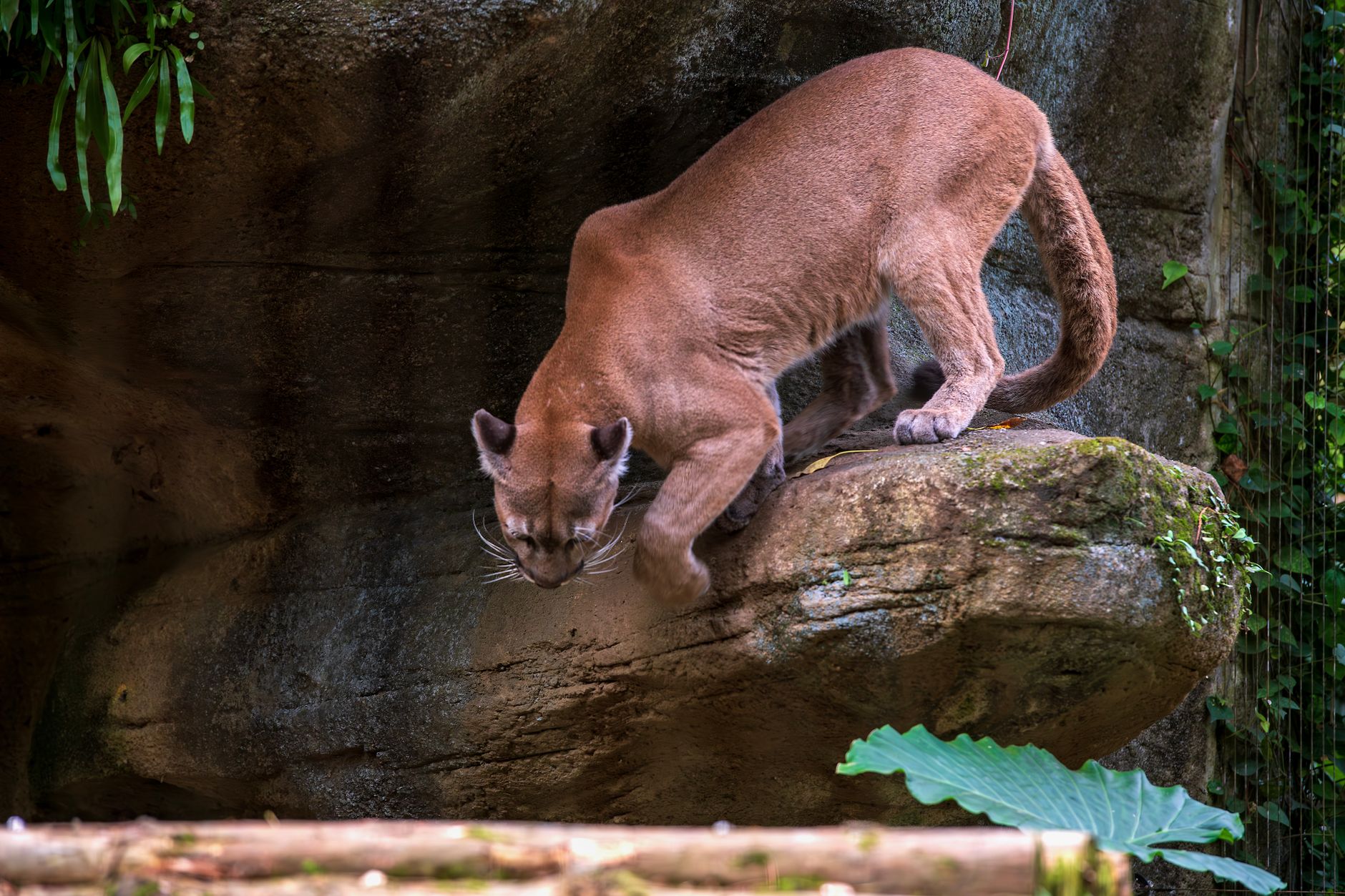
- Puma Habitats: More adaptable, occupying a wider range of habitats, including forests, mountains, deserts, and grasslands.
The degree of overlap can vary regionally. In some areas, jaguars and pumas might share territories, while in others, their habitat preferences may result in some degree of spatial separation. Understanding where do jaguars meet pumas physically is a critical step in understanding how they interact.
Competition and Niche Partitioning
Given their overlapping ranges and similar diets (primarily focusing on mammals), jaguars and pumas inevitably compete for resources. However, several factors help to mitigate direct conflict:
- Size and Prey Selection: Jaguars are typically larger and more powerful than pumas, allowing them to take down larger prey animals like capybaras, caiman, and peccaries. Pumas tend to focus on smaller prey, such as deer, rabbits, and rodents.
- Temporal Activity: While both species can be active during the day or night, they may exhibit variations in their peak activity times, reducing the likelihood of encounters.
- Habitat Specialization: As mentioned earlier, jaguars favor denser habitats, while pumas are more adaptable to open terrain. This spatial separation can further minimize competition.
Behavioral Interactions
Direct interactions between jaguars and pumas are relatively rare but can occur. These encounters can range from avoidance to aggressive confrontations. Jaguars, being the larger and more dominant species, may displace pumas from prime hunting grounds or even kill them.
While instances of jaguars preying on pumas have been documented, they are not common. More often, the two species engage in indirect competition by targeting the same prey base. The question of do jaguars meet pumas is often answered with a nuanced “it depends” as their interactions are complex and not always hostile.
Conservation Implications
Understanding the dynamics between jaguars and pumas is crucial for conservation. Habitat loss, fragmentation, and human encroachment pose threats to both species. Protecting their habitats and ensuring sufficient prey availability are essential for their long-term survival.
The presence of both jaguars and pumas in an ecosystem can be an indicator of its overall health and biodiversity. Conservation efforts that focus on maintaining healthy ecosystems will benefit both species and the broader ecological community. Do jaguars meet pumas and can they thrive together? The answer hinges on effective conservation strategies.
Data Table: Jaguar vs. Puma – Key Differences
| Feature | Jaguar (Panthera onca) | Puma (Puma concolor) |
|---|---|---|
| Size | Larger (up to 300 lbs) | Smaller (up to 220 lbs) |
| Build | Stockier, muscular | Sleeker, more agile |
| Spot Pattern | Rosettes with central spots | Solid color (tawny or gray) |
| Habitat | Dense forests, wetlands | Wide range, including mountains |
| Prey | Larger mammals (capybara, caiman) | Smaller mammals (deer, rabbits) |
| Distribution | Mexico to Argentina | Canada to Argentina |
Conservation Status
Both jaguars and pumas face threats, although the specific challenges vary across their ranges. Jaguars are classified as Near Threatened by the IUCN, with populations declining due to habitat loss, poaching, and conflict with humans. Pumas are classified as Least Concern, but local populations can be vulnerable due to habitat fragmentation, hunting, and prey depletion.
Conservation efforts often involve protecting critical habitats, reducing human-wildlife conflict, and promoting sustainable land-use practices. By addressing these challenges, we can help ensure that both jaguars and pumas continue to thrive in their natural environments.
Threats to Jaguar and Puma Populations
- Habitat Loss: Deforestation, agriculture, and urbanization reduce available habitat.
- Human-Wildlife Conflict: Livestock depredation leads to retaliatory killings.
- Poaching: Illegal hunting for fur, body parts, or trophies.
- Prey Depletion: Overhunting of prey species reduces food availability.
- Climate Change: Alterations in habitat and prey distribution.
Frequently Asked Questions (FAQs)
What happens when jaguars and pumas fight?
Fights between jaguars and pumas are rare but can occur, especially when competing for prey or territory. Jaguars, being larger and more powerful, usually win these encounters. Pumas typically avoid direct confrontation with jaguars. The outcome often depends on the size and health of the individual animals involved.
Can jaguars and pumas coexist peacefully?
Yes, jaguars and pumas can coexist peacefully, especially when there is sufficient prey and habitat to support both populations. Niche partitioning and differences in prey selection help to reduce direct competition. However, their interactions are complex and vary depending on local conditions.
Are jaguars more aggressive than pumas?
Jaguars are generally considered to be more aggressive than pumas, particularly towards other predators. This is partly due to their larger size and greater need to defend their territory and resources. Pumas tend to be more elusive and avoid confrontation.
Do jaguars hunt pumas?
While uncommon, jaguars have been known to prey on pumas, especially younger or weaker individuals. This is more likely to occur when prey is scarce or when jaguars perceive pumas as a threat to their territory. Predation is not a primary factor in puma mortality, but it can happen.
How do jaguars and pumas communicate with each other?
Jaguars and pumas communicate through scent marking, vocalizations, and body language. Scent marking helps to establish territories and avoid encounters. Vocalizations, such as growls and hisses, can be used to warn off rivals. Visual cues also play a role in communication.
What is niche partitioning?
Niche partitioning refers to the process by which species with similar ecological requirements minimize competition by utilizing resources in different ways. In the case of jaguars and pumas, niche partitioning involves differences in prey selection, habitat use, and temporal activity.
Why are jaguars spotted and pumas not?
The spotted coat of the jaguar provides camouflage in dense forest environments, helping them to ambush prey effectively. Pumas, on the other hand, have a solid-colored coat that blends in well with a variety of habitats, including forests, mountains, and grasslands. Coat coloration is an adaptation to their respective environments.
Are pumas found in the same areas as jaguars?
Yes, pumas are found in the same areas as jaguars throughout much of Central and South America. The extent of overlap varies regionally, but both species share significant portions of their ranges.
What role do jaguars and pumas play in their ecosystems?
Both jaguars and pumas play important roles as apex predators, helping to regulate prey populations and maintain ecosystem balance. Their presence can influence the behavior and distribution of other animals.
What is being done to protect jaguars and pumas?
Conservation efforts to protect jaguars and pumas include habitat protection, anti-poaching patrols, community engagement, and research. Organizations are working to reduce human-wildlife conflict and promote sustainable land-use practices. These efforts are crucial for the long-term survival of both species.
How does climate change impact jaguar and puma populations?
Climate change can impact jaguar and puma populations by altering their habitats, reducing prey availability, and increasing the frequency of extreme weather events. Changes in temperature and precipitation patterns can affect the distribution of both species.
What can individuals do to help protect jaguars and pumas?
Individuals can support jaguar and puma conservation by donating to conservation organizations, advocating for responsible land-use policies, reducing their carbon footprint, and educating others about the importance of these animals and their habitats. Every action, no matter how small, can make a difference.