

Do Horses Enjoy Humans? Understanding the Equine-Human Bond
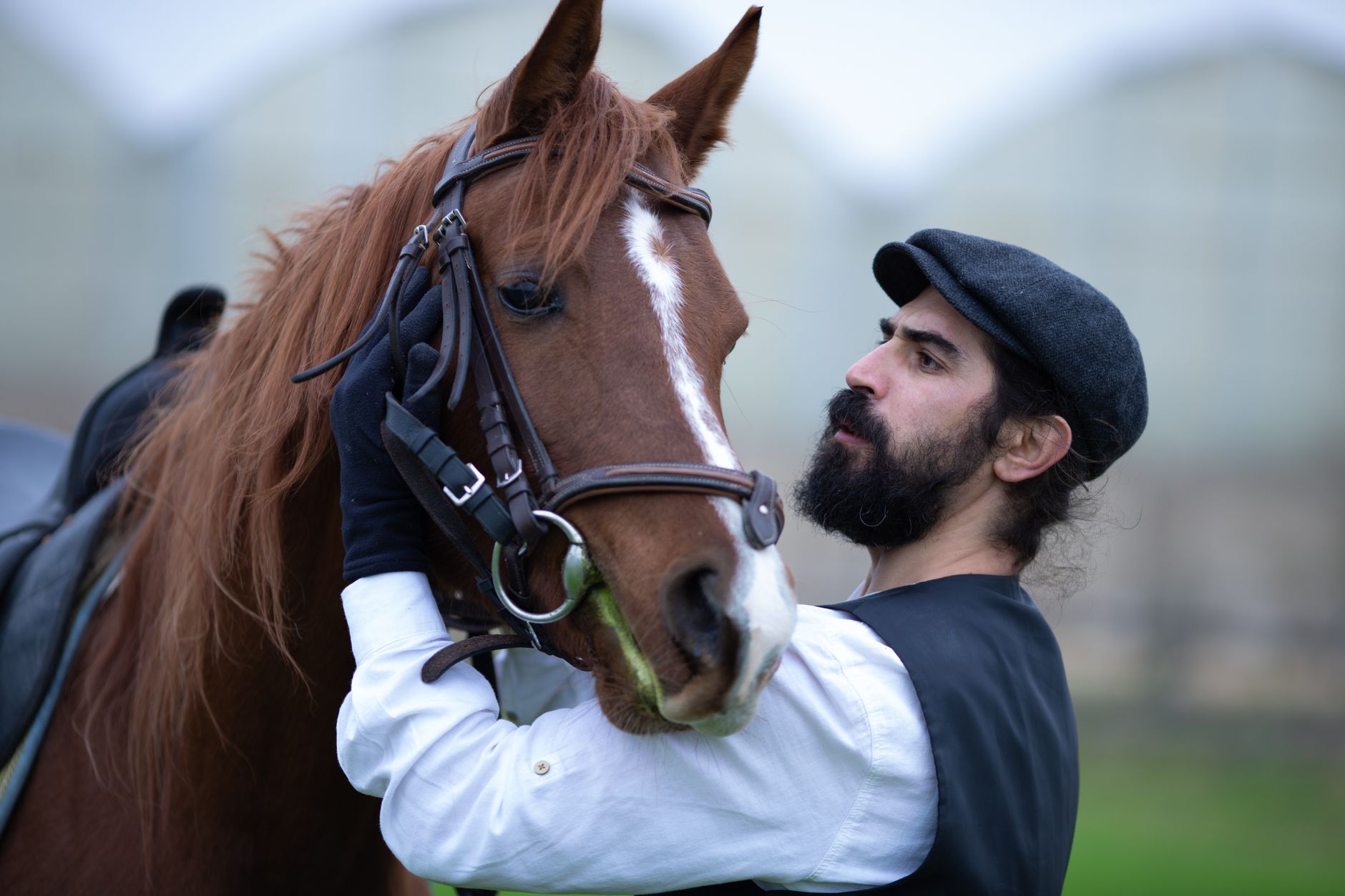
Do horses enjoy humans? While horses don’t experience “enjoyment” in the same way we do, evidence suggests they can form positive bonds with humans, exhibiting affection and seeking interaction based on trust, respect, and learned associations.

Understanding Equine Social Dynamics
To truly grasp the complexities of the equine-human relationship, it’s essential to first understand how horses interact within their own species. Horses are highly social animals, living in herds with intricate hierarchies and strong social bonds. These bonds are built on trust, cooperation, and mutual grooming. Observing these natural interactions provides crucial insights into their potential for forming bonds with other species, including humans.
- Herd Dynamics: Horses establish a pecking order within their herds, influencing access to resources like food and water.
- Communication: They communicate through a complex language of body posture, vocalizations, and scent.
- Social Grooming: Mutual grooming strengthens social bonds and reinforces group cohesion.
What colours are fish most attracted to?
Can you put your finger in a trout's mouth?
Is methylene blue anti bacterial?
Does aquarium salt raise pH in aquarium?
The Scientific Evidence: What Research Reveals

While it’s impossible to definitively know what a horse “feels,” research provides valuable clues about their perception of humans. Studies examining heart rate variability, hormone levels (such as cortisol and oxytocin), and behavioral responses to human interaction shed light on the nature of the equine-human bond. For example, lower heart rates and increased oxytocin levels during positive interactions with humans suggest reduced stress and potential positive emotional responses.
- Heart Rate Variability: Measures of heart rate can indicate stress levels and emotional state.
- Hormone Analysis: Analysis of hormones like cortisol (stress) and oxytocin (bonding) provides physiological insights.
- Behavioral Observation: Observing behaviors like relaxed posture, seeking interaction, and accepting touch offers clues about the horse’s perception of humans.
The Role of Positive Reinforcement and Trust
The foundation of a positive equine-human relationship is built on trust and respect. Positive reinforcement techniques, such as rewarding desired behaviors with treats or praise, play a vital role in fostering this trust. When horses associate humans with positive experiences, they are more likely to seek interaction and display affectionate behaviors. Conversely, negative experiences can lead to fear, anxiety, and a reluctance to engage with humans. Building trust is key to answering the question of do horses enjoy humans?
- Consistency: Consistent training and handling build trust.
- Patience: Patience is essential for understanding and responding to a horse’s individual needs.
- Positive Reinforcement: Rewarding desired behaviors strengthens the bond.
Interpreting Equine Behavior: Signs of Affection and Bond
How can we tell if a horse “likes” us? While horses can’t express their feelings verbally, they communicate through a range of behaviors. Relaxed body posture, soft eyes, gentle nudges, and seeking proximity are all potential indicators of affection and a positive bond. However, it’s crucial to interpret these behaviors within the context of the individual horse’s personality and past experiences.
| Behavior | Possible Interpretation |
|---|---|
| Relaxed posture | Comfortable and relaxed in your presence |
| Soft eyes | Calm and trusting |
| Gentle nudges | Seeking attention or affection |
| Seeking proximity | Enjoys being near you |
| Mutual grooming | A high level of trust and acceptance (if they allow you to groom them as they would a herdmate) |
Potential Pitfalls: Misinterpreting Equine Communication
Misunderstanding equine communication can damage the relationship and lead to negative experiences. For example, a horse that pins its ears or swishes its tail is likely expressing discomfort or annoyance, not affection. Similarly, a horse that avoids interaction may be fearful or anxious, not simply uninterested. Learning to accurately interpret equine body language is crucial for building a strong and positive bond.
- Ear Position: Ears pinned back generally indicate annoyance or aggression.
- Tail Swishing: Often a sign of irritation or discomfort.
- Body Tension: A tense body posture can indicate fear or anxiety.
Beyond the Saddle: Alternative Ways to Connect with Horses
The relationship between humans and horses shouldn’t be limited to riding. Groundwork exercises, grooming, and simply spending time in the horse’s presence can strengthen the bond and foster a deeper connection. Focusing on the horse’s well-being and providing opportunities for natural behaviors can enhance their overall quality of life and improve their perception of humans. Ultimately, addressing the question of do horses enjoy humans? requires thinking beyond traditional uses.
- Groundwork Exercises: Enhance communication and build trust.
- Grooming: Provides physical and emotional comfort.
- Enrichment Activities: Stimulate the horse’s mind and promote natural behaviors.
Frequently Asked Questions About Equine-Human Bonds
Is it possible for a horse to dislike humans?
Yes, it’s absolutely possible for a horse to dislike humans. This can be due to negative past experiences, such as abuse, neglect, or inconsistent handling. A horse’s individual personality and temperament also play a role in their willingness to trust and bond with humans.
How can I tell if a horse trusts me?
Signs of trust include a relaxed body posture in your presence, willingness to approach you, acceptance of touch, and a soft expression in their eyes. A horse that voluntarily seeks your company is likely displaying trust.
What is the best way to build a positive relationship with a horse?
Consistency, patience, and positive reinforcement are key. Avoid punishment-based training methods and focus on rewarding desired behaviors with treats, praise, or simply a gentle scratch. Building trust takes time and requires understanding the horse’s individual needs.
Can horses recognize individual humans?
Yes, horses have excellent memories and are capable of recognizing individual humans. They can distinguish between people based on visual cues, scent, and vocalizations. They are more likely to form bonds with individuals they interact with frequently and positively.
Do horses get lonely without human interaction?
While horses are social animals and prefer the company of other horses, they can also form attachments to humans. A horse that is isolated from both horses and humans may experience loneliness or boredom. Providing opportunities for social interaction is important for their well-being.
Are some horse breeds more affectionate towards humans than others?
While individual personality plays a more significant role than breed, some breeds are known for their gentle and docile nature. Breeds like the American Quarter Horse and the Haflinger are often considered to be more people-oriented.
How important is body language when interacting with horses?
Extremely important. Horses are highly sensitive to human body language. A tense or aggressive posture can make them fearful, while a calm and relaxed demeanor can help them feel comfortable and safe. Paying attention to your body language is crucial for effective communication.
Can horses sense human emotions?
There is evidence to suggest that horses can sense human emotions. They may be able to detect changes in our heart rate, breathing, and body language that indicate stress, anxiety, or happiness. This sensitivity highlights the importance of being mindful of our own emotional state when interacting with horses.
What are some common mistakes people make when interacting with horses?
Common mistakes include being inconsistent with training, using punishment-based methods, ignoring equine body language, and approaching a horse without introducing themselves. These mistakes can damage the relationship and lead to fear or distrust.
How does groundwork contribute to the equine-human bond?
Groundwork exercises enhance communication and build trust by teaching horses to respond to cues and commands on the ground. These exercises can also improve the horse’s balance, coordination, and confidence. It is a great way of building a better relationship with a horse.
Do horses enjoy being ridden?
The answer to this question is complex and depends on several factors, including the horse’s training, the rider’s skill, and the overall well-being of the horse. A horse that is properly trained and ridden by a skilled and compassionate rider can potentially enjoy the physical and mental stimulation of riding. However, riding that is uncomfortable, painful, or stressful is likely to be a negative experience for the horse.
What if my horse seems uninterested in interacting with me?
If your horse seems uninterested in interacting with you, it’s important to investigate the underlying cause. The horse may be experiencing pain or discomfort, feeling anxious or fearful, or simply lacking motivation. Consulting with a veterinarian or experienced equine professional can help you identify and address the issue. Reviewing your training methods, and ensuring your horse is receiving proper physical care are good first steps to take if your horse appears disinterested. This can help improve their willingness to interact and strengthen your bond, ultimately helping answer do horses enjoy humans?