

Do Guppy Fish Get Along With Other Fish? A Comprehensive Guide
Do guppy fish get along with other fish? Yes, generally, guppies are peaceful and community-friendly fish, but their compatibility depends heavily on the other fish in the tank; aggressive or fin-nipping species can be problematic. Proper research and careful tank mate selection are crucial for a harmonious aquarium.

Understanding Guppy Temperament
Guppies (Poecilia reticulata) are renowned for their vibrant colors and ease of care, making them popular among beginner and experienced aquarists alike. However, while generally peaceful, their temperament and social needs play a significant role in determining their compatibility with other fish. Their small size and flowing fins can make them targets for larger or more aggressive species. Understanding their needs and behaviors is key to creating a thriving community tank.

Are fish heads good for the garden?
Can fish hear water?
What is cotton rot in fish?
What colours are fish most attracted to?
Factors Influencing Compatibility
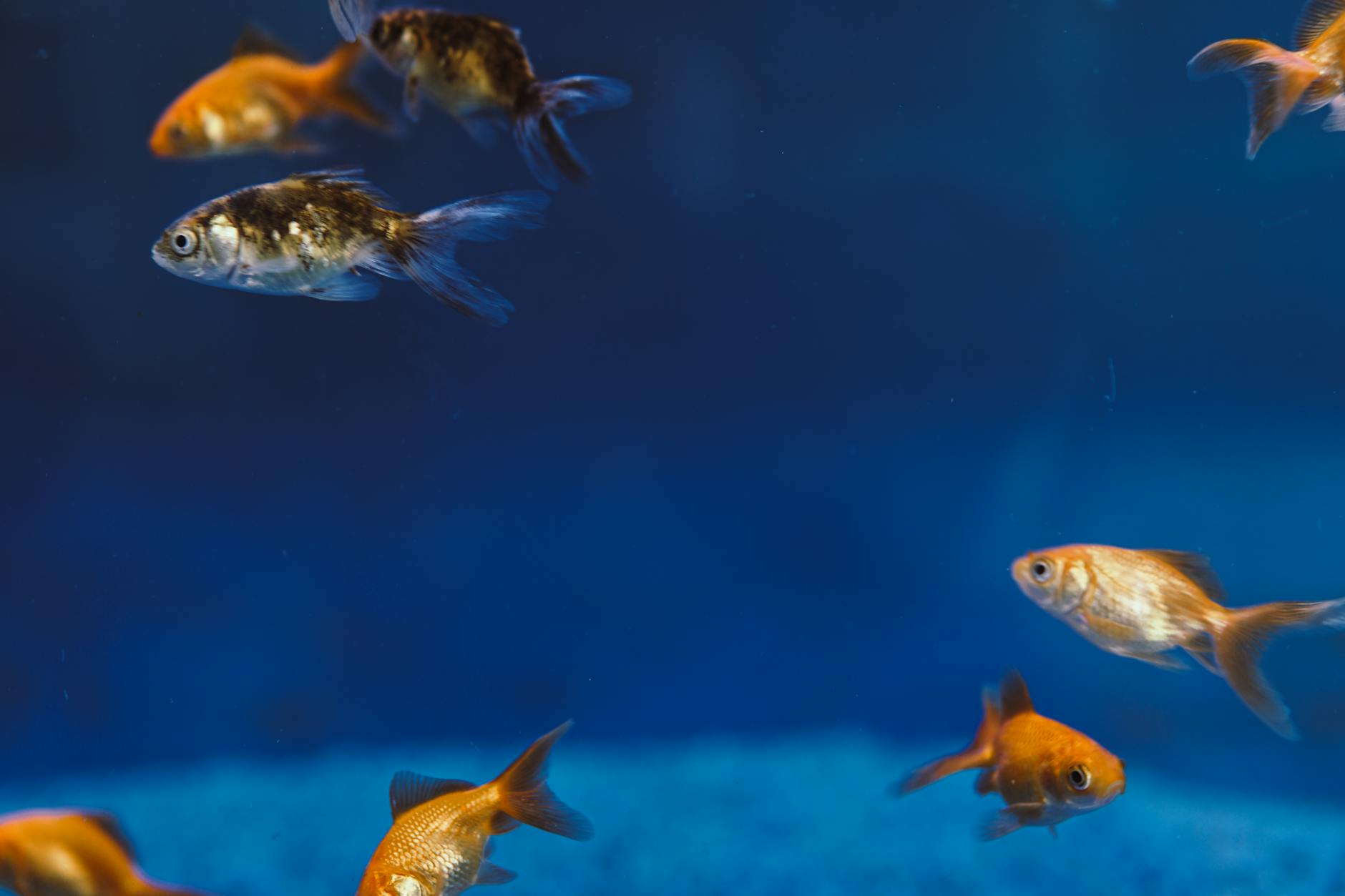
Several factors influence whether do guppy fish get along with other fish? These include:
- Temperament of Other Fish: Aggressive or territorial species will often harass or even harm guppies.
- Size Difference: Significantly larger fish may see guppies as food.
- Fin-Nipping Behavior: Some fish species are prone to nipping at the flowing fins of guppies, causing stress and injury.
- Water Parameters: Guppies thrive in specific water conditions. Compatibility extends to ensuring all tank mates share similar needs.
Ideal Tank Mates for Guppies
Choosing the right tank mates is paramount for the well-being of your guppies. Here are some excellent options:
- Neon Tetras: These small, peaceful fish share similar water parameters with guppies and are unlikely to harass them.
- Platies: Another peaceful livebearer, platies are generally compatible with guppies.
- Corydoras Catfish: These bottom-dwelling scavengers are peaceful and help keep the tank clean.
- White Cloud Mountain Minnows: These hardy fish can tolerate cooler water temperatures than guppies but are generally peaceful enough to coexist.
- Snails and Shrimp: Invertebrates like snails (e.g., Nerite, Mystery) and shrimp (e.g., Cherry Shrimp, Amano Shrimp) can be excellent additions to a guppy tank, provided they are large enough not to be eaten by the guppies. (Guppy fry, however, are fair game for the shrimp).
Fish to Avoid as Guppy Tank Mates
Conversely, some fish species are definitely not suitable companions for guppies. Avoid these fish:
- Betta Fish: While beautiful, bettas are often aggressive and will likely attack guppies, especially males with long, flowing fins.
- Tiger Barbs: These active fish are known fin-nippers and will harass guppies.
- Angelfish: As they mature, Angelfish may see guppies as a food source.
- Cichlids (Most Varieties): Cichlids are generally too aggressive and territorial for guppies.
- Larger, Predatory Fish: Any fish large enough to eat a guppy should be avoided.
Setting Up a Guppy-Friendly Tank
A well-maintained and appropriately decorated tank is crucial for guppy health and compatibility with other fish.
- Tank Size: A minimum of 10 gallons is recommended for a small group of guppies and a few tank mates. Larger tanks are always better.
- Water Parameters: Maintain a temperature of 72-78°F (22-26°C), a pH of 6.8-7.8, and moderate hardness.
- Filtration: A good filter is essential for maintaining water quality.
- Decorations: Provide plenty of plants (both real and artificial) for hiding places and to reduce stress.
- Regular Water Changes: Perform partial water changes (25-50%) weekly or bi-weekly to keep the water clean.
Monitoring Fish Behavior
Even with careful planning, it’s essential to monitor your fish for signs of stress or aggression. Look for:
- Hiding: Excessive hiding can indicate that a guppy is being bullied or feels threatened.
- Fin-Nipping: Damaged or frayed fins are a sign of fin-nipping.
- Erratic Swimming: Jerky or panicked swimming can indicate stress or illness.
- Loss of Appetite: A lack of interest in food can be a sign of illness or stress.
If you observe any of these signs, consider isolating the affected fish or rehoming incompatible tank mates.
Breeding Considerations
Guppies are prolific breeders, so if you don’t want your tank to become overrun with fry, consider keeping only males or females. If you do want to breed them, provide plenty of hiding places for the fry to protect them from being eaten by the adults.
Frequently Asked Questions (FAQs)
Will my guppies breed if I keep them with other fish?
Yes, guppies will breed readily in a community tank if both males and females are present. However, the survival rate of the fry will be significantly lower due to predation by other fish, including adult guppies. Providing dense plant cover is crucial for fry survival.
Can I keep guppies with goldfish?
No, guppies and goldfish are generally not compatible. Goldfish require cooler water temperatures than guppies, and they may also try to eat smaller fish. Goldfish are also messy and can quickly foul the water, which isn’t ideal for guppies.
Do guppies get lonely if kept alone?
Guppies are social fish and thrive in groups. Keeping a single guppy can lead to stress and a shortened lifespan. It’s best to keep at least 3-5 guppies together, ideally with more females than males to reduce harassment.
What are the signs of a stressed guppy?
Stressed guppies may exhibit clamped fins, loss of color, reduced appetite, and erratic swimming. They may also hide more frequently and become more susceptible to disease. Poor water quality is a common cause of stress.
Can I keep guppies with shrimp?
Yes, guppies can generally be kept with shrimp, such as Cherry Shrimp or Amano Shrimp, but only larger, adult shrimp. Small baby shrimp are likely to be eaten by guppies. Providing plenty of hiding places for the shrimp is essential.
What size tank is best for guppies and other fish?
A 10-gallon tank is the absolute minimum for a small group of guppies, but a 20-gallon or larger tank is preferable, especially if you plan to keep them with other fish. Larger tanks provide more space and stability for water parameters.
How can I prevent my guppies from being fin-nipped?
Avoid keeping guppies with known fin-nippers like Tiger Barbs. Providing plenty of plants and hiding places can also help to reduce fin-nipping. If fin-nipping persists, consider separating the aggressor.
What water parameters are best for guppies?
Guppies thrive in water temperatures between 72-78°F (22-26°C), a pH of 6.8-7.8, and moderate hardness (GH 8-12 dGH). Consistent water parameters are crucial for their long-term health.
Are male or female guppies more aggressive?
Male guppies can sometimes be aggressive towards each other, especially when competing for females. Keeping more females than males can help to reduce aggression. Female guppies are generally peaceful.
How often should I feed my guppies?
Feed guppies small amounts 2-3 times per day. They have small stomachs, so overfeeding can lead to health problems. Offer a variety of foods, including flakes, pellets, and live or frozen foods.
What are some common diseases that affect guppies?
Common guppy diseases include fin rot, ich (white spot disease), and fungal infections. Maintaining good water quality is the best way to prevent these diseases.
If I notice aggression, should I separate my fish?
Yes, if you observe consistent aggression or fin-nipping, separating the aggressor or the victim is often the best course of action. A hospital tank can be used to isolate and treat injured fish.