
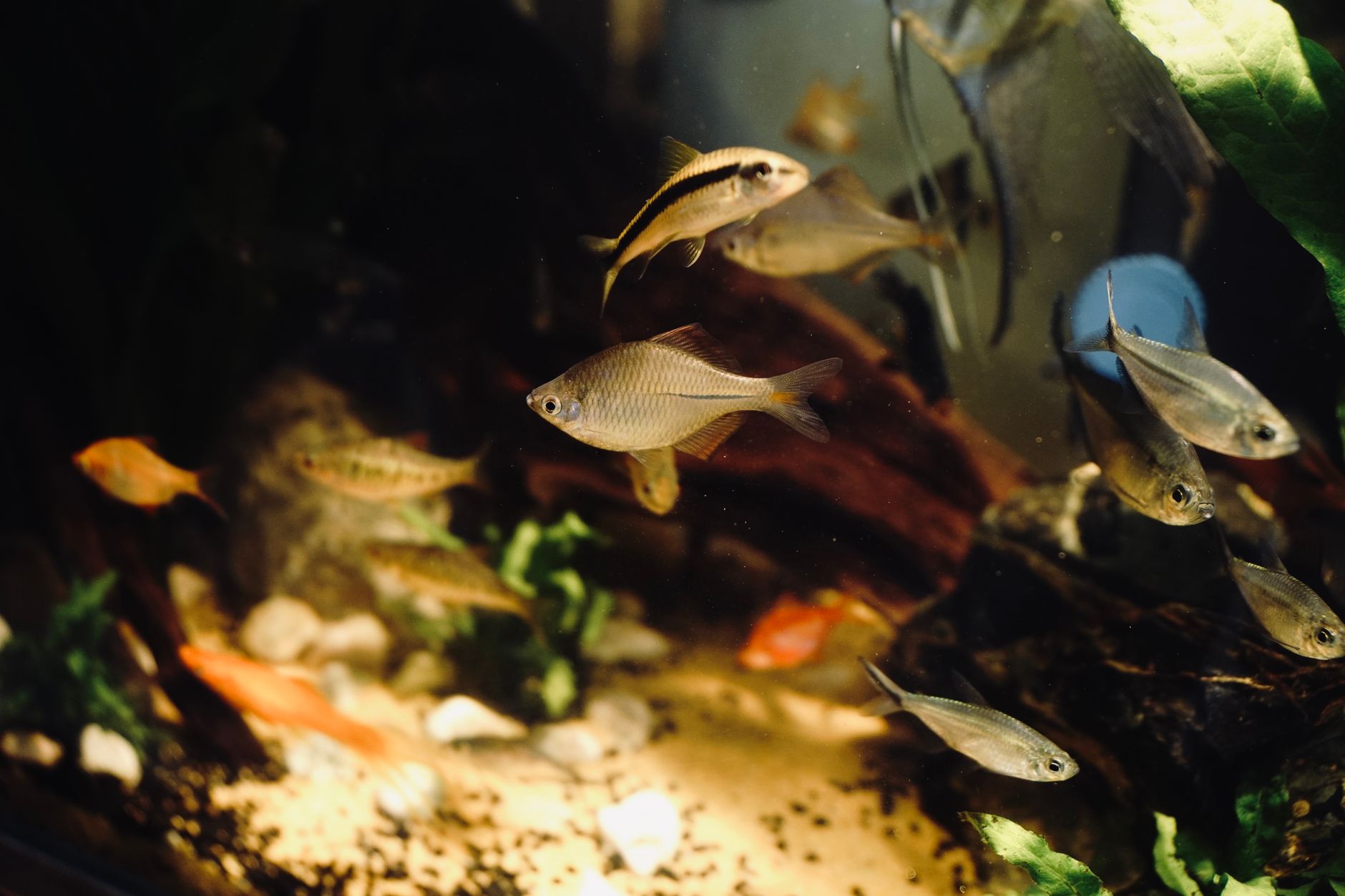
Do Guppies and Barbs Get Along? A Comprehensive Guide
Do guppies and barbs get along? In short, the answer is a complex no, as the potential for fin-nipping and stress makes this a generally unsuitable pairing. While exceptions may exist depending on specific species and tank conditions, it’s crucial to understand the risks before attempting to combine these fish.

Understanding the Temperaments of Guppies and Barbs
Guppies (Poecilia reticulata) are known for their peaceful and docile nature. These vibrant, colorful fish are popular among beginner aquarists due to their hardy nature and ease of care. Their flowing fins, particularly those of the males, make them an attractive addition to any community tank. However, this very feature can also make them a target.
Barbs, on the other hand, represent a much more diverse group of fish. Some, like Cherry Barbs, are relatively peaceful and can coexist with guppies under specific circumstances. However, many other barb species, such as Tiger Barbs, are notorious for being fin-nippers. This behavior stems from their energetic nature and tendency to establish a pecking order within their own group.

Is distilled water good for goldfish?
What colours are fish most attracted to?
Can you put your finger in a trout's mouth?
Is methylene blue anti bacterial?
Why Guppies and Barbs Are Often a Poor Match

The clash between the temperaments of guppies and certain barb species is the primary reason they often don’t get along. The long, flowing fins of guppies are highly susceptible to being targeted by fin-nipping barbs. This can lead to:
- Stress: Constant nipping can cause significant stress to guppies, weakening their immune system and making them more vulnerable to disease.
- Injuries: Fin-nipping can result in damaged fins, open wounds, and secondary infections.
- Reduced Lifespan: The combination of stress and injury can significantly shorten a guppy’s lifespan.
Furthermore, the dietary needs of guppies and some barb species differ. While both are generally omnivorous, guppies prefer smaller, more frequent feedings, whereas some barbs are more aggressive feeders and may outcompete guppies for food.
Mitigating Risks: Can Guppies and Barbs Coexist Under Specific Conditions?
While generally not recommended, there are certain conditions under which guppies and some barb species might coexist peacefully:
- Species Selection: Choose peaceful barb species such as Cherry Barbs (Puntius titteya). Avoid known fin-nippers like Tiger Barbs (Puntigrus tetrazona).
- Tank Size: A larger tank provides more space for guppies to escape the attention of barbs and reduces the likelihood of territorial disputes.
- Schooling: Barbs thrive in schools of at least 6-8 individuals. Keeping them in larger groups can reduce their tendency to nip at other fish.
- Plenty of Plants: Dense vegetation provides guppies with hiding places and reduces stress.
- Careful Observation: Closely monitor the behavior of both guppies and barbs for any signs of aggression or stress. Be prepared to separate them if necessary.
A Table Summarizing Compatible and Incompatible Barb Species with Guppies
| Barb Species | Compatibility with Guppies | Notes |
|---|---|---|
| Cherry Barb | Potentially Compatible | Relatively peaceful, but still requires careful monitoring. |
| Rosy Barb | Moderately Compatible | Can be more boisterous than Cherry Barbs; larger schools recommended. |
| Gold Barb | Moderately Compatible | Similar to Rosy Barbs; monitor for fin-nipping. |
| Tiger Barb | Highly Incompatible | Notorious fin-nippers; should never be kept with guppies. |
| Odessa Barb | Incompatible | Can be aggressive and territorial. |
| Checker Barb | Moderately Compatible | More peaceful than some other barbs, but still requires observation. |
Alternative Tank Mates for Guppies
If you’re looking for tank mates for your guppies, consider these peaceful options:
- Neon Tetras: Small, colorful, and peaceful.
- Corydoras Catfish: Bottom-dwelling scavengers that help keep the tank clean.
- Platies: Similar in size and temperament to guppies.
- Snails (Nerite, Mystery, or Ramshorn): Help control algae and add diversity to the tank.
- Shrimp (Cherry, Amano): Peaceful invertebrates that add interest to the aquarium.
Important Note: Even with peaceful tank mates, it’s always best to research the specific needs of each species to ensure compatibility.
Frequently Asked Questions About Guppies and Barbs
Do Tiger Barbs and Guppies ever get along?
Absolutely not. Tiger Barbs are among the most notorious fin-nippers in the aquarium hobby. Keeping them with guppies is almost guaranteed to result in damaged fins, stress, and potentially even death for the guppies. It’s a pairing that should be avoided at all costs.
What are the signs of stress in guppies?
Signs of stress in guppies include: lethargy, hiding, clamped fins, loss of appetite, and rapid breathing. They may also develop diseases like ich (white spot disease) more easily. If you observe any of these symptoms, it’s essential to investigate the cause and take corrective action immediately.
How much space do guppies and barbs need?
Guppies are relatively small and can thrive in tanks as small as 10 gallons, although larger tanks are always better. Barbs, especially schooling species, need more space. For Cherry Barbs, a minimum of 20 gallons is recommended for a small school, while larger species like Rosy Barbs require even more space. If you’re considering keeping guppies and barbs together (which, again, is generally discouraged), a larger tank (30+ gallons) is essential.
What kind of water parameters do guppies and barbs require?
Both guppies and most commonly kept barbs prefer slightly acidic to neutral water (pH 6.5-7.5). Water temperature should be maintained between 72-78°F (22-26°C). Regular water changes are crucial for maintaining water quality and preventing the buildup of harmful substances.
Are there any barbs that are completely safe with guppies?
While no barb species can be considered completely safe with guppies, Cherry Barbs are generally the most peaceful option. However, even Cherry Barbs can exhibit fin-nipping behavior if they are not kept in a sufficiently large school or if the tank is overcrowded. Close observation is always necessary.
What should I do if I notice my barbs nipping at my guppies’ fins?
If you observe fin-nipping, separate the guppies and barbs immediately. This may involve moving the guppies to a different tank or rehoming the barbs. Leaving them together will only exacerbate the problem and lead to further injury and stress.
How can I prevent aggression in my barb tank?
To minimize aggression in a barb tank, ensure that you: keep them in large schools (6-8+ individuals), provide plenty of space, offer ample hiding places with plants and decorations, and avoid overcrowding. Regularly monitor their behavior and address any signs of aggression promptly.
What food should I feed guppies and barbs?
Guppies and barbs are omnivores and will accept a variety of foods. Offer them a high-quality flake food as a staple, supplemented with live or frozen foods like brine shrimp, daphnia, and bloodworms. Varying their diet ensures they receive all the necessary nutrients.
Do male or female guppies get nipped more?
Male guppies, with their longer and more elaborate fins, are generally more susceptible to fin-nipping than females. This is because their fins are more attractive targets for nipping barbs.
Can I keep baby guppies (fry) with barbs?
No. Baby guppies are extremely vulnerable and should never be kept with barbs. Barbs are likely to eat the fry, and even if they don’t, the stress of being in the same tank will significantly reduce the fry’s chances of survival.
If I have a very heavily planted tank, can I keep guppies and tiger barbs together?
Even with a heavily planted tank, it’s highly discouraged to keep guppies and Tiger Barbs together. While dense vegetation can provide hiding places, it doesn’t eliminate the Tiger Barbs’ instinct to nip at flowing fins. The stress on the guppies will still be significant, even if they are not constantly being nipped.
Do guppies and barbs have the same lighting requirements?
Generally, yes. Both guppies and most barbs prefer moderate lighting. However, if you have live plants in your tank, you’ll need to provide adequate lighting to support their growth. Aim for a lighting schedule of around 8-10 hours per day.