

Do Guide Dogs Walk on the Left or Right? Unveiling the Training and Protocol
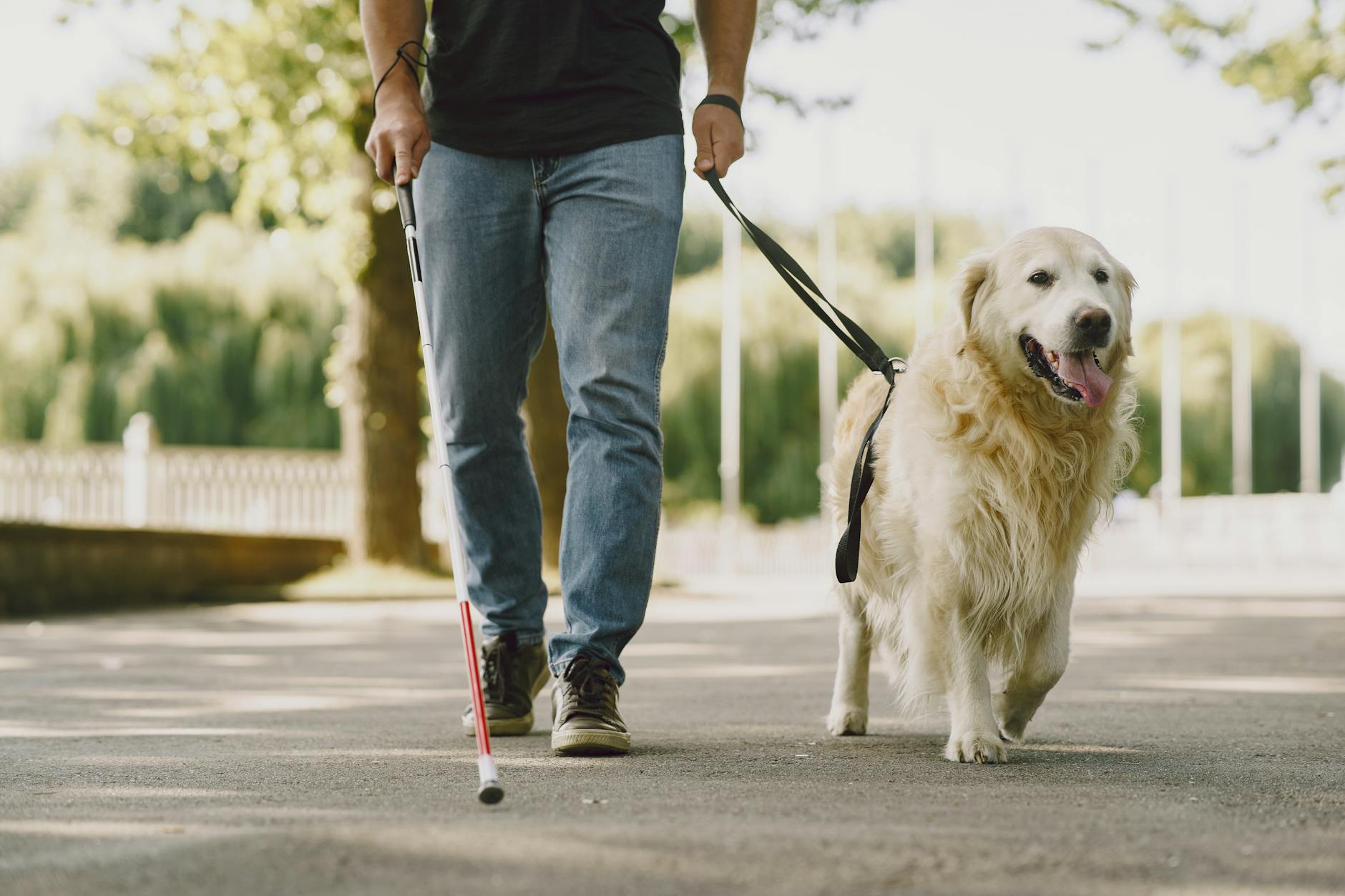
Guide dogs are specifically trained to walk on the left side of their handler, providing safe and reliable navigation through various environments. This consistent positioning allows for optimal communication and control, ensuring the safety and well-being of both the dog and the handler.
The History and Evolution of Guide Dog Training
The concept of guide dogs dates back centuries, but modern training methods truly began to coalesce after World War I, primarily in Germany. Initially, dogs were trained to assist blinded veterans. These early programs laid the groundwork for the sophisticated systems we see today. Over time, techniques have been refined, and breeding programs have been meticulously developed to produce dogs with the ideal temperament, intelligence, and physical attributes required for guide work. The establishment of formal training schools in Europe and later in the United States standardized the process and elevated the profession of guide dog training.

What colours are fish most attracted to?
Can you put your finger in a trout's mouth?
Is methylene blue anti bacterial?
Does aquarium salt raise pH in aquarium?
Why the Left Side? The Rationale Behind the Positioning

Do guide dogs walk on the left or right? The answer is definitively the left, and several compelling reasons explain this choice.
- Historical Convention: In Western cultures, it was traditionally considered the more polite side to offer in social interactions. This meant that handlers could comfortably use their right hand to greet or interact with others.
- Traffic Flow: In many countries, traffic flows on the right side of the road. By walking on the left, the handler is positioned farther away from oncoming vehicles, providing an added layer of safety.
- Rein Placement: Walking on the left allows the handler to maintain optimal rein contact and control. The rein is typically held in the left hand, providing a direct and sensitive link between the handler and the dog. This allows for subtle cues and corrections.
- Standardization: Consistency is crucial for visually impaired individuals. The uniform positioning across guide dog programs ensures a predictable experience for the handler, regardless of where they travel or which organization trained their dog.
The Rigorous Training Process: From Puppyhood to Partnership
Becoming a guide dog is no easy feat. The training process is long, demanding, and selective. It begins with carefully bred puppies, typically Labrador Retrievers, German Shepherds, or Golden Retrievers, known for their intelligence, trainability, and calm temperament. The puppy undergoes a series of stages:
-
Puppy Raising: At approximately 8 weeks old, puppies are placed with volunteer puppy raisers who provide basic obedience training, socialization, and exposure to various environments. This crucial stage lays the foundation for future success.
-
Formal Training: Around 14-18 months, the puppies return to the training school for formal guide dog training. Here, professional trainers teach them advanced skills, including:
- Stopping at curbs and steps
- Avoiding obstacles (both stationary and moving)
- Ignoring distractions
- Navigating traffic
- Following specific routes
-
Matching and Team Training: After the dog masters the necessary skills, it’s carefully matched with a visually impaired individual based on personality, lifestyle, and mobility needs. The handler and dog then undergo an intensive period of team training, learning to work together effectively.
Beyond Navigation: The Emotional and Social Benefits
Do guide dogs walk on the left or right? While the answer is definitively left, the benefits extend far beyond simple navigation. The emotional support and companionship provided by a guide dog are invaluable.
- Increased Independence: Guide dogs allow visually impaired individuals to navigate independently, boosting their confidence and self-esteem.
- Reduced Isolation: The presence of a guide dog often facilitates social interaction and reduces feelings of isolation. People are naturally drawn to dogs, creating opportunities for connection.
- Enhanced Emotional Well-being: The bond between a handler and their guide dog is deep and profound, offering unconditional love and support. This can significantly improve mental and emotional well-being.
- Improved Physical Health: Regular walks and outdoor activity are essential for both the handler and the dog, promoting physical health and fitness.
Common Mistakes and Etiquette Tips When Encountering a Guide Dog
It’s important to remember that guide dogs are working animals and should be treated with respect. Here are some common mistakes to avoid:
- Don’t pet or distract a working guide dog. This can break their concentration and potentially endanger their handler.
- Don’t feed a guide dog. They are on a strict diet and feeding them can disrupt their training and health.
- Don’t make noises or gestures to attract the dog’s attention.
- Always speak to the handler, not the dog. If you need to offer assistance, ask the handler how you can help.
- Respect the dog’s space. Avoid getting too close or crowding them.
By following these simple guidelines, you can help ensure the safety and well-being of both the handler and their guide dog.
The Future of Guide Dog Training: Innovations and Advancements
The field of guide dog training is constantly evolving, with new innovations and advancements emerging regularly. Some key areas of focus include:
- Technology Integration: Exploring the use of GPS and other technologies to enhance navigation capabilities.
- Personalized Training: Tailoring training programs to meet the specific needs of individual handlers.
- Genetic Research: Continuing research into canine genetics to identify and breed dogs with the ideal traits for guide work.
- Accessibility Advocacy: Working to promote greater accessibility and inclusion for visually impaired individuals and their guide dogs in all aspects of society.
The commitment to excellence in guide dog training ensures that these incredible animals will continue to play a vital role in empowering visually impaired individuals for generations to come.
Table: Key Differences Between Pet Dogs and Guide Dogs
| Feature | Pet Dog | Guide Dog |
|---|---|---|
| Primary Purpose | Companionship, Recreation | Assistance, Navigation for the Visually Impaired |
| Training | Basic obedience, tricks | Extensive, Specialized Navigation and Obedience |
| Public Access | Limited by leash laws and owner discretion | Guaranteed access to public spaces by law |
| Behavior | Expected to be friendly and playful | Expected to be calm, focused, and obedient |
| Handler Relationship | Affectionate bond | Working partnership, deep trust |
Bullet Points: Essential Qualities of a Successful Guide Dog
- Intelligence and Trainability
- Calm and Stable Temperament
- Physical Health and Endurance
- Strong Work Ethic
- Ability to Ignore Distractions
- Desire to Please
Frequently Asked Questions About Guide Dogs
Why are Labrador Retrievers often chosen as guide dogs?
Labrador Retrievers are frequently selected as guide dogs due to their innate intelligence, trainability, and gentle temperament. Their eagerness to please, combined with their physical stamina, makes them ideally suited for the demanding work of guiding a visually impaired individual. They are also generally healthy and have a manageable size.
How long does it take to train a guide dog?
The entire process, from puppyhood to graduation as a fully trained guide dog, typically takes around two years. This includes puppy raising, formal training at a guide dog school, and team training with the handler.
What happens to a guide dog when it retires?
When a guide dog retires, they are often adopted by their handler, if possible, or by a loving family who can provide them with a comfortable and fulfilling retirement. Retirement homes specifically designed for guide dogs also exist. The emphasis is always on ensuring the dog enjoys a happy and healthy life after its years of dedicated service.
Can any dog breed be a guide dog?
While some breeds are more commonly used, such as Labrador Retrievers, Golden Retrievers, and German Shepherds, other breeds with the right temperament and trainability can also be successful guide dogs. However, the breed selection process is crucial for ensuring the dog’s suitability for the role.
How much does it cost to train a guide dog?
The cost to train a guide dog is substantial, often exceeding tens of thousands of dollars. However, guide dogs are typically provided to visually impaired individuals free of charge, thanks to the generous support of donations and fundraising efforts.
What rights do guide dog users have?
Guide dog users have the legal right to be accompanied by their guide dog in all public places, including restaurants, hotels, shops, and transportation. This right is protected by disability laws in most countries.
What should I do if I see a guide dog off-leash?
It’s crucial not to interfere. A guide dog off-leash is usually under the direct command of their handler. Approaching or interacting with the dog can disrupt its focus and potentially endanger the handler.
How do guide dogs learn to navigate complex environments?
Guide dogs learn to navigate complex environments through extensive training that teaches them to identify obstacles, follow commands, and make independent decisions to ensure the safety of their handler. They also learn to recognize landmarks and follow specific routes.
Are guide dogs always perfectly behaved?
Like any animal, guide dogs are not perfect. They are trained to be highly obedient, but they can still be subject to distractions or make occasional mistakes. However, their training emphasizes self-control and responsiveness to their handler’s commands.
What is the best way to offer assistance to a visually impaired person with a guide dog?
The best way to offer assistance is to ask the person if they need help and how you can best assist them. Avoid grabbing or touching the dog without permission, as this can be disruptive and potentially dangerous.
What is the difference between a guide dog and a service dog?
While both are service animals, guide dogs specifically assist individuals with visual impairments by providing navigation and mobility assistance. Service dogs, on the other hand, can assist people with a wider range of disabilities, including physical, psychiatric, and neurological conditions.
Do guide dogs enjoy their work?
While it’s impossible to know definitively, guide dogs are carefully selected and trained to enjoy their work. They are rewarded for their efforts and develop a strong bond with their handler, suggesting a positive and fulfilling working relationship.