

Do Groundhogs Serve a Purpose?
Groundhogs, often seen as garden pests, surprisingly play vital roles in ecosystems, contributing to soil health, biodiversity, and even landscape modification; therefore, the answer is a resounding yes, groundhogs serve a purpose.
Introduction: More Than Just Weather Predictors
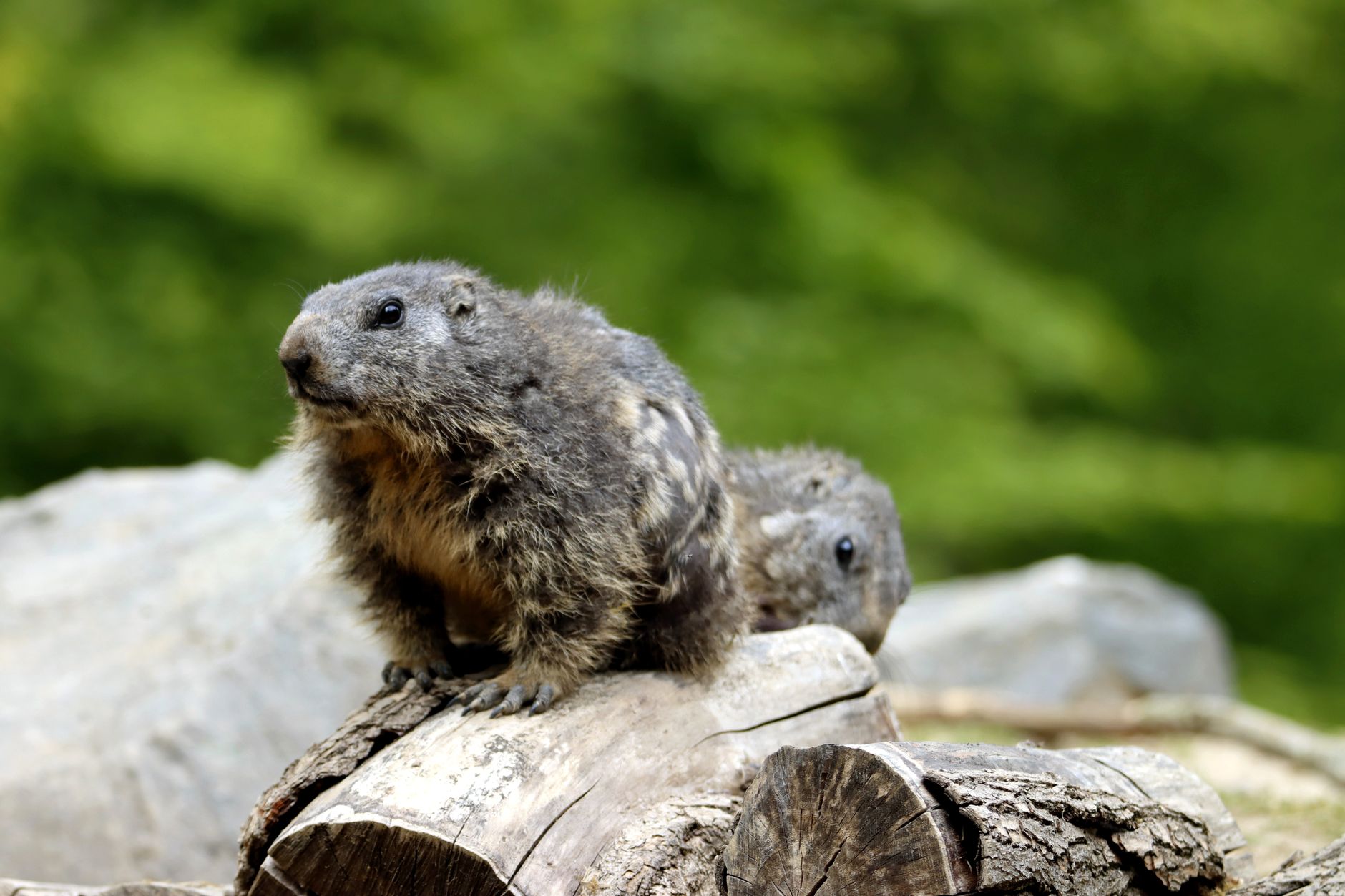
Groundhogs, also known as woodchucks ( Marmota monax), are more than just quirky rodents associated with weather predictions. While their forecasting accuracy is debatable, their impact on the environment is undeniably significant. This article delves into the various ecological roles these burrowing mammals play, revealing the surprising benefits they bring to their habitats. Often viewed as pests, understanding their contributions to the ecosystem is crucial for promoting coexistence and informed wildlife management. Do groundhogs serve a purpose? Absolutely, and that purpose extends far beyond predicting the arrival of spring.

What colours are fish most attracted to?
Can you put your finger in a trout's mouth?
Is methylene blue anti bacterial?
Does aquarium salt raise pH in aquarium?
Background: The Life of a Groundhog

Groundhogs are large, terrestrial rodents belonging to the squirrel family (Sciuridae). They are found throughout much of North America, inhabiting a wide range of habitats, from forests and fields to suburban areas. Their lives revolve around burrowing, feeding, and hibernation. They are primarily herbivores, consuming grasses, leaves, fruits, and occasionally insects.
The Benefits of Groundhog Burrowing
Groundhogs are master excavators, creating extensive burrow systems that can stretch for several feet and contain multiple entrances, chambers, and escape tunnels. This burrowing activity has profound effects on the environment:
- Soil Aeration and Drainage: Groundhog burrows improve soil aeration and drainage, allowing water and air to penetrate deeper into the soil. This benefits plant growth and reduces soil compaction.
- Nutrient Cycling: The process of digging and moving soil brings nutrients from deeper layers to the surface, making them available to plants. Their feces also act as a natural fertilizer.
- Habitat Creation for Other Animals: Abandoned groundhog burrows provide shelter for a wide variety of other animals, including rabbits, foxes, skunks, opossums, snakes, and even birds. They become important havens for these species, especially during harsh weather conditions or when seeking refuge from predators. This creates a trickle-down effect, enhancing biodiversity within the ecosystem.
Groundhogs and Plant Communities
Beyond their direct impact on the soil, groundhogs also influence plant communities through their feeding habits.
- Seed Dispersal: Although not their primary method of feeding, they occasionally disperse seeds through their fur or feces, contributing to plant propagation.
- Grazing and Foraging: Their grazing habits can influence the composition and diversity of plant species in their habitat. By selectively feeding on certain plants, they can prevent any single species from dominating, promoting a more balanced ecosystem.
- Creating Edge Habitat: Groundhogs often create edges between different habitat types, such as forests and meadows, which can increase biodiversity by providing habitat for species that thrive in edge environments.
Groundhogs as Part of the Food Chain
Groundhogs serve as a crucial link in the food chain, providing a food source for various predators.
- Prey for Predators: Coyotes, foxes, hawks, owls, eagles, and even bears prey on groundhogs. Their presence supports these predator populations and helps maintain a balanced ecosystem.
- Indicator Species: Changes in groundhog populations can indicate the overall health of the environment. Declining populations may signal habitat loss, pollution, or other environmental problems.
The “Pest” Perception: A Balancing Act
While groundhogs provide numerous ecological benefits, they can also be perceived as pests, particularly in agricultural and residential areas. Their burrowing can damage crops, undermine foundations, and create tripping hazards.
- Crop Damage: Groundhogs can cause significant damage to gardens and agricultural fields by feeding on crops.
- Structural Damage: Their burrows can undermine foundations, sidewalks, and driveways, leading to costly repairs.
- Human-Wildlife Conflict: Balancing the ecological benefits of groundhogs with the potential for human-wildlife conflict requires careful management and understanding.
Addressing Human-Wildlife Conflict
Managing groundhog populations requires a balanced approach that considers both their ecological role and the potential for conflict with humans. Methods include:
- Exclusion: Fencing, barriers, and other exclusion techniques can prevent groundhogs from accessing gardens and other vulnerable areas.
- Habitat Modification: Removing food sources and modifying habitat to make it less attractive to groundhogs can help reduce their presence.
- Trapping and Relocation (with permits): In some cases, trapping and relocating groundhogs may be necessary, but this should be done in accordance with local regulations and with consideration for the animal’s welfare.
- Live Trapping is often the best solution as it can capture animals without killing them.
- Repellents: There are some natural and chemical repellents available, however their effectiveness is inconsistent.
The Importance of Understanding Groundhog Ecology
Understanding the ecological role of groundhogs is crucial for making informed decisions about wildlife management. By recognizing the benefits they provide to the environment, we can develop more sustainable and humane approaches to managing their populations. Do groundhogs serve a purpose? The evidence overwhelmingly suggests they do, and that appreciating their role contributes to healthier ecosystems.
Frequently Asked Questions (FAQs)
Are groundhogs the same as woodchucks?
Yes, groundhogs and woodchucks are the same animal. The name “woodchuck” is thought to have originated from a misinterpretation of the Native American word for the animal.
How accurate are groundhogs at predicting the weather?
The tradition of Groundhog Day is fun, but groundhogs are not particularly accurate weather forecasters. Their emergence from hibernation is more closely tied to temperature and availability of food than to the overall weather patterns for the coming months.
What do groundhogs eat?
Groundhogs are primarily herbivores, consuming a wide variety of plants, including grasses, leaves, stems, fruits, and vegetables. They may also occasionally eat insects.
How long do groundhogs live?
In the wild, groundhogs typically live for 3 to 6 years. In captivity, they can live longer, sometimes up to 10 years.
When do groundhogs hibernate?
Groundhogs typically enter hibernation in the late fall or early winter, usually around October or November, and emerge in the early spring, around February or March.
Why do groundhogs burrow?
Groundhogs burrow for shelter, protection from predators, and to hibernate. Their burrows provide a safe and secure environment for them to live and raise their young.
Are groundhogs social animals?
Groundhogs are generally solitary animals, except during the breeding season. They typically only interact with each other to mate.
Do groundhogs carry diseases?
Groundhogs can carry diseases such as rabies, tularemia, and Lyme disease. However, the risk of contracting these diseases from groundhogs is relatively low. It is always best to avoid direct contact with wild animals.
What should I do if I find a groundhog in my yard?
If you find a groundhog in your yard, observe it from a distance and avoid direct contact. If it is causing damage to your property, you can try exclusion techniques or contact a wildlife professional for assistance.
How can I prevent groundhogs from damaging my garden?
You can prevent groundhogs from damaging your garden by installing fencing around the perimeter, using repellents, and removing potential food sources.
Are groundhogs protected by law?
In most areas, groundhogs are not protected by law and can be trapped or hunted. However, some local regulations may apply. Always check local regulations before taking any action.
What can I do to help groundhogs?
You can help groundhogs by protecting their habitat, avoiding the use of harmful pesticides, and promoting coexistence through responsible wildlife management practices. Recognizing that do groundhogs serve a purpose?, and acting accordingly, is the first step toward positive change.