

Do Goats Really Protect Chickens From Foxes? Unveiling the Barnyard Guardians
The question ‘Do goats protect chickens from foxes?‘ is complex. While not a guaranteed fox deterrent, goats can offer a degree of protection through their size, alertness, and territorial behavior.

The Allure of an Integrated Homestead: Chickens, Goats, and Foxes
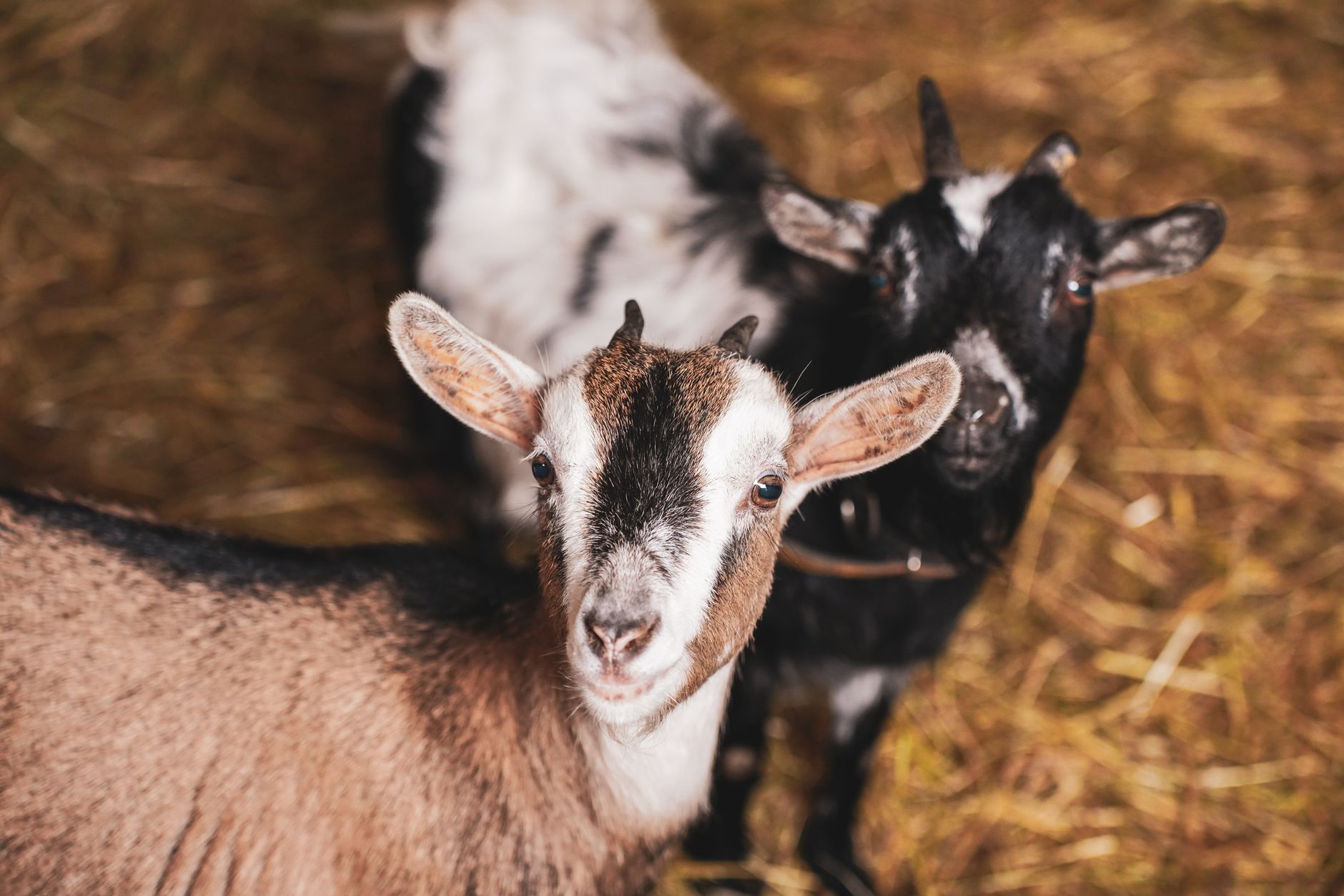
The idyllic image of a mixed-species homestead, where chickens peck peacefully alongside goats, is a dream for many small farmers and backyard enthusiasts. However, the reality of predator threats, especially from foxes, can quickly shatter this picture. Foxes are opportunistic hunters, and chickens, being relatively defenseless, are an easy target. This leads to the crucial question: Do goats protect chickens from foxes?
What colours are fish most attracted to?
Can you put your finger in a trout's mouth?
Is methylene blue anti bacterial?
Does aquarium salt raise pH in aquarium?
Goat Behavior and Potential Deterrent Effects

Goats, despite their reputation for being whimsical and mischievous, possess certain traits that could inadvertently deter foxes. These include:
- Size and Presence: Goats are significantly larger than chickens and can present an intimidating presence to a fox. A group of goats, especially larger breeds, might simply be too much trouble for a fox to bother with.
- Territoriality: Goats are territorial animals, especially bucks (male goats). They may instinctively defend their space, potentially driving away predators. This territoriality extends to their herd mates, which could include chickens.
- Alertness and Alarm Calls: Goats are generally alert and aware of their surroundings. They are quick to notice unusual activity and will often vocalize, creating a natural alarm system that could scare away a fox.
- Accidental Intervention: While not intentionally guarding chickens, goats might unintentionally disrupt a fox’s hunting attempt simply by being present and active in the area.
Limitations and Considerations
It’s crucial to acknowledge the limitations of relying solely on goats for chicken protection.
- Breed and Individual Temperament: Some goat breeds are more docile than others. Similarly, individual goats may vary in their level of alertness and territoriality.
- Fox Persistence: A hungry fox, particularly one with young to feed, may be persistent and willing to take risks despite the presence of goats.
- Age and Size of Goats: Young or small goats may be just as vulnerable to a determined fox as chickens.
- Nighttime Vulnerability: Goats, like chickens, are more vulnerable at night. Foxes are often most active during these hours.
- Goat-Chicken Compatibility: Not all goats and chickens get along. A goat might unintentionally injure or stress chickens, negating any potential protective benefits.
Best Practices for Integrated Livestock Management
If you’re considering keeping goats and chickens together with the hope of fox deterrence, these best practices are essential:
- Secure Housing: A well-built, predator-proof coop for chickens is non-negotiable. This provides essential nighttime protection.
- Fencing: A strong perimeter fence is crucial to keep both goats and foxes contained. Consider burying the fence to prevent digging.
- Guardian Animals: While goats may offer some protection, consider adding dedicated guardian animals like livestock guardian dogs (LGDs).
- Monitoring and Observation: Regularly observe your goats and chickens to assess their interactions and identify any potential problems.
- Supplemental Security: Employ other deterrents such as motion-activated lights, noise-making devices, or predator-scent deterrents.
Comparative Table: Goat Protection vs. Specialized Guardians
| Feature | Goats as Guardians | Livestock Guardian Dogs (LGDs) |
|---|---|---|
| Primary Purpose | Livestock Production (Milk, Meat, Fiber) | Predator Control |
| Training Required | Minimal (Basic Handling) | Extensive (Specific LGD Training) |
| Effectiveness | Variable; Depends on breed & temperament | High; Bred and trained for predator defense |
| Cost | Lower Initial Cost (Depending on breed) | Higher Initial Cost (Purchase & Training) |
| Maintenance | Moderate (Feed, Hoof Care) | Moderate (Feed, Veterinary Care) |
| 24/7 Protection | Limited (More vulnerable at night) | High (Active day and night) |
Do goats protect chickens from foxes? A realistic perspective
The short answer to the question ‘Do goats protect chickens from foxes?‘ is: they can contribute to a safer environment, but they are not a guaranteed solution. Relying solely on goats for fox control is risky. An integrated approach, combining secure housing, fencing, guardian animals, and other deterrents, provides the best protection for your chickens.
Frequently Asked Questions (FAQs)
What kind of goat breed is best for protecting chickens?
There’s no specific “chicken-guarding” goat breed. However, larger breeds like Boer or Nubian, known for their size and sometimes more assertive personalities, might be more likely to deter foxes than smaller, more docile breeds like Nigerian Dwarfs. Individual temperament is also crucial.
Are goats effective against all predators, or just foxes?
While goats might deter foxes, their effectiveness against other predators like coyotes, dogs, or birds of prey is less certain. Livestock guardian dogs are generally more effective against a wider range of predators.
Can goats and chickens live together peacefully?
It depends on the individual animals. Some goats and chickens coexist harmoniously, while others may exhibit aggressive behaviors. Careful introduction and ample space are essential to minimize conflict.
What are the potential drawbacks of keeping goats and chickens together?
Potential drawbacks include goats eating chicken feed, chickens spreading diseases to goats (and vice versa), and goats potentially injuring chickens, especially chicks. Close monitoring is crucial.
Will goats protect baby chicks from foxes?
Goats might deter a fox from approaching baby chicks, but they are unlikely to actively protect them. Chicks require dedicated, secure housing to protect them from all predators, including foxes.
How much space do goats and chickens need to coexist safely?
Ample space is crucial. Overcrowding can lead to stress, aggression, and increased disease risk. Aim for at least 10 square feet per chicken in the coop and 8 square feet per goat in their shelter, plus ample outdoor grazing space.
What kind of fencing is best for keeping foxes out and goats in?
A woven wire fence that is at least 5-6 feet tall, with small openings at the bottom to prevent foxes from squeezing through, is ideal. Burying the fence a foot or two deep can prevent digging.
What other predators pose a threat to chickens besides foxes?
Other common chicken predators include coyotes, raccoons, opossums, weasels, hawks, owls, dogs, and even cats. The specific predators in your area will dictate your protection strategies.
How can I tell if a fox is targeting my chickens?
Signs of fox activity include missing chickens, scattered feathers, tracks around the coop, and visual sightings of foxes. Prompt action is crucial to protect your flock.
Can I train my goats to be better protectors of chickens?
While you can’t “train” goats to actively guard chickens like you would a livestock guardian dog, you can encourage positive interactions through feeding practices and providing ample space. Focus on creating a harmonious environment.
What role does the rooster play in protecting chickens from foxes?
Roosters can provide some protection by sounding alarm calls and, in some cases, physically defending hens. However, a rooster is unlikely to deter a determined fox on its own.
Is it ethical to rely on goats to protect chickens if they are not fully effective?
This is a complex question. Prioritizing the welfare of both goats and chickens is paramount. Relying solely on goats without implementing other protective measures is generally considered unethical. A multi-faceted approach to predator control is essential to minimize risks.