

Do Gila Monsters Dig Holes? Unearthing the Truth
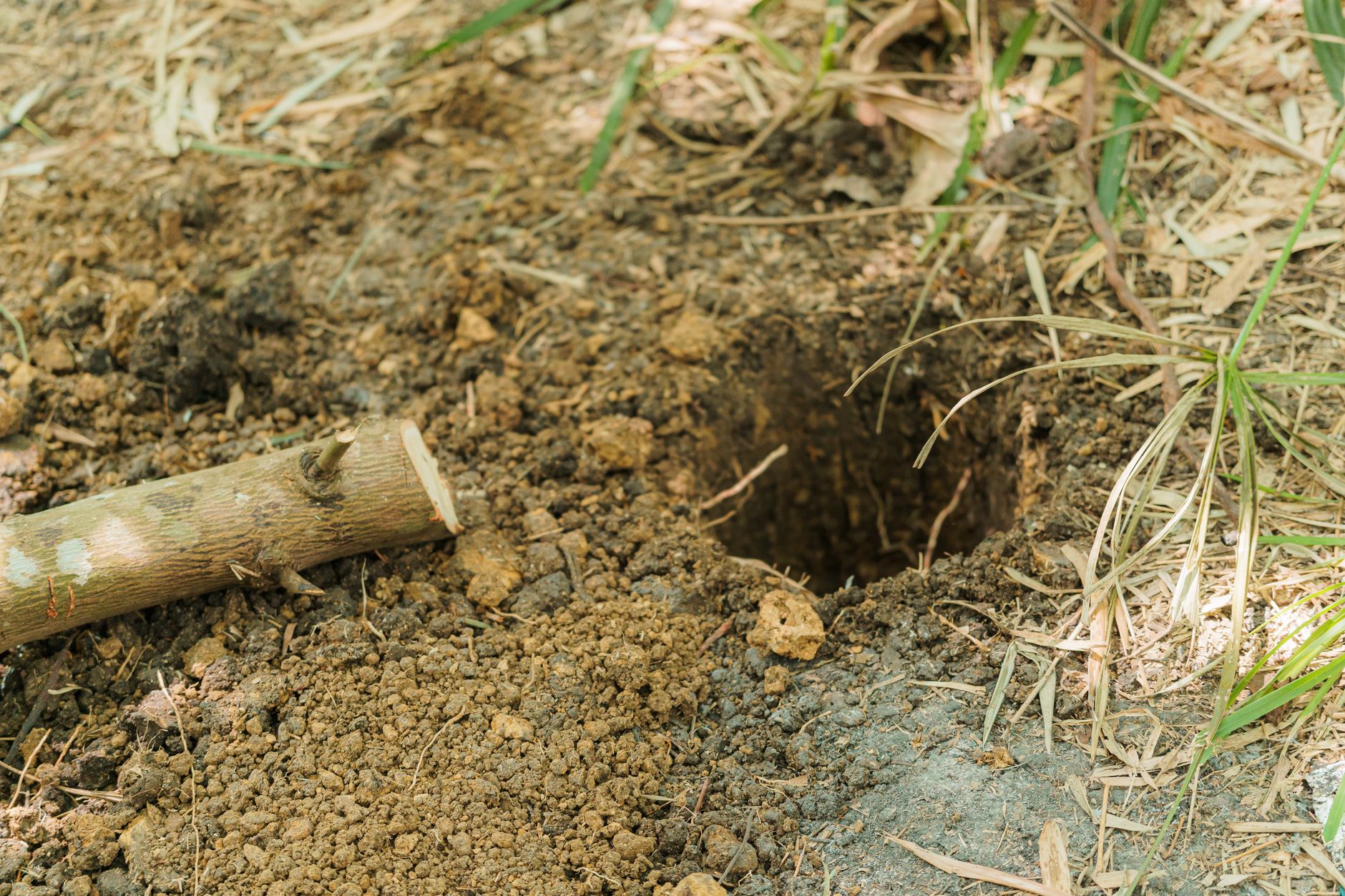
While Gila monsters may occasionally modify existing burrows, they are generally not considered primary excavators. These fascinating reptiles primarily utilize existing shelters found in their harsh desert environments.
The Desert Dweller’s Dependence on Existing Shelters
The Gila monster ( Heloderma suspectum) is a venomous lizard native to the southwestern United States and northwestern Mexico. Its survival hinges on its ability to regulate its body temperature, a challenge in the extreme desert climate. Therefore, they rely heavily on existing burrows, rock crevices, and other natural shelters to escape the intense heat and cold.
- Heloderma suspectum is nocturnal and crepuscular, meaning it’s most active during the cooler hours of the night and twilight.
- During the day, Gila monsters spend approximately 95% of their time underground, conserving energy and avoiding predators.
- These lizards have a low metabolic rate, which allows them to survive for extended periods without food or water, further reducing their need to create their own burrows.

What colours are fish most attracted to?
Can you put your finger in a trout's mouth?
Is methylene blue anti bacterial?
Does aquarium salt raise pH in aquarium?
Opportunistic Burrow Modification

While not known for digging new burrows, Gila monsters have been observed to modify existing structures to better suit their needs. This may involve widening an entrance, clearing debris, or deepening a shallow space. This opportunistic behavior is a testament to their adaptability.
- These modifications are typically minor and do not involve extensive excavation.
- They often utilize burrows created by other animals, such as rodents, tortoises, or snakes.
- The presence of a pre-existing structure significantly reduces the energy expenditure required for shelter.
Habitat Characteristics and Shelter Availability
The natural habitat of Gila monsters offers a diverse range of existing shelters. This abundance reduces the need for them to dig holes themselves.
- Rocky outcrops provide numerous crevices and shelters.
- Desert washes and arroyos often contain exposed root systems and eroded banks that offer readily available burrows.
- The presence of packrat middens creates a complex network of tunnels and chambers.
- The soil composition in their habitat varies, ranging from sandy to rocky, but generally is already disturbed.
Energy Conservation Strategies
The Gila monster’s physiological adaptations significantly reduce its need to dig holes. These include:
- Low Metabolic Rate: Enables survival on infrequent meals and reduces energy expenditure.
- Venom Delivery System: Allows for the capture of a wide range of prey with minimal energy output.
- Thick Skin: Provides protection from predators and reduces water loss.
Summary of Findings
| Fact | Implication for Digging Behavior |
|---|---|
| Predominantly nocturnal and crepuscular | Reduced exposure to extreme daytime heat |
| Low metabolic rate | Reduced energy expenditure |
| Dependence on existing shelters | Limited need to excavate new burrows |
| Opportunistic modification | Adaptation to existing environments |
Frequently Asked Questions
Is it impossible for a Gila monster to dig a hole?
No, it’s not impossible, but it’s highly unlikely. Gila monsters are physically capable of moving soil, but they generally prefer to utilize existing shelters due to the high energy cost of excavation.
What type of burrows do Gila monsters typically use?
They often utilize burrows created by rodents, tortoises, snakes, or natural formations like rock crevices and root systems.
Why don’t Gila monsters typically dig their own burrows?
The desert environment is harsh, and digging requires significant energy. Gila monsters have evolved to conserve energy by utilizing existing shelters.
Do baby Gila monsters dig holes?
Like adults, juvenile Gila monsters rely on existing shelters. Their small size makes digging even more challenging, so they are even more dependent on pre-existing burrows.
How do Gila monsters find burrows to live in?
Gila monsters are believed to use their sense of smell and heat-sensing capabilities to locate potential shelters.
Are there any instances of Gila monsters digging burrows?
While rare, some researchers have observed Gila monsters making minor modifications to existing burrows, such as widening the entrance or deepening the chamber.
Do Gila monsters hibernate in burrows?
Yes, during the colder months, Gila monsters will seek shelter in burrows to brumate (reptilian hibernation). These burrows are usually existing ones.
How deep are the burrows that Gila monsters use?
The depth of the burrows varies depending on the availability of shelters, but they are usually deep enough to provide protection from extreme temperatures and predators. Often around 1-2 feet deep.
Do Gila monsters share burrows with other animals?
Gila monsters may occasionally share burrows with other desert creatures, particularly if the burrow is large enough.
What happens if a Gila monster can’t find a burrow?
In the absence of a suitable burrow, a Gila monster may seek shelter under rocks, vegetation, or in other protected areas, although this is less ideal for thermoregulation.
Are Gila monsters endangered, and does lack of suitable burrow space affect them?
Gila monsters are not currently listed as endangered, but their populations are threatened by habitat loss and fragmentation. Lack of suitable burrow space due to habitat destruction can negatively impact their survival.
How does knowing whether Gila monsters dig holes help conservation efforts?
Understanding the sheltering habits of Gila monsters is essential for conservation efforts, as it highlights the importance of preserving natural habitats with existing burrow opportunities. This knowledge helps with land management and protection strategies.