
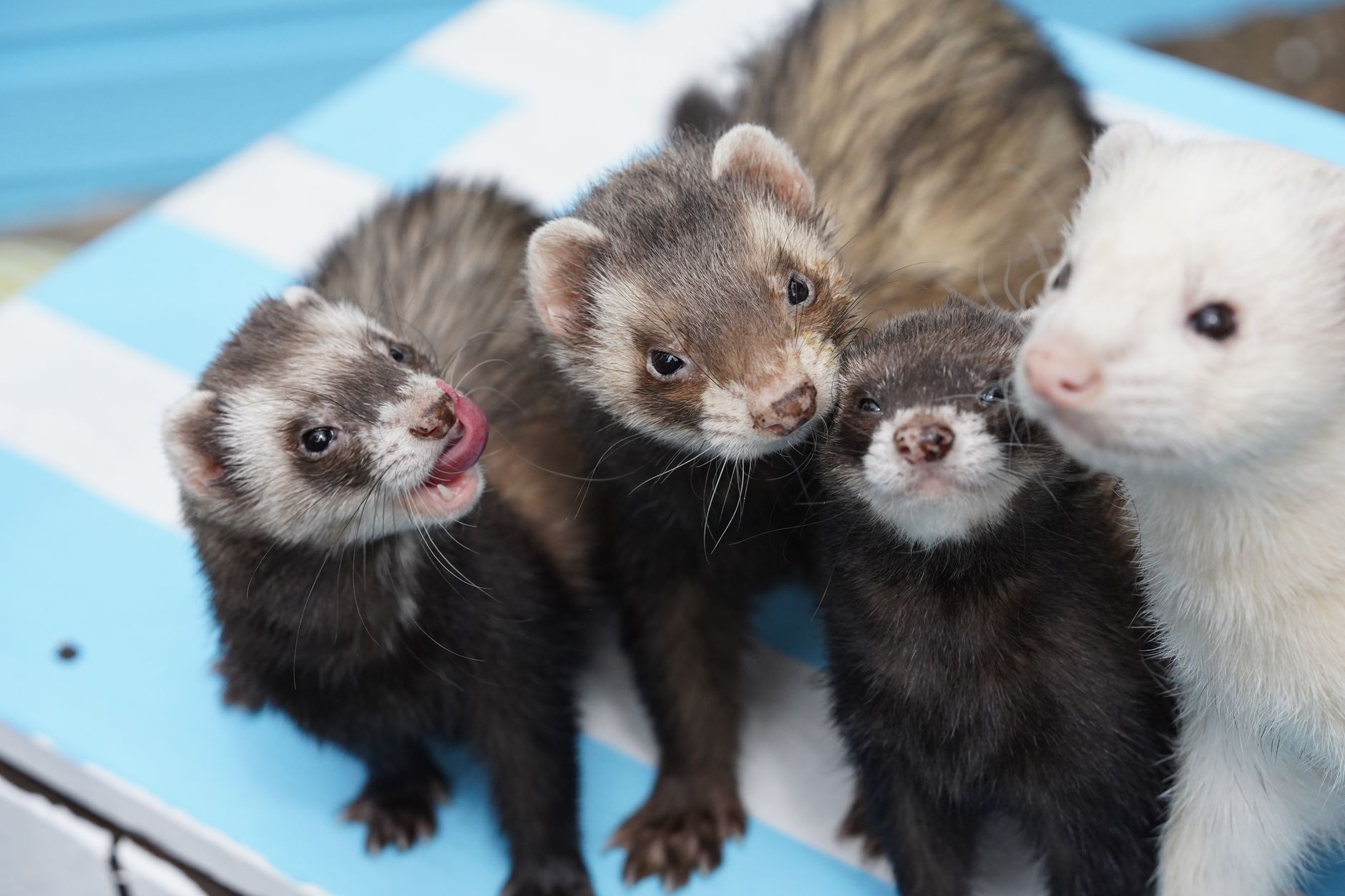
Do Ferrets Wag Their Tails? Unraveling the Mystery of Ferret Tail Language
Do ferrets wag their tails? Yes, ferrets do wag their tails, but unlike dogs, it’s not always an indication of happiness; instead, it’s often a sign of excitement, curiosity, or focused attention, sometimes even mild frustration.
Decoding the Ferret Tail: More Than Just a Wag
The question of whether ferrets wag their tails is deceptively simple. While the physical act of tail wagging is present, the meaning behind it is far more nuanced than the enthusiastic tail wags we associate with canine companions. Understanding a ferret’s tail language requires careful observation and consideration of the context. Their tail movements, along with other body language cues, are essential for interpreting their emotions and intentions.
What colours are fish most attracted to?
Can you put your finger in a trout's mouth?
Is methylene blue anti bacterial?
Does aquarium salt raise pH in aquarium?
The Anatomy of a Ferret Tail

Before diving into the reasons behind the wag, it’s important to understand the ferret tail itself. A ferret’s tail is a relatively short appendage, typically comprising about a third of their body length. It’s an extension of the spine and contains vertebrae, muscles, and nerves. While not prehensile (meaning they can’t grip things with it), the tail plays a crucial role in balance and communication. Unlike some animals, ferrets cannot naturally regrow their tails if it’s lost or severed.
Types of Ferret Tail Movements and Their Meanings
- The “Excited Wag”: This is perhaps the most common type of ferret tail wag. It is characterized by rapid, energetic movements, often accompanied by playful hopping or “dooking” (the ferret’s characteristic vocalization). This indicates high levels of excitement and anticipation.
- The “Focused Wag”: When a ferret is intently focused on something, such as a toy or a potential threat, they might exhibit a slower, more deliberate tail wag. This suggests curiosity and heightened awareness.
- The “Frustration Wag”: Sometimes, a ferret may wag its tail when it is frustrated or impatient. This wag tends to be more jerky and less fluid than the “excited wag.” It might be accompanied by attempts to get something they want or to escape from a confined space. Pay close attention to other body language to discern frustration.
- Puffed Tail: A tail that’s puffed up like a bottle brush is a sign the ferret is frightened or angry. It’s an attempt to make themselves look bigger and more intimidating. Consider a puffy tail a sign to back off.
- A Drooped or Tucked Tail: A tail that is consistently drooped or tucked between the legs can indicate illness, pain, or fear. This requires further investigation into the ferret’s behavior and overall health.
The Importance of Context
It is crucial to remember that do ferrets wag their tails? Yes, they do, but the interpretation of the wag is highly dependent on the surrounding circumstances. Consider these factors when interpreting a ferret’s tail language:
- Environment: Where is the ferret located? Are there other animals or people present?
- Body Language: What is the ferret’s posture? Are its ears perked up or flattened? Is it vocalizing?
- Recent Activity: What was the ferret doing just before the tail wagging began?
| Tail Movement | Possible Meaning | Accompanying Behaviors |
|---|---|---|
| Rapid, Energetic Wag | Excitement, Anticipation | Hopping, Dooking, Playful Biting |
| Slow, Deliberate Wag | Curiosity, Focused Attention | Staring, Head Tilting, Sniffing |
| Jerky, Uneven Wag | Frustration, Impatience | Scratching, Whining, Attempts to Escape |
| Puffed-Up Tail | Fear, Anger | Hissing, Back Arching, Attempting to Look Larger |
| Drooped or Tucked Tail | Illness, Pain, Fear | Lethargy, Loss of Appetite, Hiding |
Beyond the Tail: Reading a Ferret’s Overall Body Language
While the tail is a helpful indicator, it’s just one piece of the puzzle. Pay attention to the whole ferret:
- Ears: Upright ears typically indicate alertness and attentiveness. Flattened ears can signify fear or aggression.
- Posture: A relaxed, slinky posture suggests contentment. An arched back indicates fear or aggression.
- Vocalization: Dooking is a sign of happiness, while hissing and screeching indicate fear or anger.
- Facial Expression: While subtle, changes in facial expression, such as squinting or baring teeth, can provide valuable clues to a ferret’s emotional state.
Frequently Asked Questions (FAQs)
Are ferret tail wags similar to dog tail wags?
No, while both species use tail wags for communication, the meanings are often different. A dog’s wag often indicates happiness and friendliness, while a ferret’s wag is a more complex signal that can signify excitement, curiosity, frustration, or fear. Understanding the context is crucial when interpreting a ferret’s tail language.
Why do ferrets puff up their tails?
Ferrets puff up their tails as a defense mechanism. It’s an attempt to make themselves look larger and more intimidating to potential predators or perceived threats. This is a sign that the ferret feels threatened and needs space.
Is a drooped tail always a sign of illness?
Not always, but a drooped tail should always be taken seriously. While it can indicate illness or pain, it can also be a sign of fear or sadness. If your ferret’s tail is consistently drooped, consult with a veterinarian to rule out any underlying medical conditions.
Do all ferrets wag their tails?
Yes, most ferrets are capable of wagging their tails. However, the frequency and intensity of tail wagging can vary depending on the individual ferret’s personality and experiences. Some ferrets may be more expressive with their tails than others.
How can I tell the difference between an excited wag and a frustrated wag?
The key is to observe the accompanying behaviors. An excited wag is typically accompanied by playful hopping, dooking, and a relaxed posture. A frustrated wag is often jerky and uneven, and may be accompanied by scratching, whining, or attempts to escape. Pay attention to the whole picture.
What does it mean if a ferret bites while wagging its tail?
A ferret that bites while wagging its tail is likely exhibiting playful nipping, especially if it’s accompanied by hopping and dooking. However, if the bite is hard and the tail wag is jerky, it could be a sign of aggression or fear. Context and overall body language are crucial.
Is tail wagging a sign that my ferret wants to play?
Often, yes! An excited tail wag, especially when combined with hopping and dooking, is a strong indication that your ferret is in a playful mood. Offer them a toy or engage in some interactive play.
How important is it to understand my ferret’s tail language?
Understanding your ferret’s tail language is essential for building a strong bond and providing proper care. It allows you to interpret their emotions, anticipate their needs, and respond appropriately to their behavior. A happy, understood ferret is a healthier ferret.
Can a ferret’s tail language change over time?
Yes, a ferret’s tail language can evolve as they mature and develop their personality. They might also exhibit different tail movements depending on their experiences and environment. Continuous observation is key.
What if my ferret never wags its tail?
While less common, some ferrets may exhibit more subtle tail movements or wag their tails infrequently. If your ferret seems otherwise healthy and happy, this is likely just their individual personality. However, if you notice a sudden decrease in tail wagging, especially if accompanied by other signs of illness, consult with a veterinarian. Always err on the side of caution.
Do ferrets of different ages display different tail wags?
Yes, young ferrets, or kits, often display more enthusiastic and energetic tail wags due to their heightened levels of playfulness and curiosity. Older ferrets may exhibit more subtle or deliberate tail movements. Age can play a role in the nuances of tail language.
Can ferrets understand human tail language?
While ferrets likely do not understand the nuances of human body language in the same way we understand theirs, they are intelligent and observant creatures. They can learn to associate certain human behaviors with positive or negative outcomes. Consistent and clear communication is important for building a strong bond with your ferret.