
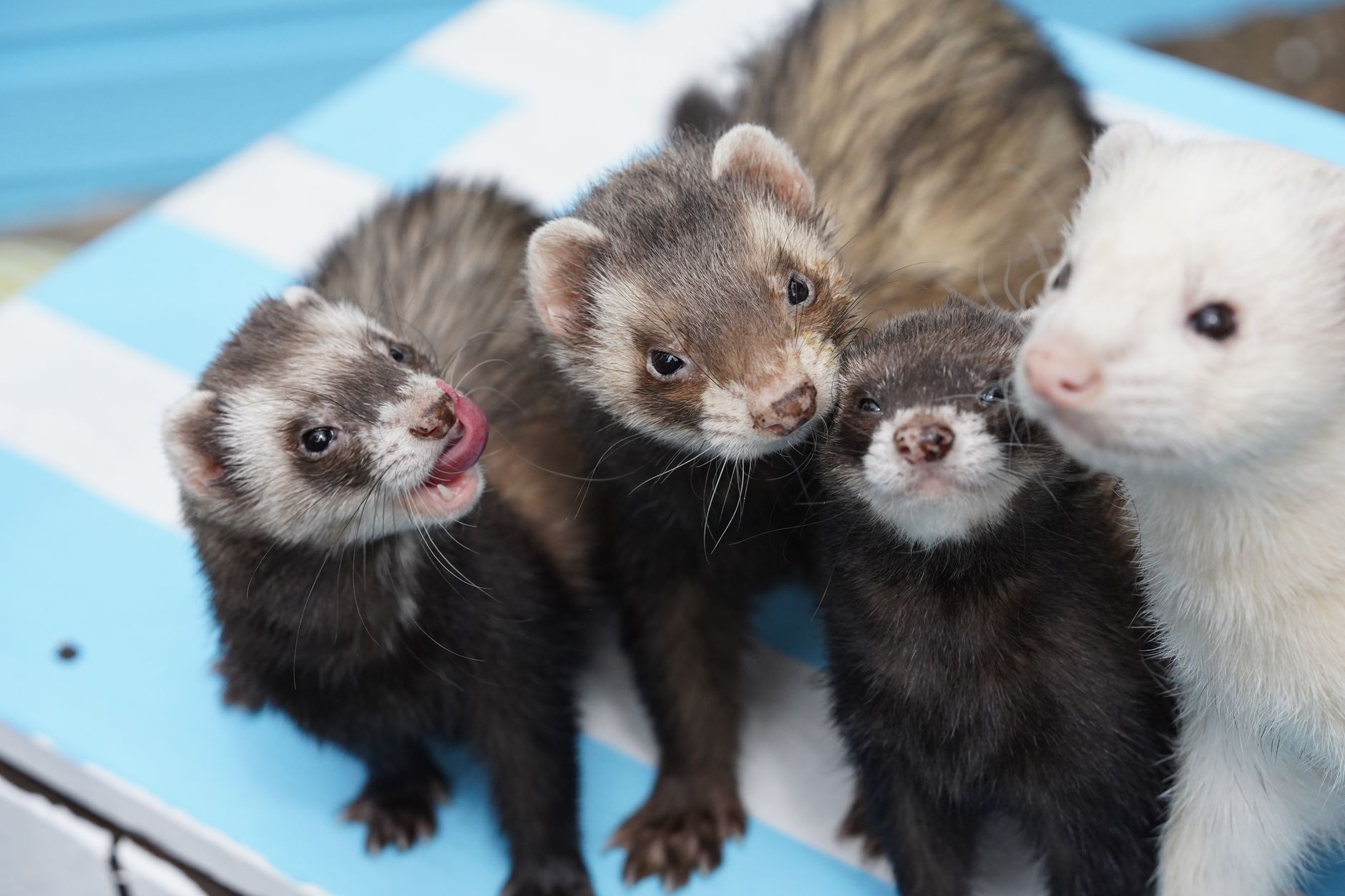
Do Ferrets Smell Like Fish? Unveiling the Truth About Ferret Odors
Do ferrets smell like fish? No, ferrets don’t inherently smell like fish, though their musk can sometimes be described as having a slightly oily or musky undertone that some people might perceive as distantly similar to fish.
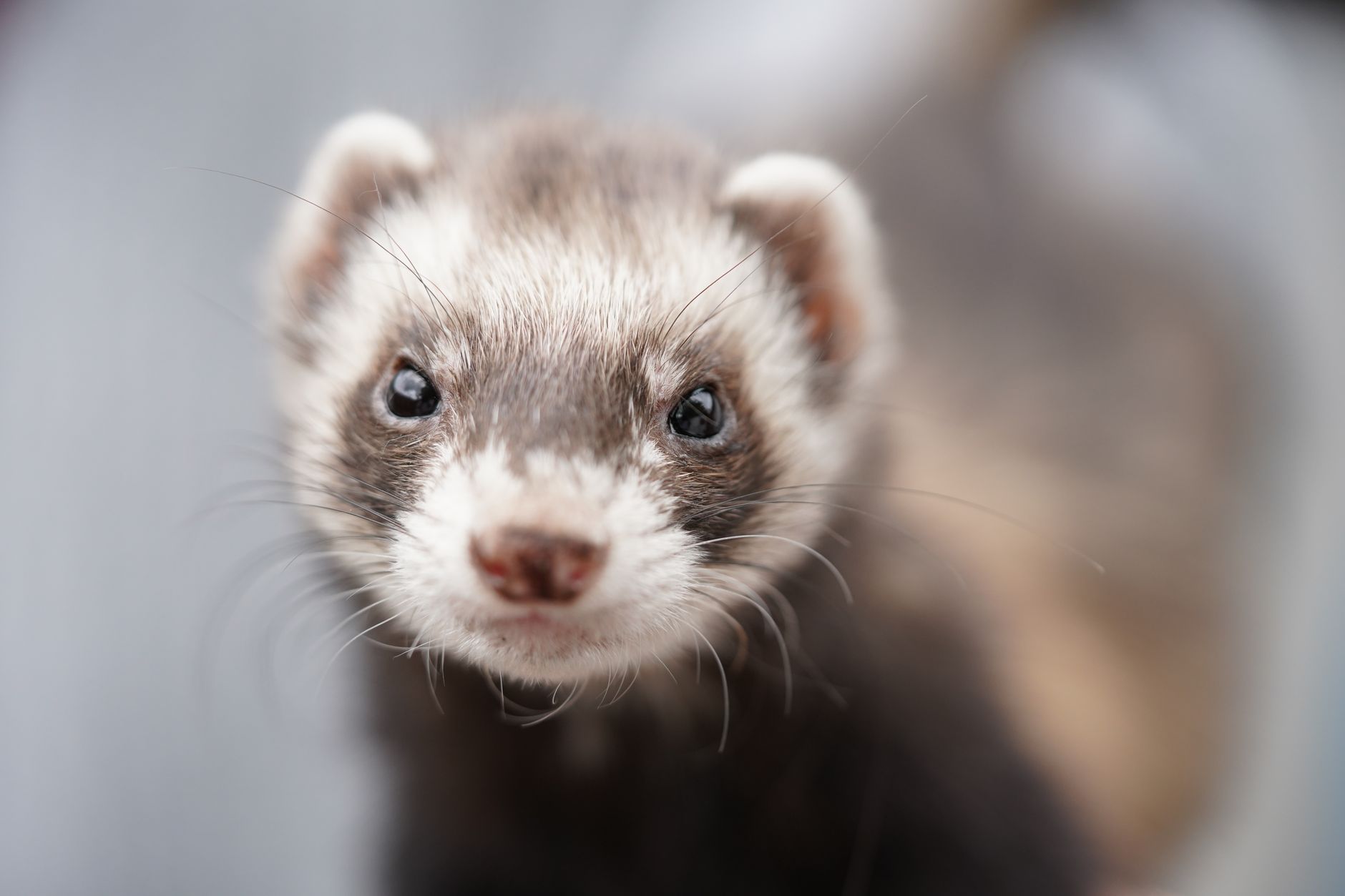
Understanding Ferret Odor: Beyond the Fishy Myth
The question “Do ferrets smell like fish?” often arises when potential owners consider welcoming these playful creatures into their homes. While ferrets do possess a distinctive odor, it’s important to understand its source and characteristics to dispel the myth of a purely “fishy” smell.
Are fish heads good for the garden?
Can fish hear water?
What is cotton rot in fish?
What colours are fish most attracted to?
The Source of Ferret Musk

Ferrets, like many animals, have scent glands located near their anus. These glands secrete a musky oil used for marking territory and communication. The intensity of this musk varies between individual ferrets and can be influenced by factors like diet, health, and whether the ferret is spayed/neutered. Unaltered ferrets, particularly males, tend to have a stronger musk.
Describing the Ferret Scent: More Than Just “Fishy”
The ferret scent is more accurately described as a combination of musky, slightly oily, and sometimes sweet. While some individuals might perceive a faint fishy undertone, it’s not the dominant characteristic. Imagine a blend of earthy tones with a hint of something animalistic; that’s a closer representation of the average ferret’s natural aroma.
Mitigating Ferret Odor: Keeping Things Fresh
While a certain degree of musk is unavoidable with ferrets, there are numerous steps you can take to minimize unpleasant odors and maintain a fresh-smelling environment. Good husbandry is key.
- Regular Cage Cleaning: This is the most crucial step. Clean the cage, bedding, and litter box daily to prevent the buildup of urine and feces, which contribute significantly to the overall odor.
- Proper Diet: A high-quality, ferret-specific diet is essential. Inexpensive or inappropriate foods can lead to digestive issues and stronger-smelling waste.
- Bathing (Sparingly): Over-bathing can strip the ferret’s coat of natural oils, leading to dry skin and, ironically, an increase in musk production as the glands work harder to compensate. Bathe your ferret only when absolutely necessary, using a ferret-specific shampoo.
- Ventilation: Ensure good airflow in the room where the ferret’s cage is located.
- Litter Box Choice: Opt for a litter specifically designed for small animals, such as recycled paper or wood pellets, as these tend to absorb odors more effectively than clay-based litters.
Spaying/Neutering: A Significant Difference
Spaying or neutering a ferret significantly reduces the intensity of its musk. This is because the hormones responsible for the production of strong-smelling oils are reduced after the procedure. If you’re concerned about odor, spaying or neutering is highly recommended.
Common Mistakes That Worsen Ferret Odor
Several common mistakes can exacerbate ferret odor problems:
- Infrequent Cleaning: Neglecting to clean the cage regularly allows urine and feces to accumulate, creating a breeding ground for bacteria and unpleasant smells.
- Poor Diet: Feeding a low-quality diet can lead to digestive issues and stronger-smelling waste.
- Over-Bathing: As mentioned earlier, over-bathing can backfire and increase musk production.
- Using Scented Products: Scented litters, shampoos, and cage cleaners can irritate the ferret’s skin and respiratory system. Stick to unscented, ferret-safe products.
- Ignoring Dental Hygiene: Poor dental hygiene can contribute to bad breath, which can add to the overall unpleasant odor. Brush your ferret’s teeth regularly with a ferret-safe toothpaste.
| Mistake | Consequence | Solution |
|---|---|---|
| Infrequent Cleaning | Buildup of urine and feces, strong odor | Clean cage daily, change bedding regularly |
| Poor Diet | Digestive issues, strong-smelling waste | Feed a high-quality, ferret-specific diet |
| Over-Bathing | Dry skin, increased musk production | Bathe only when necessary, use ferret-safe shampoo |
| Scented Products | Irritation, respiratory issues | Use unscented, ferret-safe products |
| Ignoring Dental Hygiene | Bad breath, contributes to overall unpleasant odor | Brush teeth regularly with ferret-safe toothpaste |
The Reality: A Manageable Musk
The truth is, do ferrets smell like fish? While a small amount of musk is expected with ferrets, it is entirely manageable with proper care and hygiene. The “fishy” smell is often an exaggeration or misinterpretation of the ferret’s natural scent. By understanding the source of the odor and implementing effective mitigation strategies, you can enjoy the companionship of these fascinating animals without being overwhelmed by unpleasant smells. The keyword, once again, is “Do ferrets smell like fish?”.
Frequently Asked Questions (FAQs) About Ferret Odor
How often should I bathe my ferret?
You should bathe your ferret only when absolutely necessary, typically no more than once or twice a month. Over-bathing can strip the coat of essential oils, leading to dry skin and increased musk production.
What kind of shampoo is best for ferrets?
Always use a shampoo specifically formulated for ferrets or kittens. Avoid using human shampoos, as these can be too harsh and drying. Look for a gentle, hypoallergenic formula.
How can I clean my ferret’s cage effectively?
Remove all bedding, toys, and food/water bowls. Wash the cage with warm, soapy water, and rinse thoroughly. You can also use a ferret-safe disinfectant to kill bacteria. Make sure the cage is completely dry before replacing the bedding and other items.
What are some signs that my ferret’s odor is abnormal?
If your ferret’s odor suddenly becomes significantly stronger or changes noticeably, it could indicate a health problem. Consult a veterinarian to rule out any underlying medical conditions, such as infected anal glands or dental issues.
Does diet really affect ferret odor?
Yes, diet plays a significant role in ferret odor. Feeding a high-quality, ferret-specific diet helps ensure proper digestion and minimizes unpleasant odors in their waste. Avoid foods that are high in carbohydrates or sugars, as these can contribute to digestive upset.
Are there any air purifiers that can help reduce ferret odor?
Yes, air purifiers with HEPA filters and activated carbon can help reduce ferret odor. The HEPA filter removes airborne particles, while the activated carbon filter absorbs odors.
Do female ferrets smell more than male ferrets?
Unaltered female ferrets, known as jills, can have a particularly strong odor when they are in heat. This is due to hormonal changes. Spaying a female ferret eliminates this cyclical odor.
Can I use essential oils to mask ferret odor?
Avoid using essential oils around ferrets. Many essential oils are toxic to them and can cause respiratory problems or skin irritation.
How can I keep my ferret’s teeth clean to minimize bad breath?
Brush your ferret’s teeth regularly with a ferret-safe toothpaste and toothbrush. You can also offer dental chews designed for ferrets to help remove plaque and tartar.
What type of bedding is best for odor control?
Avoid cedar or pine shavings, as these can be harmful to ferrets. Recycled paper bedding or fleece blankets are good options for odor control and comfort.
Is there anything else besides cleaning and bathing that can help reduce ferret odor?
Consider using a ferret-safe odor eliminator spray in the room where the cage is located. These sprays help neutralize odors without harming your ferret. Also, make sure your ferret has plenty of fresh water, as dehydration can worsen the smell of their urine.
If I’m still concerned about ferret odor, what should I do?
If you’ve implemented all of the above strategies and are still concerned about your ferret’s odor, consult with a veterinarian or a ferret expert. They can help you identify any underlying issues and provide personalized advice on managing the odor. Remember, do ferrets smell like fish? – it’s more complex than that, and usually manageable.