
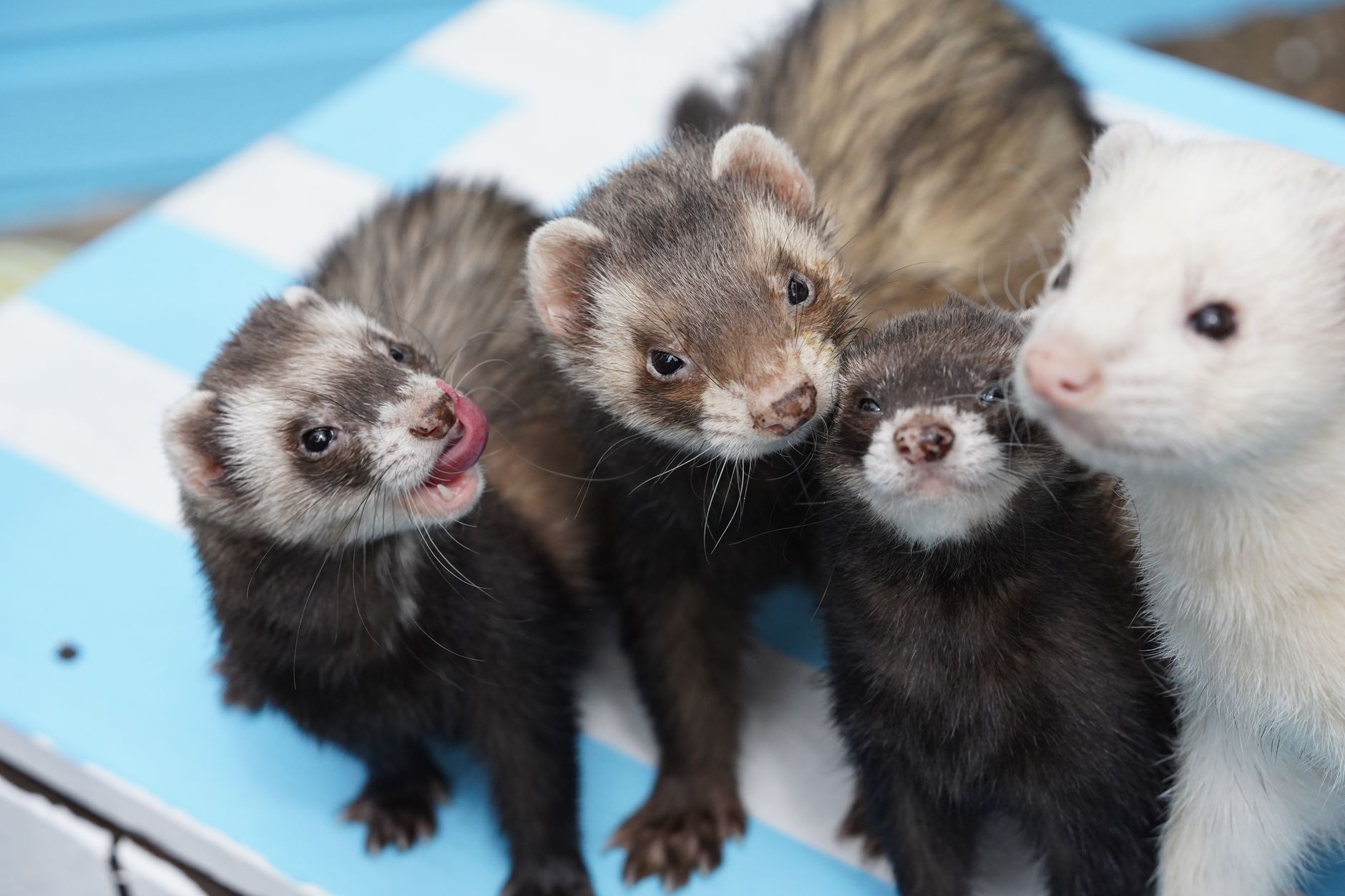
Do Ferrets Cough Up Hairballs?: Understanding Feline-Like Grooming in Ferrets
No, ferrets typically do not cough up hairballs like cats do. While ferrets groom themselves, their digestive system is different and better equipped to pass ingested fur, making hairball regurgitation much rarer.
Introduction: Ferrets and Fur
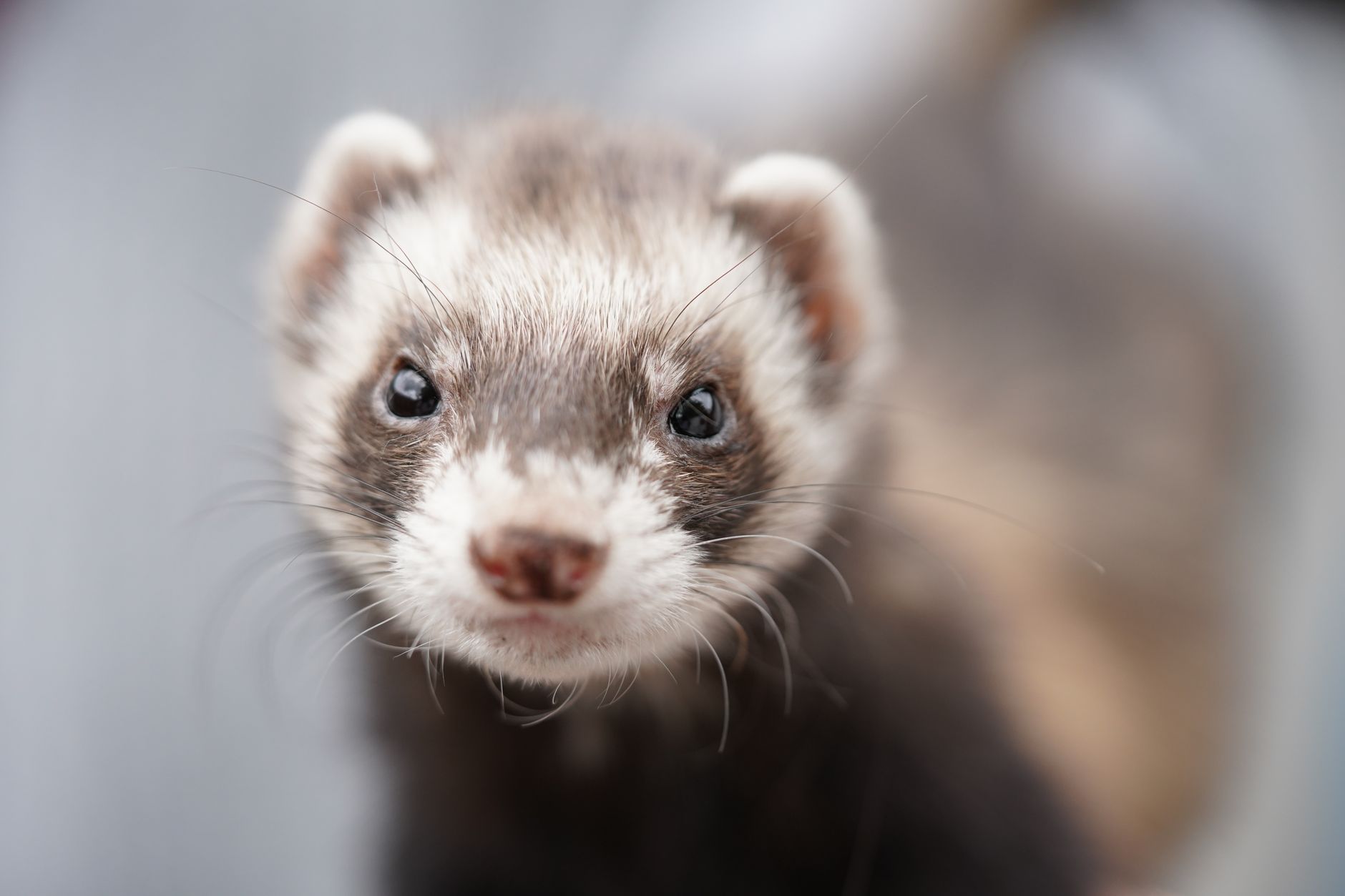
Ferrets are known for their playful antics and inquisitive nature. As pets, they require dedicated care, including understanding their unique biological functions. A common concern among ferret owners is whether they experience the same hairball issues as cats. While both animals groom themselves, their digestive systems handle ingested fur differently. This article will delve into the specifics of ferret grooming habits, digestive processes, and why Do ferrets cough up hairballs? is a question with a nuanced answer.

What colours are fish most attracted to?
Can you put your finger in a trout's mouth?
Is methylene blue anti bacterial?
Does aquarium salt raise pH in aquarium?
Ferret Grooming Habits
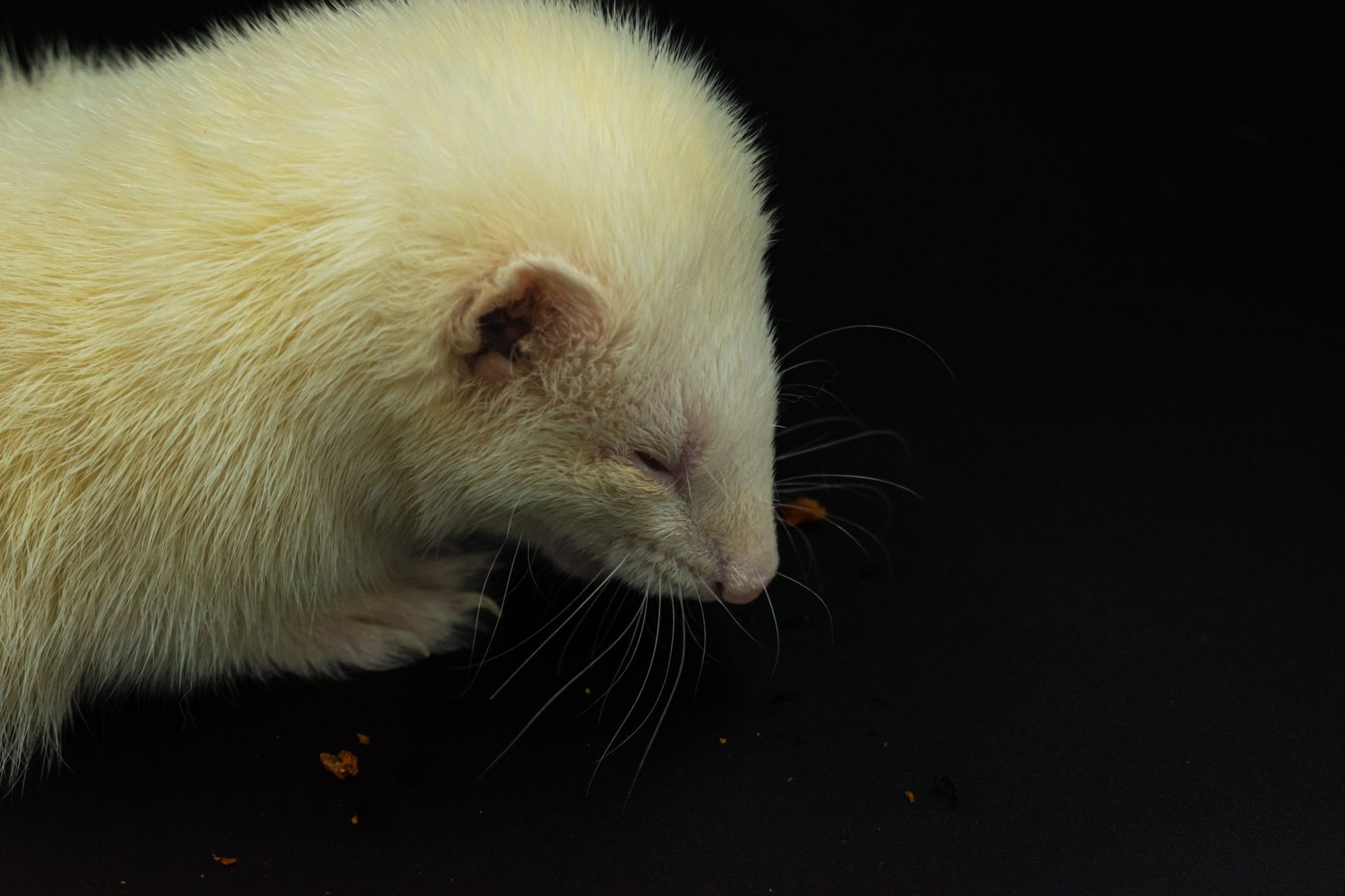
Ferrets are meticulous groomers, spending a significant portion of their day cleaning their fur. This self-grooming behavior inevitably leads to the ingestion of fur. Unlike cats, which have a more structured grooming routine aimed at removing loose fur, ferrets are often driven by habit and comfort.
- Self-grooming is a natural behavior.
- They use their tongues to clean their fur.
- Grooming helps maintain coat health.
Differences in Digestive Systems
The key reason why Do ferrets cough up hairballs? differently than cats lies in their digestive anatomy. Ferrets possess a shorter digestive tract and a more efficient system for moving material through. Their diet, primarily consisting of meat, also contributes to this efficiency.
- Shorter digestive tract: Allows for quicker passage of food and fur.
- Efficient digestive enzymes: Break down ingested material effectively.
- Meat-based diet: Contributes to smoother digestive process.
Why Hairballs are Rare in Ferrets
Although ferrets ingest fur, their digestive system usually manages to pass it through the intestinal tract and eliminate it in their feces. This is the main reason why hairballs are not a common occurrence. However, certain factors can increase the risk of hairballs, such as dehydration or underlying health conditions.
Signs and Symptoms of Potential Hairball Issues
While true hairballs are rare, ferrets can experience digestive issues related to fur ingestion. Recognizing these signs is crucial for timely intervention.
- Lethargy: A decrease in energy levels.
- Loss of appetite: Refusal to eat or reduced food intake.
- Constipation or straining to defecate.
- Changes in stool: Small, dry, or absent stools.
- Regurgitation (not necessarily a hairball, but a sign of digestive distress).
- Gagging or choking (less common, but requires immediate attention)
Preventative Measures for Hairball-Related Problems
Several preventative measures can help minimize the risk of fur-related digestive problems in ferrets.
- Regular Grooming: Brushing your ferret regularly helps remove loose fur before it can be ingested. Use a soft-bristled brush designed for small animals.
- Adequate Hydration: Ensure your ferret always has access to fresh, clean water. Dehydration can slow down the digestive process and increase the risk of fur accumulating.
- High-Quality Diet: Feed your ferret a high-quality, meat-based diet that is easily digestible. Avoid foods with excessive fiber, as they can interfere with digestion.
- Hairball Remedies (Use with Caution): Some ferret owners use hairball remedies designed for cats, but consult with a veterinarian first. These products can help lubricate the digestive tract and facilitate the passage of fur, but overusing them can lead to other health problems.
- Monitor Stool: Regularly check your ferret’s stool for signs of undigested fur.
When to Consult a Veterinarian
If you suspect your ferret is experiencing digestive issues related to fur ingestion, it’s essential to consult a veterinarian. They can diagnose the problem and recommend appropriate treatment.
Hairball Remedies and Alternatives
While commercial hairball remedies for cats can be used cautiously, there are other alternatives that are often preferred by ferret owners and veterinarians.
- Petroleum-based Laxatives: These can help lubricate the intestinal tract.
- Pumpkin Puree: A small amount of plain, unsweetened pumpkin puree can add fiber and aid digestion.
- Ferret Laxatives: Specifically formulated ferret laxatives.
| Remedy | Dosage | Caution |
|---|---|---|
| Petroleum Laxatives | As directed by veterinarian | Overuse can lead to nutrient malabsorption. |
| Pumpkin Puree | 1/4 – 1/2 teaspoon | Ensure it’s plain, unsweetened puree. |
| Ferret-Specific Laxatives | Follow product instructions | Monitor for any adverse reactions. |
Potential Complications
If fur ingestion leads to a blockage, it can cause serious complications. These may include:
- Gastrointestinal obstruction: A complete blockage that prevents the passage of food and waste. This is a life-threatening emergency.
- Dehydration: Caused by vomiting and decreased fluid intake.
- Electrolyte imbalances: Disruptions in the levels of essential minerals in the body.
- Peritonitis: Inflammation of the lining of the abdominal cavity, resulting from a ruptured intestinal tract.
Conclusion
While Do ferrets cough up hairballs?, The answer is generally no, due to their unique digestive system. However, fur ingestion can still cause digestive issues. By understanding ferret grooming habits, implementing preventative measures, and recognizing the signs of potential problems, you can help keep your ferret healthy and happy. Consulting a veterinarian for any concerns is always recommended.
Frequently Asked Questions (FAQs)
Why does my ferret sometimes gag or heave?
While not usually hairballs, gagging or heaving can indicate mild digestive upset or irritation. This could be due to eating too quickly, ingesting something indigestible, or a mild build-up of fur. If it persists, a vet visit is advised to rule out other underlying issues.
Is there a specific type of brush I should use on my ferret?
A soft-bristled brush designed for small animals is ideal. Avoid brushes with hard bristles that can irritate their skin. A rubber grooming mitt can also be used to gently remove loose fur.
Can I give my ferret the same hairball paste I give my cat?
Generally, it’s best to consult with a veterinarian before giving your ferret cat hairball paste. The ingredients and dosages might not be appropriate for ferrets, and some formulations could contain ingredients that are harmful.
What are the best foods for preventing fur-related digestive issues?
Choose a high-quality, meat-based ferret food that is easily digestible. Avoid foods with excessive fiber or plant-based ingredients, as ferrets have a limited ability to digest these.
How often should I groom my ferret?
The frequency of grooming depends on your ferret’s coat type and shedding patterns. Generally, brushing them 2-3 times a week is sufficient to remove loose fur. During shedding season, you may need to groom them more frequently.
Are there any natural remedies I can use to help my ferret pass fur?
A small amount of plain, unsweetened pumpkin puree can help add fiber and aid digestion. You can also try adding a small amount of olive oil to their food, as it can act as a natural lubricant. Always consult your veterinarian before introducing new items to your ferret’s diet.
What should I do if I notice my ferret is constipated?
Increase their water intake and consider adding a small amount of pumpkin puree to their diet. If the constipation persists for more than 24 hours, consult a veterinarian to rule out any underlying medical conditions.
Is it normal for my ferret to have some fur in their stool?
Yes, it’s normal to see small amounts of fur in your ferret’s stool. This indicates that their digestive system is effectively processing and eliminating ingested fur. However, large amounts of fur or a complete blockage warrants veterinary attention.
Can stress contribute to fur-related digestive problems in ferrets?
Yes, stress can affect a ferret’s digestive system, potentially slowing down the passage of food and fur. Providing a calm and enriching environment can help reduce stress levels and promote healthy digestion.
How can I tell if my ferret is dehydrated?
Signs of dehydration in ferrets include lethargy, sunken eyes, dry gums, and decreased skin elasticity. To test skin elasticity, gently pinch the skin on the back of their neck. If the skin doesn’t snap back quickly, your ferret may be dehydrated.
Are ferrets prone to hairballs with long hair?
Long-haired ferrets are prone to more fur ingestion; therefore, hairball preventative measures may be needed, but consult with your veterinarian first.
What is the main difference between cat and ferret digestion when it comes to fur?
The main difference lies in the length and efficiency of their digestive tracts. Ferrets have a shorter and more efficient system, allowing them to pass fur more easily than cats. This reduced transit time prevents the fur from clumping together to the same extent.