

Do Fawns Go in Heat? Unveiling the Reproductive Life of Young Deer
No, fawns generally do not go in heat in their first year. Their reproductive systems typically haven’t fully matured enough to participate in the annual breeding season.
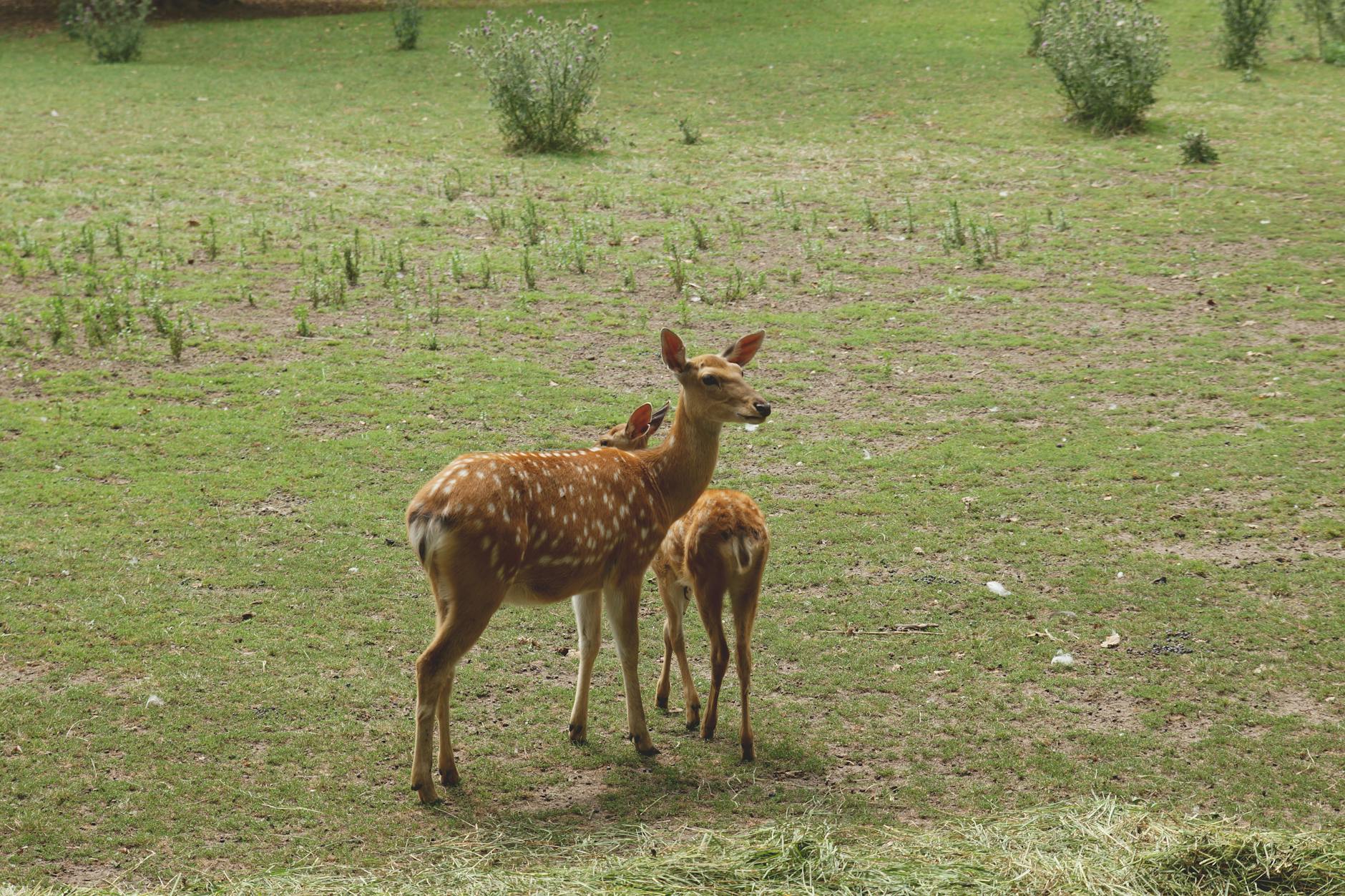
The Reproductive Timeline of White-Tailed Deer
Understanding whether fawns go in heat requires a grasp of the white-tailed deer’s (Odocoileus virginianus) reproductive cycle. Deer are seasonal breeders, meaning they breed during a specific time of year, generally from autumn to early winter in the Northern Hemisphere. This period is known as the rut. The timing is influenced by factors such as latitude, with deer in more northern regions experiencing a shorter, more intense rut.

What colours are fish most attracted to?
Can you put your finger in a trout's mouth?
Is methylene blue anti bacterial?
Does aquarium salt raise pH in aquarium?
The Female Deer Reproductive System

The female deer, or doe, has a reproductive system designed for producing fawns, typically one to three per pregnancy. Does reach sexual maturity at varying ages, but most fawns do not reach it in their first year. The estrous cycle, or heat, in does lasts approximately 24 hours. If a doe isn’t successfully bred, she will typically cycle again about 28 days later. This can continue for several cycles until she successfully conceives or the rut ends.
Why Fawns Don’t Typically Breed
Several factors contribute to why fawns rarely go into heat in their first year:
- Immature Reproductive System: A fawn’s reproductive organs are still developing. They may not have achieved the necessary hormonal balance to trigger estrus.
- Nutritional Demands: Fawns are still growing and developing, and their energy resources are primarily directed towards growth and survival rather than reproduction. Pregnancy and lactation would place significant additional nutritional demands on a young doe.
- Social Hierarchy: Even if a fawn were to come into heat, she may be prevented from breeding by older, more dominant does in the area. The rut is a competitive time, and young deer are less likely to be successful.
- Age is Important: Age has a big impact. Generally, only does who are at least 1.5 years old will go into heat.
Rare Exceptions: Early Maturity
While uncommon, there are rare instances where a fawn might reach sexual maturity and go into heat in her first year. This is more likely to occur in areas with abundant resources and favorable environmental conditions. In these cases, the fawn may experience an early estrous cycle. However, even in these situations, successful pregnancy is less likely due to the young doe’s smaller size and lower body weight.
The Impact of Environmental Factors
Environmental conditions play a crucial role in deer reproductive success, including the possibility (however unlikely) of very early first-year pregnancy in a fawn.
- Food Availability: Adequate food sources are essential for proper growth and development.
- Habitat Quality: Healthy habitats provide shelter and protection from predators.
- Climate: Extreme weather can negatively impact deer populations and reproductive success.
- Deer Density: Overpopulation can lead to increased competition for resources, potentially impacting fawn development.
Table: Key Differences Between Fawn and Adult Doe Reproductive Capabilities
| Feature | Fawn (First Year) | Adult Doe (1.5+ Years) |
|---|---|---|
| Sexual Maturity | Typically Immature | Fully Mature |
| Estrus Cycle | Usually Absent | Regular, Seasonal Cycles |
| Pregnancy Rate | Very Low, Rare | High |
| Fawn Production | Rare | Common |
| Body Size/Condition | Smaller, Still Developing | Larger, Mature |
Frequently Asked Questions (FAQs)
What is the average age that a doe first goes into heat?
The average age at which a doe first experiences heat is around 1.5 years old. While some may reach sexual maturity slightly earlier, it is not typical for fawns to cycle in their first year.
How can I tell if a doe is in heat?
Signs that a doe is in heat include increased activity, restlessness, frequent urination, and association with bucks. Bucks may also exhibit signs of courtship, such as following the doe closely and vocalizing.
Do male fawns reproduce in their first year?
Similar to female fawns, male fawns, or bucklings, rarely reproduce in their first year. Their antlers are typically small, and they are usually outcompeted by older, more dominant bucks during the rut.
What is the duration of the deer rut?
The duration of the deer rut varies depending on location and environmental conditions, but it typically lasts for several weeks, usually from late October through December in many parts of North America.
What factors determine when the rut begins?
Several factors influence the timing of the rut, including photoperiod (daylight hours), temperature, and the overall health and condition of the deer population.
Are there any risks associated with fawns becoming pregnant?
Yes, pregnancy can be very risky for fawns due to their smaller size and developing bodies. It can stunt their growth and increase their risk of complications during pregnancy and birth.
How many fawns does a doe typically have per year?
A doe typically has one to three fawns per pregnancy, with twins being the most common occurrence.
What is the gestation period for white-tailed deer?
The gestation period for white-tailed deer is approximately 200 days.
What is the survival rate of fawns?
Fawn survival rates vary depending on habitat quality, predator pressure, and weather conditions. The first few weeks of life are particularly critical.
What can I do to help deer populations in my area?
You can support deer populations by providing access to suitable habitat, protecting natural resources, and practicing responsible hunting and land management.
How does climate change impact deer reproduction?
Climate change can disrupt the timing of the rut and impact fawn survival by altering food availability, increasing the risk of extreme weather events, and changing predator-prey relationships.
Why is it important to understand the reproductive biology of deer?
Understanding the reproductive biology of deer is crucial for effective wildlife management. It helps biologists and managers make informed decisions about hunting regulations, habitat management, and conservation efforts to maintain healthy deer populations.