

Do Father Ducks Stay With Ducklings? The Truth About Paternal Duck Care
Generally, no, father ducks do not stay with ducklings. The responsibility of raising and protecting the young falls almost entirely on the mother duck in most species.

The Unconventional Role of the Drake: Fatherhood in the Duck World
While human societies often emphasize the role of fathers in raising children, the animal kingdom presents a far more diverse landscape. In the avian world, parental care varies greatly between species. When it comes to ducks, the story of fatherhood is a bit different. Do father ducks stay with ducklings? The answer is almost always no. Understanding why requires a look at their mating habits, parental investment strategies, and the evolutionary pressures that have shaped their behavior.

What colours are fish most attracted to?
Can you put your finger in a trout's mouth?
Is methylene blue anti bacterial?
Does aquarium salt raise pH in aquarium?
Why Father Ducks Leave: The Role of Mating Systems
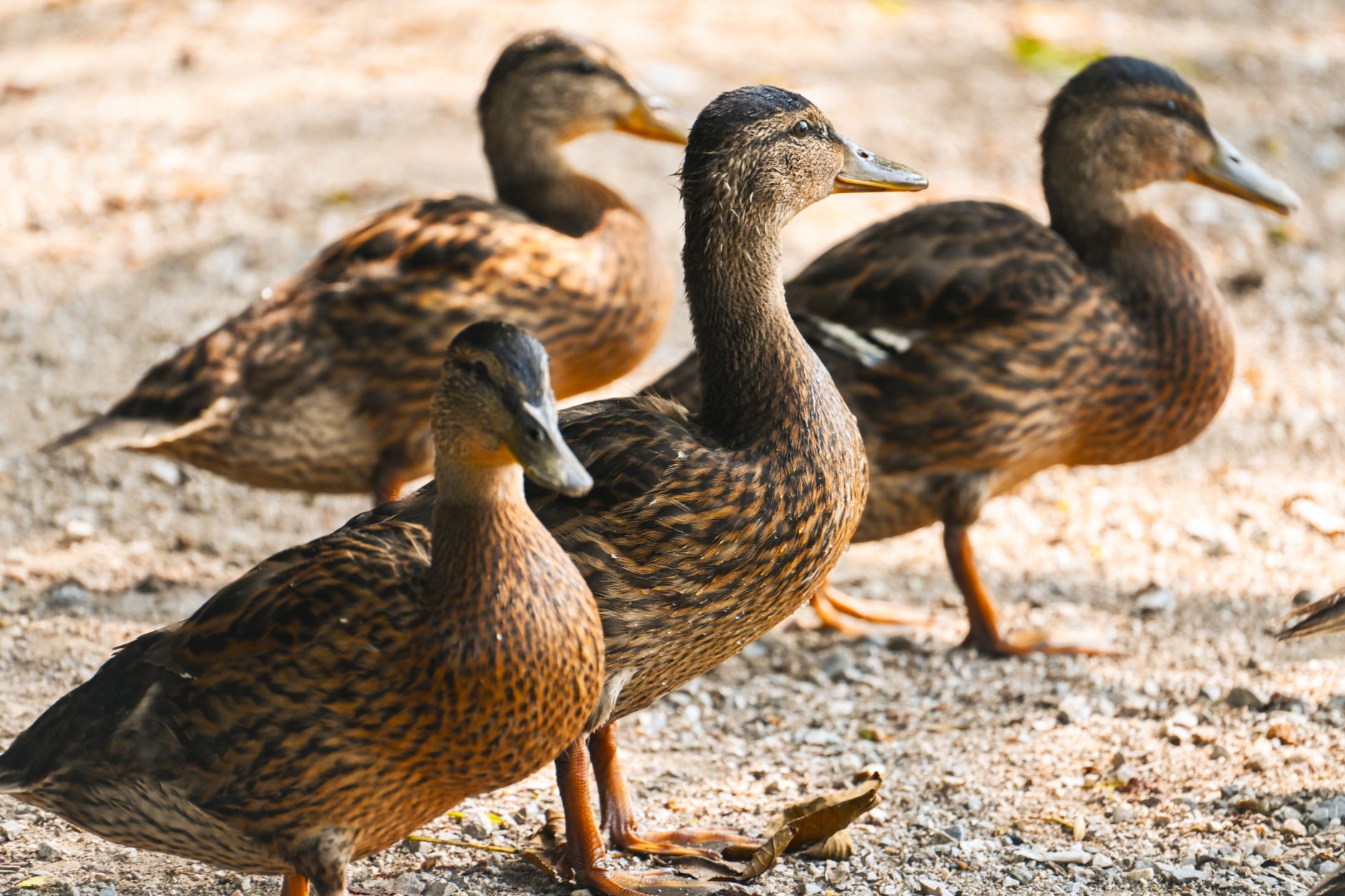
The primary reason father ducks typically don’t stay with ducklings boils down to mating systems. Most duck species are not monogamous.
- Promiscuity is Common: Drakes (male ducks) often mate with multiple females within a single breeding season. This means their genetic contribution is spread across several nests.
- Lack of Paternal Certainty: Because drakes don’t have guaranteed paternity, their incentive to invest in a single clutch of ducklings is reduced.
- Focus on Reproduction: The drake’s primary evolutionary drive is to reproduce. Remaining with ducklings limits his ability to find and mate with other females.
The Burden on the Hen: Maternal Investment
Conversely, the hen (female duck) invests heavily in her offspring, both before and after hatching.
- Egg Production: Producing eggs requires significant energy expenditure.
- Incubation: The hen incubates the eggs for several weeks, protecting them from predators and regulating their temperature.
- Duckling Care: After hatching, the hen guides, protects, and teaches the ducklings how to find food.
Essentially, the hen’s contribution is so significant that the drake’s additional input isn’t crucial for the ducklings’ survival. This division of labor, where the hen handles the majority of the parental duties, is an efficient strategy in many duck species.
Evolutionary Advantages of Absent Fathers
The lack of paternal care in ducks isn’t a simple oversight of nature. It’s an evolutionary strategy that benefits both the drake and the hen.
- Drake’s Perspective: By seeking out multiple mating opportunities, the drake maximizes his reproductive success, spreading his genes more widely.
- Hen’s Perspective: While the hen might benefit from paternal assistance, she can successfully raise ducklings on her own, particularly if the habitat provides adequate food and protection. Moreover, the presence of a male might even attract predators or interfere with her ability to manage the brood.
Rare Exceptions to the Rule
While uncommon, there are a few species where drakes exhibit some degree of parental care. These are exceptions rather than the rule.
- Muscovy Ducks: In some populations of Muscovy ducks, the drake may remain with the hen and ducklings for a short period, offering protection from predators.
- Swans and Geese: Swans and geese, which are close relatives of ducks, often form long-term pair bonds, and both parents participate in raising their young. These species differ from most ducks in their life history traits and social behavior.
- Captivity: Sometimes, in captivity where breeding dynamics are changed, a drake might display protective behavior towards ducklings. This is less about instinctive parenting and more a result of altered social environments.
Frequently Asked Questions (FAQs)
Do all ducks abandon their ducklings after mating?
No, not all ducks completely abandon their ducklings. The majority of species exhibit a behavior where the drake leaves after mating, with the hen taking sole responsibility. However, as previously mentioned, there are rare exceptions.
Why don’t father ducks help protect the ducklings?
The primary reason father ducks don’t typically help protect ducklings is because their evolutionary strategy focuses on maximizing mating opportunities. Their genetic contribution is best served by spreading their genes, not by investing in a single brood. The hen is perfectly capable of providing the necessary protection and guidance.
Are there any benefits to the mother duck raising the ducklings alone?
Yes, there can be. Without a drake, the hen has complete control over the brood’s movements and activities. She can select the best feeding locations and avoid areas where the presence of a male might attract predators or competition.
What happens to the father duck after he leaves the mother and ducklings?
After leaving the hen and potential ducklings, the father duck typically joins other drakes in a molting period. This is when they shed and regrow their feathers, becoming flightless for a few weeks. Once they’ve regained their flight feathers, they may begin searching for new mating opportunities.
How do ducklings survive without a father’s protection?
Ducklings primarily rely on their mother’s protection and guidance for survival. Hens are fiercely protective and will defend their young against predators. Ducklings also benefit from their cryptic coloration, which helps them blend into their surroundings.
Do father ducks ever recognize their own ducklings?
It is unlikely that father ducks recognize their own ducklings. Their parental instinct is not geared towards individual recognition or long-term care of specific offspring. Their focus remains on reproduction with multiple partners.
Are there any studies on paternal care in ducks?
While the topic of paternal care in ducks is not extensively studied due to its rarity, some research has explored the evolutionary reasons behind the lack of paternal investment. Studies often focus on the mating systems and parental investment strategies of different duck species.
How does the environment affect paternal care in ducks?
Environmental factors such as food availability and predator pressure can indirectly influence paternal behavior. In environments with abundant resources and low predation risk, the hen may be more successful in raising ducklings alone, further diminishing the need for paternal assistance.
Are there any hybrid duck species where the father stays with the ducklings?
Hybrid ducks are not typically known for displaying unusual paternal care behaviors. The dominant mating system of their parent species usually dictates their parental behavior.
What is the role of imprinting in duckling development?
Imprinting is a critical learning process for ducklings. Shortly after hatching, they form a strong bond with the first moving object they see, which is usually their mother. This bond guides their behavior and helps them learn essential survival skills.
Can humans influence paternal behavior in ducks through domestication?
Domestication can sometimes alter animal behavior, but it rarely induces paternal care in duck species that do not typically exhibit it. However, captive environments can create unique social dynamics, leading to atypical behaviors.
Do father ducks ever compete with each other for access to ducklings?
Given that father ducks typically do not stay with ducklings, competition for access to the young is uncommon. Drakes are more likely to compete for access to mating opportunities rather than parental duties.