

Echinoderm Reproduction: Sexual and Asexual Strategies in Starfish, Sea Urchins, and More
Echinoderms, a diverse group including starfish, sea urchins, and sea cucumbers, exhibit both sexual and asexual reproduction, allowing for adaptation and survival in varied marine environments. Do echinoderms reproduce sexually or asexually? Yes, they do both, employing different strategies depending on environmental conditions and species-specific characteristics.
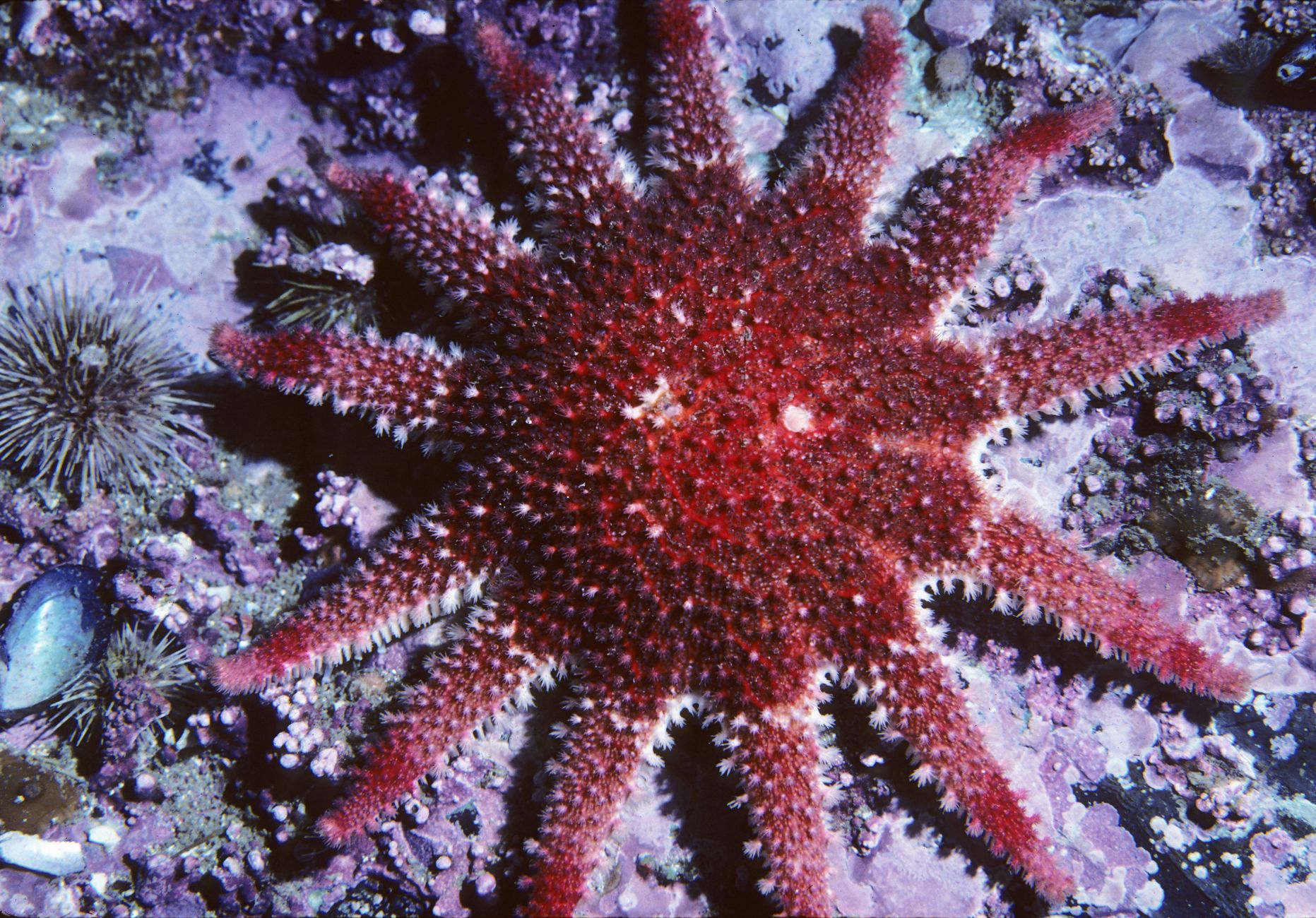
Introduction to Echinoderm Reproduction
Echinoderms, a phylum of marine animals characterized by their radial symmetry and water vascular system, present a fascinating case study in reproductive diversity. Their reproductive strategies, ranging from broadcast spawning to fragmentation, reflect their adaptability and evolutionary success. Understanding these methods provides valuable insights into marine ecology and invertebrate biology.

What colours are fish most attracted to?
Can you put your finger in a trout's mouth?
Is methylene blue anti bacterial?
Does aquarium salt raise pH in aquarium?
Sexual Reproduction in Echinoderms

The most prevalent form of reproduction in echinoderms is sexual reproduction. This process involves the fusion of gametes (sperm and eggs) to produce offspring with genetic variation.
- Broadcast Spawning: This is the most common method. Mature echinoderms release their eggs and sperm into the water column, relying on water currents to facilitate fertilization. The sheer volume of gametes released increases the likelihood of successful fertilization.
- Timing and Synchronization: Spawning events are often synchronized with environmental cues such as lunar cycles, water temperature, and food availability. This synchronization maximizes fertilization success.
- Development: Following fertilization, the planktonic larvae develop. These larvae drift in the water column, feeding and growing before eventually settling and undergoing metamorphosis into their adult form.
Asexual Reproduction in Echinoderms
While less common than sexual reproduction, asexual reproduction plays a significant role in the life cycle of some echinoderm species. This method allows for rapid population growth and regeneration of lost body parts.
- Fragmentation: This involves the division of an individual into two or more pieces, each capable of regenerating into a complete organism. Starfish are particularly well-known for their ability to regenerate lost arms, and in some species, a single arm can regenerate into an entire new starfish.
- Fission: Some sea cucumbers reproduce asexually through fission, where the body divides transversely into two halves, each regenerating the missing portion.
- Budding: Although less common, budding can occur in some echinoderms, where a new individual grows out of the parent’s body.
Factors Influencing Reproductive Strategies
The choice between sexual and asexual reproduction in echinoderms is influenced by a variety of factors:
- Environmental Conditions: Stable and resource-rich environments may favor asexual reproduction for rapid population growth.
- Predation Pressure: Asexual reproduction can allow for quick replacement of lost body parts due to predation.
- Genetic Diversity: Sexual reproduction promotes genetic diversity, which can be advantageous in fluctuating environments.
Benefits and Drawbacks of Sexual vs. Asexual Reproduction
The following table summarizes the key differences between sexual and asexual reproduction in echinoderms.
| Feature | Sexual Reproduction | Asexual Reproduction |
|---|---|---|
| Genetic Diversity | High; offspring are genetically unique | Low; offspring are genetically identical to the parent |
| Rate of Reproduction | Slower; requires finding a mate and fertilization | Faster; does not require a mate |
| Energy Expenditure | Higher; requires gamete production and spawning | Lower; less energy intensive |
| Adaptation | Greater potential for adaptation to changing conditions | Limited ability to adapt to new conditions |
Common Misconceptions About Echinoderm Reproduction
Many misunderstandings exist regarding echinoderm reproduction, including the belief that all starfish can regenerate from any arm fragment, and that all echinoderms are equally adept at both sexual and asexual reproduction. The ability to regenerate and reproduce asexually varies greatly between species.
Examples of Echinoderm Reproductive Strategies
- Starfish (Asteroidea): Commonly use broadcast spawning for sexual reproduction and fragmentation for asexual reproduction. Some species require a portion of the central disc to be present for regeneration.
- Sea Urchins (Echinoidea): Primarily reproduce sexually via broadcast spawning. They exhibit synchronized spawning events.
- Sea Cucumbers (Holothuroidea): Can reproduce both sexually and asexually. Asexual reproduction is achieved through fission in some species.
- Brittle Stars (Ophiuroidea): Often reproduce asexually through fragmentation, easily shedding arms for escape or reproduction.
- Sea Lilies (Crinoidea): Predominantly reproduce sexually, with limited known asexual reproduction.
The Role of Reproduction in Echinoderm Population Dynamics
Reproductive strategies significantly influence echinoderm population dynamics. Sexual reproduction maintains genetic diversity, allowing populations to adapt to changing environments. Asexual reproduction enables rapid population expansion in favorable conditions. Understanding these processes is crucial for effective marine conservation and management.
Conservation Implications
Understanding do echinoderms reproduce sexually or asexually? is also vital for conservation efforts, especially in the face of habitat degradation and climate change. Protecting spawning grounds, managing harvesting practices, and mitigating pollution are essential for maintaining healthy echinoderm populations.
Frequently Asked Questions (FAQs)
Can all starfish regenerate a whole body from a single arm?
No, not all starfish can regenerate a whole body from a single arm. While starfish are renowned for their regenerative abilities, this capability varies significantly between species. Generally, the arm must contain a portion of the central disc, which houses vital organs, to successfully regenerate into a complete organism. Some species can regenerate more easily than others, even with just a small portion of the disc.
Why do echinoderms often synchronize their spawning events?
Echinoderms synchronize their spawning events to maximize the chances of fertilization. By releasing sperm and eggs simultaneously, they increase the concentration of gametes in the water, thereby boosting the likelihood of sperm encountering eggs. This synchronization is often triggered by environmental cues such as lunar cycles, temperature changes, and pheromones.
What is broadcast spawning?
Broadcast spawning is a method of sexual reproduction where echinoderms release their eggs and sperm directly into the water column. This is a common strategy among marine invertebrates. Fertilization occurs externally, as sperm and eggs meet in the open water. The resulting larvae then develop into planktonic forms before settling and metamorphosing into adults.
How does asexual reproduction benefit echinoderm populations?
Asexual reproduction benefits echinoderm populations by allowing for rapid population growth in stable and favorable conditions. It requires less energy than sexual reproduction and does not require finding a mate, enabling echinoderms to quickly colonize new areas or recover from disturbances. Fragmentation also allows for the regeneration of body parts lost to predation or injury.
Are echinoderm larvae vulnerable?
Yes, echinoderm larvae are particularly vulnerable to predation and environmental changes. As planktonic organisms, they drift in the water column and are exposed to a wide range of predators, including fish, filter feeders, and other invertebrates. Changes in water temperature, salinity, and pollution levels can also significantly impact larval survival rates.
What role do environmental cues play in echinoderm reproduction?
Environmental cues play a critical role in regulating echinoderm reproductive cycles. Factors such as lunar cycles, water temperature, salinity, food availability, and photoperiod (day length) can trigger spawning events and influence the timing of gamete release. These cues ensure that reproduction occurs at the most opportune time, maximizing the chances of successful fertilization and larval survival.
What happens to echinoderm larvae after fertilization?
After fertilization, echinoderm larvae develop into planktonic forms that drift in the water column. These larvae feed on phytoplankton and other microorganisms, growing and developing through several distinct larval stages. Eventually, they undergo metamorphosis, settling onto the seabed and transforming into their adult form. The duration of the larval stage varies between species.
Do all echinoderms use both sexual and asexual reproduction?
No, not all echinoderms employ both sexual and asexual reproduction. While some species utilize both methods, others rely primarily on one or the other. For example, sea urchins mainly reproduce sexually, while some starfish and brittle star species frequently reproduce asexually through fragmentation. The reproductive strategy depends on the species and the environmental conditions.
How does pollution affect echinoderm reproduction?
Pollution can significantly impair echinoderm reproduction. Exposure to pollutants such as heavy metals, pesticides, and oil spills can disrupt hormone signaling, reduce gamete viability, and inhibit larval development. Pollution can also damage spawning grounds and reduce the overall health of echinoderm populations, leading to decreased reproductive success.
What is the significance of genetic diversity in echinoderm populations?
Genetic diversity is crucial for the long-term survival and adaptability of echinoderm populations. Sexual reproduction promotes genetic diversity, allowing populations to adapt to changing environmental conditions, resist diseases, and evolve over time. Populations with low genetic diversity are more vulnerable to extinction.
Can echinoderms change their reproductive strategy in response to environmental changes?
While echinoderms cannot consciously choose their reproductive strategy, environmental changes can influence the frequency of sexual versus asexual reproduction. For example, in stable environments, asexual reproduction might become more prevalent, while in fluctuating environments, sexual reproduction may be favored due to its ability to generate genetic diversity. This is more of a shift in population dynamics than an individual choice.
How are echinoderms important to marine ecosystems?
Echinoderms play vital roles in marine ecosystems. They are important predators, grazers, and detritivores, helping to regulate populations of other marine organisms and maintain the health of benthic habitats. Some echinoderms, like sea urchins, can also be important indicators of environmental health, and their presence or absence can reflect the overall condition of the ecosystem.