

Do Dolphins Get Tired of Swimming? A Deep Dive
While dolphins are incredibly adapted to aquatic life, they do experience fatigue, but their unique physiology and behavior minimize the impact, allowing them to swim almost constantly throughout their lives. They don’t get tired in the same way land mammals do.
The Aquatic Life of a Dolphin: A Constant Motion
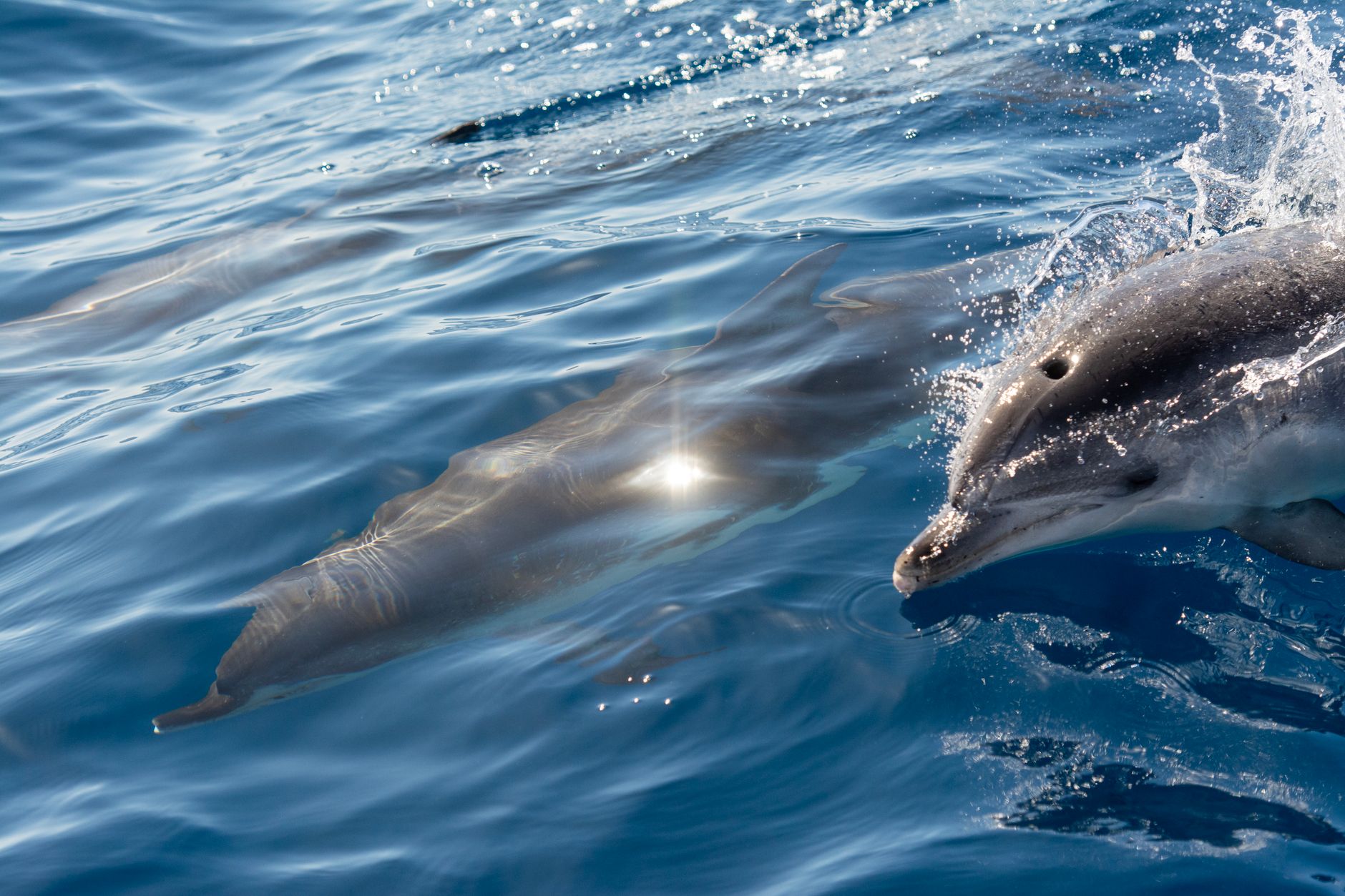
Dolphins, symbols of intelligence and grace, are marvels of evolutionary adaptation to the aquatic realm. But does their life spent almost entirely in motion mean they never tire? Understanding their physiology and behavior provides a nuanced answer. It’s not a simple ‘yes’ or ‘no’ but rather an explanation of how they manage energy expenditure in a constant swim.

Is distilled water good for goldfish?
What colours are fish most attracted to?
Can you put your finger in a trout's mouth?
Is methylene blue anti bacterial?
Dolphin Physiology: Optimized for Endurance
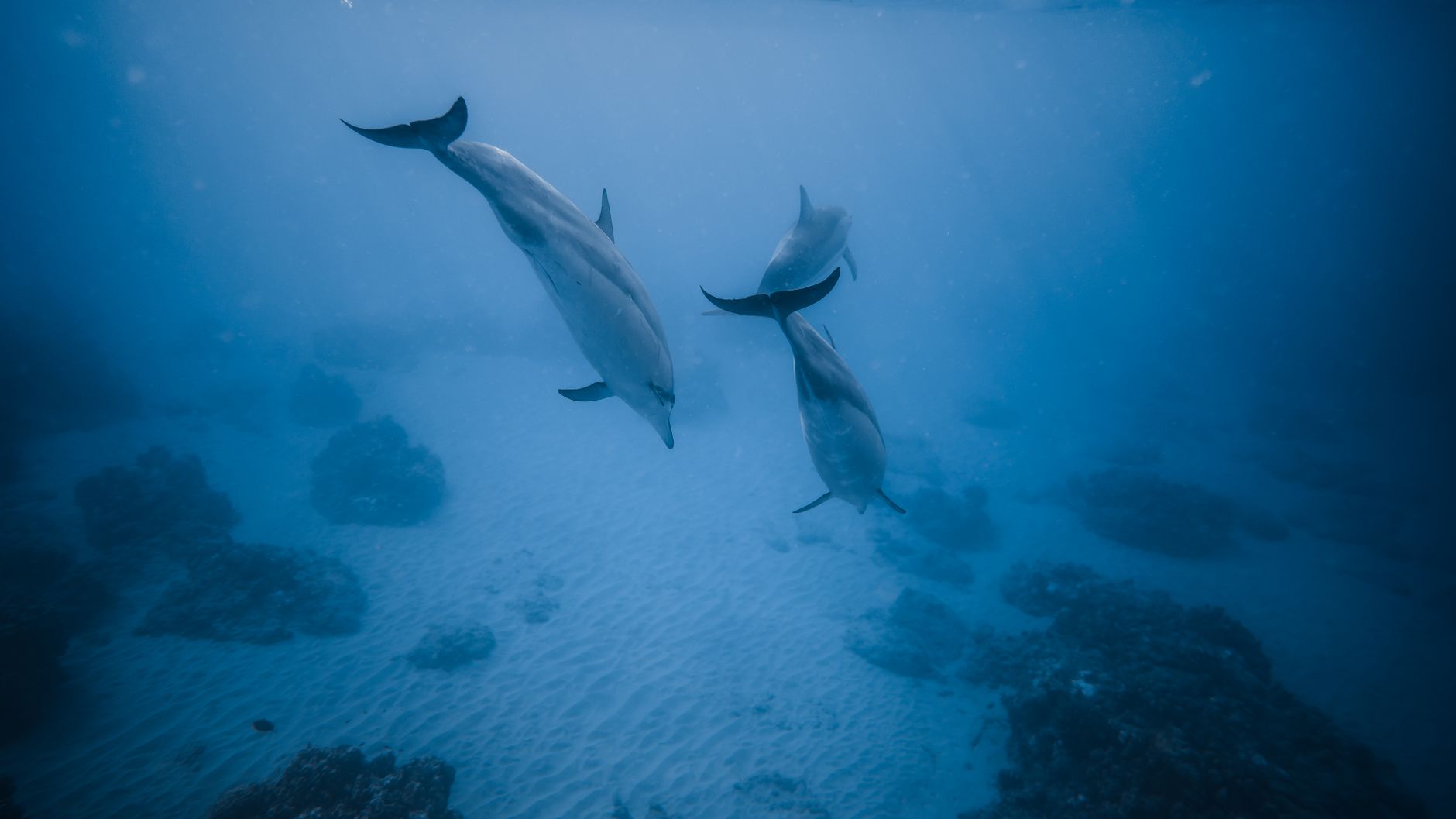
Dolphins possess several key physiological adaptations that contribute to their incredible swimming endurance:
- Streamlined Body: Their torpedo-shaped bodies minimize drag, making swimming more efficient.
- Powerful Muscles: Possessing a high percentage of slow-twitch muscle fibers, dolphins are built for endurance, not bursts of speed (although they are capable of surprising bursts when needed).
- Efficient Respiration: Dolphins can extract a significant percentage of oxygen from each breath, allowing them to hold their breath for extended periods and reducing the frequency of surfacing for air.
- Countercurrent Heat Exchange: This system helps conserve heat, preventing excessive energy expenditure in cold water.
- Unique Sleep Patterns: We’ll address this in more detail shortly.
Unihemispheric Sleep: Resting While Swimming
Perhaps the most fascinating adaptation is their ability to sleep with only one hemisphere of their brain at a time. This allows them to:
- Maintain Vigilance: One eye remains open, allowing them to watch for predators or navigate around obstacles.
- Control Breathing: Since breathing is voluntary for dolphins, they need to consciously surface for air. Unihemispheric sleep ensures they don’t drown.
- Continue Swimming: The active hemisphere controls the necessary muscle movements to keep swimming, albeit at a reduced pace.
During this process, a portion of their brain rests while the other is awake. This remarkable capacity lets them continue to swim – effectively resting while moving – minimizing physical exhaustion associated with completely stopping and sleeping in the water.
Foraging Strategies: Balancing Effort and Reward
Dolphin foraging strategies also contribute to their ability to swim long distances without becoming overly tired. They employ a variety of hunting techniques, often cooperatively, that maximize energy intake and minimize energy expenditure:
- Cooperative Hunting: Working together allows them to herd fish, reducing individual effort.
- Echolocation: Using sound waves to locate prey reduces the need for constant visual searching, saving energy.
- Opportunistic Feeding: Taking advantage of readily available food sources minimizes the need for extensive hunting trips.
Environmental Factors: Impact on Energy Expenditure
Environmental conditions play a crucial role in how dolphins manage their energy and how prone they are to getting tired.
| Factor | Impact |
|---|---|
| Water Temperature | Colder water requires more energy to maintain body temperature. |
| Current Strength | Strong currents increase energy expenditure for swimming. |
| Food Availability | Scarcity of food necessitates longer hunting trips. |
| Pollution | Pollution can compromise health, leading to increased fatigue. |
Do dolphins get tired of swimming? Evidence of Fatigue
While dolphins are exceptionally well-adapted to swimming, they are not immune to fatigue. Evidence suggests that they can indeed get tired:
- Reduced Activity Levels: After periods of intense activity, such as hunting or playing, dolphins may exhibit reduced swimming speed and frequency of breaches.
- Increased Resting Time: Though they can’t fully “stop” swimming, they might increase the amount of time spent in slow, deliberate movements, using less energy to conserve it.
- Changes in Social Behavior: Fatigued dolphins may become less social and more withdrawn.
Dolphin Behavior: Adapting to Fatigue
Dolphin behavior plays a pivotal role in managing fatigue. They employ several strategies to minimize its impact:
- Resting: Dolphins often rest in groups, engaging in synchronized swimming and breathing patterns that conserve energy.
- Drafting: Swimming behind larger whales or other dolphins to reduce drag.
- Play Behavior: Play, while seemingly energetic, helps maintain muscle tone and coordination without the intensity of hunting.
Human Impact: Increasing Dolphin Fatigue
Human activities can significantly increase the energetic demands on dolphins, making them more susceptible to fatigue:
- Pollution: Chemical and noise pollution can stress dolphins, impairing their health and reducing their energy reserves.
- Entanglement in Fishing Gear: This can restrict movement, increase energy expenditure, and cause injury.
- Climate Change: Altering ocean temperatures and prey distributions can force dolphins to swim farther to find food, leading to increased fatigue.
Importance of Responsible Stewardship
Understanding how dolphins manage energy and are vulnerable to fatigue underscores the importance of responsible stewardship of their environment. Minimizing pollution, reducing entanglement risks, and mitigating climate change are crucial for ensuring the well-being of these remarkable creatures.
How to help Dolphins combat tiredness:
- Report injured dolphins to the local wildlife rescue
- Reduce your carbon footprint
- Reduce your use of plastic
Conclusion: A Delicate Balance
Do dolphins get tired of swimming? The answer, as we’ve explored, is more complex than a simple yes or no. While their adaptations minimize fatigue, they are not immune to it. Understanding the delicate balance between energy expenditure and environmental factors is crucial for protecting these amazing animals. Their survival depends on our actions.
Frequently Asked Questions
How long can a dolphin swim without stopping?
While dolphins never truly “stop” swimming, they can maintain continuous movement for extended periods – often several hours, even days. Their unihemispheric sleep allows them to rest while moving, minimizing the need for complete cessation of swimming.
Do dolphins need to sleep?
Yes, dolphins absolutely need to sleep. However, they can’t fall into a deep sleep like humans because they need to consciously surface to breathe. Instead, they utilize unihemispheric sleep, resting one half of their brain while the other remains active.
Can dolphins swim underwater indefinitely?
No, dolphins are mammals and breathe air. They must regularly surface to breathe, although they can hold their breath for varying lengths of time depending on their activity level.
How do dolphins breathe while swimming?
Dolphins breathe through a blowhole on the top of their heads. They consciously control their breathing and must surface to open the blowhole and exhale before inhaling again.
What are the main threats to dolphin energy levels?
The main threats to dolphins energy levels include pollution, entanglement in fishing gear, climate change, and lack of food. These factors can increase their energy expenditure and reduce their ability to maintain their physical condition.
How can humans help reduce dolphin fatigue?
Reducing pollution, practicing responsible fishing methods, and mitigating climate change are all essential steps in helping dolphins reduce their energy expenditure and avoid excessive fatigue.
Do different species of dolphins have different levels of endurance?
Yes, different species of dolphins exhibit varying levels of endurance based on their size, physiology, and habitat. For instance, larger species may have greater energy reserves.
Is it possible for a dolphin to drown?
Yes, it is possible for a dolphin to drown, particularly if it is injured or entangled in fishing gear and unable to surface to breathe. They must consciously breathe and therefore if unable to get to the surface, they will drown.
How do dolphins stay warm in cold water?
Dolphins have a thick layer of blubber that insulates them from the cold. They also have a countercurrent heat exchange system that helps conserve body heat.
Can stress affect a dolphin’s energy levels?
Yes, stress can significantly impact a dolphin’s energy levels. Stress hormones can increase energy expenditure and impair their immune system, making them more susceptible to illness and fatigue.
Do dolphins get tired during migration?
Yes, dolphins can get tired during migration, especially during long journeys. They often travel in groups and take turns resting to conserve energy.
What role does blubber play in energy conservation for dolphins?
Blubber serves as a primary energy reserve for dolphins, providing insulation and fuel during periods of low food availability or high energy demand, therefore, it is vital to their ability to combat tiredness.