
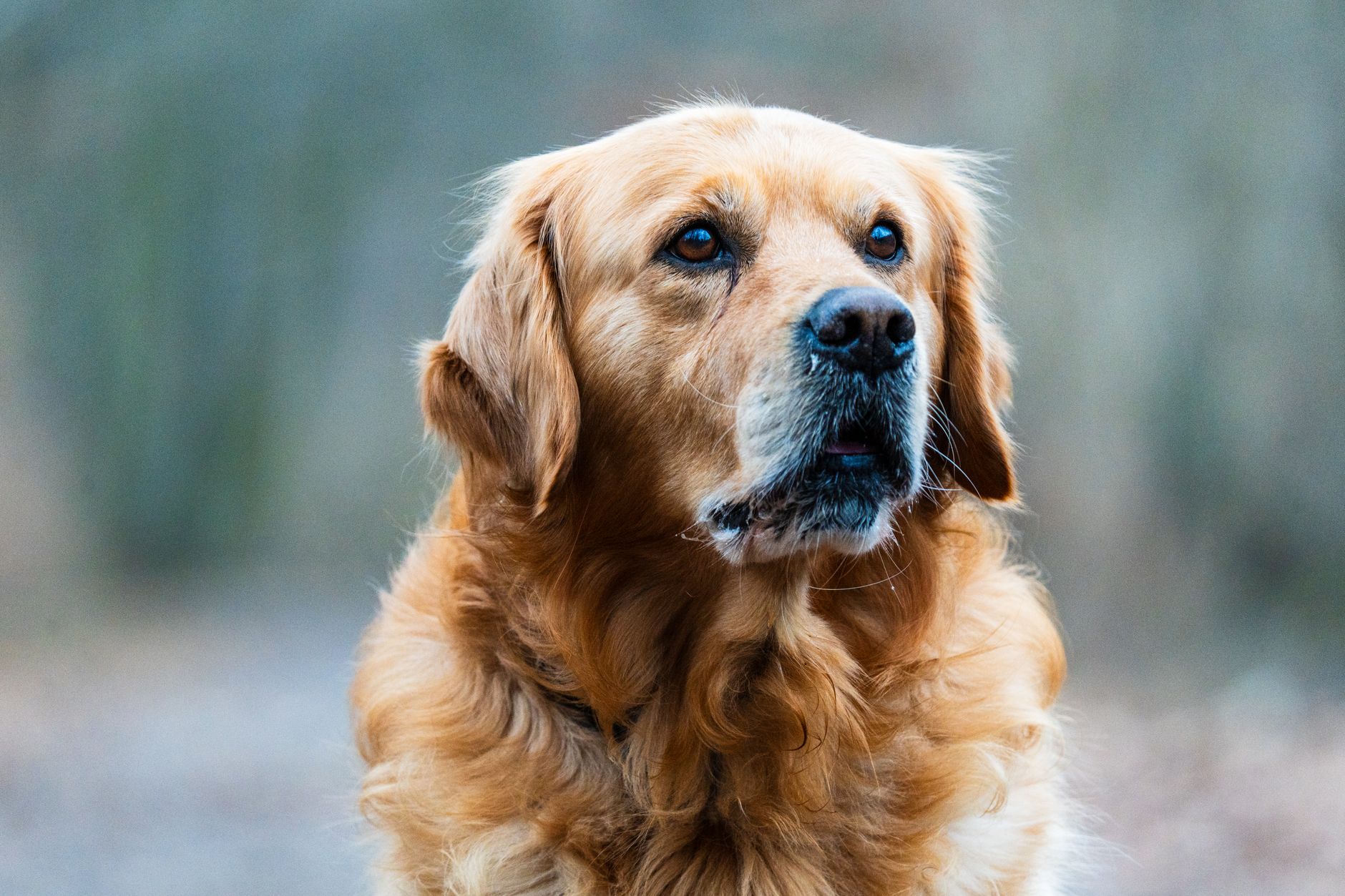
Do Dogs With Dementia Forget You?
The heartbreaking reality is that dogs with dementia, also known as canine cognitive dysfunction (CCD), can experience memory loss that may include forgetting familiar faces, including their beloved owners; however, the extent to which they forget and the ways it manifests vary greatly.

Understanding Canine Cognitive Dysfunction (CCD)
Canine Cognitive Dysfunction (CCD) is a progressive neurodegenerative disorder that affects older dogs, similar to Alzheimer’s disease in humans. It’s crucial to understand that CCD isn’t just “old age” behavior; it’s a diagnosable condition with specific symptoms and underlying neurological changes. These changes involve the accumulation of beta-amyloid plaques in the brain, damage from free radicals, and decreased levels of important neurotransmitters like dopamine and serotonin.

What colours are fish most attracted to?
Can you put your finger in a trout's mouth?
Is methylene blue anti bacterial?
Does aquarium salt raise pH in aquarium?
Key Symptoms of CCD

Recognizing the symptoms of CCD is the first step in getting your dog the help they need. The acronym DISHA is often used to remember the core signs:
- Disorientation: Getting lost in familiar places, staring blankly at walls.
- Interactions: Changes in social interactions, such as decreased enthusiasm for play or increased irritability.
- Sleep-wake cycle disturbances: Pacing at night, sleeping more during the day.
- House soiling: Accidents in the house, even if previously house-trained.
- Activity changes: Decreased activity levels, repetitive behaviors.
It’s important to note that not all dogs will exhibit all of these symptoms, and the severity can vary greatly. A vet should be consulted to confirm a diagnosis.
How CCD Impacts Memory and Recognition
Do dogs with dementia forget you? This is a complex question tied to the way CCD affects memory. The disease primarily impacts the hippocampus, the brain region responsible for memory formation and spatial orientation. This means that while some aspects of their memory might remain intact, particularly deeply ingrained associations, other memories, like recognizing familiar faces or remembering routines, can be significantly impaired.
The Nature of Forgetting in Dogs with CCD
The way CCD impacts memory isn’t a simple on/off switch. It’s more of a gradual fading. Here’s what that might look like:
- Fading Recognition: Initially, your dog might show slight confusion when you approach, hesitating before responding enthusiastically.
- Changes in Affection: A dog who once craved cuddles might become indifferent or even agitated by touch.
- Loss of Learned Behaviors: They might forget previously mastered commands like “sit” or “stay.”
- Increased Anxiety: The confusion and disorientation can lead to increased anxiety and clinginess, or conversely, withdrawal.
Factors Influencing Memory Loss in CCD
Several factors can influence the severity and progression of memory loss in dogs with CCD:
- Age: Older dogs are more prone to CCD.
- Breed: While CCD can affect any breed, some studies suggest certain breeds might be more susceptible.
- Overall Health: Underlying health conditions can exacerbate cognitive decline.
- Environmental Enrichment: A stimulating environment can help slow the progression of CCD.
Strategies for Managing CCD and Strengthening Bonds
While there’s no cure for CCD, there are ways to manage the symptoms and maintain a strong bond with your dog:
- Medication: Several medications can help improve cognitive function and reduce anxiety.
- Diet: Special diets rich in antioxidants and omega-3 fatty acids can support brain health.
- Environmental Modifications: Keep your dog’s environment consistent and predictable. Avoid rearranging furniture or changing routines.
- Mental Stimulation: Provide gentle mental stimulation through puzzles, training games (focusing on simple, familiar commands), and short walks.
- Unconditional Love and Patience: The most important thing you can offer is unwavering love, patience, and understanding. Remember that your dog isn’t deliberately misbehaving; they’re struggling with a debilitating disease.
Legal and Ethical Considerations
When dogs with dementia forget you, it may be necessary to plan for the future. This includes:
- Legal Guardianship: Designating a responsible caretaker to assume guardianship if you are unable to care for the dog.
- Financial Planning: Setting aside funds for medication, dietary supplements, and potentially long-term care for your dog.
- End-of-Life Decisions: Making informed decisions about palliative care and euthanasia when the dog’s quality of life diminishes.
- Ethical Care: Ensuring the dog’s comfort, safety, and well-being are prioritized throughout the disease’s progression.
Frequently Asked Questions
Can CCD be prevented?
While there’s no guaranteed way to prevent CCD, a healthy lifestyle, including a nutritious diet, regular exercise, and mental stimulation throughout your dog’s life, may help reduce the risk or delay the onset of the disease.
How is CCD diagnosed?
Diagnosis of CCD typically involves a combination of behavioral assessments, a review of the dog’s medical history, and ruling out other potential medical conditions that could be causing similar symptoms. There is no single definitive test.
What medications are available for CCD?
Several medications are available to treat CCD, including selegiline (Anipryl), which helps increase dopamine levels in the brain. Your veterinarian can determine if medication is appropriate for your dog and prescribe the most suitable option.
Are there any dietary supplements that can help with CCD?
Yes, some dietary supplements, such as antioxidants like Vitamin E and Vitamin C, and omega-3 fatty acids, have been shown to support cognitive function in dogs with CCD. Talk to your veterinarian before starting any new supplements.
How can I adapt my home to make it easier for my dog with CCD?
Make sure your home is safe and predictable. Avoid rearranging furniture, provide good lighting, especially at night, and consider using baby gates to prevent your dog from getting lost or wandering into dangerous areas.
How can I help my dog with CCD who is anxious or confused?
Provide a calm and reassuring environment. Speak to your dog in a gentle voice, offer frequent reassurance, and avoid sudden movements or loud noises that could startle them.
What are some activities I can do with my dog who has CCD?
Focus on familiar and comforting activities that your dog enjoys. Short, gentle walks, quiet cuddle sessions, and simple training games with positive reinforcement can help maintain their mental stimulation and strengthen your bond.
Is it cruel to keep a dog alive who has CCD?
This is a deeply personal decision. It’s essential to carefully assess your dog’s quality of life. If they are experiencing significant suffering, such as chronic pain, severe anxiety, or complete loss of cognitive function, euthanasia may be the most compassionate option. Discuss this with your veterinarian to make an informed decision.
How long do dogs live after being diagnosed with CCD?
The progression of CCD varies, and the lifespan of a dog after diagnosis can range from several months to several years. With appropriate management and care, many dogs can maintain a reasonable quality of life for a considerable period.
Are there support groups for owners of dogs with CCD?
Yes, many online and in-person support groups are available for owners of dogs with CCD. These groups provide a valuable platform for sharing experiences, seeking advice, and finding emotional support.
Do dogs with dementia forget how to eat or drink?
In advanced stages of CCD, some dogs may forget how to eat or drink. This can be due to confusion, loss of appetite, or difficulty coordinating movements. If this occurs, you may need to assist your dog with feeding and watering, or consult your veterinarian about alternative feeding methods.
What are the signs that my dog with CCD is nearing the end of their life?
Signs that your dog with CCD may be nearing the end of their life include loss of appetite, decreased responsiveness, inability to stand or walk, and a general decline in physical and mental health. It’s important to discuss these signs with your veterinarian to determine the best course of action for your dog’s well-being.