
Do Dogs Think of Us as Dogs? Understanding Canine Perception
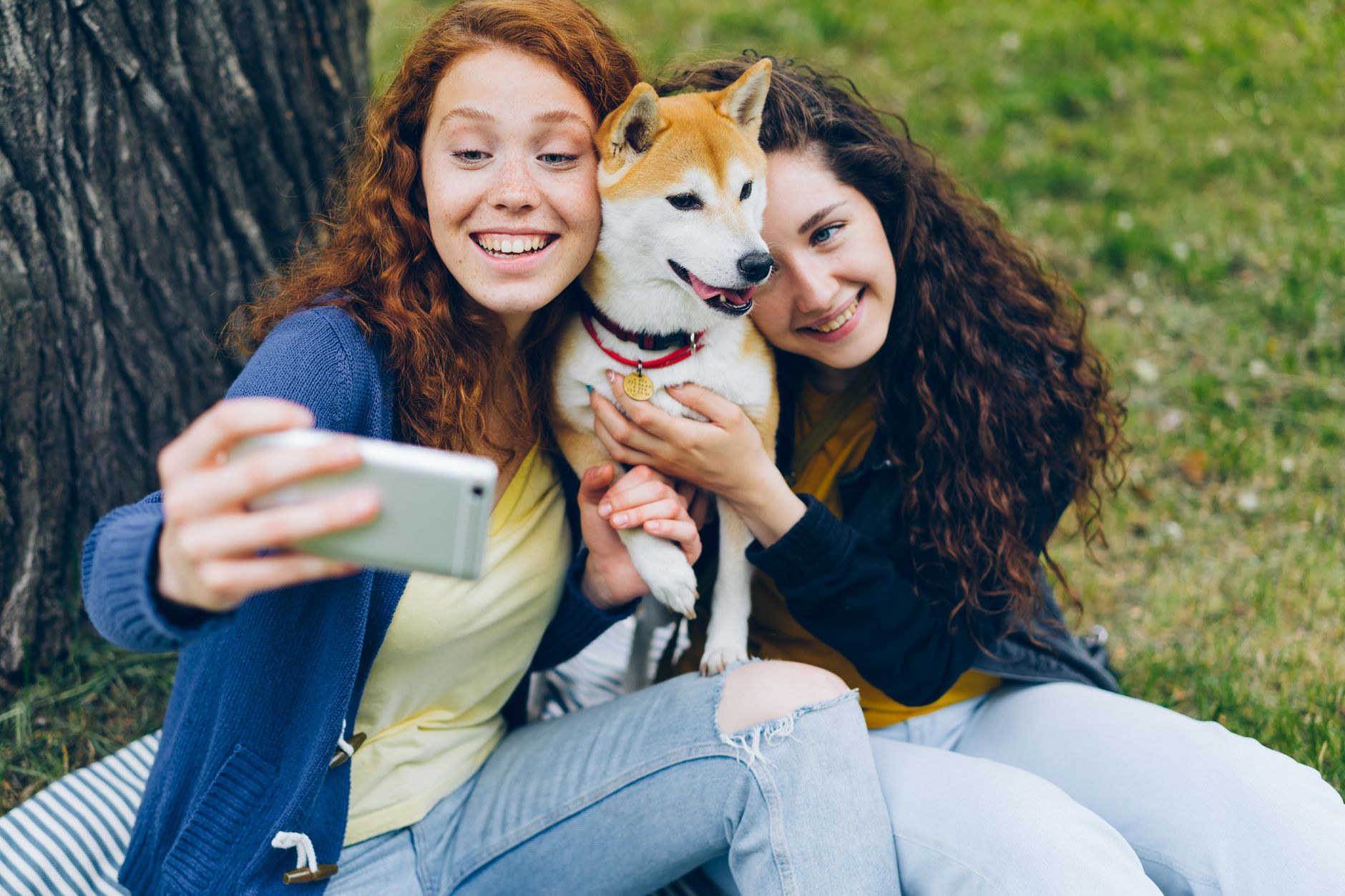
The complex question of do dogs think of us as dogs? is nuanced, but the prevailing scientific consensus suggests they perceive us as unique social partners, distinct from themselves, occupying a special niche within their world. Dogs understand we’re different, but their exact perception remains subject to ongoing research.
Introduction: Decoding the Canine Mind
For millennia, humans and dogs have shared an unparalleled bond. This deep connection fuels our curiosity about their inner lives. Understanding how dogs perceive us is crucial for fostering stronger, more harmonious relationships. Do dogs think of us as dogs? It’s a question that delves into the heart of canine cognition, exploring their ability to categorize, recognize, and ultimately, understand the world around them – and our place within it.

What colours are fish most attracted to?
Can you put your finger in a trout's mouth?
Is methylene blue anti bacterial?
Does aquarium salt raise pH in aquarium?
The Role of Olfaction: A Dog’s Primary Sense

Dogs experience the world primarily through olfaction. Their sense of smell is dramatically more developed than ours, allowing them to gather far richer information from scent. When a dog sniffs you, they’re essentially reading a detailed biography – your emotional state, your diet, your location, and more. This olfactory data forms a crucial component of their understanding of who we are.
Recognizing Individuals: More Than Just a Scent
While scent is vital, dogs also use other cues to recognize individuals. These include:
- Visual Cues: Recognizing faces, body shapes, and gait.
- Auditory Cues: Recognizing voices and specific sounds we make.
- Contextual Cues: Recognizing us in specific locations or performing specific actions.
These cues work together to create a multifaceted representation of each individual in a dog’s mind.
Social Cognition: Understanding Social Roles
Dogs possess a sophisticated level of social cognition. They understand hierarchical relationships and social roles within their “pack,” which often includes their human family. While they might not see us as literally being other dogs, they certainly recognize us as occupying a position of authority or affection within their social structure.
Research on Canine Cognition
Numerous studies have explored canine cognition, offering insights into how dogs perceive the world and their human companions. Techniques include:
- Behavioral Observation: Analyzing dogs’ reactions to different stimuli and situations.
- Brain Imaging (fMRI): Observing brain activity in response to different stimuli, like familiar and unfamiliar humans and dogs.
- Cognitive Tests: Assessing dogs’ ability to solve problems, remember information, and understand social cues.
These studies suggest that dogs recognize humans as different, showing distinct brain activity and behavioral responses towards us compared to other dogs.
Domestication: A Key Factor in Understanding
The process of domestication has significantly shaped canine cognition and their relationship with humans. Over thousands of years, dogs have evolved to:
- Understand Human Communication: Responding to gestures, words, and emotional cues.
- Seek Human Interaction: Displaying affection, seeking attention, and cooperating with humans.
- Depend on Humans: Relying on us for food, shelter, and security.
This co-evolution has fostered a unique bond and likely influences how dogs categorize us – not simply as “dogs,” but as something special and indispensable.
The Pack Dynamic: A Simplified Analogy
The concept of “pack” can be helpful but is also an oversimplification. While dogs instinctively understand social hierarchies, their relationship with humans is more complex than a simple pack dynamic. It’s better to view it as a unique interspecies relationship, built on mutual dependence, affection, and communication.
Comparing Canine and Human Social Structures
The following table highlights key differences between how dogs interact with each other and how they interact with humans:
| Feature | Dog-Dog Interaction | Dog-Human Interaction |
|---|---|---|
| Communication | Primarily olfactory and visual cues | Mixture of verbal, visual, and olfactory |
| Social Hierarchy | Clear dominance/submission signals | More fluid, based on trust and affection |
| Resource Control | Direct competition for resources | Humans typically provide resources |
| Play Behavior | Rough-and-tumble play, dominance displays | More cooperative and tailored to human |
Frequently Asked Questions (FAQs)
Are dogs aware that humans are a different species?
Yes, research strongly suggests that dogs are aware that humans are a different species. They recognize physical differences, respond differently to human vs. dog communication, and exhibit unique behaviors towards us.
Do dogs see us as their parents?
While dogs may exhibit behaviors that resemble those of puppies towards their mothers, it’s unlikely they literally see us as their parents. They form a strong attachment and may seek comfort and security, but the relationship is more nuanced.
Can dogs understand human emotions?
Absolutely! Dogs are incredibly adept at reading human emotions. They can recognize facial expressions, vocal tones, and body language, allowing them to empathize and respond appropriately. This emotional intelligence is a key component of the human-dog bond.
How do dogs differentiate between different humans?
Dogs differentiate between humans using a combination of factors, including scent, visual cues (face, body shape), auditory cues (voice), and contextual cues (familiarity, behavior). Scent plays a particularly important role in recognition.
Do dogs have a concept of “self”?
The extent to which dogs possess a concept of “self” is still debated. Some studies suggest they can recognize their own scent, but the evidence is not conclusive. More research is needed to fully understand their self-awareness.
Why do dogs follow us around the house?
Dogs follow us around for a variety of reasons, including seeking attention, wanting to be near us, feeling secure in our presence, and anticipating activities like walks or feeding.
Do dogs understand fairness?
Studies have shown that dogs can detect unfairness. They may react negatively if they see another dog receiving a better reward for the same task, suggesting a sense of justice, albeit in a simplified form.
How does training affect a dog’s perception of humans?
Training can strengthen the bond between humans and dogs and improve communication. Consistent and positive training methods help dogs understand what is expected of them and reinforce the idea of humans as reliable and benevolent figures.
Can dogs recognize themselves in a mirror?
Most dogs fail the mirror self-recognition test, suggesting they do not fully understand that the reflection is them. However, some dogs may exhibit behaviors that indicate a limited awareness of their own image.
Do dogs have a sense of time?
Dogs do have a sense of time, but it’s likely different from ours. They can anticipate events like mealtimes and walks, and they seem to understand how long we’ve been gone. However, their perception of time is probably more linked to routines and associations than a linear timeline.
Why do dogs lick us?
Dogs lick us for a variety of reasons, including showing affection, seeking attention, and exploring our scent. In some cases, licking may also be a sign of anxiety or stress.
Do dogs miss us when we’re gone?
Yes, dogs do miss us when we’re gone. They may exhibit signs of anxiety, such as whining, pacing, or destructive behavior. When we return, they often greet us with enthusiastic displays of affection, indicating their joy at our return.