

Do Dogs Like Their Head Rubbed? A Deep Dive into Canine Affection
Yes, most dogs enjoy having their heads rubbed, but it’s crucial to understand individual preferences and approach them appropriately to ensure it’s a pleasant experience for your furry friend.
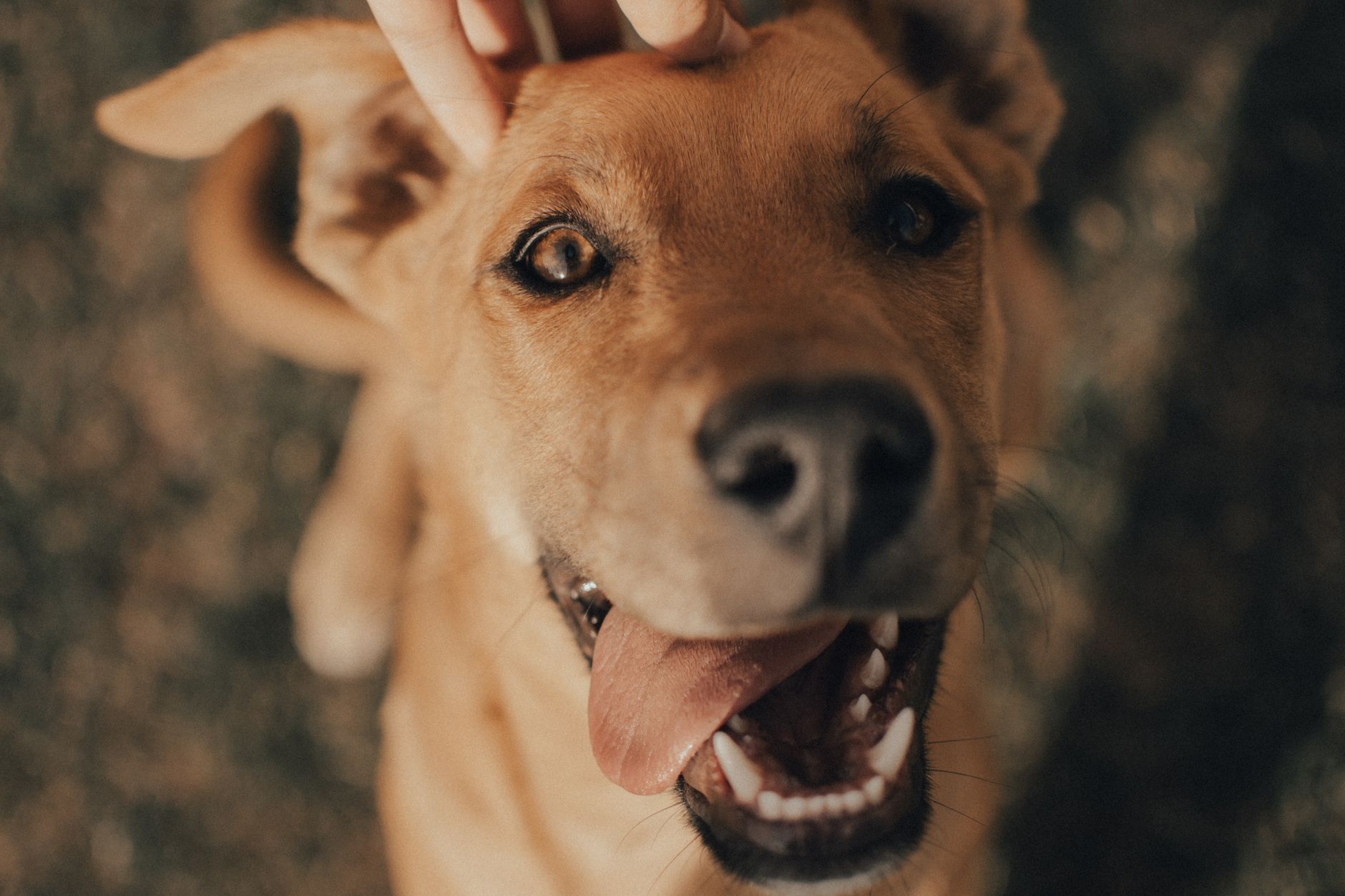
The Enduring Appeal of Head Rubs: A Canine Perspective
For many dog owners, a gentle head rub is a go-to expression of affection. It seems intuitive that our canine companions would appreciate this gesture, mirroring how we ourselves enjoy a comforting head massage. However, understanding why some dogs love head rubs, while others merely tolerate them, or even dislike them, requires a deeper look into canine behavior and communication. Do dogs like their head rubbed? The answer is nuanced.

What colours are fish most attracted to?
Can you put your finger in a trout's mouth?
Is methylene blue anti bacterial?
Does aquarium salt raise pH in aquarium?
Decoding Canine Body Language: Consent is Key
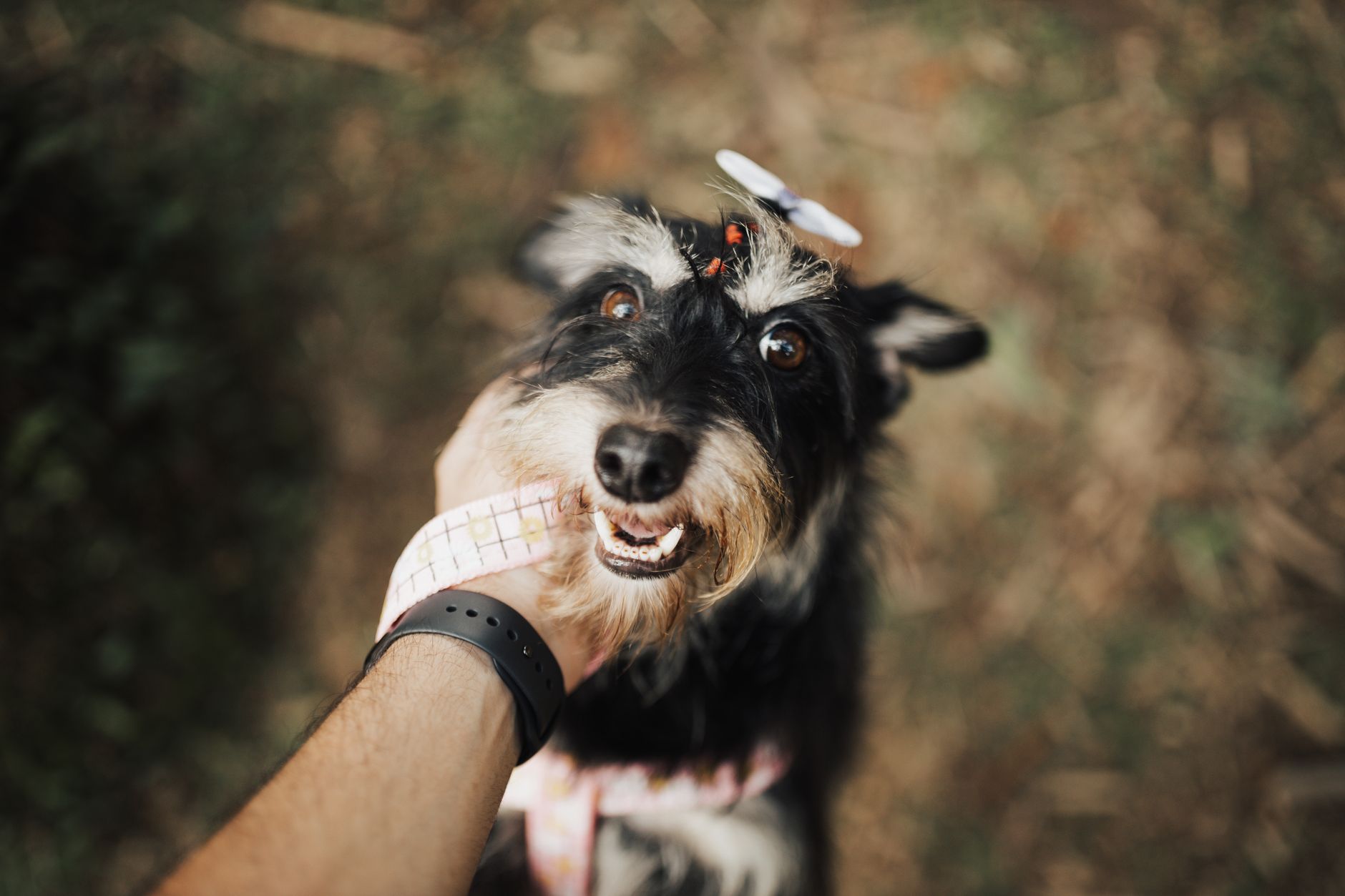
Before launching into a full-blown head rub, pay close attention to your dog’s body language. A relaxed dog that enjoys being petted will often display these signals:
- Soft eyes and a relaxed gaze
- A slightly open mouth and relaxed jaw
- A gently wagging tail (although not all wagging indicates happiness)
- Leaning into your touch
- A soft, inviting demeanor
Conversely, if your dog is showing signs of discomfort, such as:
- Tensing their body
- Turning their head away
- Showing the whites of their eyes (whale eye)
- Licking their lips excessively
- Yawning (when not tired)
- Growling or snapping (a clear warning)
…it’s time to back off. Ignoring these signals can damage your relationship and potentially lead to a bite.
Location, Location, Location: Finding the Sweet Spot
Just like humans, dogs have preferences about where they enjoy being touched. While many appreciate a gentle rub on top of the head, others might prefer being scratched behind the ears, under the chin, or on the chest. Experiment to discover your dog’s favorite spots. Keep in mind that some dogs are sensitive about having their paws touched, so avoid those areas unless your dog is very comfortable with you.
Technique Matters: The Art of the Perfect Pet
It’s not just where you touch your dog, but how. Avoid harsh, abrupt movements. Opt for slow, gentle strokes and a light touch. Pay attention to your dog’s reactions and adjust your technique accordingly. Observe what they enjoy and replicate that.
- Start slow: Begin with a few gentle strokes along their back or shoulders before moving to the head.
- Use your fingertips: Avoid applying too much pressure with your palms.
- Mimic a natural grooming behavior: Gentle scratching behind the ears can be particularly soothing.
- Keep it short and sweet: Don’t overdo it. Even the most enthusiastic dog may eventually tire of being petted.
Age and Experience: Shaping Preferences
A dog’s age and past experiences can significantly influence their tolerance for head rubs. Puppies who have been handled gently from a young age are more likely to enjoy physical affection. Conversely, dogs who have had negative experiences, such as being handled roughly or having their head grabbed unexpectedly, may be more hesitant. Senior dogs may also experience increased sensitivity due to arthritis or other age-related ailments.
Breed Predispositions: Are Some Breeds More Affectionate?
While individual personalities are the primary factor, some breeds are generally known for being more affectionate than others. For instance, Golden Retrievers and Labrador Retrievers are often eager to please and enjoy physical contact. On the other hand, more independent breeds, such as Shiba Inus, may be less receptive to constant petting. Do dogs like their head rubbed? This depends heavily on the breed and individual characteristics.
Building Trust and Strengthening the Bond
When done correctly, head rubs can be a powerful way to build trust and strengthen the bond between you and your dog. They provide an opportunity for positive reinforcement, and can help to reduce stress and anxiety. Just remember to respect your dog’s boundaries and always prioritize their comfort and well-being.
Common Mistakes to Avoid When Giving Head Rubs
- Approaching too quickly: Start slowly and allow the dog to initiate contact if they are comfortable.
- Petting on top of the head: Some dogs find this intimidating. Try scratching behind the ears or under the chin instead.
- Ignoring signs of discomfort: Pay attention to your dog’s body language and stop if they seem uncomfortable.
- Using too much pressure: Gentle strokes are more enjoyable than rough petting.
- Petting for too long: Keep petting sessions short and sweet.
- Petting without permission: Always ask for permission first (e.g., by offering your hand and seeing if the dog approaches).
Comparing Different Types of Affection: A Canine Appreciation Scale
| Type of Affection | Likely Canine Reaction | Considerations |
|---|---|---|
| Head Rub | Varies widely. Some love it; others tolerate it; some dislike it. | Monitor body language carefully. Start slow and gentle. Consider the dog’s personality and past experiences. |
| Belly Rub | Generally well-received if the dog trusts you. | Not all dogs enjoy belly rubs. Approach cautiously and observe their reaction. A submissive posture does not necessarily indicate enjoyment. |
| Back Scratch | Usually very popular, especially along the spine and at the base of the tail. | Can help relieve itching and promote relaxation. |
| Ear Scratch | Often appreciated, especially behind the ears. | Gentle scratching can be very soothing. |
| Chin Scratch | A good alternative to head rubs for dogs who are sensitive about their heads. | Offer a gentle scratch under the chin, avoiding the throat. |
Frequently Asked Questions
Why does my dog lower its head when I reach for it?
Your dog may be lowering its head to signal submission or to avoid direct eye contact, which can be perceived as a threat. Alternatively, they may be anticipating a head rub and are positioning themselves for it. Pay close attention to their other body language cues to understand their intent.
Is it okay to rub a dog’s head if I don’t know them?
It’s generally not recommended to rub a dog’s head without first getting permission from the owner. Even if the dog seems friendly, they may be nervous or uncomfortable with strangers. Always allow the dog to approach you and sniff your hand before attempting to pet them.
How can I tell if my dog is just tolerating a head rub?
Look for subtle signs of discomfort, such as a stiff body, a tense jaw, or a quick lick of the lips. If your dog is simply tolerating a head rub, they may not lean into your touch or show any signs of enjoyment. Respect their boundaries and stop petting them if you notice these signs.
Do dogs like their heads rubbed more when they are puppies?
Puppies who are socialized early and handled gently are more likely to enjoy head rubs than dogs who have had negative experiences. However, individual preferences can vary. Always be mindful of your puppy’s body language and adjust your approach accordingly.
My dog nudges my hand with its head. What does that mean?
When a dog nudges your hand with its head, it’s often a sign that they are seeking attention or affection. They may be asking for a head rub or other form of physical contact. Respond to their request by giving them some gentle pets and verbal praise.
Why does my dog sometimes move away when I’m rubbing its head?
Your dog may be moving away because they are uncomfortable with the pressure, the location of the touch, or the duration of the petting session. It could also be that they simply need a break. Pay attention to their body language and respect their need for space.
Does rubbing a dog’s head make them feel dominant?
While dominance theory is largely outdated, some dogs may interpret petting on the head as a sign of control. However, for most dogs, head rubs are simply a form of affection. The key is to focus on building a positive relationship based on trust and mutual respect.
What are some alternative ways to show affection to my dog if they don’t like head rubs?
If your dog doesn’t enjoy head rubs, there are plenty of other ways to show them affection. Try scratching them behind the ears, giving them a gentle back massage, or simply spending quality time with them. Verbal praise and treats are also excellent ways to reinforce positive behavior and strengthen your bond.
Can head rubs help reduce anxiety in dogs?
Gentle, soothing head rubs can help reduce anxiety in some dogs by promoting relaxation and releasing endorphins. However, it’s important to ensure that the dog is comfortable with being touched. If your dog is severely anxious, consult with a veterinarian or certified dog trainer.
My dog loves having its head rubbed, but only by me. Why is that?
This is likely due to the bond and level of trust your dog has with you. They feel safe and comfortable receiving affection from you, but may be more hesitant with strangers. Respect their boundaries and don’t pressure them to accept affection from others.
Are there any specific areas on the head that dogs generally dislike being touched?
Some dogs are sensitive about having their muzzles touched or their faces covered. Avoid these areas unless your dog is very comfortable with you. The top of the head can also be intimidating for some dogs. Observe their reactions and adjust your approach accordingly.
How often should I rub my dog’s head?
There’s no magic number. Pay attention to your dog’s cues and adjust the frequency of head rubs based on their preferences. Some dogs may enjoy being petted multiple times a day, while others may prefer less frequent interactions. The key is to always prioritize their comfort and well-being. Ultimately, Do dogs like their head rubbed? Yes, generally, when done correctly.