

Do Dogs Know Kissing is Affection? Exploring Canine Understanding of Human Affection
While dogs may not understand kissing in the same way humans do, the answer is a nuanced yes: they can certainly learn to associate kissing with positive emotions and affection through our behavior and their own learned experiences.
The Complexities of Canine Communication
Understanding how dogs perceive affection requires a look beyond human-centric views. Dogs primarily communicate through scent, body language, and vocalizations, which differ significantly from human interactions. While we rely heavily on verbal cues and physical touch like kissing, dogs interpret the world through a different lens.

What colours are fish most attracted to?
Can you put your finger in a trout's mouth?
Is methylene blue anti bacterial?
Does aquarium salt raise pH in aquarium?
Scent, Social Signals and the Canine Mind

A dog’s sense of smell is significantly more powerful than a human’s. They can detect subtle chemical changes in our bodies related to emotions. This means they might pick up on your happiness or relaxation when you lean in to kiss them, even if they don’t intrinsically understand the act of pressing lips against skin.
Dogs also closely observe body language. A soft tone of voice, gentle touch, and relaxed posture accompanying a kiss are likely interpreted as positive social signals.
Learned Association: The Key to Understanding
Ultimately, a dog’s understanding of kissing as affection is largely based on learned association. If every time you kiss your dog, you also offer praise, petting, or treats, they will quickly learn to associate kissing with positive outcomes.
Decoding Canine Body Language During Kissing
It’s crucial to pay attention to your dog’s body language when you kiss them. Not all dogs enjoy physical affection in the same way. Look for signs of:
- Relaxation: Floppy ears, a loose body, a wagging tail (if they usually wag), and soft eyes.
- Tolerance: A stiff body, whale eye (showing the whites of their eyes), licking their lips, yawning, or turning their head away may indicate discomfort.
- Avoidance: Trying to move away, hiding, or showing signs of aggression are clear signals that they don’t enjoy the interaction.
If your dog shows signs of discomfort, it’s important to respect their boundaries and find other ways to show your affection, such as offering praise, playing fetch, or providing a favorite toy.
How to Make Kissing a Positive Experience (If Your Dog Allows)
If your dog seems receptive to kissing, you can further reinforce the positive association:
- Start slowly: Begin with gentle touches and praise.
- Keep it brief: Don’t overwhelm your dog with prolonged kisses.
- Associate with rewards: Follow kisses with treats, petting, or playtime.
- Respect their boundaries: Always pay attention to their body language and stop if they show signs of discomfort.
Alternative Ways to Show Affection
Kissing isn’t the only way to show affection. Explore other ways to connect with your dog that they may enjoy more:
- Playtime: Engage in games like fetch, tug-of-war, or hide-and-seek.
- Grooming: Brushing and petting can be very comforting.
- Training: Positive reinforcement training sessions strengthen the bond.
- Verbal praise: Use a happy tone of voice and offer words of encouragement.
- Physical touch: Some dogs prefer gentle scratches, while others prefer a comforting hug (if they tolerate it).
The Importance of Individual Dog Preferences
Remember, every dog is an individual. What one dog enjoys, another might dislike. It’s up to us as responsible owners to learn our dogs’ preferences and respect their boundaries. While do dogs know kissing is affection?, they know our affection matters.
Common Mistakes People Make When Showing Affection to Dogs
- Forcing affection: Ignoring signs of discomfort and continuing to kiss or hug a dog who doesn’t enjoy it.
- Kissing on the face: Some dogs find this intrusive, especially if they don’t know you well.
- Approaching suddenly: Startling a dog can lead to negative associations.
- Misinterpreting body language: Failing to recognize signs of stress or discomfort.
| Mistake | Potential Consequences | Alternative Actions |
|---|---|---|
| Forcing affection | Anxiety, fear, aggression, damaged trust | Respect boundaries, offer alternative forms of affection |
| Kissing on the face | Discomfort, stress | Focus on petting the back or chest, if the dog enjoys that |
| Approaching suddenly | Startled reaction, fear | Approach slowly and calmly, announce your presence |
| Misinterpreting body lang. | Increased stress for the dog, potential for a negative interaction | Educate yourself on canine body language, observe closely, seek expert advice |
Frequently Asked Questions (FAQs)
Is it OK to kiss my dog on the head?
It depends on the dog! Some dogs tolerate or even enjoy a quick kiss on the head, especially if they’re used to it. However, always watch for signs of discomfort. If they seem hesitant or stiff, avoid kissing them on the head. Focus on areas they seem to enjoy being touched, like the chest or back.
Why does my dog lick me after I kiss them?
Licking can be a multifaceted behavior. It could be a sign of affection, but it can also indicate stress or anxiety. They might be licking you as a way to appease you if they’re unsure about the kissing. It could also simply be that they like the taste of your skin. Consider the context and your dog’s overall body language.
Do puppies understand kisses?
Puppies, like adult dogs, learn to associate actions with outcomes. If you consistently pair kisses with positive reinforcement like praise and treats, they’ll likely learn to associate kisses with good things. However, it’s even more important to be gentle and attentive to their body language as they’re still developing and learning about the world. Remember do dogs know kissing is affection?, puppies are still figuring it all out.
My dog doesn’t seem to like being kissed. What should I do?
Respect their boundaries! If your dog shows signs of discomfort, stop kissing them. There are plenty of other ways to show affection that they might enjoy more. Focus on activities like playtime, grooming, or training sessions. The goal is to build a strong, positive relationship based on mutual respect and understanding.
Can dogs understand human emotions through kissing?
While dogs may not fully grasp the nuances of human emotions through kissing alone, they are highly attuned to our overall demeanor. They can detect changes in our heart rate, breathing, and even scent when we’re experiencing different emotions. So, while the kiss itself may not convey the emotion, the accompanying cues certainly contribute to their understanding.
Is it possible to teach a dog to enjoy kissing?
Yes, but it requires patience and consistency. Start with gentle touches and praise, gradually introducing brief kisses. Always pair kisses with positive reinforcement and stop immediately if your dog shows any signs of discomfort. It’s crucial to let the dog set the pace and never force the interaction.
Does kissing pass germs to my dog?
Yes, kissing can potentially transfer germs between you and your dog. Both humans and dogs carry bacteria and viruses that can be harmful to the other species. It’s best to avoid kissing your dog on the mouth and to wash your hands after interacting with them.
Do dogs kiss each other as a sign of affection?
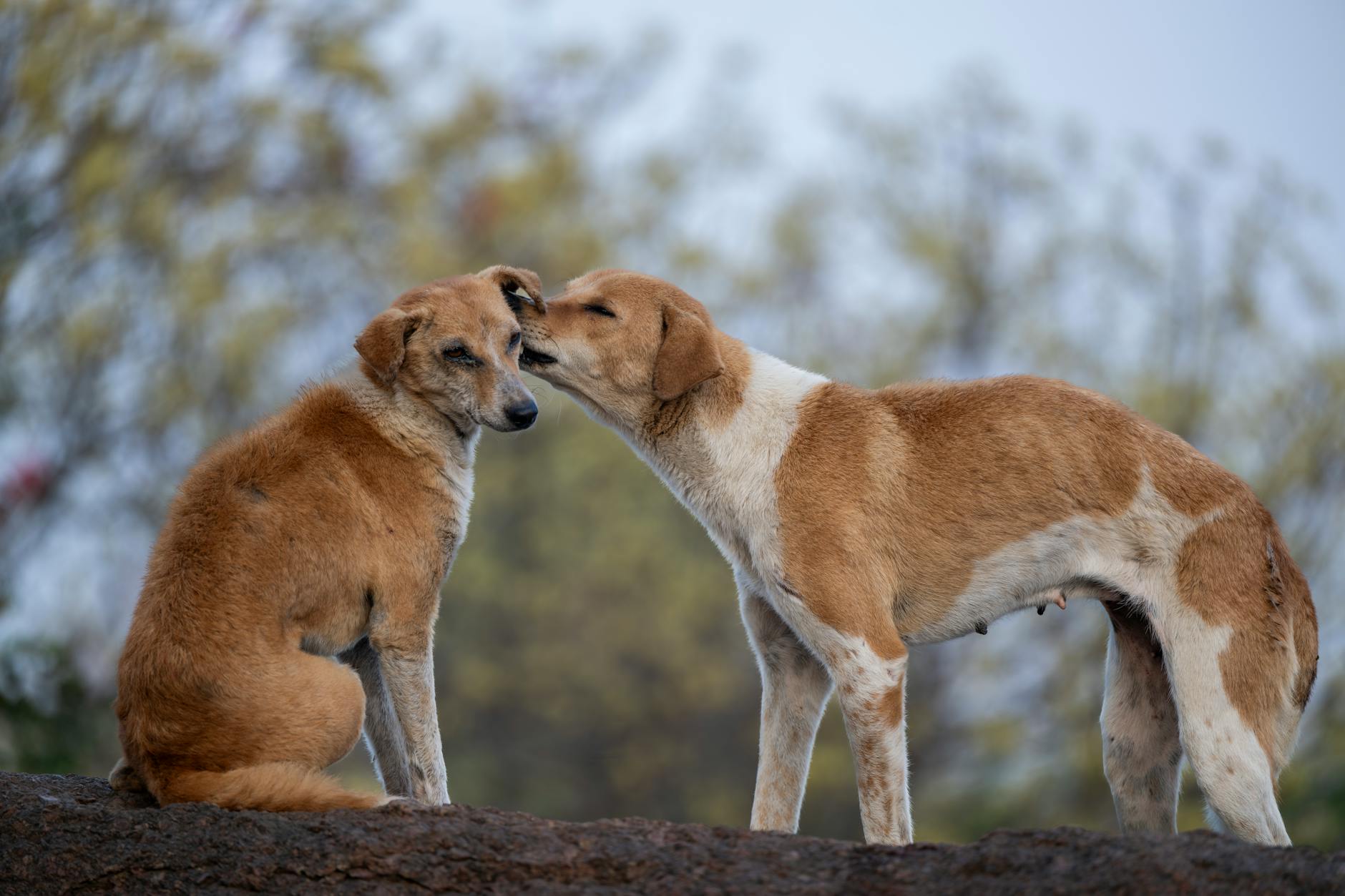
Dogs don’t kiss each other in the same way humans do. What we might interpret as kissing is usually related to social grooming or appeasement behaviors. Licking another dog’s face can be a sign of respect or a way to gather information about them through scent.
Is it better to hug or kiss a dog?
It depends on the dog. Many dogs don’t enjoy being hugged, as it can feel restrictive. A gentle scratch behind the ears or a comforting pat on the back might be more appreciated. Observe your dog’s body language to determine what they prefer. Both hugs and kisses should be approached with caution and always be initiated with respect for the dog’s comfort.
How else can I bond with my dog without kissing?
The possibilities are endless! Playtime, training, walks, cuddling (if they enjoy it), grooming, and simply spending quality time together are all great ways to strengthen your bond. The key is to find activities that you both enjoy and that create positive associations.
What are some signs that my dog feels loved and secure?
A relaxed posture, a wagging tail (if they usually wag), approaching you for attention, sleeping near you, and engaging in play are all signs that your dog feels loved and secure. A content dog is a happy dog!
Do dogs understand that I am showing them affection, even if they don’t understand kissing specifically?
Absolutely! Dogs are incredibly perceptive and intuitive. They can sense your emotions and intentions through your body language, tone of voice, and overall demeanor. Even if they don’t fully understand the act of kissing, they understand that you’re showing them affection and care. The essence of the question, do dogs know kissing is affection?, is less about the kiss itself and more about the associated feelings.