
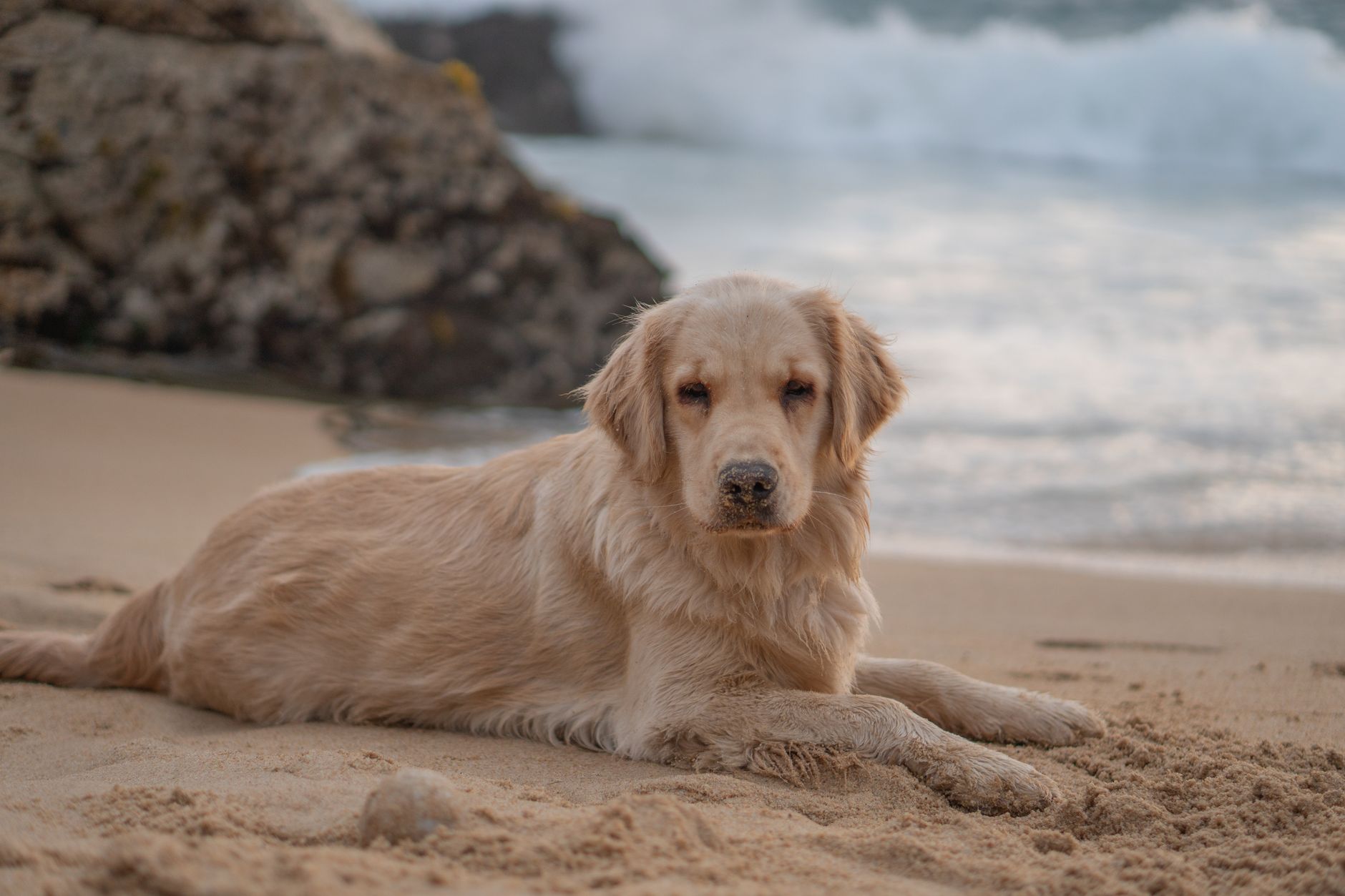
Do Dogs Get Sea Sick? Understanding Canine Motion Sickness on the Water
Yes, dogs can get sea sick. Just like humans, some dogs are susceptible to motion sickness, especially during boat trips. Understanding the causes, symptoms, and prevention methods can help ensure a more comfortable and enjoyable experience for your furry friend.

Understanding Motion Sickness in Dogs: A Comprehensive Guide
Motion sickness in dogs, or kinetosis, is a common condition that affects many pups, particularly during travel. While most often associated with car rides, it can also occur on boats. This occurs because the inner ear, responsible for balance, sends conflicting signals to the brain, resulting in nausea and vomiting. Let’s explore this issue in more detail.

Is distilled water good for goldfish?
What colours are fish most attracted to?
Can you put your finger in a trout's mouth?
Is methylene blue anti bacterial?
The Science Behind Canine Sea Sickness

The root cause of sea sickness in dogs is a mismatch of sensory input. This happens when:
- The inner ear senses movement (the rocking of the boat).
- The eyes see a stationary environment (the inside of the cabin).
- The muscles and joints feel a different kind of motion.
This sensory conflict overloads the brain, specifically the emetic center which controls vomiting. This then triggers the symptoms we associate with sea sickness. Younger dogs are often more prone to motion sickness because their inner ear structures are not yet fully developed. Many dogs grow out of it.
Recognizing the Symptoms of Sea Sickness in Dogs
Knowing what to look for is crucial for addressing sea sickness promptly. Common symptoms include:
- Excessive drooling
- Licking lips
- Restlessness
- Panting
- Yawning
- Lethargy
- Vomiting
- Diarrhea
- Whining or anxiety
Early detection allows you to take preventative measures before the condition worsens.
Preventive Measures for a Smoother Voyage
Several strategies can help mitigate the risk of sea sickness in dogs:
- Medication: Consult your veterinarian about anti-nausea medications specifically for dogs. These can be highly effective.
- Acupressure bands: These bands apply gentle pressure to specific points believed to reduce nausea.
- Proper Ventilation: Ensure your dog has access to fresh air. Open a window or position them in a well-ventilated area.
- Reduce Anxiety: A calm and relaxed dog is less likely to experience motion sickness. Bring familiar toys and blankets.
- Travel on an Empty Stomach: Avoid feeding your dog immediately before the boat trip. A light meal a few hours prior is preferable.
- Gradual Exposure: If possible, gradually acclimate your dog to being on a boat with short trips before embarking on longer voyages.
- Designated spot: Create a safe, comfortable, and stable place for your dog to relax on the boat.
Medication Options: What Your Vet Might Recommend
Your veterinarian might prescribe one of several medications to help prevent sea sickness in dogs. Some common options include:
- Maropitant (Cerenia): A commonly prescribed anti-emetic specifically for dogs. It’s highly effective at preventing vomiting.
- Dimenhydrinate (Dramamine): An over-the-counter antihistamine that can help reduce nausea. It may cause drowsiness.
- Meclizine (Antivert): Another antihistamine similar to Dramamine.
It’s absolutely crucial to consult with your vet before administering any medication to your dog. They can determine the appropriate dosage based on your dog’s weight, age, and medical history.
Natural Remedies for Canine Motion Sickness
While medication is often the most effective solution, some natural remedies may help alleviate mild cases of sea sickness. These include:
- Ginger: Known for its anti-nausea properties. Can be given in small amounts as a treat.
- CBD Oil: Some owners have found that CBD oil can help reduce anxiety and nausea in their dogs. However, consult your veterinarian first.
- Acupressure: As mentioned previously, acupressure bands may provide some relief.
However, it’s important to note that the effectiveness of these remedies can vary from dog to dog.
Common Mistakes to Avoid
Several common mistakes can exacerbate sea sickness in dogs:
- Feeding immediately before travel: This increases the likelihood of vomiting.
- Lack of ventilation: Stuffy environments can worsen nausea.
- Ignoring early signs: Addressing the problem early is crucial.
- Punishing your dog: This will only increase anxiety and make the situation worse.
- Assuming all dogs react the same: Each dog is different. Find what works best for your dog.
Ensuring a Positive Experience: Tips for a Comfortable Boat Trip
Here are some additional tips to help ensure a positive experience for your dog on the water:
- Bring familiar items: Toys, blankets, and beds can provide comfort.
- Provide plenty of water: Staying hydrated is important.
- Take frequent breaks: If possible, get off the boat and let your dog stretch its legs.
- Supervise your dog closely: Ensure their safety at all times.
- Reward positive behavior: Use treats and praise to reinforce calmness.
By taking these precautions, you can significantly reduce the risk of sea sickness and help your dog enjoy the boat trip.
Frequently Asked Questions About Sea Sickness in Dogs
Is sea sickness in dogs hereditary?
While there’s no direct evidence of a specific gene for motion sickness, some breeds may be predisposed due to inner ear structure or temperament. Anxious dogs are generally more likely to experience motion sickness, regardless of breed.
Can puppies get sea sick?
Yes, puppies are often more susceptible to sea sickness than adult dogs. Their inner ear structures are still developing, making them more sensitive to motion. Many puppies will outgrow this sensitivity as they mature.
How long does sea sickness last in dogs?
The duration of sea sickness varies depending on the individual dog and the length of the boat trip. Symptoms usually subside shortly after the movement stops, typically within a few hours.
Can sea sickness lead to dehydration in dogs?
Yes, repeated vomiting and diarrhea can lead to dehydration. Ensure your dog has access to fresh water and monitor them closely for signs of dehydration, such as sunken eyes and decreased skin elasticity. Contact your veterinarian if you suspect dehydration.
Are some dog breeds more prone to sea sickness?
While any dog can get sea sick, anxious or nervous breeds might be more prone. This is because stress can exacerbate the symptoms of motion sickness. Consider the temperament of your dog when planning a boat trip.
What’s the best way to prepare my dog for a boat trip if they’ve never been on one before?
Start with short, calm trips on stable boats, gradually increasing the duration as your dog becomes more comfortable. Use positive reinforcement to create a positive association with being on a boat. Bring along their favorite toys and treats to make the experience enjoyable.
Can my dog get used to being on a boat and stop getting sea sick?
Yes, with gradual exposure and positive reinforcement, many dogs can become acclimated to boat travel and experience fewer symptoms of sea sickness over time. Consistency is key.
Is it safe to give my dog human motion sickness medication?
Never give your dog human medication without consulting your veterinarian first. Some human medications are toxic to dogs. Your vet can prescribe the appropriate medication and dosage for your dog’s specific needs.
What should I do if my dog starts vomiting on the boat?
Clean up the vomit immediately to prevent other dogs from getting sick or eating it. Offer your dog small amounts of water and monitor them closely for any signs of dehydration. Keep them as calm and comfortable as possible.
Are there any natural remedies that can help prevent sea sickness in dogs?
Ginger is often recommended as a natural remedy for nausea. You can give your dog a small amount of ginger snap cookie or ginger powder mixed with their food. However, always consult your veterinarian before giving your dog any new supplements or medications.
Can sea sickness cause long-term health problems in dogs?
No, sea sickness itself doesn’t typically cause long-term health problems. However, repeated vomiting and diarrhea can lead to dehydration and electrolyte imbalances, which can be serious if left untreated. Contact your vet if you’re concerned.
What are the alternatives to taking my dog on a boat trip if they get severely sea sick?
If your dog consistently suffers from severe sea sickness despite preventive measures, it may be best to leave them at home with a trusted caregiver or in a boarding facility. Their comfort and well-being should always be the priority. Consider alternative activities that they can enjoy.