

Do Dogs Get Attached to Stuffed Animals? Exploring Canine Companionship
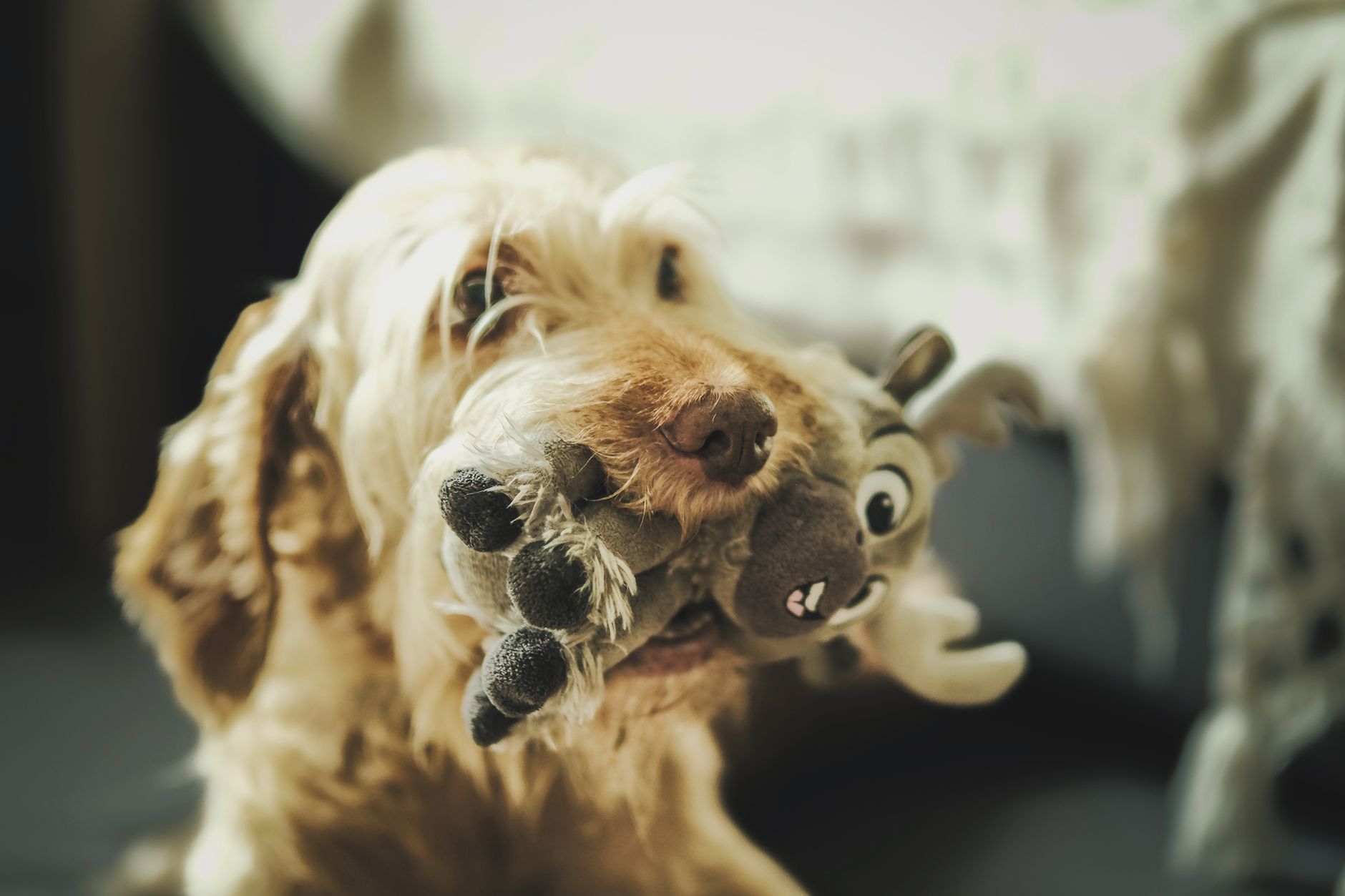
Dogs can and do form attachments to stuffed animals, sometimes developing bonds so strong that the toy becomes a source of comfort, security, and even companionship. The answer is a resounding yes, dogs get attached to stuffed animals just like children do.

The Appeal of Soft Friends
For many dogs, stuffed animals are more than just toys. They can represent a variety of positive associations, stemming from puppyhood memories, comforting scents, or even the texture of the toy itself. Understanding why dogs get attached to stuffed animals requires delving into their psychology and instinctive behaviors.
- Comfort and Security: Stuffed animals can provide a sense of security, especially for puppies or dogs who experience anxiety. The soft texture and familiar scent can be soothing.
- Substitute for Social Interaction: Some dogs may use stuffed animals as a surrogate companion, particularly if they spend a lot of time alone. They might cuddle with, groom, or even “talk” to their stuffed friend.
- Play and Exercise: Stuffed animals can be incorporated into various play activities, such as fetching, tug-of-war, or even “hunting” games. This provides both physical and mental stimulation.
- Puppyhood Reminiscence: Stuffed animals can trigger memories of early puppyhood, providing a sense of nostalgia and comfort. The act of nurturing or “mothering” a stuffed animal can also be instinctive.
Is distilled water good for goldfish?
What colours are fish most attracted to?
Can you put your finger in a trout's mouth?
Is methylene blue anti bacterial?
Physiological and Psychological Benefits

The attachment to a stuffed animal isn’t just a quirk; it can offer tangible benefits for a dog’s well-being.
- Reduced Anxiety: A familiar stuffed animal can help alleviate anxiety during stressful situations like thunderstorms, car rides, or visits to the vet.
- Improved Sleep: Cuddling with a stuffed animal can promote relaxation and improve sleep quality.
- Decreased Destructive Behavior: By providing a safe and acceptable outlet for chewing and playing, stuffed animals can help reduce destructive behaviors directed towards furniture or other belongings.
- Increased Happiness: Observing a dog happily playing with or cuddling a stuffed animal is a heartwarming sight and evidence of the joy it brings to their life.
Selecting the Right Stuffed Animal
Choosing the right stuffed animal is crucial to ensure your dog’s safety and enjoyment.
- Size Matters: Choose a size appropriate for your dog’s size. A toy that is too small could be a choking hazard.
- Durability is Key: Opt for toys made from durable materials that can withstand chewing and tugging. Avoid toys with small parts that can be easily detached and swallowed.
- Safety First: Regularly inspect the toy for tears or damage and replace it as needed. Remove any loose strings, buttons, or other potentially hazardous components.
- Consider the Stuffing: Look for toys with safe and non-toxic stuffing materials. Avoid toys filled with beanbag pellets, as these can be dangerous if ingested.
Potential Drawbacks and Concerns
While the attachment to stuffed animals is generally harmless, there are some potential drawbacks to consider.
- Resource Guarding: Some dogs may become overly protective of their stuffed animal, exhibiting aggressive behavior if someone approaches it. This behavior needs to be addressed through training and behavior modification.
- Obsessive Behavior: In some cases, the attachment to a stuffed animal can become obsessive, interfering with the dog’s ability to engage in other activities. This may require professional intervention.
- Ingestion of Stuffing: Dogs might try to eat the stuffing inside the toy, potentially causing intestinal blockage or other health problems.
- Damage and Replacement: Over time, stuffed animals will inevitably become damaged and need to be replaced. Be prepared to invest in new toys regularly.
| Concern | Solution |
|---|---|
| Resource Guarding | Training, behavior modification, supervised access to the toy. |
| Obsessive Behavior | Professional intervention, redirecting attention, limiting access to the toy. |
| Stuffing Ingestion | Choose durable toys, supervise play, regular inspection and replacement. |
Frequently Asked Questions (FAQs)
Why is my dog so attached to one specific stuffed animal?
Your dog likely associates that specific stuffed animal with positive experiences, smells, or textures. Perhaps it was a gift from a beloved person, or it simply feels comfortable and familiar. This is the primary reason dogs get attached to stuffed animals in the first place. Familiarity breeds comfort.
Is it normal for my dog to carry their stuffed animal everywhere?
Yes, it’s perfectly normal! This behavior indicates that your dog finds comfort and security in having the stuffed animal nearby. It’s a sign of affection and attachment, not necessarily a problem.
My dog licks and grooms their stuffed animal. Is this a sign of distress?
Not necessarily. Licking and grooming are natural canine behaviors. Your dog may be exhibiting affection or simply cleaning the toy. However, excessive licking and grooming, especially if accompanied by other signs of distress, could indicate underlying anxiety and warrant a vet visit.
How can I tell if my dog’s attachment to a stuffed animal is unhealthy?
Signs of an unhealthy attachment include resource guarding, obsessive behavior, neglecting other activities, or showing signs of distress when separated from the toy. If you observe these behaviors, consult with a veterinarian or certified dog trainer.
Should I let my puppy sleep with a stuffed animal?
Yes, a stuffed animal can provide comfort and security for a new puppy, especially during the transition to a new home. Just ensure that the toy is safe and appropriately sized to prevent choking hazards. It’s one way to help dogs get attached to stuffed animals in a positive manner.
What type of stuffed animal is best for a dog who likes to chew?
Choose durable stuffed animals made from materials like canvas or ballistic nylon. Look for toys with reinforced seams and minimal stuffing. Regularly inspect the toy for damage and replace it as needed. Avoid toys with small parts that can be easily detached and swallowed.
How often should I wash my dog’s stuffed animal?
Wash your dog’s stuffed animal regularly, especially if it gets dirty or smelly. This will help prevent the buildup of bacteria and allergens. Follow the manufacturer’s instructions for washing, or hand-wash with mild soap and water.
Can I train my dog to share their stuffed animal with other dogs or people?
Yes, with consistent training and positive reinforcement, you can teach your dog to share their stuffed animal. Start by rewarding your dog for allowing you to approach the toy, then gradually work towards having them share it with others. This can help prevent resource guarding.
My dog destroys every stuffed animal I give them. Should I stop buying them?
Consider investing in more durable toys designed for heavy chewers. If your dog consistently destroys stuffed animals, it may be best to limit their access to these types of toys and provide alternative options, such as chew toys made from rubber or nylon.
Is it possible for my dog to become too attached to their stuffed animal?
Yes, it’s possible. Excessive attachment can manifest as anxiety when separated from the toy, possessiveness (resource guarding), or obsessive behaviors. If you notice these issues, seek guidance from a professional dog trainer or veterinary behaviorist.
What if my dog doesn’t seem interested in stuffed animals?
Not all dogs are drawn to stuffed animals, and that’s perfectly fine! Every dog has their own preferences and play styles. Offer your dog a variety of toys and activities to find what they enjoy most. Some may prefer balls, ropes, or puzzle toys instead.
My dog seems to treat their stuffed animal like a baby. Is this normal?
Yes, this behavior is often seen in dogs who have a strong nurturing instinct. They may lick, groom, and protect their stuffed animal as if it were their own pup. It’s a harmless and endearing behavior, indicating a strong bond. While it may seem odd, many dogs get attached to stuffed animals this way, demonstrating their capacity for care and affection.