

Do Dogs Forgive Quickly?: Understanding Canine Forgiveness
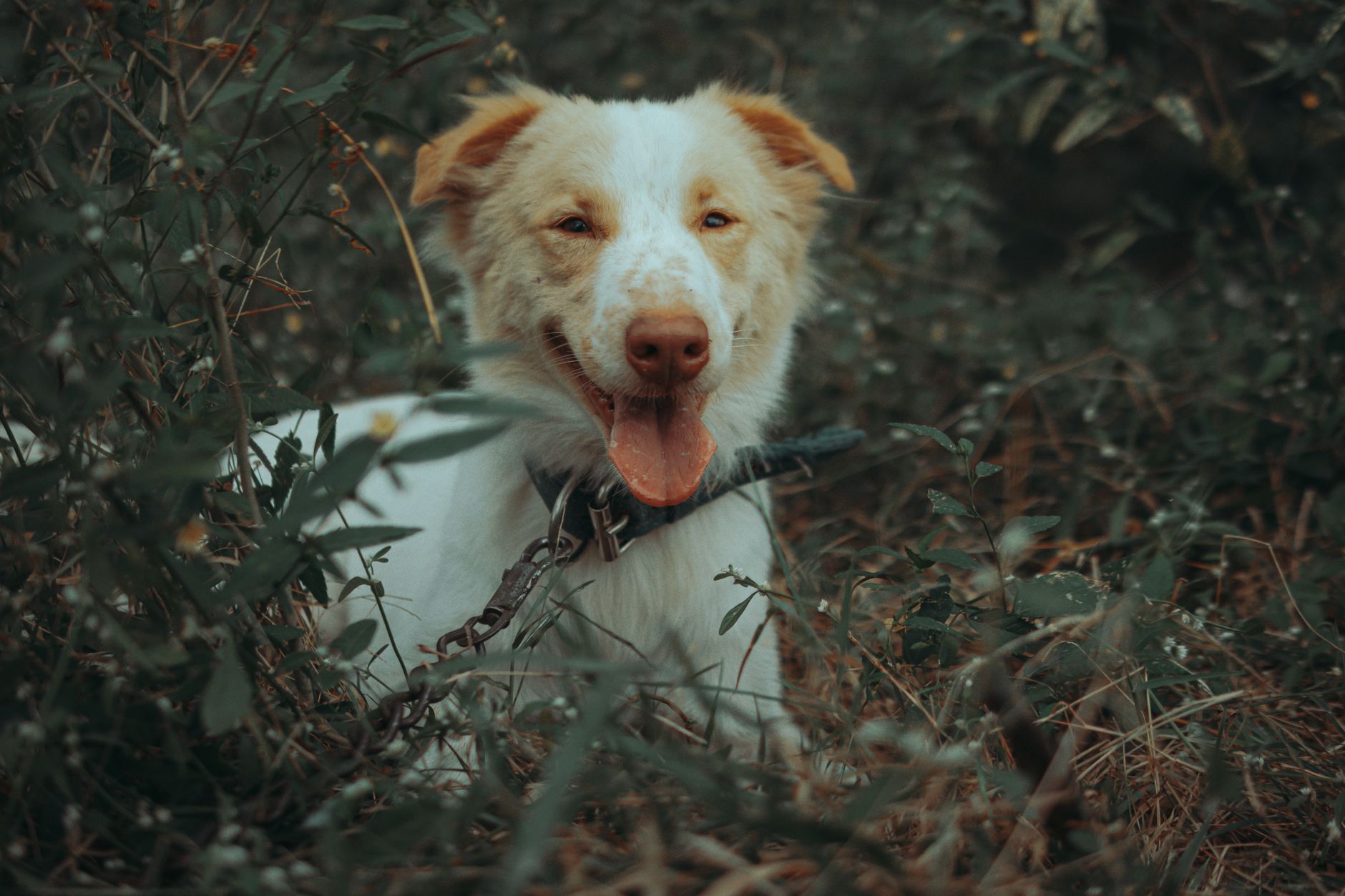
Do dogs forgive quickly? Yes, generally, dogs display remarkable resilience and tend to move on from perceived slights relatively quickly, especially when positive interactions follow a negative experience. Their capacity for forgiveness is a testament to their social nature and reliance on us for care and affection.
A Canine Perspective on Forgiveness
The human concept of forgiveness is complex, involving conscious decisions and emotional processing. Can we truly apply the same definition to dogs? While dogs may not experience forgiveness in exactly the same way, their behavior suggests a remarkable ability to let go of negative experiences and re-establish bonds. Understanding how dogs perceive and react to negative interactions is crucial for building strong, healthy relationships with our canine companions.
What colours are fish most attracted to?
Can you put your finger in a trout's mouth?
Is methylene blue anti bacterial?
Does aquarium salt raise pH in aquarium?
The Science of Canine Emotion
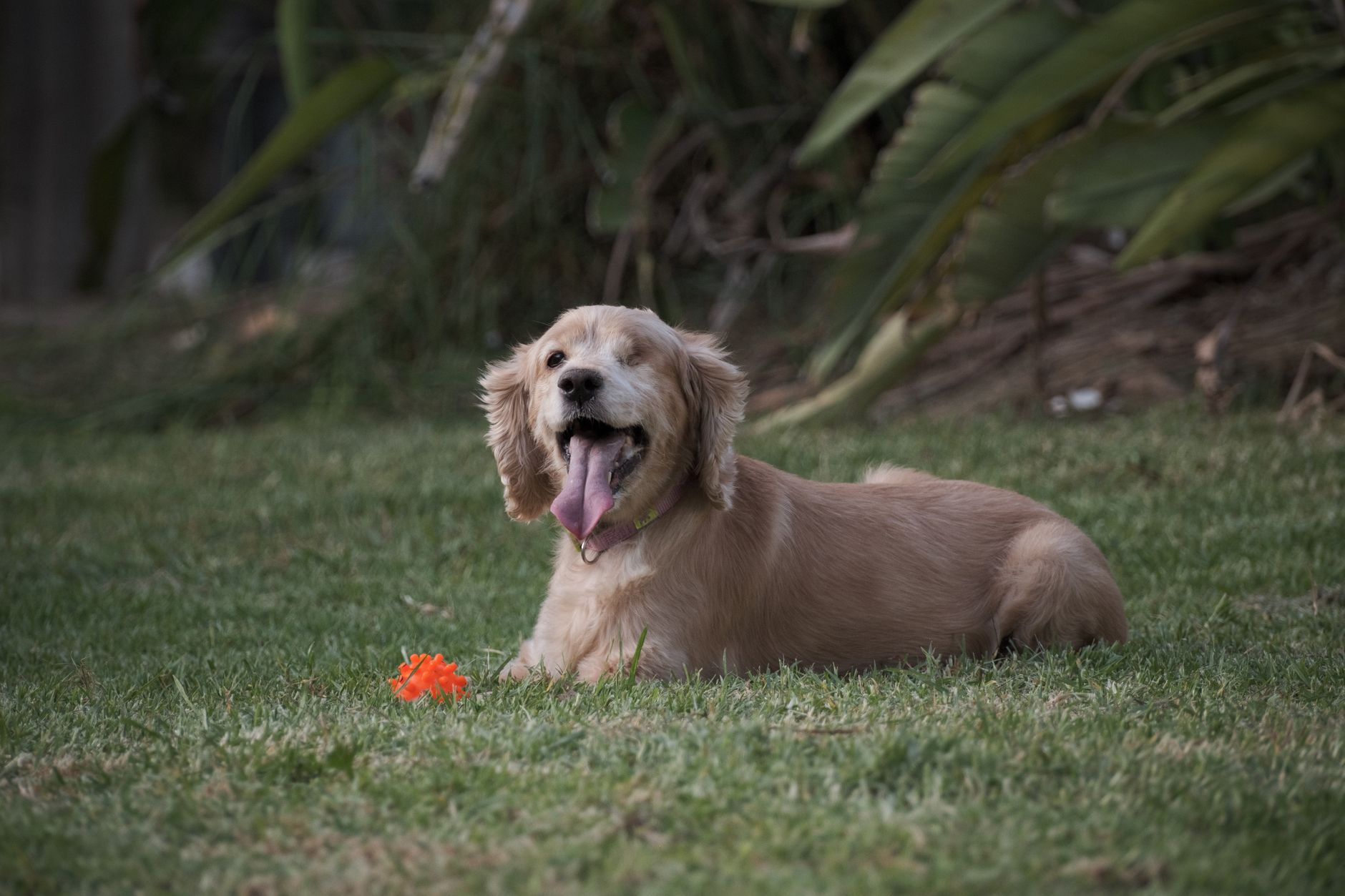
To understand if do dogs forgive quickly?, we must delve into their emotional world. Research has revealed that dogs experience a range of emotions, including joy, fear, anxiety, and even something akin to love. However, the depth and complexity of these emotions are still debated. What is clear is that dogs are highly attuned to human emotions and body language, and their behavior is significantly influenced by their interactions with us.
- Brain Structure: Studies show similarities between canine and human brain structures associated with emotions.
- Hormonal Responses: Dogs exhibit hormonal changes (e.g., cortisol levels) in response to stress, mirroring human responses.
- Behavioral Observations: Their displays of affection, excitement, and fear are strong indicators of emotional processing.
Factors Influencing Canine Forgiveness
Several factors play a role in how quickly do dogs forgive quickly?:
- Nature of the Offense: A brief scolding is likely to be forgotten more quickly than a physical punishment. The severity and duration of the negative experience significantly influence the dog’s response.
- Relationship History: A dog with a long history of positive interactions with its owner is more likely to forgive a single mistake than a dog with a history of abuse or neglect. Trust is a foundational element in their ability to move on.
- Temperament and Breed: Some breeds and individual dogs have a more naturally resilient temperament than others. Dogs bred for independent work may be less sensitive to human corrections than those bred for close companionship.
- Consistency of Treatment: Consistent positive reinforcement and clear communication are essential for building trust and reducing anxiety. Erratic or unpredictable behavior from the owner can make it harder for the dog to forgive and forget.
- Subsequent Positive Interactions: Immediately following a negative interaction with positive reinforcement, such as treats or play, facilitates rapid forgiveness.
Interpreting Canine Body Language
Understanding canine body language is essential for gauging how a dog is feeling and whether it has “forgiven” an offense. Some key indicators include:
- Relaxed Body Posture: A loose tail wag, relaxed muscles, and soft eyes are signs of a calm and comfortable dog.
- Play Bow: This is an invitation to play and indicates a desire for positive interaction.
- Seeking Affection: A dog that nudges you, leans against you, or solicits petting is showing that it is comfortable and trusting.
- Avoiding Eye Contact: While direct eye contact can be perceived as confrontational, avoiding eye contact altogether may indicate fear or anxiety. Averting gaze briefly, though, is often a sign of respect and deference.
- Lip Licking and Yawning: These can be displacement behaviors indicating stress or discomfort.
Best Practices for Maintaining a Strong Bond
To maximize your dog’s capacity to forgive, focus on these strategies:
- Positive Reinforcement: Reward good behavior with praise, treats, and affection. This builds a strong association between desired actions and positive outcomes.
- Clear Communication: Use clear and consistent verbal cues and body language to communicate your expectations.
- Avoid Physical Punishment: Physical punishment can damage your relationship with your dog and lead to fear and anxiety. It’s never the best approach.
- Respect Boundaries: Learn to recognize and respect your dog’s body language and signals. If your dog is showing signs of stress or discomfort, give it space and time to calm down.
- Provide Enrichment: Mental and physical stimulation can help reduce stress and anxiety, making your dog more resilient to negative experiences.
Common Mistakes Owners Make
Despite good intentions, some common mistakes can hinder a dog’s ability to forgive and rebuild trust:
- Inconsistent Discipline: Inconsistent rules and expectations can create confusion and anxiety for your dog.
- Overreacting: Overly harsh reactions to minor misbehavior can frighten your dog and damage your relationship.
- Holding Grudges: Dogs live in the moment. Holding a grudge or continuing to punish a dog after the fact will only confuse and frustrate them.
- Ignoring Signs of Stress: Failing to recognize and address signs of stress or anxiety can exacerbate the problem.
- Lack of Positive Reinforcement: Focusing solely on correcting negative behavior without providing adequate positive reinforcement can create a negative association with you.
Comparing Human and Canine Forgiveness
The table below highlights key differences in how humans and dogs process forgiveness:
| Feature | Humans | Dogs |
|---|---|---|
| Cognitive Process | Complex, involves reasoning and judgment | Simpler, primarily driven by emotions and instinct |
| Time Scale | Can take days, weeks, or even years | Typically much shorter, often within minutes |
| Memory | Detailed recollection of events | More focused on the immediate emotional state |
| Motivation | Moral or ethical considerations | Primarily driven by survival and social bonds |
| Communication | Verbal and non-verbal | Primarily non-verbal |
Frequently Asked Questions
How long does it typically take for a dog to “forgive” after being scolded?
Typically, dogs will “forgive” within a few minutes to a few hours after being scolded. This depends on the severity of the scolding, the dog’s temperament, and the immediate follow-up. Positive interactions, like a gentle petting or a treat, can significantly shorten this timeframe.
What are the signs that a dog is still holding a grudge or is upset?
Signs that a dog is still upset include avoiding eye contact, lowered tail, tucked ears, lip licking, yawning (when not tired), trembling, hiding, or refusing to eat. These behaviors signal stress and indicate that the dog hasn’t fully recovered from the negative experience.
Is it possible for a dog to never forgive an owner?
While rare, it is possible for a dog to develop long-term distrust or fear of an owner, especially after repeated instances of abuse or neglect. In such cases, professional intervention from a certified dog trainer or veterinary behaviorist is often necessary to help rebuild trust.
Does the breed of dog affect how quickly they forgive?
Yes, breed can play a role. Some breeds, like Golden Retrievers and Labrador Retrievers, are generally known for their laid-back and forgiving nature. Other breeds, such as some herding breeds, may be more sensitive and take longer to recover from negative experiences. However, individual temperament is also a significant factor.
How can I tell if my dog is just being submissive versus truly “forgiving” me?
Submission and forgiveness can appear similar. However, submission is often a response to fear or anxiety, while forgiveness indicates a return to a state of trust and comfort. A truly forgiving dog will eventually relax and engage in normal activities, whereas a submissive dog may remain tense and cautious.
What if my dog acts aggressively towards me after I’ve accidentally hurt them?
If a dog acts aggressively after being hurt, it’s crucial to seek professional help from a qualified dog trainer or veterinary behaviorist. This behavior could indicate pain-related aggression or a more serious underlying issue that needs to be addressed.
Is it okay to yell at my dog if they do something wrong?
While occasional, gentle scolding may be necessary, yelling is generally not recommended. It can frighten your dog and damage your relationship. Positive reinforcement and clear communication are far more effective methods of training.
Does using treats to “bribe” my dog after a negative experience negate the lesson?
Using treats immediately after a negative experience isn’t about bribing; it’s about re-establishing a positive association. It helps the dog move past the negative event and remember that you are a source of safety and comfort. Over the long term, focus on consistent training and positive reinforcement to teach desired behaviors.
Can a dog forgive another dog after a fight?
Yes, dogs can forgive each other after a fight, especially if they live together and have an established social hierarchy. Supervised reintroduction and positive reinforcement can help them rebuild their relationship.
My dog seems to hold grudges against certain people. Why is this?
Dogs may develop negative associations with specific people due to past negative experiences, perceived threats, or even scent. Consistency in positive reinforcement from these individuals is crucial to overwrite these associations.
What’s the difference between a dog forgetting something and forgiving someone?
Forgetting involves the loss of memory, while forgiveness involves releasing negative emotions and re-establishing trust. A dog might not remember the specifics of a negative event, but its emotional response will influence its behavior.
What is the most important thing to remember when trying to regain a dog’s trust after a mistake?
The most important thing is to be patient, consistent, and positive. Avoid harsh corrections, focus on positive reinforcement, and allow your dog to set the pace for rebuilding trust. Your genuine care and affection will go a long way.