

Do Dogs Feel Sad When Separated? Understanding Canine Separation Distress
Yes, dogs do feel sad when separated from their owners, experiencing a range of emotions from mild anxiety to severe distress. This can manifest in various behavioral changes and understanding the underlying causes is crucial for providing proper support.

The Roots of Canine Attachment
Dogs, through thousands of years of domestication, have evolved to form strong attachments to humans. This isn’t just about getting food and shelter; it’s a deep-seated emotional bond akin to that between parent and child. When this bond is disrupted, even temporarily, it can trigger feelings of sadness, anxiety, and fear. Understanding this inherent need for companionship is the first step in addressing separation-related issues.

What colours are fish most attracted to?
Can you put your finger in a trout's mouth?
Is methylene blue anti bacterial?
Does aquarium salt raise pH in aquarium?
Differentiating Separation Anxiety from Normal Behavior
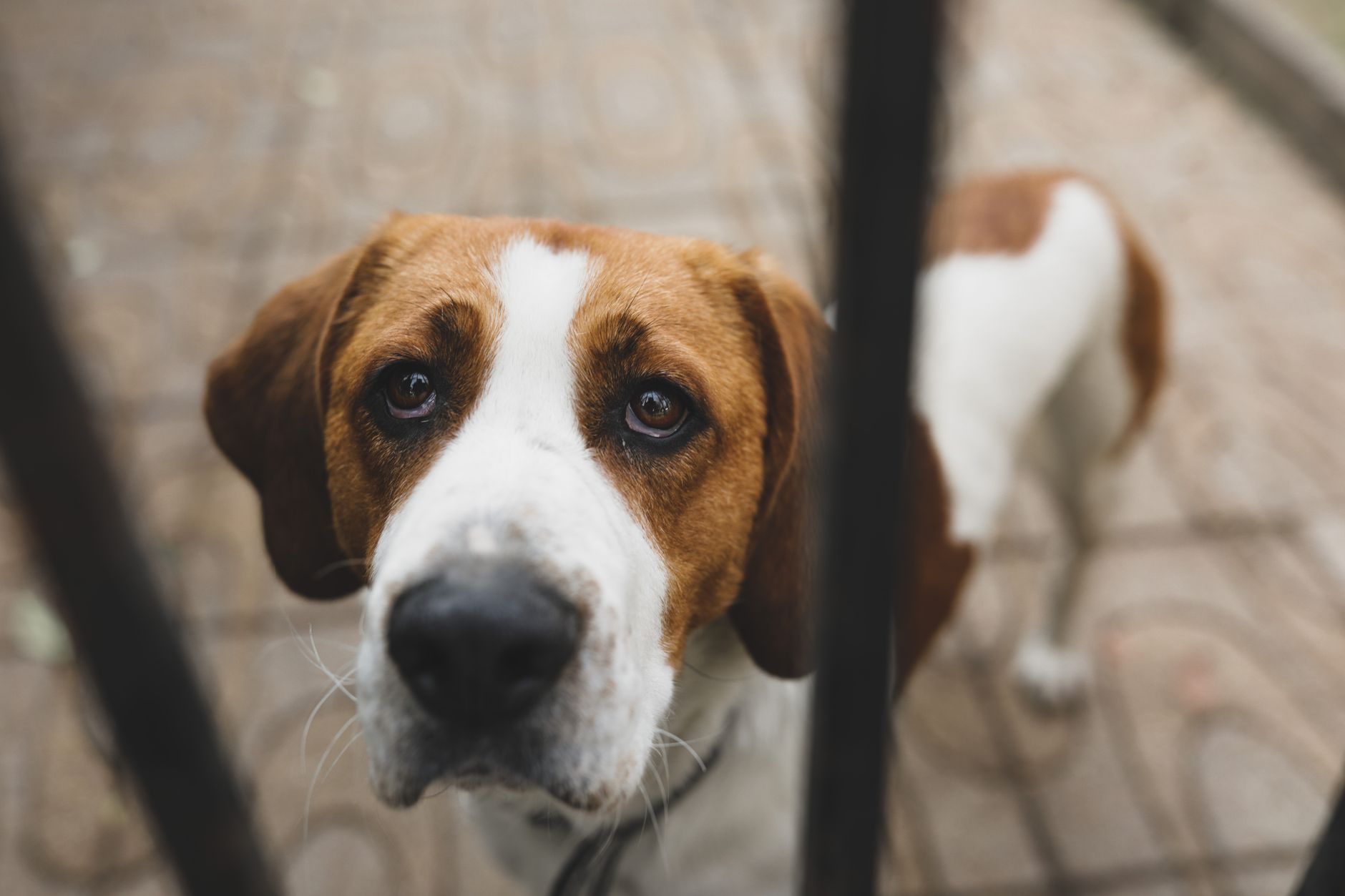
While it’s normal for a dog to whine or look longingly at the door when you leave, true separation anxiety is far more intense and destructive. The key is to distinguish between a temporary reaction and a persistent, debilitating condition. Here’s a comparison:
| Feature | Normal Reaction to Separation | Separation Anxiety |
|---|---|---|
| Duration | Brief | Prolonged (often entire absence) |
| Intensity | Mild | Severe |
| Behaviors | Whining, looking at door | Destructive chewing, barking, howling, urination/defecation |
| Occurrence | Occasional | Consistent upon separation |
Recognizing the Signs of Separation Distress
Identifying the signs of separation distress is vital for early intervention. These signs can be subtle at first but escalate if left unaddressed. Common indicators include:
- Destructive behavior: Chewing furniture, scratching doors, digging at carpets.
- Excessive vocalization: Barking, howling, whining that continues for extended periods.
- House soiling: Urinating or defecating indoors, even if the dog is housetrained.
- Pacing and restlessness: Inability to settle down, constant movement.
- Escape attempts: Trying to break out of confinement.
- Changes in appetite: Refusing to eat or drink when alone.
Addressing Separation Distress: A Multi-Faceted Approach
There’s no one-size-fits-all solution to separation distress. A combination of training, environmental modifications, and potentially medication may be necessary.
- Counter-conditioning: Associating your departure with positive experiences (e.g., a special treat).
- Desensitization: Gradually increasing the duration of your absences, starting with very short periods.
- Enrichment: Providing stimulating toys and activities to keep your dog occupied while you’re gone.
- Creating a safe space: Designating a comfortable and secure area for your dog, like a crate or bed.
- Consulting a professional: Seeking guidance from a certified dog trainer or veterinary behaviorist.
The Role of Routine and Consistency
Dogs thrive on routine. A consistent daily schedule helps them feel secure and predictable. Establishing a clear routine around departures can minimize anxiety. This includes feeding, walking, and playing before you leave.
Medication as a Treatment Option
In severe cases, medication may be necessary to manage separation anxiety. Antidepressants or anti-anxiety medications can help reduce the dog’s overall anxiety level, making training and behavioral modification more effective. However, medication should always be used in conjunction with training and under the supervision of a veterinarian. This is not a standalone solution.
Preventing Separation Distress from Developing
Prevention is always better than cure. From puppyhood, it’s important to teach your dog to be comfortable alone.
- Start with short absences: Gradually increase the time you leave your puppy alone.
- Provide a safe and comfortable environment: Ensure your puppy has a designated space where they feel secure.
- Avoid making a big deal out of departures and arrivals: Keep greetings and goodbyes calm and low-key.
- Encourage independence: Provide opportunities for your puppy to play and explore on their own.
Frequently Asked Questions (FAQs)
Can all dogs develop separation anxiety?
While any dog can potentially develop separation anxiety, certain breeds and dogs with a history of abandonment or trauma may be more prone to it. Early socialization and training are crucial in preventing the development of separation-related issues.
How can I tell if my dog is truly sad and not just bored?
Sadness in dogs can manifest differently than boredom. Boredom often presents as attention-seeking behavior or mild mischief, while sadness is typically accompanied by lethargy, loss of appetite, and a withdrawn demeanor. Context is important; observe your dog’s behavior in relation to specific situations.
Is it cruel to leave my dog alone at all?
Not necessarily. Most dogs can comfortably spend a few hours alone each day. The key is to ensure they have sufficient enrichment, a safe environment, and adequate exercise and mental stimulation. The duration of time a dog can be left alone varies depending on its age, breed, and individual needs.
What kind of toys are best for dogs with separation anxiety?
Interactive toys that dispense treats, puzzle toys, and long-lasting chews can help keep dogs entertained and occupied while alone. Choose toys that are safe and durable, and that your dog finds engaging. Rotate toys regularly to maintain interest.
Will getting another dog help with separation anxiety?
Introducing another dog may help in some cases by providing companionship. However, it’s not a guaranteed solution, and it could potentially exacerbate the problem if the dogs don’t get along or if the anxious dog transfers its anxiety to the new dog. Careful consideration and a gradual introduction are essential.
What if my dog’s separation anxiety is getting worse?
If your dog’s separation anxiety is worsening despite your efforts, it’s crucial to consult with a veterinarian or a certified veterinary behaviorist. They can rule out any underlying medical conditions and recommend a comprehensive treatment plan, including medication if necessary. Professional guidance is vital in severe cases.
How long does it take to treat separation anxiety?
The treatment timeline for separation anxiety varies depending on the severity of the condition, the dog’s individual temperament, and the consistency of the training. It can take weeks, months, or even longer to see significant improvement. Patience and consistency are key to success.
Can I accidentally reinforce my dog’s separation anxiety?
Yes, you can unintentionally reinforce separation anxiety by showering your dog with excessive attention or affection when you’re about to leave or when you return. This can inadvertently signal to your dog that something significant is happening, increasing their anxiety. Keep departures and arrivals calm and neutral.
What are some alternative therapies for separation anxiety?
Some alternative therapies that may help manage separation anxiety include:
- Aromatherapy: Using calming scents like lavender or chamomile.
- Thundershirts: Pressure wraps that provide a sense of security.
- Acupuncture: Stimulating specific points on the body to promote relaxation.
These therapies should be used as complementary treatments, not as a replacement for conventional methods.
Is it possible to completely cure separation anxiety?
While a complete cure may not always be possible, with consistent training, behavioral modification, and potentially medication, many dogs can learn to manage their separation anxiety and live happier, more relaxed lives. The goal is to reduce the severity of the symptoms and improve the dog’s overall well-being. Do dogs feel sad when separated? Yes, but we can help them feel better.
How does crate training relate to separation anxiety?
Crate training, when done properly, can provide a dog with a safe and secure space, which can help reduce anxiety. However, if a dog is forced into a crate or sees it as a punishment, it can exacerbate separation anxiety. Crate training should always be positive and gradual.
What role does exercise play in managing separation anxiety?
Adequate physical exercise can help reduce anxiety by burning off excess energy and promoting relaxation. A tired dog is less likely to engage in destructive behaviors. A combination of physical and mental stimulation is ideal for managing separation anxiety. Regular walks, playtime, and training sessions are all beneficial.