

Do Dogs Eventually Calm Down As They Get Older? A Comprehensive Guide
While some dogs eventually calm down as they get older, this isn’t a universal guarantee, and the degree of calmness varies greatly depending on breed, individual temperament, training, and lifestyle factors. Many experience a reduction in excessive energy levels, but proper socialization and training are crucial for managing behavior throughout their lives.
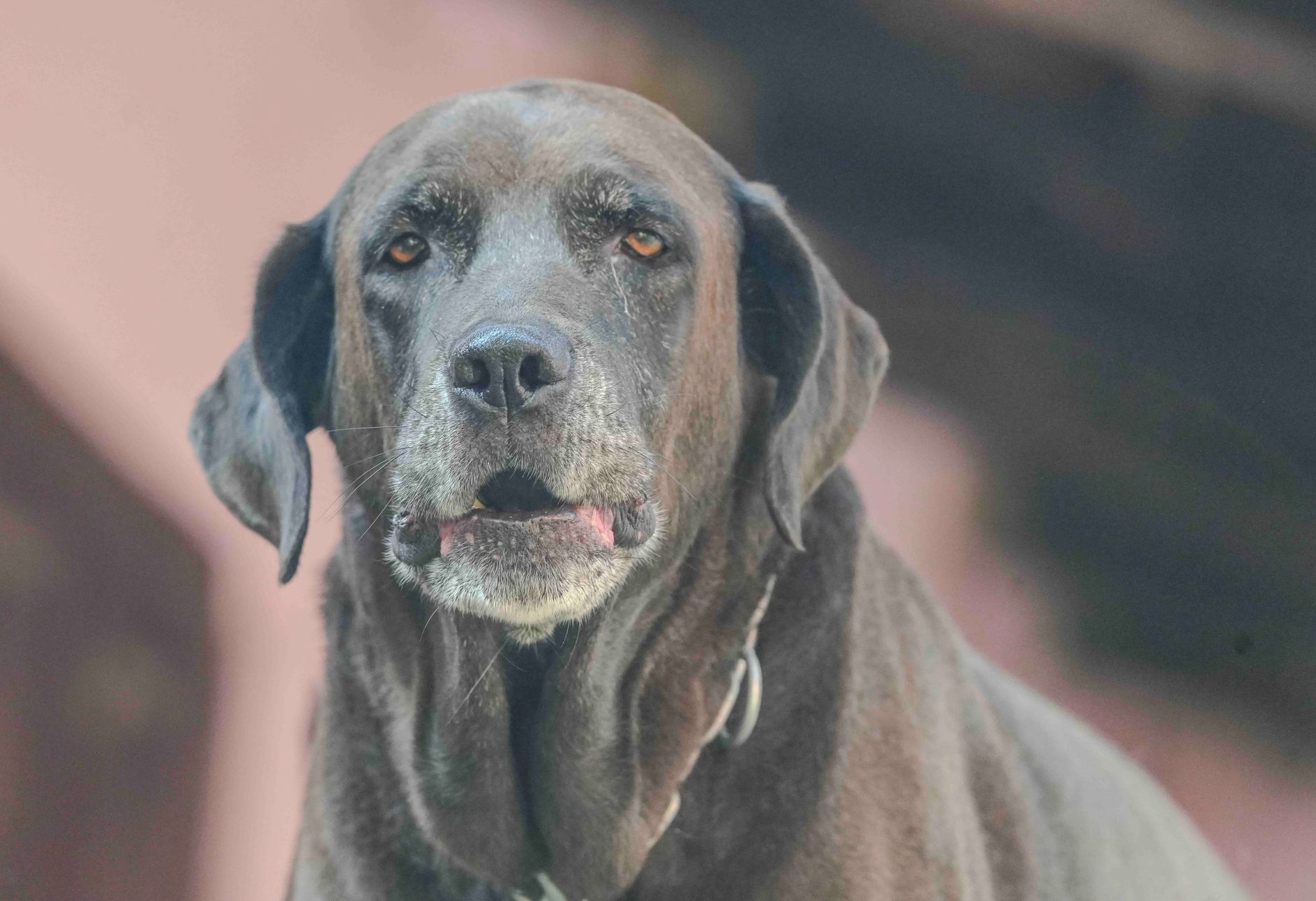
Understanding the Canine Aging Process
The notion of a hyperactive puppy eventually transforming into a mellow senior dog is a common hope for many dog owners. The reality, however, is more nuanced. The aging process in dogs, like humans, brings about both physical and behavioral changes. Understanding these changes is key to managing expectations and providing the best possible care for your canine companion.
-
Slowing Metabolism: As dogs age, their metabolism naturally slows down. This means they may not require as much food and, perhaps more significantly, they don’t burn energy as rapidly. This reduced energy expenditure contributes to a decrease in overall activity levels.
-
Arthritis and Joint Pain: One of the most significant factors affecting activity levels in older dogs is the onset of arthritis and other joint problems. These conditions can make it painful for dogs to run, jump, or even walk comfortably. This leads to a natural decline in physical activity and, consequently, a perceived calming down.
-
Sensory Decline: Age-related sensory decline, such as hearing loss or vision impairment, can also impact a dog’s behavior. A dog that can’t see or hear as well may become less reactive to external stimuli, leading to a quieter, less excitable demeanor.
-
Cognitive Dysfunction Syndrome (CDS): Sometimes referred to as canine dementia, CDS is a neurodegenerative condition that can affect older dogs. Symptoms can include confusion, disorientation, changes in sleep patterns, and altered social interactions. While CDS can sometimes lead to increased anxiety and restlessness, it can also manifest as decreased activity and responsiveness.
Is distilled water good for goldfish?
What colours are fish most attracted to?
Can you put your finger in a trout's mouth?
Is methylene blue anti bacterial?
Breed and Temperament: Influential Factors
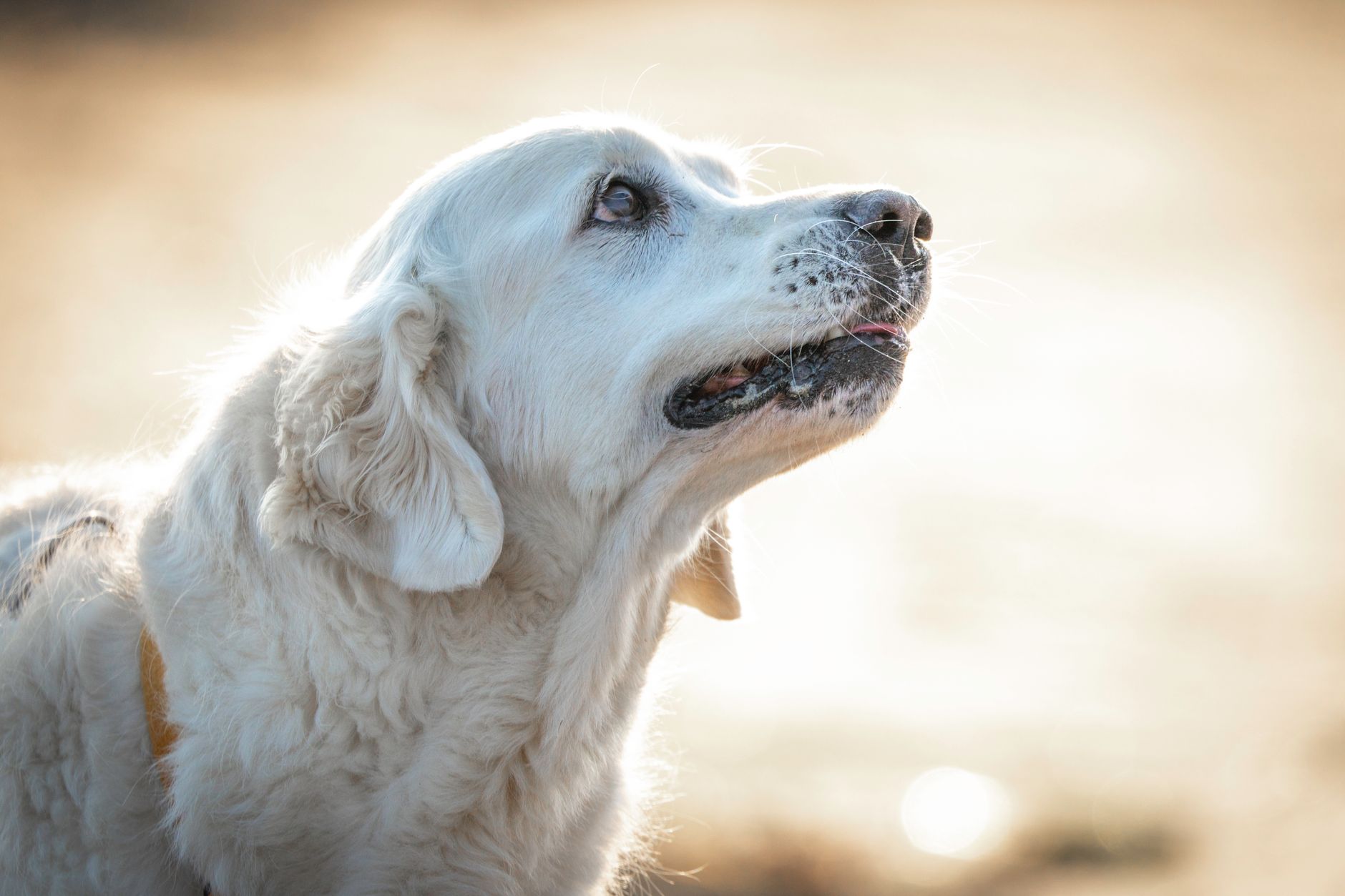
While age undeniably plays a role, it’s crucial to acknowledge the impact of breed and individual temperament. Certain breeds are naturally more energetic than others, and this inherent predisposition can persist even in old age.
-
High-Energy Breeds: Breeds such as Border Collies, Australian Shepherds, and Siberian Huskies are bred for high levels of activity. While they may slow down somewhat with age, their fundamental energy levels are typically higher than those of less active breeds.
-
Individual Temperament: Just like humans, dogs have distinct personalities. Some dogs are naturally more laid-back and easygoing, while others are more excitable and energetic. A dog’s inherent temperament will influence how they age and how much their behavior changes over time.
The Importance of Training and Socialization
Even if a dog’s breed predisposes them to higher energy levels or if they have a naturally excitable temperament, consistent training and socialization are critical for managing their behavior throughout their lives. A well-trained and socialized dog is more likely to be calm and well-behaved, regardless of their age.
-
Early Socialization: Exposing puppies to a variety of people, places, and experiences early in life helps them develop into well-adjusted adults. Proper socialization reduces anxiety and fear, which can contribute to calmer behavior.
-
Consistent Training: Reinforcing basic obedience commands throughout a dog’s life is essential. Regular training sessions not only keep their minds engaged but also reinforce desired behaviors, such as calmness and focus.
-
Mental Stimulation: Providing older dogs with mental stimulation, such as puzzle toys, interactive games, and short training sessions, can help keep their minds active and prevent boredom, which can sometimes manifest as restless or destructive behavior.
Addressing Underlying Medical Conditions
It’s important to rule out any underlying medical conditions that may be contributing to changes in a dog’s behavior. What may seem like a natural slowing down with age could, in fact, be a sign of a more serious problem.
-
Veterinary Checkups: Regular veterinary checkups are crucial for identifying and addressing any potential health issues. This is especially important for older dogs, as they are more prone to developing age-related conditions.
-
Pain Management: Addressing pain associated with arthritis or other musculoskeletal problems is essential for improving a dog’s quality of life and potentially calming their behavior. Pain medication and other therapies can help alleviate discomfort and allow dogs to move more comfortably.
-
Thyroid Problems: Hypothyroidism (underactive thyroid) can cause lethargy and decreased activity levels, while hyperthyroidism (overactive thyroid) is rare in dogs but can cause increased activity and restlessness. Thyroid testing can help diagnose these conditions.
| Factor | Effect on Calmness |
|---|---|
| Aging | Potentially increases, due to slower metabolism & physical limitations |
| Breed | Varies widely (some breeds naturally calmer than others) |
| Temperament | Strong influence on individual behavior |
| Training | Significantly promotes calmness |
| Medical Conditions | Can either increase or decrease calmness depending on condition |
Common Mistakes Owners Make
One common mistake is attributing all behavioral changes in older dogs to aging. It’s easy to assume that a dog is simply slowing down when, in reality, they may be experiencing pain or discomfort. Ignoring these signs can worsen underlying conditions and impact a dog’s quality of life.
Another common mistake is neglecting mental stimulation for older dogs. While physical exercise may become more limited, it’s still important to keep their minds engaged. Boredom can lead to restlessness, anxiety, and destructive behavior, even in older dogs.
Frequently Asked Questions (FAQs)
What age is considered “old” for a dog?
The definition of “old” varies depending on the breed and size of the dog. Generally, small dogs are considered senior at around 10-12 years old, while large breeds may be considered senior as early as 6-8 years old. The larger the breed, the shorter their lifespan tends to be.
How can I tell if my dog is slowing down due to age or a medical condition?
Observe your dog closely for any changes in their behavior, appetite, sleep patterns, or mobility. If you notice any concerning signs, such as limping, stiffness, loss of appetite, or increased lethargy, consult with your veterinarian. They can perform a thorough examination to determine the underlying cause of the changes.
What are some signs of cognitive dysfunction syndrome (CDS) in dogs?
Signs of CDS can include confusion, disorientation, changes in sleep-wake cycles, decreased interaction with family members, house soiling, and repetitive behaviors. Early diagnosis and treatment can help manage the symptoms and improve the dog’s quality of life.
Can I still train an older dog?
Absolutely! Older dogs are capable of learning new things, although they may require more patience and encouragement. Focus on positive reinforcement methods and keep training sessions short and engaging. Training helps keep their minds sharp and strengthens the bond between you and your dog.
How much exercise does an older dog need?
The amount of exercise an older dog needs will vary depending on their breed, size, and overall health. Consult with your veterinarian to determine a safe and appropriate exercise plan. Even short, gentle walks can be beneficial.
What type of mental stimulation is best for older dogs?
Puzzle toys, interactive games, scent work, and short training sessions are all excellent ways to provide mental stimulation for older dogs. Choose activities that are appropriate for their physical abilities.
What can I do to help my arthritic dog stay active?
There are several things you can do to help your arthritic dog stay active, including providing them with comfortable bedding, using ramps or steps to help them get on and off furniture, and administering pain medication as prescribed by your veterinarian. Gentle exercise, such as swimming or walking on soft surfaces, can also be beneficial.
Are there any supplements that can help calm an anxious older dog?
Several supplements may help calm an anxious older dog, including L-theanine, melatonin, and chamomile. Consult with your veterinarian before giving your dog any supplements, as some may interact with other medications.
Is it normal for older dogs to sleep more?
Yes, it is normal for older dogs to sleep more. As they age, their metabolism slows down, and they may tire more easily. Ensure they have a comfortable and quiet place to rest.
My older dog seems to be more clingy than before. Why is this?
Increased clinginess in older dogs can be due to a variety of factors, including anxiety, cognitive decline, or sensory loss. They may be seeking reassurance and security from their owners. Provide them with plenty of attention and affection.
Should I change my older dog’s diet?
Yes, you may need to change your older dog’s diet to meet their changing nutritional needs. Older dogs may benefit from a diet that is lower in calories and fat and higher in fiber. Consult with your veterinarian to determine the best diet for your senior dog.
How often should I take my older dog to the vet?
Older dogs should typically be taken to the vet for a checkup at least twice a year. This allows your veterinarian to monitor their health closely and identify any potential problems early on.