

Do Crocodiles Attack Unprovoked? Understanding Crocodile Aggression
Do crocodiles attack if unprovoked? The answer is complex but definitively yes, crocodiles are opportunistic predators and may attack even without direct provocation, especially if they perceive a threat, are protecting their territory or young, or simply see an easy meal.
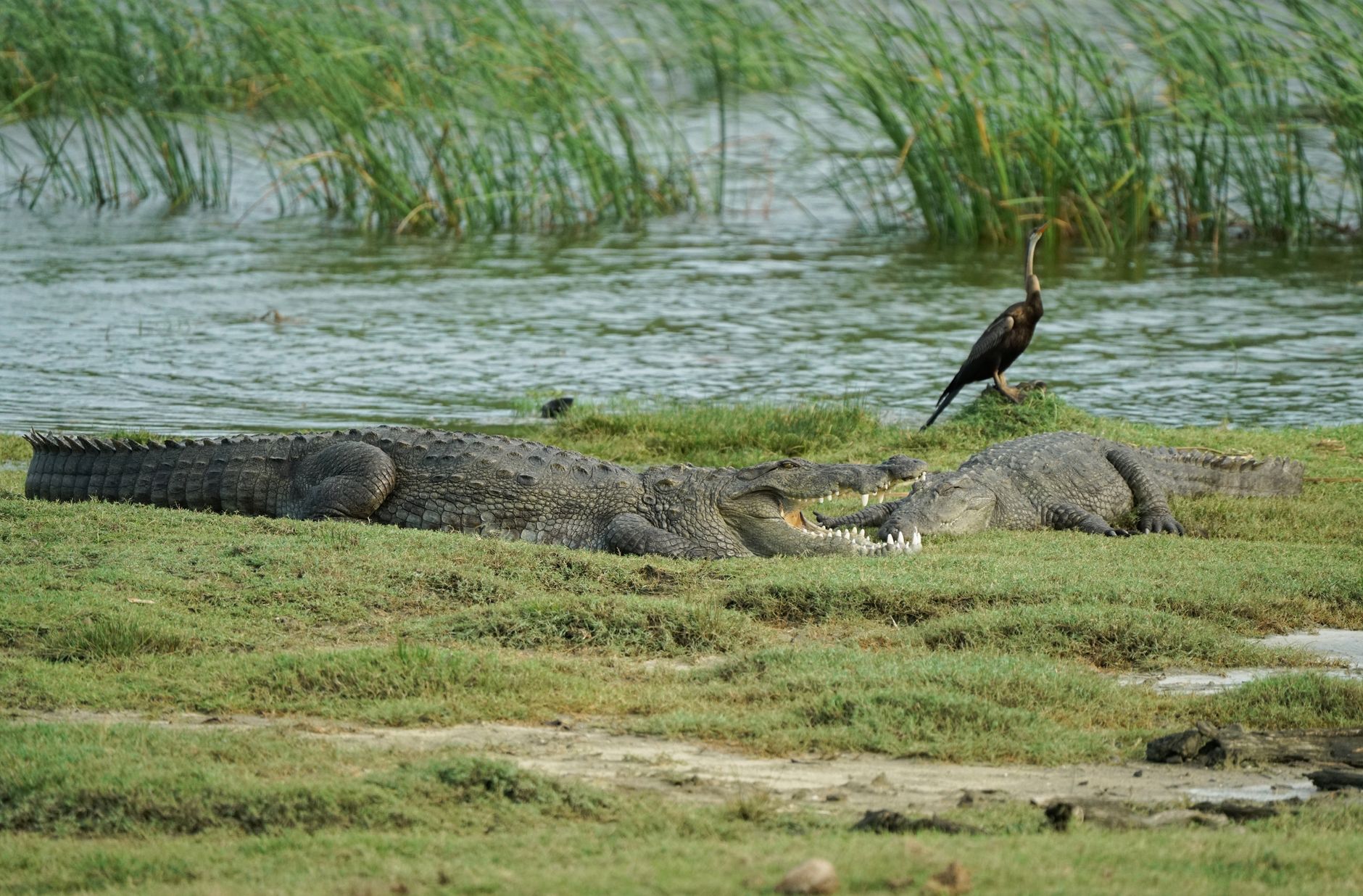
The Nature of the Crocodile: Apex Predator
Crocodiles are apex predators, meaning they sit at the top of their food chain. This position has been earned through millions of years of evolution, resulting in a creature perfectly adapted for ambushing prey. Understanding this basic fact is crucial to understanding their behavior and why they might attack. They are not malicious, but they are driven by instinct, specifically the instinct to survive and reproduce.

What colours are fish most attracted to?
Can you put your finger in a trout's mouth?
Is methylene blue anti bacterial?
Does aquarium salt raise pH in aquarium?
Why Crocodiles Attack: Beyond Provocation

While crocodiles may attack if provoked – such as being harassed or feeling threatened – attacks can also occur even when humans believe they are maintaining a safe distance. Several factors contribute to this:
- Mistaken Identity: Crocodiles sometimes mistake humans for their usual prey, particularly in murky water or low-light conditions.
- Territoriality: During breeding season, both male and female crocodiles become extremely territorial and protective of their nests and young. Approaching their territory, even unintentionally, can trigger an attack.
- Hunger: While crocodiles can go long periods without eating, a hungry crocodile is more likely to be opportunistic. They are ambush predators, meaning they wait for an easy meal to come within striking distance.
- Lack of Habituation: In areas where crocodiles are not accustomed to human presence, they may see humans as a novel food source, and therefore a potential meal.
Understanding Crocodile Behavior and Habitats
Learning about the specific species of crocodile in an area is important, as behavior varies. Saltwater crocodiles, for example, are considered more aggressive than freshwater crocodiles. Also, knowledge of typical crocodile habitats, hunting times (often dusk and dawn), and nesting seasons can significantly reduce the risk of encountering them. Awareness and respect for these creatures and their environment are key to preventing incidents.
Mitigation Strategies: Reducing the Risk of Attack
While eliminating the risk entirely is impossible, several strategies can significantly reduce the likelihood of a crocodile attack:
- Avoid Known Crocodile Habitats: Stay away from areas known to be inhabited by crocodiles, especially near water bodies.
- Heed Warning Signs: Pay attention to warning signs indicating crocodile presence and follow the instructions provided.
- Swim Only in Designated Areas: Only swim in designated swimming areas that are regularly monitored and deemed safe.
- Avoid Swimming at Dusk and Dawn: Crocodiles are most active during these times.
- Never Feed Crocodiles: Feeding crocodiles can make them lose their fear of humans and associate humans with food.
- Keep a Safe Distance: If you see a crocodile, maintain a safe distance and do not approach it.
- Supervise Children Closely: Children are more vulnerable to crocodile attacks due to their smaller size and less awareness of danger.
- Avoid Disturbing Nests: If you encounter a crocodile nest, do not approach it. Crocodiles are extremely protective of their nests and will attack if they feel threatened.
- Do not approach Crocodiles for Photographs: While getting the perfect shot may seem tempting, it is dangerous and places you within striking range of a potentially deadly predator.
Crocodile Attack Statistics: A Global Perspective
Although precise figures are difficult to obtain, crocodile attacks occur globally, with higher incidence rates in regions where humans and crocodiles share habitat. Australia, Southeast Asia, Africa, and parts of the Americas are hotspots. The frequency and severity of attacks vary depending on factors such as crocodile species, human population density, and conservation efforts. While most attacks are not fatal, they can result in serious injuries.
Species-Specific Behavior: A Table of Comparison
| Species | Aggressiveness | Habitat | Size | Typical Prey |
|---|---|---|---|---|
| Saltwater Crocodile | Very High | Coastal waters, estuaries, rivers | Up to 7 meters | Fish, turtles, birds, mammals |
| Nile Crocodile | High | Rivers, lakes, swamps | Up to 5.5 meters | Fish, reptiles, birds, mammals |
| American Crocodile | Moderate | Coastal areas, brackish waters | Up to 6 meters | Fish, crustaceans, small mammals |
| Mugger Crocodile | Moderate | Rivers, lakes, marshes | Up to 4.5 meters | Fish, reptiles, birds, mammals |
Frequently Asked Questions (FAQs)
What should you do if a crocodile attacks you?
If attacked, fight back aggressively. Aim for the eyes, snout, and throat, which are sensitive areas. Try to gouge the eyes or strike the snout repeatedly. Use any available weapon – a stick, a rock, or even your bare hands. The goal is to create enough discomfort and confusion to deter the crocodile. After escaping, seek immediate medical attention.
Are crocodiles more likely to attack at certain times of the year?
Yes, crocodiles tend to be more aggressive during their breeding and nesting seasons. These periods vary depending on the species and geographic location, but typically occur during warmer months. Both males and females are highly territorial and protective of their young, increasing the risk of attack if their territory is approached.
Do crocodiles have a particular preference for attacking humans?
No, crocodiles do not specifically target humans. They are opportunistic predators and will attack any animal they perceive as a suitable prey item. Attacks on humans often occur due to mistaken identity, encroachment on their territory, or because the crocodile is hungry.
How far can a crocodile jump out of the water?
Crocodiles are capable of surprising bursts of speed and can jump a considerable distance out of the water. While the exact height varies depending on the size and species of the crocodile, some can launch themselves upwards of half their body length or more. This is why maintaining a safe distance from the water’s edge is crucial.
Can crocodiles be deterred by loud noises?
Loud noises may temporarily startle a crocodile, but they are not a reliable deterrent. A determined crocodile will likely not be deterred by noise alone, especially if it is hungry or feels threatened. Focusing on aggressive defense is more effective in an attack situation.
Are there any specific colors that attract crocodiles?
There is no scientific evidence to suggest that crocodiles are attracted to specific colors. Attacks are primarily driven by instinct and opportunity, not by color preferences. However, bright colors can make you more visible and may increase the chances of being noticed in murky water.
How long can crocodiles stay underwater?
The amount of time a crocodile can stay underwater varies depending on its size, activity level, and the water temperature. In general, they can hold their breath for up to an hour, but most dives are much shorter, typically lasting only a few minutes. When threatened, they can remain submerged for longer periods.
What is the best way to avoid attracting crocodiles in their habitat?
The best way to avoid attracting crocodiles is to minimize your presence and disturbance in their habitat. Avoid swimming in murky water, especially at dusk and dawn. Do not approach the water’s edge unnecessarily. Keep a safe distance from known crocodile habitats and do not feed them.
Do crocodile farms reduce the risk of wild crocodile attacks?
The effect of crocodile farms on wild crocodile attacks is complex and not definitively proven. Some argue that farms can reduce the demand for wild crocodile skins, thus promoting conservation. However, other argue that escapees from farms can increase the local crocodile population, potentially leading to more encounters with humans.
What are the long-term effects on communities living near crocodile habitats?
Communities living near crocodile habitats face a constant risk of crocodile attacks. This can lead to fear, anxiety, and economic hardship, especially if attacks affect livestock or tourism. Conservation efforts, education programs, and community involvement are crucial for mitigating these impacts and promoting coexistence.
Is there a difference in aggression between male and female crocodiles?
During breeding season, both male and female crocodiles can display increased aggression. Males are territorial and compete for mates, while females are fiercely protective of their nests and young. However, outside of the breeding season, male crocodiles are generally considered more aggressive.
How do crocodiles choose their prey?
Crocodiles are opportunistic ambush predators that choose their prey based on availability, size, and ease of capture. They typically target animals that are within their size range and can be easily subdued. Factors such as hunger, territory, and the presence of young can also influence their prey selection.