
Do Coffee Grounds Absorb Odors? A Deep Dive
Yes, coffee grounds can effectively absorb odors, thanks to their porous structure and nitrogen content. This makes them a simple, natural, and cost-effective solution for freshening up various spaces.
The Science Behind Coffee Grounds and Odor Absorption
The effectiveness of coffee grounds in absorbing odors stems from their chemical and physical properties. Understanding these properties provides a foundation for appreciating their practical applications.
-
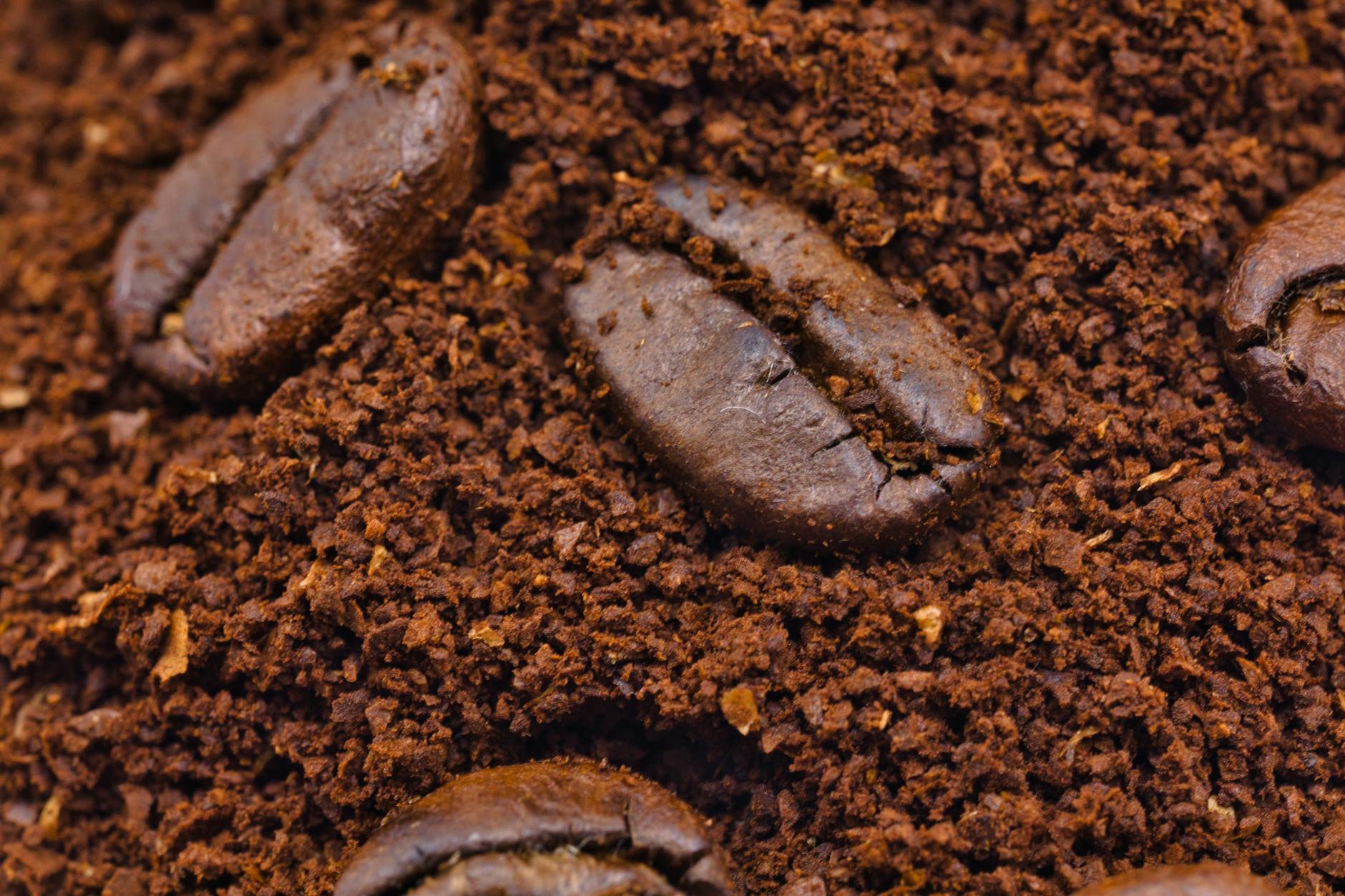
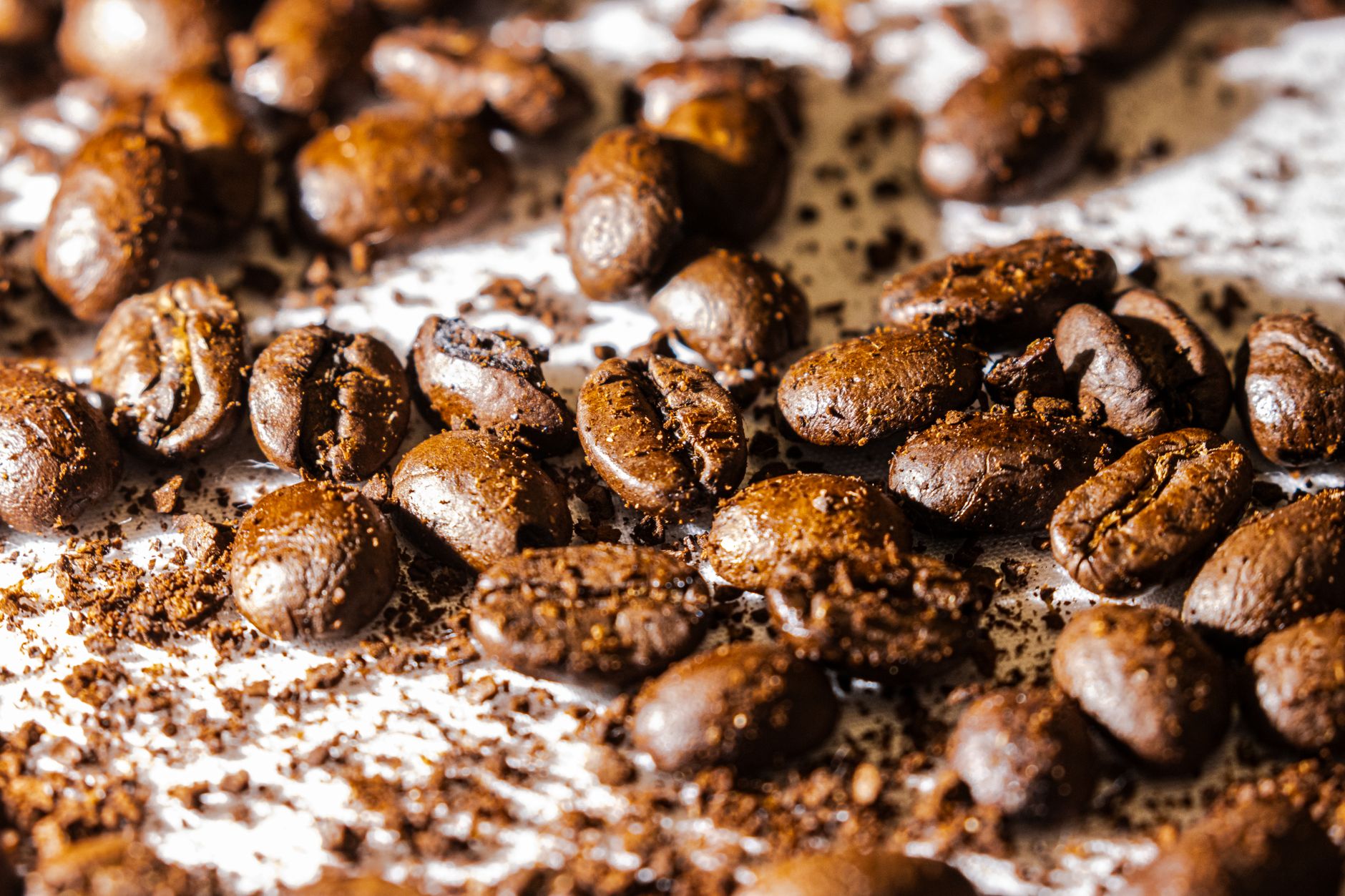
Porosity: The roasting process creates a vast network of pores within the coffee grounds. This dramatically increases the surface area available for odor molecules to attach to. Imagine it like a microscopic sponge, soaking up unwanted smells.
-
Nitrogen Content: Coffee grounds contain nitrogen, which reacts with sulfur-containing compounds, the culprits behind many unpleasant smells like those found in refrigerators or garbage disposals.
-
Adsorption vs. Absorption: It’s crucial to note that coffee grounds primarily adsorb odors rather than absorb them. Adsorption refers to the adhesion of molecules to a surface, while absorption involves the penetration of molecules into a substance. The porous surface of the grounds provides ample space for adsorption to occur.

What colours are fish most attracted to?
Can you put your finger in a trout's mouth?
Is methylene blue anti bacterial?
Does aquarium salt raise pH in aquarium?
Benefits of Using Coffee Grounds for Odor Control

Choosing coffee grounds as an odor absorber offers several advantages:
-
Natural and Eco-Friendly: A sustainable alternative to chemical-laden air fresheners. Using coffee grounds reduces waste and avoids introducing synthetic chemicals into your environment.
-
Cost-Effective: Often readily available as a byproduct of your morning brew, making them a budget-friendly option. Even purchasing used grounds from coffee shops is a very affordable solution.
-
Safe: Generally safe to use around children and pets, although ingestion should still be avoided.
-
Versatile: Applicable in numerous settings, from refrigerators to cars to shoes.
The Process: How to Effectively Use Coffee Grounds
Utilizing coffee grounds for odor control is straightforward, but optimizing the process ensures maximum effectiveness:
-
Dry the Grounds: Spread used coffee grounds on a baking sheet and bake at a low temperature (around 200°F or 93°C) until completely dry. This prevents mold growth, which would ironically create more odor. Avoid scorching the grounds.
-
Choose Your Container: Select a breathable container like a small bowl, an open jar covered with cheesecloth, or a porous fabric sachet.
-
Place Strategically: Position the container in the area where you want to eliminate odors. Consider the source of the smell and place the coffee grounds nearby.
-
Replace Regularly: Coffee grounds lose their effectiveness over time as they become saturated with odor molecules. Replace them every 2-4 weeks, or sooner if you notice the odors returning. The saturation rate is contingent on the degree of odor in the environment.
Common Mistakes to Avoid
While using coffee grounds for odor control is simple, avoiding common pitfalls will ensure success:
-
Using Damp Grounds: Damp coffee grounds are a breeding ground for mold and bacteria, defeating the purpose of odor elimination and potentially creating a new, unpleasant smell. Always ensure the grounds are completely dry before use.
-
Using Too Little: The amount of coffee grounds needed depends on the size of the area and the intensity of the odor. A small bowl of grounds might suffice for a refrigerator, but a larger space like a garage may require multiple containers.
-
Neglecting Maintenance: Failing to replace the grounds regularly allows them to become saturated, rendering them ineffective.
Applications: Where Can You Use Coffee Grounds?
The versatility of coffee grounds extends to numerous applications:
-
Refrigerator: Place a bowl of dry coffee grounds inside to absorb food odors.
-
Freezer: Similar to the refrigerator, coffee grounds can help eliminate freezer smells.
-
Car: A container of coffee grounds in your car can neutralize stale odors.
-
Shoes: Place dry coffee grounds in socks or pouches and insert them into shoes to absorb foot odor.
-
Garbage Disposal: Periodically grind small amounts of dry coffee grounds in your garbage disposal to freshen it up.
-
Compost Bin: Coffee grounds are a great addition to compost bins, adding nitrogen and helping to control odors.
-
Drawers and Closets: Place sachets of dry coffee grounds in drawers and closets to keep them smelling fresh.
| Application | Specific Use | Considerations |
|---|---|---|
| Refrigerator | Absorbing food odors | Replace regularly; ensure grounds are completely dry. |
| Car | Neutralizing stale smells | Use a container that won’t spill; avoid direct sunlight. |
| Shoes | Absorbing foot odor | Use in socks or pouches to avoid staining. |
| Garbage Disposal | Freshening the disposal | Use small amounts; avoid clogging the drain. |
| Compost Bin | Adding nitrogen and controlling odors | Mix with other compost materials. |
Frequently Asked Questions About Coffee Grounds and Odor Absorption
What types of coffee grounds work best for odor absorption?
Any type of coffee ground can work for odor absorption, but used coffee grounds are the most eco-friendly and cost-effective option. Ensure they are thoroughly dried to prevent mold.
Can I use fresh, unused coffee grounds?
While you can use fresh, unused coffee grounds, it’s generally considered a waste. Used grounds are perfectly effective for odor absorption and are a more sustainable choice. Save the fresh grounds for brewing coffee.
How long do coffee grounds last as an odor absorber?
The lifespan of coffee grounds as an odor absorber varies depending on the environment, but generally, they last for 2-4 weeks. Replace them sooner if you notice the odors returning. Monitor them for moisture and mold.
Do coffee grounds eliminate all types of odors?
Coffee grounds are effective against many common odors, particularly those containing sulfur compounds, such as food smells and pet odors. However, they may not be as effective against very strong or chemically-based odors.
Will coffee grounds make my house smell like coffee?
Coffee grounds may impart a slight coffee scent, but it’s typically very subtle and fades quickly. The primary function is odor absorption, not air freshening.
Can I reuse the coffee grounds after they’ve absorbed odors?
Once coffee grounds have been used for odor absorption, it’s generally best to discard them or add them to your compost bin. Their ability to absorb odors diminishes significantly after prolonged use.
Are coffee grounds safe for pets?
While coffee grounds are generally considered safe, ingestion should be avoided. Coffee contains caffeine, which can be toxic to pets in large quantities. Keep coffee grounds out of reach of pets, especially in areas where they might be tempted to eat them.
Can I mix coffee grounds with other odor-absorbing substances?
Combining coffee grounds with other natural odor absorbers like baking soda can enhance their effectiveness. A mixture of dry coffee grounds and baking soda can be particularly effective in refrigerators or freezers.
How do I dispose of used coffee grounds after odor absorption?
The best way to dispose of used coffee grounds is by composting them. Coffee grounds are a valuable addition to compost, providing nitrogen and helping to aerate the soil. Alternatively, you can simply discard them in the trash.
Can coffee grounds be used to absorb odors in clothing?
Yes, coffee grounds can be used to absorb odors in clothing, but proceed with caution. Place the clothing in a sealed bag with a container of dry coffee grounds for a few days. However, avoid direct contact to prevent staining, especially with light-colored fabrics.
What other natural odor absorbers can be used in conjunction with coffee grounds?
Baking soda, activated charcoal, and vinegar are all excellent natural odor absorbers that can be used alongside coffee grounds. Each substance has unique properties and targets different types of odors.
Does the grind size of the coffee grounds affect odor absorption?
The grind size of the coffee grounds doesn’t significantly impact their odor-absorbing capabilities. The porous nature and nitrogen content are the primary factors, regardless of whether the grounds are coarsely or finely ground. Both brewed and unbrewed grounds work!