

Do Clownfish Bites Hurt? Unpacking the Tiny Tiff
Clownfish bites are rarely painful, more like a gentle nip. While they might startle you, their small size and teeth generally mean they are not something to worry about.
Understanding the Clownfish Bite: A Gentle Nibble
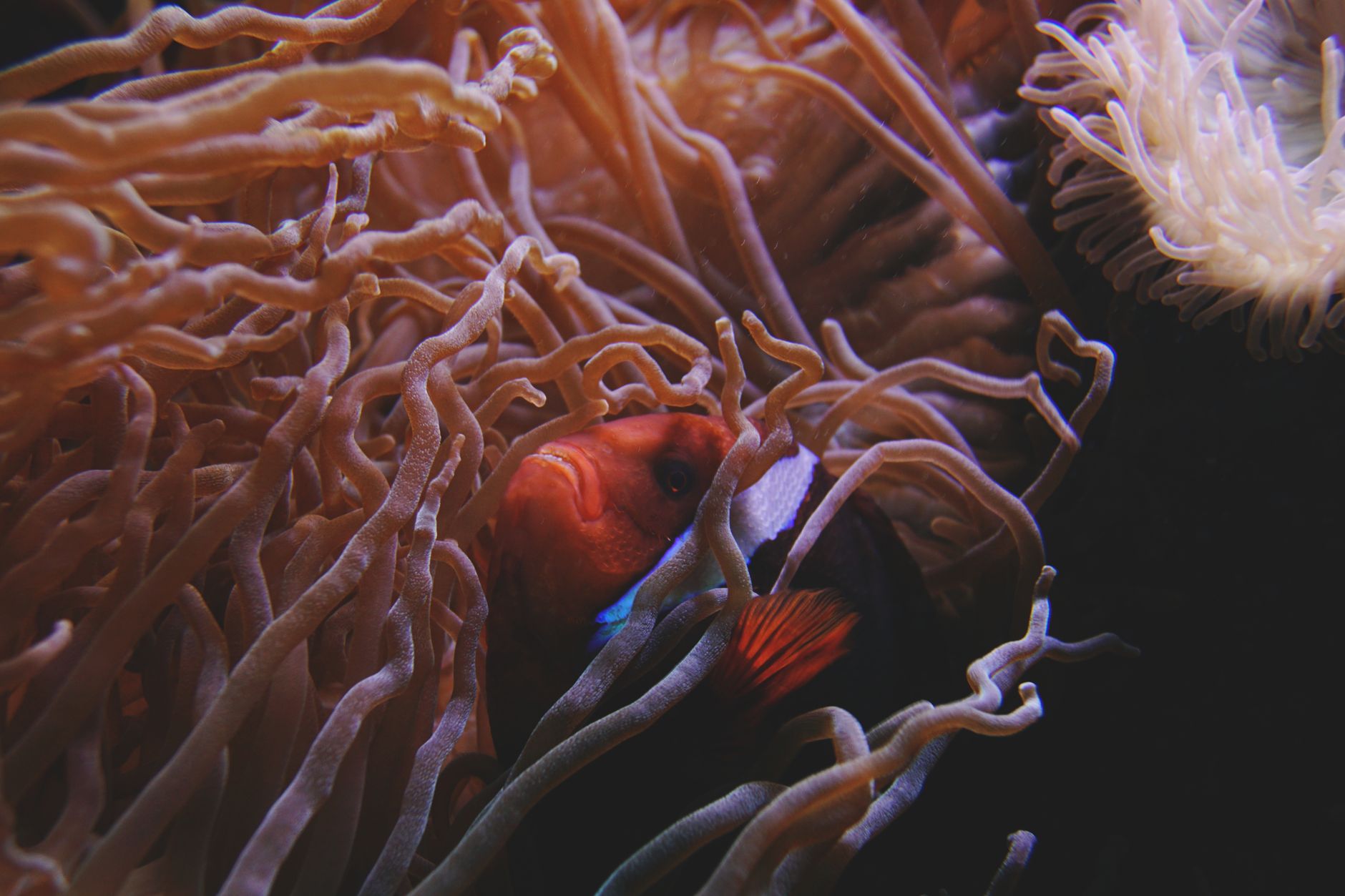
Clownfish, those vibrant orange and white striped fish popularized by animated films, are fascinating creatures. Their symbiotic relationship with sea anemones is well-known, but what about their behavior towards humans? Do clownfish bites hurt? is a common question, especially for those considering adding these fish to their home aquarium or encountering them while snorkeling. The answer lies in understanding their size, temperament, and the purpose of their bite.

What colours are fish most attracted to?
Can you put your finger in a trout's mouth?
Is methylene blue anti bacterial?
Does aquarium salt raise pH in aquarium?
Clownfish Size and Dentition: Why It Matters

Clownfish, also known as anemonefish, are relatively small. Depending on the species, they typically range in size from 2 to 6 inches. This small size directly correlates to the size of their mouths and teeth. Clownfish possess small, conical teeth designed for scraping algae and consuming small invertebrates. They are not equipped with powerful jaws or sharp teeth capable of inflicting significant pain. It’s crucial to consider that a creature’s anatomy directly influences its biting capability.
The Clownfish Temperament: Territorial Defenders
Clownfish are naturally territorial. They aggressively defend their anemone, which provides them with shelter and protection from predators. This territoriality is the primary reason they might bite. If you get too close to their anemone, a clownfish might perceive you as a threat and attempt to drive you away with a nip. This is more of a warning than a full-blown attack. Think of it as a tiny, finned guard dog protecting its home.
Why Clownfish Bite: Protection, Not Aggression
Clownfish bite as a defensive mechanism. They aren’t inherently aggressive towards humans, but they are fiercely protective of their home. The “bite” is usually a quick nip, intended to startle or deter the perceived intruder. The severity of the bite is also influenced by the individual fish’s personality. Some clownfish are bolder and more assertive than others.
Comparing Clownfish Bites to Other Fish Bites
Compared to other fish, a clownfish bite is incredibly mild. Fish like piranhas or barracudas have powerful jaws and sharp teeth capable of inflicting serious injury. A clownfish bite is more akin to a gentle peck than a true bite. In the spectrum of fish bites, do clownfish bites hurt significantly? The answer is definitively no, especially when compared to the bites of many other marine species.
Considerations for Aquarium Keepers
If you keep clownfish in an aquarium, it’s essential to respect their territory. Avoid putting your hands directly into their anemone without acclimating them to your presence. Even then, be prepared for a possible nip. Remember, it’s not malice, but instinctual behavior.
First Aid for a Clownfish Bite (If Necessary)
Since clownfish bites rarely cause any significant injury, first aid is usually unnecessary. However, if the skin is broken (which is rare), it’s essential to clean the area with soap and water to prevent infection. Monitor for any signs of redness, swelling, or pain, and consult a doctor if you’re concerned. The chance of infection is low, but taking precautions is always a good idea.
Common Mistakes to Avoid
- Disregarding their territorial nature: Understand they will defend their anemone.
- Teasing or provoking them: This can increase the likelihood of being bitten.
- Assuming all clownfish are the same: Individual personalities vary.
Summary Table of Clownfish Bite Characteristics
| Feature | Description |
|---|---|
| Pain Level | Minimal to none |
| Cause | Territorial defense of anemone |
| Teeth | Small, conical |
| Aggressiveness | Not inherently aggressive, but territorial |
| Risk of Infection | Low |
| First Aid Required | Usually none, but clean if skin is broken |
FAQs: Clownfish Bites Explained
Can a clownfish bite through skin?
While technically possible if the fish is large and the skin is very thin, it’s highly unlikely. Their teeth are small and their bite force is minimal, making it rare for a clownfish to puncture the skin.
Are clownfish bites poisonous?
Clownfish bites are not poisonous. They do not possess venom or toxins. Any discomfort is purely due to the physical nip.
How do I prevent a clownfish from biting me in my aquarium?
- Acclimate the clownfish to your presence by slowly introducing your hand into the tank over time. Avoid sudden movements.
- Avoid placing your hand directly into their anemone unless absolutely necessary.
- Feed them regularly to reduce their urge to defend their food source.
What if a clownfish draws blood?
It’s extremely rare for a clownfish to draw blood. If it does happen, clean the area thoroughly with soap and water, and apply an antiseptic. Monitor for signs of infection, but don’t be overly concerned.
Are clownfish bites dangerous to children?
Clownfish bites are not dangerous to children. The nip might startle them, but it will not cause significant harm. Supervise children around aquariums to prevent them from provoking the fish.
Do different species of clownfish have different bite strengths?
While there might be slight variations, the overall bite strength among different clownfish species is generally similar and weak. Larger species may exert slightly more force, but the difference is minimal.
What do clownfish eat that affects their bite?
Clownfish are omnivores, feeding on algae, small invertebrates, and plankton. Their diet does not directly influence the strength of their bite.
Can clownfish bites transmit diseases?
Clownfish bites are extremely unlikely to transmit diseases. However, maintaining a clean aquarium environment is essential for the health of both the fish and the aquarium keeper.
What should I do if I get bitten while snorkeling?
Clean the area with seawater and, if possible, soap and water when you return to shore. Monitor for any signs of infection. The risk of infection is low, but it’s better to be safe.
Do clownfish bites hurt more than other fish nips?
Generally, clownfish bites hurt less than the nips of many other fish, due to their small size and dentition. Many small fish are much more aggressive.
Are clownfish aggressive towards other fish in the aquarium?
Clownfish can be aggressive towards other fish, especially if they are introduced into an established clownfish territory. Choose tank mates carefully and provide ample space to minimize aggression.
Is it safe to handle clownfish?
While handling clownfish is not inherently dangerous, it’s generally not recommended. Handling them can stress the fish and disrupt their protective slime coat. It’s best to observe them in their natural habitat within the aquarium.