

Do Cichlids Like Algae? A Deep Dive into Their Dietary Habits
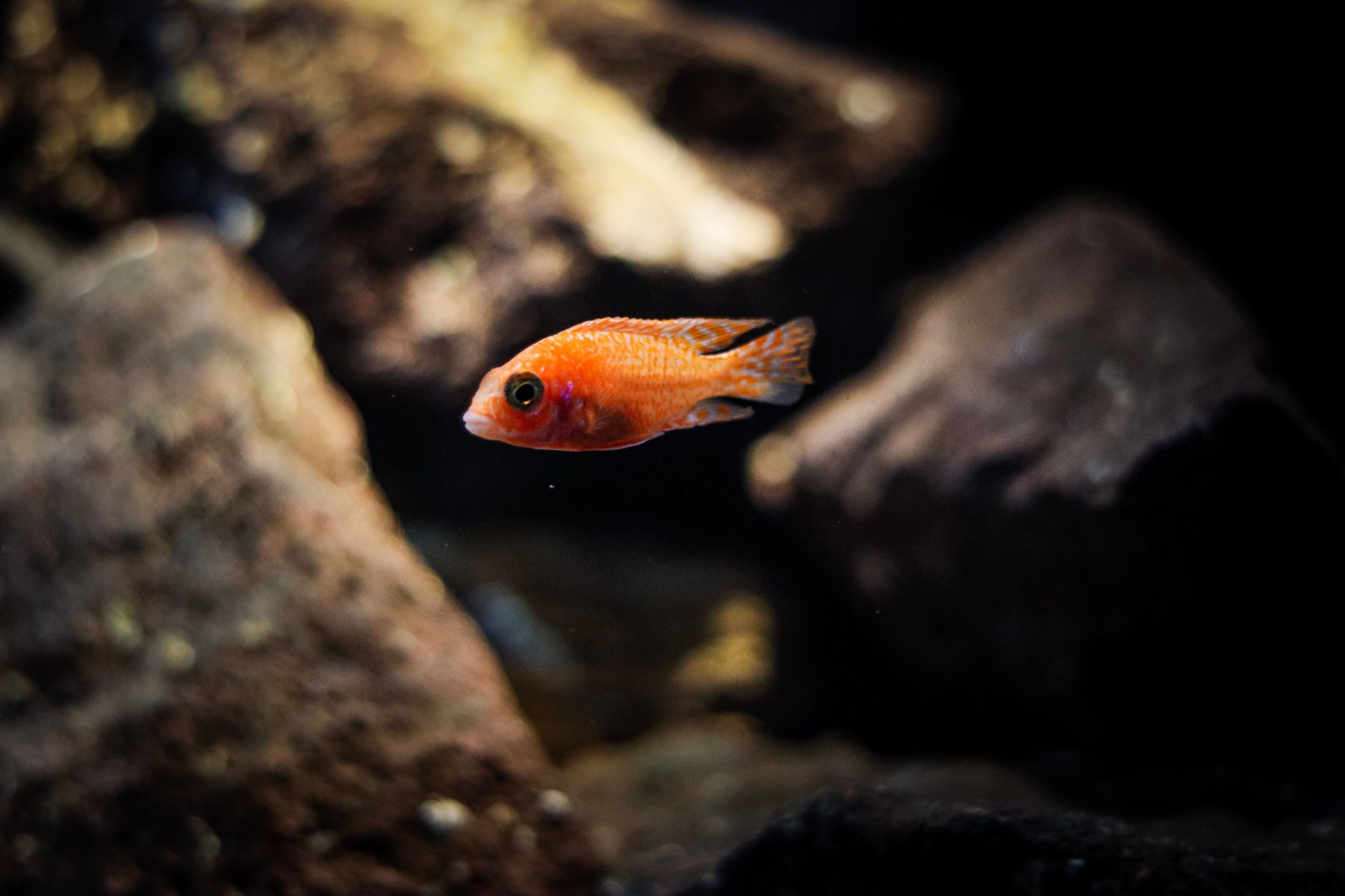
Do cichlids like algae? The answer is a nuanced yes, depending on the species. Some cichlids are avid algae eaters, while others prefer entirely different food sources.

Understanding Cichlid Diets: More Than Meets the Eye
Cichlids, a diverse family of fish found primarily in South America, Africa, and Asia, exhibit an incredible range of dietary preferences. Understanding these preferences is crucial for responsible fishkeeping. Many misconceptions exist about their diet, and simply assuming that all cichlids behave the same way can lead to health problems and even death.
- Omnivores: The largest group, consuming both plant and animal matter.
- Herbivores (Algivores): Specializing in algae and other plant-based foods.
- Carnivores: Primarily feeding on invertebrates, insects, and smaller fish.
Do cichlids like algae? This question really highlights the need to identify which type of cichlid you are housing or plan to house. Ignoring this can lead to a poorly balanced diet.
What colours are fish most attracted to?
Can you put your finger in a trout's mouth?
Is methylene blue anti bacterial?
Does aquarium salt raise pH in aquarium?
The Algivorous Cichlid: Algae as a Staple

For certain cichlids, algae forms a substantial part of their natural diet. These species, often referred to as algivores, have evolved specialized adaptations for scraping algae from rocks and other surfaces.
- Specialized Teeth: Adapted for scraping algae off rocks.
- Elongated Digestive Tracts: Allowing for efficient processing of plant matter.
- Social Behavior: Many algivorous cichlids graze in groups.
Some popular algivorous cichlids include:
- Tropheus species (e.g., Tropheus duboisi)
- Petrotilapia species
- Certain Mbuna species from Lake Malawi (e.g., Labidochromis caeruleus)
These cichlids often have a symbiotic relationship with algae, helping to control its growth in their environment while simultaneously obtaining a vital food source.
Algae as a Supplement: The Omnivore’s Perspective
Even omnivorous cichlids can benefit from algae in their diet. Algae provides essential nutrients, including vitamins, minerals, and fiber, which contribute to overall health and well-being.
- Vitamins and Minerals: Algae is rich in essential vitamins and minerals.
- Fiber: Promotes healthy digestion.
- Pigments: Algae contains pigments like astaxanthin, which can enhance coloration.
Offering algae-based foods or allowing algae to grow in the tank can be a valuable way to supplement the diet of omnivorous cichlids.
Identifying Algae-Eating Cichlids: Key Characteristics
Distinguishing between algivorous and non-algivorous cichlids is crucial for providing appropriate care. Look for these telltale signs:
| Characteristic | Algivorous Cichlids | Non-Algivorous Cichlids |
|---|---|---|
| Mouth Shape | Downward-facing, often with thick lips. | Forward-facing or upward-facing. |
| Teeth | Numerous, small, and specialized for scraping. | Larger, conical, or sharp teeth. |
| Gut Length | Long and complex. | Shorter and simpler. |
| Feeding Behavior | Constantly grazing on rocks and other surfaces. | Hunting, scavenging, or ambush predation. |
Careful observation of these characteristics can help you determine if a cichlid is likely to benefit from an algae-rich diet.
Providing Algae for Cichlids: Methods and Options
There are several ways to provide algae for cichlids in an aquarium setting:
- Natural Growth: Allowing algae to grow naturally on rocks and tank walls.
- Algae Wafers: Commercially available algae wafers or pellets.
- Blanched Vegetables: Feeding blanched vegetables like spinach, zucchini, or romaine lettuce.
- Live Algae Cultures: Introducing live algae cultures into the tank.
Monitor algae growth closely and adjust feeding strategies accordingly to maintain optimal water quality. Overfeeding can lead to algae blooms and other problems.
Frequently Asked Questions (FAQs)
Why is algae important for some cichlids?
Algae serves as a primary food source for algivorous cichlids, providing them with the essential nutrients, vitamins, and fiber they need to thrive. For these species, algae is not just a supplemental food; it’s a dietary staple. Without sufficient algae in their diet, they can suffer from malnutrition and health problems.
What types of algae are best for cichlids?
Different types of algae offer varying nutritional benefits. Green algae is generally considered the most nutritious, while brown algae (diatoms) and blue-green algae (cyanobacteria) are less desirable. A diverse algae growth is generally the most beneficial.
How can I encourage algae growth in my tank?
To encourage algae growth, provide adequate lighting (around 12-14 hours per day) and maintain nutrient levels in the water. Avoid excessive cleaning of rocks and tank walls. However, balance is key. Too much algae can be detrimental to water quality.
Can I use algae eaters other than cichlids in my tank?
Yes, other algae eaters, such as otocinclus catfish and nerite snails, can be used in conjunction with cichlids to control algae growth. However, ensure that these species are compatible with your cichlids’ temperament and water parameters.
What if my cichlids won’t eat algae?
If your cichlids aren’t interested in algae, they may not be algivorous species. In this case, focus on providing a well-balanced diet that meets their specific needs. Offer a variety of foods, including commercial cichlid pellets, frozen foods, and live foods.
How often should I feed my cichlids algae?
The frequency of algae feeding depends on the species of cichlid. Algivorous cichlids should have constant access to algae, while omnivorous cichlids can be fed algae supplements a few times per week.
Is too much algae harmful to cichlids?
While algae is beneficial, excessive algae growth can be harmful. It can deplete oxygen levels in the water, increase ammonia levels, and create unsightly conditions. Regular water changes and proper filtration are essential for controlling algae growth.
What are algae wafers made of?
Algae wafers typically contain a blend of algae meal, spirulina, and other plant-based ingredients. They provide a convenient and nutritious way to supplement the diet of algivorous and omnivorous cichlids.
How do I know if my cichlid is getting enough algae?
Observe your cichlids’ behavior and appearance. Healthy algivorous cichlids will be actively grazing on algae and will exhibit bright coloration and robust growth. If they appear lethargic, underweight, or have faded colors, they may not be getting enough algae.
Can I use artificial algae rocks in my tank?
Artificial algae rocks can provide a decorative element and a surface for algae to grow on, but they do not provide the same nutritional benefits as natural algae. They can be a supplement, but should not be the primary food source.
What are some good vegetable alternatives to algae for cichlids?
If algae is scarce, blanched vegetables like spinach, zucchini, romaine lettuce, and peas can provide similar nutritional benefits. Ensure that the vegetables are well-cooked and chopped into small pieces for easy consumption.
Can cichlids get sick from eating algae?
While generally safe, poor water quality can contaminate algae with harmful bacteria or parasites. Maintaining a clean and healthy aquarium environment is crucial for preventing disease. Always observe your cichlids for any signs of illness.