
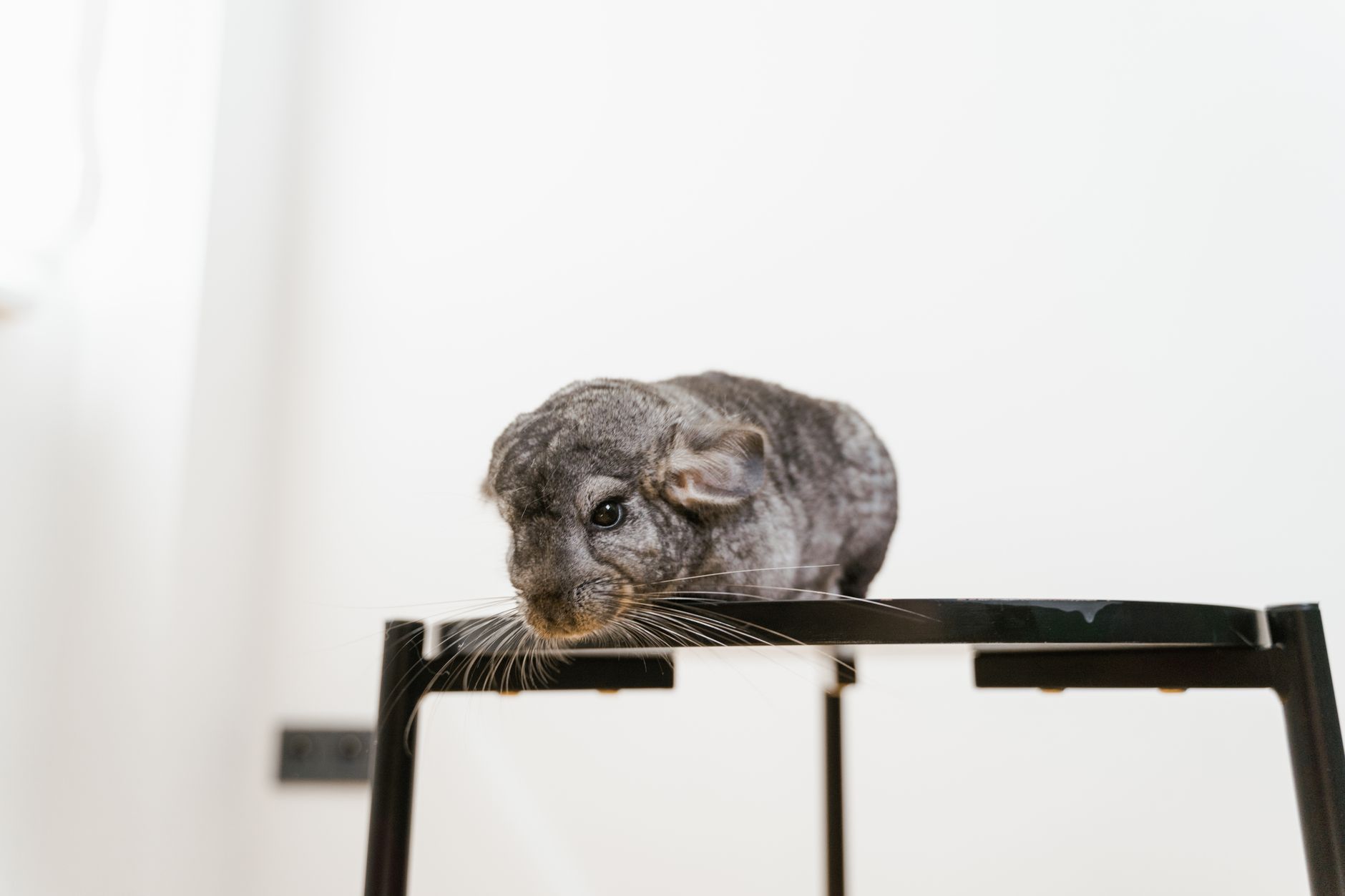
Do Chinchillas Get Ringworm? Understanding and Treating Fungal Infections
Yes, chinchillas can get ringworm, a common fungal infection that affects their skin and fur. Early detection and proper treatment are crucial for preventing its spread and ensuring your chinchilla’s health.
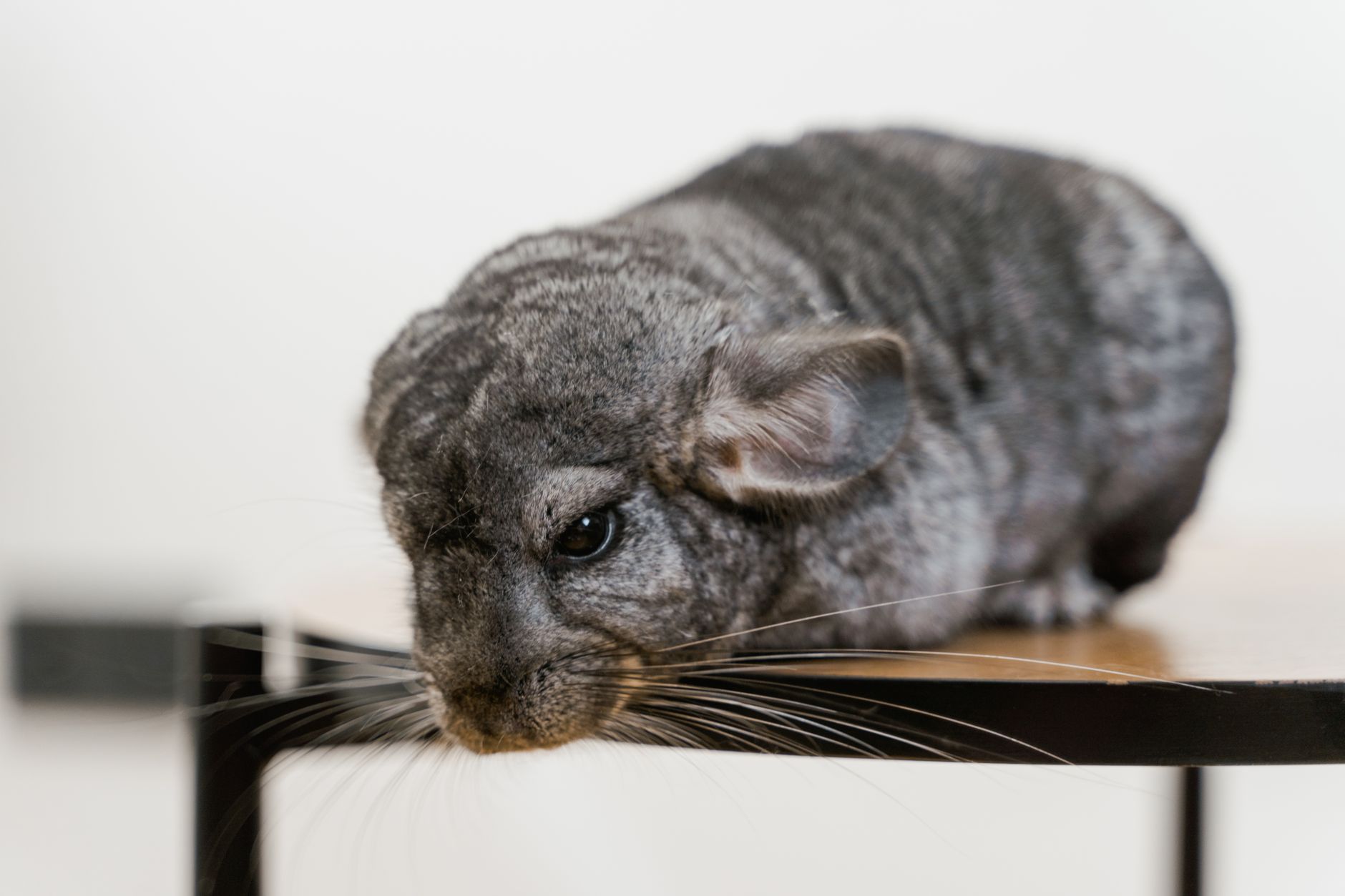
Ringworm is a frustrating condition for both pet owners and their beloved chinchillas. While the name suggests a worm, it’s actually a fungal infection that can cause significant discomfort. This article delves into the world of chinchilla ringworm, exploring its causes, symptoms, diagnosis, treatment, and preventative measures. Understanding this common ailment is vital for responsible chinchilla ownership and ensuring your furry friend lives a happy, healthy life.
What is Ringworm and How Does It Affect Chinchillas?
Ringworm, also known as dermatophytosis, is a fungal infection of the skin, hair, and nails. In chinchillas, it’s most commonly caused by the fungi Trichophyton mentagrophytes and Microsporum gypseum. The infection spreads through direct contact with infected animals, contaminated surfaces, or even humans. The fungi thrive in warm, moist environments.

Is distilled water good for goldfish?
What colours are fish most attracted to?
Can you put your finger in a trout's mouth?
Is methylene blue anti bacterial?
Recognizing the Symptoms of Ringworm in Chinchillas

Early detection is key to successful treatment. Be vigilant and watch for these common signs:
- Circular patches of hair loss: This is the classic sign of ringworm. The patches are often red and scaly.
- Itching and scratching: Affected chinchillas may scratch excessively at the infected areas, which can lead to further skin damage and secondary bacterial infections.
- Dry, flaky skin: The skin in the affected areas may appear dry, scaly, and inflamed.
- Redness and inflammation: The skin surrounding the hair loss patches may be visibly red and inflamed.
- Changes in fur quality: The fur near the affected areas may appear brittle and dull.
How is Ringworm Diagnosed in Chinchillas?
If you suspect your chinchilla has ringworm, it’s crucial to consult a veterinarian specializing in exotic animals. They can perform several diagnostic tests, including:
- Wood’s lamp examination: This involves shining a special ultraviolet (UV) light on the affected areas. Some species of ringworm fungi will fluoresce under UV light, appearing bright green. However, not all ringworm fungi fluoresce, so a negative result doesn’t rule out infection.
- Microscopic examination of hair and skin scrapings: The vet will collect hair and skin samples from the affected areas and examine them under a microscope to look for fungal spores.
- Fungal culture: This is the most accurate method of diagnosis. Hair and skin samples are placed on a special culture medium to allow any fungi present to grow. This process can take several days to a few weeks.
Treating Ringworm in Chinchillas Effectively
Treatment for ringworm in chinchillas typically involves a combination of topical and oral antifungal medications. Your veterinarian will determine the most appropriate treatment plan based on the severity of the infection.
- Topical Antifungal Creams or Solutions: These are applied directly to the affected areas. Common examples include miconazole, ketoconazole, and clotrimazole. The area should be cleaned and dried before application.
- Oral Antifungal Medications: Griseofulvin and itraconazole are commonly prescribed oral medications. It’s crucial to follow your veterinarian’s instructions carefully regarding dosage and duration of treatment.
- Environmental Cleaning: Ringworm spores can survive in the environment for a long time. Thoroughly disinfect your chinchilla’s cage, toys, and any other items they come into contact with. Use a diluted bleach solution (1:10 ratio) or a veterinary-approved disinfectant. Consider discarding porous items that are difficult to disinfect.
Preventing Ringworm in Your Chinchilla
Prevention is always better than cure. Here are some tips to help prevent ringworm in your chinchilla:
- Maintain a clean and dry environment: Ringworm fungi thrive in warm, moist environments. Keep your chinchilla’s cage clean, dry, and well-ventilated.
- Quarantine new chinchillas: Before introducing a new chinchilla to your existing colony, quarantine them for at least two weeks to monitor for any signs of illness.
- Avoid contact with infected animals: Keep your chinchilla away from other animals that may have ringworm.
- Practice good hygiene: Wash your hands thoroughly after handling your chinchilla or cleaning their cage.
- Regular checkups with your veterinarian: Regular veterinary checkups can help detect ringworm and other health problems early.
Do chinchillas get ringworm from humans?
Yes, chinchillas can contract ringworm from humans, and vice-versa. This is a zoonotic disease, meaning it can spread between animals and humans. If you have ringworm, take precautions to avoid transmitting it to your chinchilla.
Why is early detection important?
Early detection of ringworm is crucial because it allows for prompt treatment. Untreated ringworm can spread rapidly, causing more extensive skin damage and discomfort for your chinchilla. It can also become more difficult to eradicate if left untreated for a long period.
What are the risks of using human antifungal creams on chinchillas?
While some human antifungal creams may be effective against ringworm in chinchillas, it’s essential to consult with a veterinarian before using them. Some ingredients in human medications can be toxic to chinchillas. Your vet can recommend a safe and effective treatment plan.
What is the prognosis for chinchillas with ringworm?
With prompt and appropriate treatment, the prognosis for chinchillas with ringworm is generally good. However, it’s important to follow your veterinarian’s instructions carefully and complete the entire course of treatment to ensure the infection is completely eradicated.
How long does it take for ringworm to clear up in chinchillas?
The duration of treatment for ringworm in chinchillas varies depending on the severity of the infection and the individual animal. It typically takes several weeks to a few months for the infection to clear up completely. Continuous monitoring by a vet is crucial.
Is ringworm contagious to other pets?
Yes, ringworm is highly contagious to other pets, including cats, dogs, and rodents. Take precautions to prevent the spread of infection to other animals in your household. Isolate the infected chinchilla and thoroughly disinfect any areas they have come into contact with.
What are the potential complications of untreated ringworm?
Untreated ringworm can lead to several complications, including secondary bacterial infections, severe itching and discomfort, and permanent scarring. In severe cases, the infection can spread to other parts of the body.
Is there a vaccine for ringworm in chinchillas?
Unfortunately, there is no vaccine currently available for ringworm in chinchillas. Prevention through good hygiene and environmental management is the best defense.
How often should I clean my chinchilla’s cage to prevent ringworm?
You should clean your chinchilla’s cage at least once a week to prevent ringworm and other health problems. Remove soiled bedding and droppings daily. Regularly disinfect the cage with a diluted bleach solution or a veterinary-approved disinfectant.
Can stress contribute to ringworm infections in chinchillas?
Yes, stress can weaken a chinchilla’s immune system, making them more susceptible to ringworm and other infections. Providing a stress-free environment with proper housing, diet, and enrichment is essential for maintaining your chinchilla’s health.
Are some chinchillas more susceptible to ringworm than others?
Yes, young chinchillas, pregnant or lactating females, and chinchillas with compromised immune systems are more susceptible to ringworm infections.
What other conditions can mimic ringworm in chinchillas?
Other conditions that can mimic ringworm in chinchillas include fur mites, barbering (fur chewing), and allergic reactions. It’s important to consult with a veterinarian for an accurate diagnosis and appropriate treatment.