

Do Cats Purr When in Pain? Unveiling the Mystery of Feline Vocalizations
While often associated with contentment, the question “Do cats purr when in pain?” reveals a more nuanced reality. It’s important to understand that cats do purr when they’re in pain, acting as a potential self-soothing mechanism.
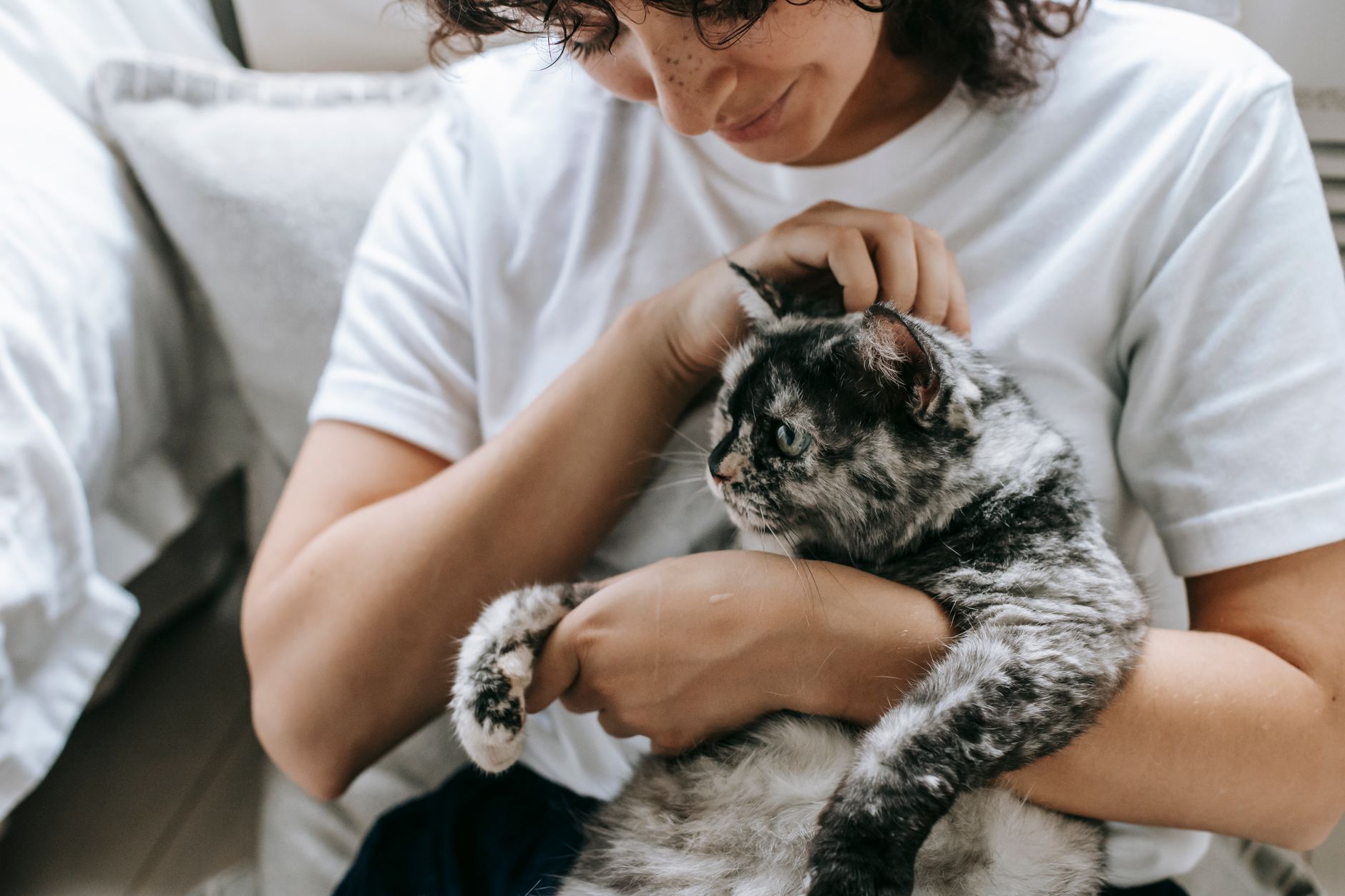
The Purr: More Than Just Happiness
The feline purr, a rhythmic vibration produced by the larynx and diaphragm, is typically associated with pleasure and relaxation. However, the notion that purring is solely indicative of feline bliss is a simplification. Exploring the multifaceted nature of this vocalization reveals a more complex story. Do cats purr when in pain? Yes, and understanding why is crucial.
What colours are fish most attracted to?
Can you put your finger in a trout's mouth?
Is methylene blue anti bacterial?
Does aquarium salt raise pH in aquarium?
Understanding the Mechanics of the Purr
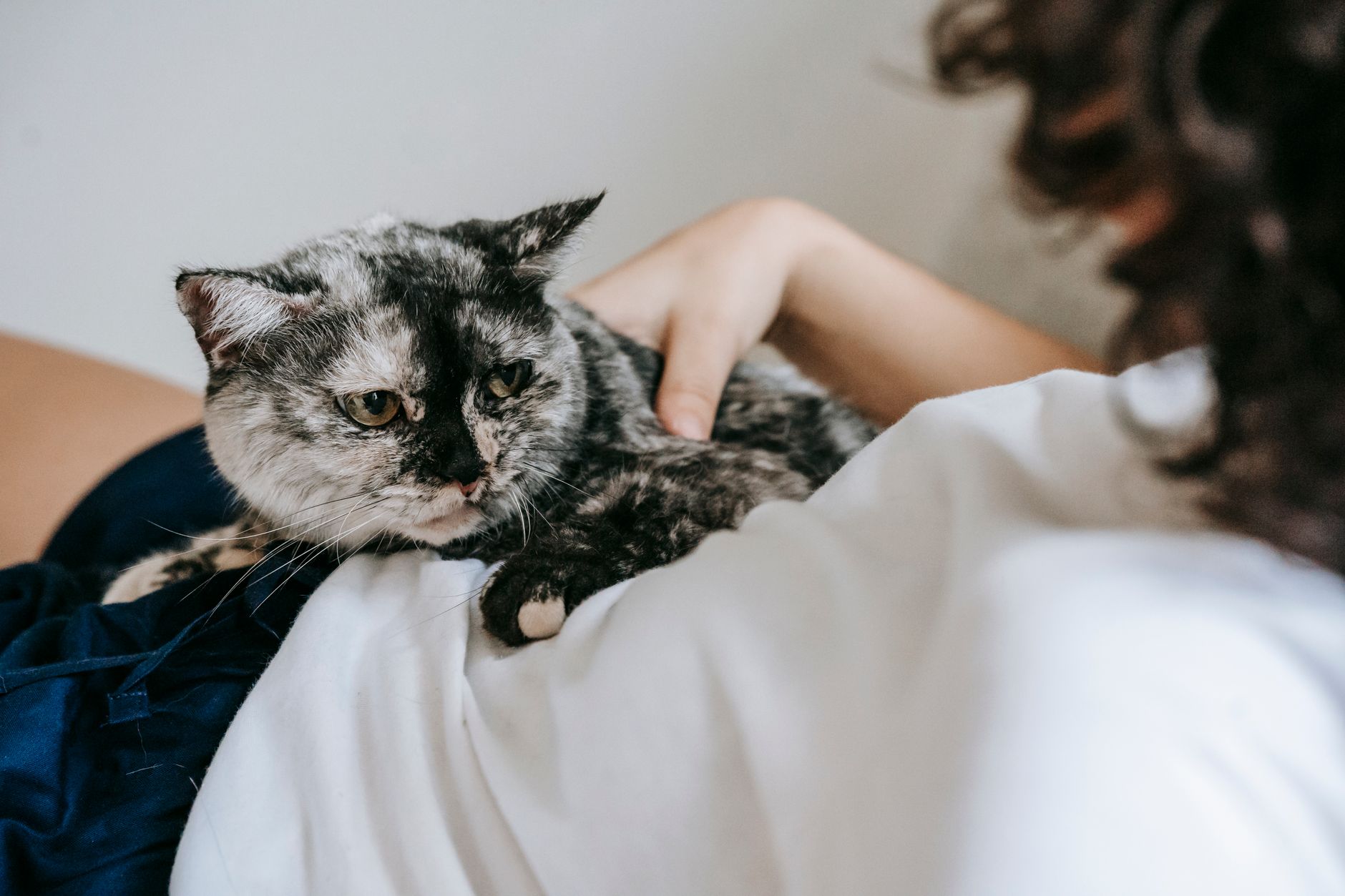
The exact mechanism of purring is still debated within the scientific community, but the prevailing theory involves:
- Laryngeal muscles: Intermittent contractions and relaxations of the laryngeal muscles.
- Vocal cords: Separation of the vocal cords, allowing air to vibrate as it passes over them.
- Diaphragm: Involvement of the diaphragm in rhythmic contractions.
- Neural Oscillators: Brain signals acting as the orchestrator.
This coordinated action creates the distinctive, low-frequency vibration we recognize as a purr.
The Healing Power of Purrs?
Research suggests that the low frequencies associated with purring, typically between 25 and 150 Hz, can have therapeutic benefits. These frequencies are known to:
- Promote bone growth and healing: Studies have shown that exposure to these frequencies can stimulate bone regeneration.
- Relieve pain: Low-frequency vibrations can trigger the release of endorphins, natural pain relievers.
- Reduce inflammation: Certain frequencies have been shown to have anti-inflammatory effects.
- Muscle Repair: Purring may stimulate tissue and muscle repair in cats.
This has led to the hypothesis that cats may purr when injured or ill as a self-healing mechanism. Therefore, the answer to the question “Do cats purr when in pain?” is becoming more and more apparent.
Distinguishing a Pain Purr from a Pleasure Purr
While purring can indicate pain or distress, it’s important to consider the context. Here’s how to differentiate between a pleasure purr and a pain purr:
| Feature | Pleasure Purr | Pain Purr |
|---|---|---|
| Body Language | Relaxed, eyes closed or half-closed | Tense, hunched posture, eyes dilated |
| Vocalizations | Soft, even purr; may be accompanied by chirps | Louder, more insistent purr; may be accompanied by hissing or growling |
| Situation | Being petted, eating, or resting comfortably | Recovering from injury, displaying signs of illness |
| Behavior | Approaching, seeking attention | Withdrawing, hiding |
It’s also crucial to consider the cat’s medical history and any other symptoms they may be exhibiting.
The Broader Implications of Feline Vocalizations
Understanding that “Do cats purr when in pain?” is a valid concern and goes beyond merely recognizing feline distress. It highlights the complexity of animal communication and the potential for self-soothing behaviors in response to pain and illness. Further research into the therapeutic benefits of purring could also lead to new treatments for humans.
Frequently Asked Questions About Purring
Is it always a bad sign if my cat is purring?
No, not at all. Purring is most often associated with contentment and relaxation. However, you need to consider the context and other accompanying behaviors to determine if something else is going on. Look at your cat’s body language and listen to the sound of the purr itself.
What should I do if I suspect my cat is purring because of pain?
If you suspect your cat is purring due to pain or illness, seek veterinary attention immediately. Don’t dismiss purring as simply a sign of happiness, especially if it is accompanied by other concerning symptoms like decreased appetite, lethargy, or changes in litter box habits.
Are some cats more likely to purr when in pain than others?
While there’s no definitive data on this, anecdotal evidence suggests that some cats may be more vocal than others in expressing their discomfort. This could be related to individual personality or past experiences. Pay close attention to your own cat’s baseline behavior to understand when something is amiss.
Can cats purr when they are scared?
Yes, cats can purr when they are scared or anxious. It may be a self-soothing mechanism to help them cope with the stress of the situation.
What other vocalizations do cats use to express pain?
Besides purring, cats may also express pain through meowing, hissing, growling, or even silence. A sudden change in vocalization patterns is a sign to investigate further.
Is there a specific type of purr that indicates pain?
While there’s no officially classified “pain purr,” cats experiencing pain may have a louder, more insistent, or even raspy purr. The purr might also be accompanied by other distress vocalizations.
Do kittens purr, and does it mean the same thing as when adult cats purr?
Yes, kittens start purring very early in life, often while nursing. It’s believed to strengthen their bond with their mother and may indicate comfort or contentment. While purring generally has similar meanings in kittens and adult cats, always consider other signs.
Can purring help me bond with my cat?
Absolutely! Purring is a social signal that can help strengthen the bond between you and your cat. Gently petting or cuddling with your cat while they are purring can create a positive and relaxing experience for both of you.
How does the frequency of a purr affect its healing properties?
Research suggests that the specific frequency range of a purr, typically between 25 and 150 Hz, is what provides therapeutic benefits. These low frequencies are believed to stimulate bone growth, relieve pain, and reduce inflammation.
Is it possible for a cat to purr without making any sound?
While most purrs are audible, some cats may purr silently, producing only the vibration. You can feel this vibration by placing your hand gently on their chest or throat.
Can other animals purr besides cats?
While domestic cats are the most well-known purrers, other members of the Felidae family, such as cheetahs and bobcats, also purr. Some other animal species can produce similar sounds, but whether or not these vocalizations are truly homologous to feline purring remains a subject of ongoing research.
What if my cat never purrs? Should I be worried?
Not all cats purr frequently, and some may rarely purr at all. This doesn’t necessarily mean there’s something wrong. Just like people, cats have different personalities and ways of expressing themselves. As long as your cat is otherwise healthy and displays other signs of contentment, there’s likely no cause for concern. However, a sudden cessation of purring in a cat that typically purrs a lot should warrant a visit to the vet. It’s all about knowing your cat’s normal behavior.