
Do Cats Pee More on Wet Food? Exploring Hydration and Feline Health
Feeding your cat wet food does generally lead to an increase in urine production compared to dry food. This is because wet food has a significantly higher moisture content, naturally increasing your cat’s hydration levels.

Introduction: Hydration and Feline Urinary Health
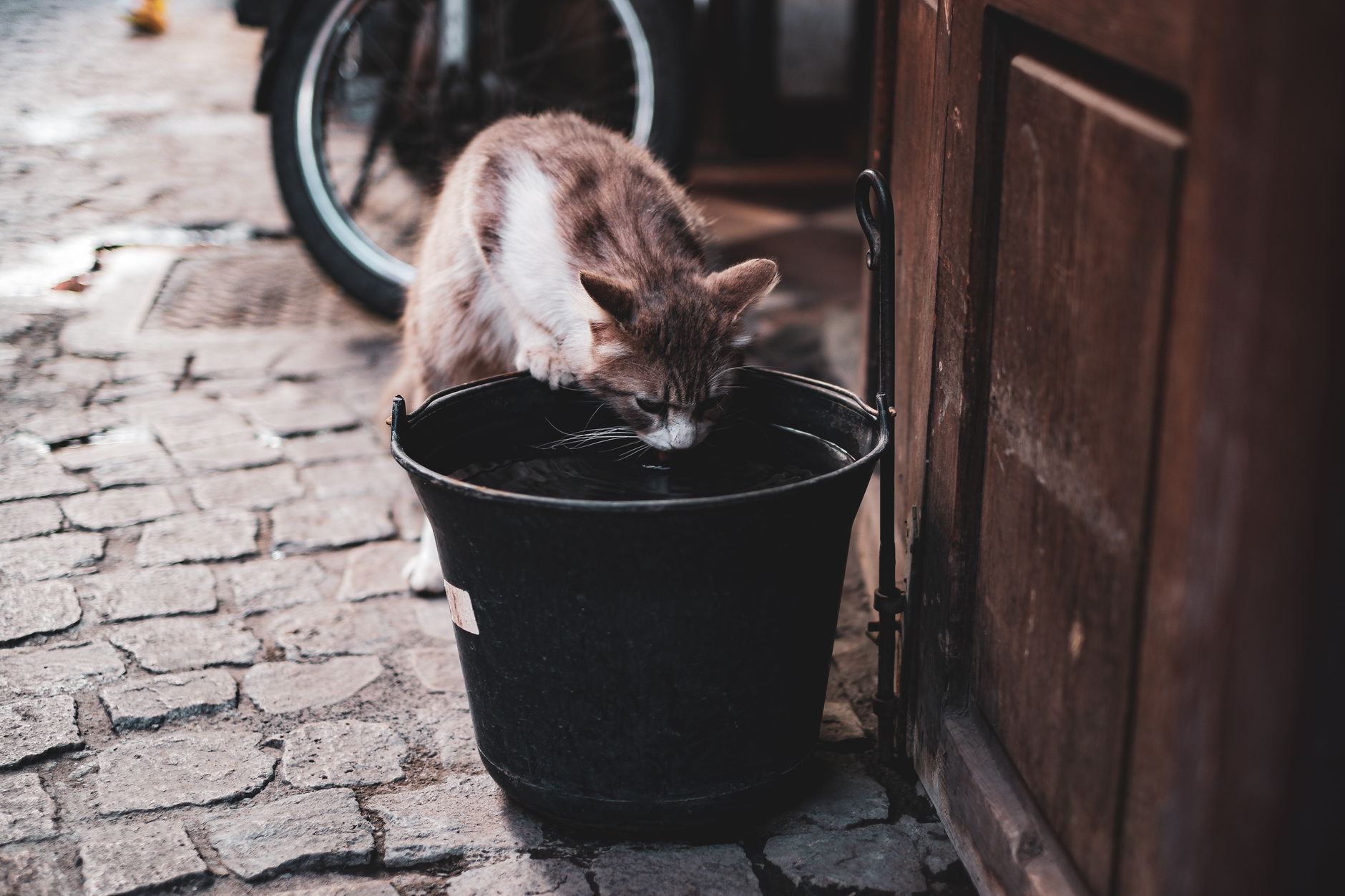
Maintaining optimal hydration is paramount to a cat’s overall health, and it plays a particularly crucial role in preventing urinary tract issues. As obligate carnivores, cats have a naturally low thirst drive, relying heavily on their food for hydration. This is where wet food can make a significant difference.
What colours are fish most attracted to?
Can you put your finger in a trout's mouth?
Is methylene blue anti bacterial?
Does aquarium salt raise pH in aquarium?
The Moisture Content Advantage of Wet Food

The primary difference between wet and dry cat food lies in their water content.
- Dry food typically contains only about 6-10% moisture.
- Wet food boasts a much higher level, ranging from 70-80% moisture.
This substantial difference directly impacts a cat’s daily water intake and, consequently, their urine production. Think of it this way: providing your cat with wet food is akin to pre-hydrating them with every meal.
Benefits of Increased Hydration from Wet Food
Increased water intake, facilitated by feeding wet food, offers several benefits for feline health:
- Reduced risk of urinary tract infections (UTIs): Higher urine volume helps flush out bacteria and debris from the urinary tract, minimizing the risk of infection.
- Prevention of crystal formation: Adequate hydration dilutes urine, preventing the formation of crystals that can lead to painful blockages and feline lower urinary tract disease (FLUTD).
- Improved kidney function: Well-hydrated kidneys function more efficiently, helping to filter waste products and maintain overall health.
- Reduced risk of constipation: Adequate hydration promotes healthy bowel movements, reducing the likelihood of constipation.
Factors Influencing Urine Production
While wet food generally leads to increased urine production, several other factors can influence this:
- Age: Older cats are more prone to dehydration and may benefit significantly from the increased moisture in wet food.
- Activity Level: Active cats may need more water than sedentary cats, regardless of their food type.
- Underlying Medical Conditions: Certain medical conditions, such as diabetes or kidney disease, can affect urine production. Consult a veterinarian for personalized advice.
- Environmental Temperature: Warmer temperatures can increase water loss through panting and evaporation, necessitating greater fluid intake.
Addressing Concerns about Increased Litter Box Use
Some cat owners may worry about the increased frequency of urination associated with wet food. However, this is a normal and healthy response to increased hydration. Here are some tips to manage litter box use:
- Provide multiple litter boxes: Ensure there are enough litter boxes to accommodate all cats in the household, plus one extra.
- Keep litter boxes clean: Scoop litter boxes at least once a day to encourage use.
- Choose the right litter: Experiment with different types of litter to find one that your cat prefers.
- Position litter boxes strategically: Place litter boxes in quiet, easily accessible locations.
Potential Drawbacks of Wet Food
While wet food offers numerous advantages, there are a few potential downsides to consider:
- Cost: Wet food is generally more expensive than dry food.
- Spoilage: Wet food spoils quickly once opened, requiring careful storage and timely disposal of uneaten portions.
- Dental Health: Some argue that dry food helps clean teeth, while wet food may contribute to plaque buildup. Regular dental checkups and professional cleanings are still essential.
Wet Food vs. Dry Food: A Comparative Table
| Feature | Wet Food | Dry Food |
|---|---|---|
| Moisture Content | High (70-80%) | Low (6-10%) |
| Hydration | Excellent | Poor |
| Cost | Higher | Lower |
| Spoilage | Faster | Slower |
| Dental Health | Potentially less beneficial | Potentially more beneficial |
| Palatability | Generally higher | Generally lower |
Transitioning Your Cat to Wet Food
If you’re considering switching your cat to wet food, do so gradually to avoid digestive upset.
- Start by mixing a small amount of wet food with your cat’s dry food.
- Gradually increase the amount of wet food and decrease the amount of dry food over a period of 7-10 days.
- Monitor your cat’s stool for any signs of diarrhea or vomiting.
- If your cat is hesitant to try wet food, try warming it slightly to enhance its aroma.
Frequently Asked Questions (FAQs)
Is it normal for my cat to pee more after switching to wet food?
Yes, it’s perfectly normal. Do cats pee more on wet food because the higher moisture content leads to increased hydration, which naturally translates to more frequent urination. This is a sign that your cat is adequately hydrated.
Can wet food help prevent urinary problems in cats?
Absolutely. The increased hydration provided by wet food dilutes urine, reducing the risk of crystal formation and UTIs. This is particularly beneficial for cats prone to urinary issues.
How much wet food should I feed my cat?
The appropriate amount of wet food depends on your cat’s age, weight, activity level, and overall health. Consult your veterinarian for personalized recommendations based on your cat’s individual needs. Always follow the feeding guidelines on the food packaging as well.
Does wet food cause more litter box odor?
While the increased frequency of urination might lead to slightly more odor, this can be managed by scooping the litter box regularly and using a high-quality, odor-controlling litter.
My cat only eats dry food. How can I get them to eat wet food?
Patience and persistence are key. Try offering small amounts of wet food alongside their dry food. You can also try warming the wet food slightly to enhance its aroma. Some cats may also prefer different textures or flavors, so experiment until you find one that appeals to them.
Is wet food better than dry food for all cats?
While wet food offers significant hydration benefits, it’s not necessarily the only “best” option for all cats. Some cats thrive on dry food, especially if they drink plenty of water. The ideal choice depends on your cat’s individual needs and preferences.
Can wet food cause diarrhea in cats?
Introducing wet food too quickly can indeed cause diarrhea. That’s why a gradual transition is crucial. If your cat develops diarrhea after switching to wet food, reduce the amount and consult your veterinarian.
Do cats who eat wet food need less water in their water bowl?
Even though they are getting moisture from their food, cats eating wet food still need access to fresh, clean water. Don’t assume they’re fully hydrated without it. Provide water bowls in multiple locations around your home.
Is it safe to leave wet food out all day for my cat to graze on?
No, wet food spoils quickly at room temperature. It should be removed after about 30 minutes to an hour to prevent bacterial growth and potential food poisoning.
Can wet food help overweight cats lose weight?
The higher moisture content and often lower calorie density of wet food can help overweight cats feel fuller and consume fewer calories overall. However, portion control is still essential. Consult your veterinarian for a weight management plan tailored to your cat.
Does the brand of wet food matter?
Yes, the quality of ingredients and nutritional balance vary significantly between brands. Choose a high-quality wet food that meets the Association of American Feed Control Officials (AAFCO) standards for cat food.
Should I mix wet and dry food?
Mixing wet and dry food is a common practice and can be beneficial. It allows cats to enjoy the hydration benefits of wet food while still getting the convenience and potential dental benefits of dry food. Just remember to adjust portion sizes accordingly to avoid overfeeding.