
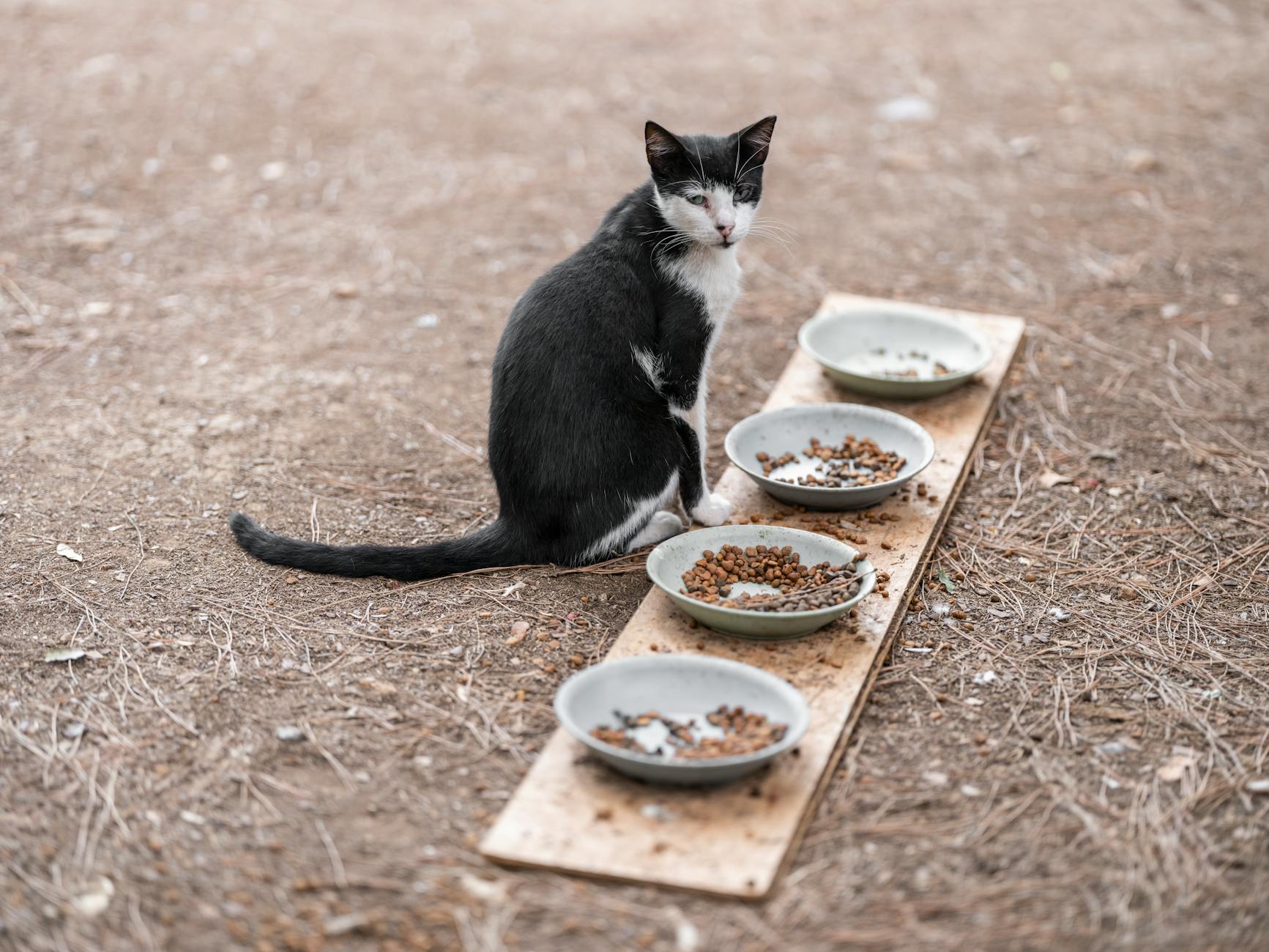
Do Cats Like Cold Food in Summer? Exploring Feline Preferences
Whether cats like cold food in summer is debatable, as temperature preferences vary; generally, slightly warmed or room-temperature food is more appealing due to enhanced aroma, though some cats may tolerate or even enjoy chilled food in hot weather.

The Feline Palate: A Temperature-Sensitive Matter
The answer to “Do cats like cold food in summer?” isn’t a straightforward yes or no. Unlike humans, cats don’t necessarily crave cold foods simply because it’s hot outside. Their food preferences are driven more by scent and texture than by a desire to cool down.

What colours are fish most attracted to?
Can you put your finger in a trout's mouth?
Is methylene blue anti bacterial?
Does aquarium salt raise pH in aquarium?
The Importance of Aroma to Cats

Cats have a highly developed sense of smell, and it plays a crucial role in their feeding behavior. Volatile compounds in food release aromas, which stimulate their appetite. Chilling food significantly reduces the release of these compounds, making it less attractive to them. Warm food, on the other hand, intensifies the aroma, making it more appealing. This is a key factor in why most cats prefer their food at room temperature or slightly warmer.
Hydration in Cats: A Year-Round Concern
Regardless of the temperature preference, ensuring adequate hydration is vital for cats, especially during the summer months. While offering cold food might seem like a way to increase water intake, it’s usually not the most effective strategy. Cats are notoriously picky drinkers, and forcing them to eat food they dislike, even if it’s hydrating, can backfire.
Strategies for Keeping Cats Hydrated in Summer
Instead of relying solely on chilled food, consider these strategies:
- Provide multiple water sources: Place bowls of fresh water in different locations around the house.
- Use a cat water fountain: The circulating water can be more enticing.
- Offer wet food: Canned food has a high moisture content.
- Add water to dry food: This can be a good option if your cat prefers dry kibble.
- Offer broth: Unsalted chicken or fish broth can be a tasty and hydrating treat.
Evaluating Your Cat’s Individual Preferences
While general guidelines exist, it’s essential to observe your cat’s individual behavior and preferences. Some cats might tolerate, or even seem to enjoy, cold food, while others will turn their noses up at anything that isn’t appropriately aromatic.
Experimenting with Food Temperatures
If you’re curious about whether your cat likes cold food, try a simple experiment:
- Divide their usual portion of wet food into two bowls.
- Leave one bowl at room temperature.
- Chill the other bowl in the refrigerator for a short period (no more than 30 minutes).
- Offer both bowls to your cat simultaneously.
- Observe which bowl they prefer. Repeat this experiment over a few days to confirm your findings.
Potential Health Considerations
Feeding cats very cold food, especially very cold food directly from the refrigerator, could, in rare cases, cause temporary digestive upset in some cats. It is always best to introduce temperature changes gradually and monitor your cat for any adverse reactions.
Frequently Asked Questions (FAQs)
What temperature is considered too cold for cat food?
Any food served straight from the refrigerator (generally below 40°F or 4°C) is likely too cold for most cats. The drastic temperature difference can shock their system and reduce palatability due to suppressed aromas.
Is it okay to leave wet cat food out in the summer?
Leaving wet cat food out for extended periods, especially in warm weather, is not recommended. Bacteria can proliferate quickly, leading to spoilage and potential food poisoning. Discard any uneaten wet food after 30 minutes to an hour, depending on the ambient temperature.
My cat seems to only eat the cold food. Is this normal?
While uncommon, some cats do prefer cold food. If your cat consistently chooses chilled food over room-temperature options, it’s likely just a quirk of their individual taste. Just ensure the food isn’t excessively cold.
Can I freeze cat food to preserve it?
Yes, you can freeze cat food, but it’s crucial to thaw it properly before serving. Thaw it in the refrigerator and warm it slightly to enhance the aroma. Avoid thawing at room temperature, as this can encourage bacterial growth.
Does the type of food (wet vs. dry) affect temperature preference?
Generally, temperature preferences are similar for both wet and dry food. However, wet food tends to be more affected by temperature because it contains more moisture, making aroma release more temperature-dependent.
How can I tell if my cat doesn’t like the temperature of their food?
Signs of dislike include turning away from the food, sniffing it briefly and then walking away, eating only a small amount, or exhibiting other signs of disinterest, even if they are normally hungry.
Should I warm up dry cat food?
Warming dry cat food isn’t usually necessary, but if your cat is a picky eater or has a reduced sense of smell (common in older cats), slightly warming it can enhance the aroma and make it more appealing.
What are some alternatives to cold food for keeping my cat cool in summer?
Focus on providing plenty of fresh, cool water. Consider adding ice cubes to their water bowl or offering a small amount of diluted, unsalted chicken broth. Cooling mats and fans can also help keep your cat comfortable.
How do I handle leftover wet food?
If you have leftover wet food, store it in an airtight container in the refrigerator. It’s best to use it within 24-48 hours. Before serving, allow it to warm slightly at room temperature or microwave it briefly to restore some of its aroma.
Is giving my cat ice cubes a good idea?
While some cats enjoy playing with ice cubes, and it can be a way to add extra hydration, ensure they are small enough to prevent choking hazards. Also, excessive ice can sometimes upset their stomachs.
Does a cat’s age influence their food temperature preference?
Older cats, who may have a diminished sense of smell or dental problems, often benefit from slightly warmed food as it can be easier to eat and more appealing due to the enhanced aroma.
If my cat doesn’t like cold food, what are some other ways to cool them down in the summer?
Provide shaded areas indoors and outdoors, offer cooling mats, ensure access to plenty of fresh water, and consider grooming your cat regularly to remove excess fur. Avoid overexerting them during the hottest parts of the day. Ultimately, understanding “Do cats like cold food in summer?” involves recognizing individual preferences and prioritizing their overall well-being and hydration during the warmer months.