

Do Cats Get Vaccinated for FIP? Understanding the Facts
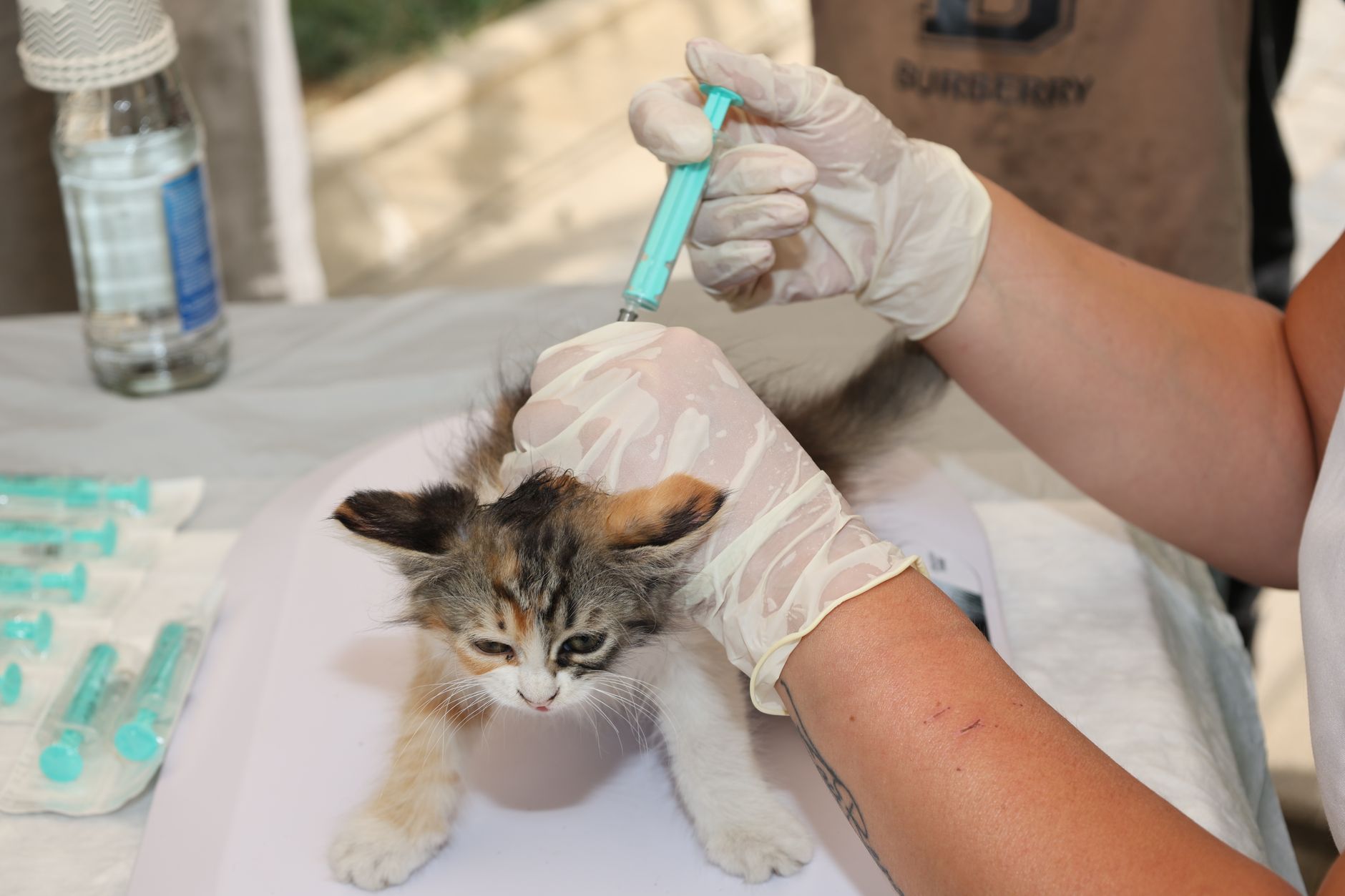
While the quest for complete FIP prevention continues, the landscape surrounding Feline Infectious Peritonitis (FIP) and vaccination is nuanced: no currently available vaccine is universally recognized as safe and effective against all forms of FIP. Do cats get vaccinated for FIP? The answer is complex and requires careful consideration.
Understanding FIP: A Deadly Feline Disease
Feline Infectious Peritonitis (FIP) is a devastating and often fatal disease in cats, caused by certain strains of the feline coronavirus (FCoV). It’s crucial to understand that not all feline coronaviruses cause FIP. In fact, most cats are exposed to feline coronavirus at some point in their lives, typically through the fecal-oral route in multi-cat environments. In most cases, the virus causes only mild or no symptoms.
However, in some cats, the feline coronavirus mutates into a more virulent form that can lead to FIP. This mutated virus triggers a widespread inflammatory response in the body, leading to either the effusive (wet) or non-effusive (dry) form of the disease.
- Effusive (Wet) FIP: Characterized by fluid accumulation in the abdomen and/or chest.
- Non-Effusive (Dry) FIP: Involves granulomatous lesions in various organs, such as the kidneys, liver, and brain.
Is distilled water good for goldfish?
What colours are fish most attracted to?
Can you put your finger in a trout's mouth?
Is methylene blue anti bacterial?
The History of FIP Vaccines
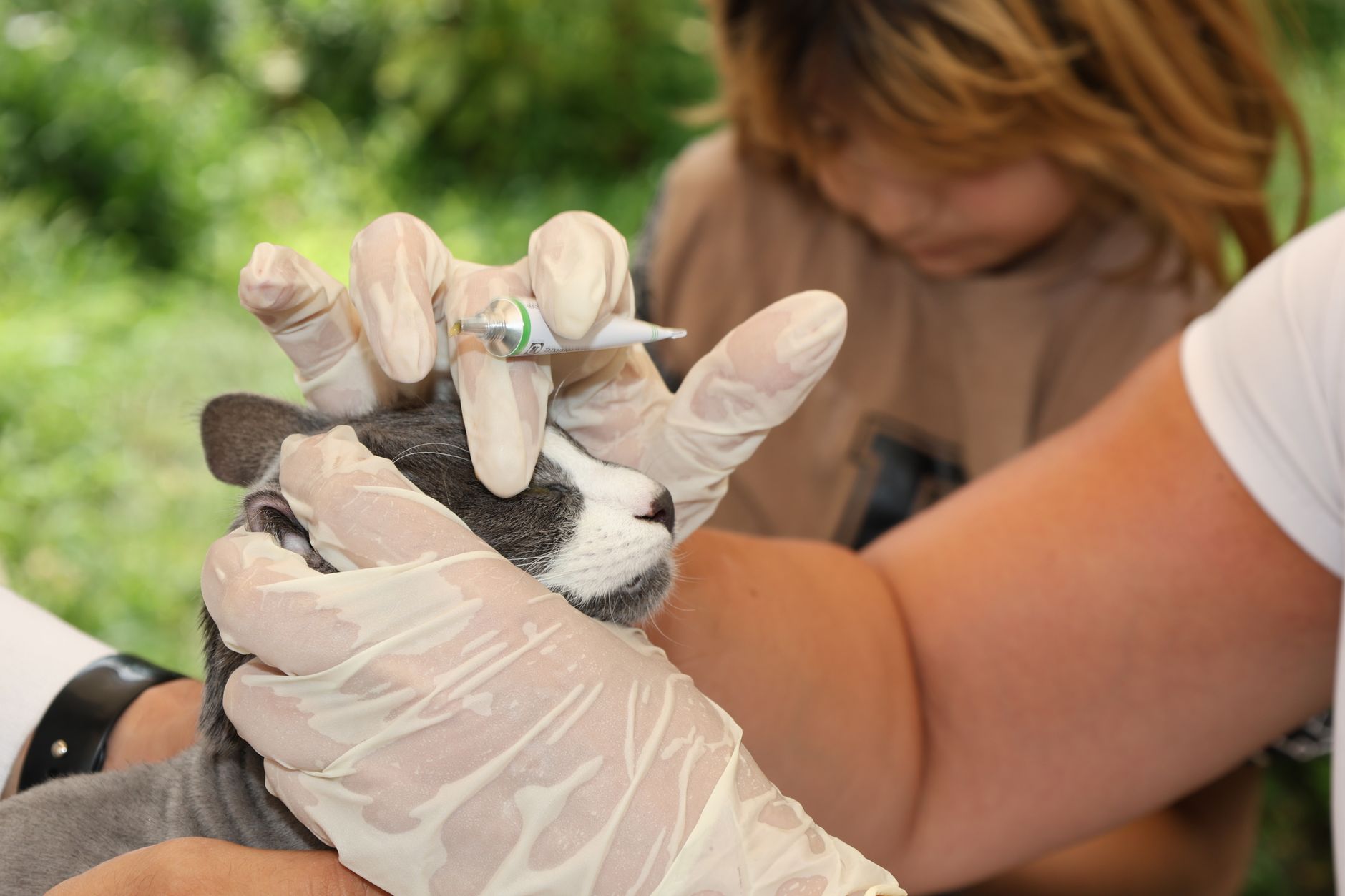
The development of an effective FIP vaccine has been a significant challenge for veterinary researchers. Several vaccines have been developed and tested over the years, but none have proven to be completely effective and free of significant side effects. One of the earliest vaccines, an intranasal vaccine, was available for a time but is no longer recommended or widely used.
Current Status of FIP Vaccination
The question of whether do cats get vaccinated for FIP? remains complex because the efficacy of the available vaccines is debated. Some veterinarians may still offer the intranasal vaccine in specific situations, but it is not universally recommended.
- Intranasal FIP Vaccine: This vaccine is administered through the nose and is designed to stimulate a local immune response. However, its efficacy is questionable, and some studies have shown that it may even increase the risk of FIP in certain cats.
Why is Developing an Effective FIP Vaccine So Difficult?
Several factors contribute to the difficulty in developing an effective FIP vaccine:
- Viral Mutation: The feline coronavirus is prone to mutation, making it challenging to target all possible strains of the virus with a single vaccine.
- Immune Response: The immune response to FCoV is complex, and vaccination may not always provide adequate protection against FIP. In some cases, vaccination may even contribute to the development of the disease.
- Lack of Understanding: The exact mechanisms by which FCoV mutates into FIP and how the disease progresses are not fully understood, which hinders vaccine development efforts.
Prevention Strategies: Beyond Vaccination
Since effective FIP vaccination remains a challenge, focusing on preventative measures is crucial. These strategies aim to minimize the risk of FCoV infection and the subsequent development of FIP.
- Good Hygiene: Maintaining a clean and sanitary environment, especially in multi-cat households, can help reduce the spread of FCoV. Regular cleaning of litter boxes and food bowls is essential.
- Stress Reduction: Stress can weaken the immune system and increase the risk of FIP. Providing cats with a stimulating and enriching environment, reducing overcrowding, and minimizing stress-inducing situations can help.
- Genetic Predisposition: Some breeds may be more susceptible to FIP than others. Responsible breeding practices can help reduce the incidence of FIP in these breeds.
FIP Treatment Advances
While preventing FIP is ideal, significant advances have been made in treating the disease in recent years. Antiviral medications have shown promise in treating FIP and improving survival rates. These medications are not a cure but can help manage the disease and extend the cat’s life. Always consult with a veterinarian for appropriate diagnosis and treatment options.
Frequently Asked Questions (FAQs)
Can cats truly be protected by any current FIP vaccine options?
The short answer is no; current FIP vaccines have limited or no proven efficacy. The previously available intranasal vaccine is not widely recommended due to concerns about its effectiveness and potential risks. Research is ongoing to develop more effective FIP vaccines, but none are currently available.
What are the risks associated with FIP vaccination?
The primary risk associated with the intranasal FIP vaccine is the potential for it to be ineffective or even increase the risk of developing FIP in some cats. Other potential risks include mild upper respiratory signs or allergic reactions, though these are less common.
How can I minimize the risk of my cat contracting FIP?
The best way to minimize the risk of FIP is to focus on good hygiene, stress reduction, and responsible breeding practices. Maintaining a clean environment, reducing overcrowding, and providing a stimulating environment can help. Genetic testing and careful breeding practices can also help reduce the incidence of FIP in susceptible breeds.
If the FIP vaccine isn’t effective, why was it ever used?
The intranasal FIP vaccine was initially developed with the hope of providing some protection against FIP. Early studies showed mixed results, and its use became controversial due to concerns about its effectiveness and potential risks. While it was used for a period, it is now largely discouraged due to the lack of convincing evidence of its benefit.
Are certain breeds more susceptible to FIP?
Yes, some breeds are believed to be more susceptible to FIP than others, including Bengals, Birmans, Ragdolls, and Abyssinians. While any cat can develop FIP, these breeds may have a higher genetic predisposition to the disease.
What are the early symptoms of FIP that I should watch out for?
Early symptoms of FIP can be vague and non-specific, including lethargy, loss of appetite, fever, and weight loss. As the disease progresses, more specific symptoms may develop, such as fluid accumulation in the abdomen or chest (effusive FIP) or neurological signs (dry FIP). Any persistent or concerning symptoms should be promptly evaluated by a veterinarian.
How is FIP diagnosed?
Diagnosing FIP can be challenging, as there is no single definitive test. Diagnosis typically involves a combination of factors, including clinical signs, laboratory tests (such as bloodwork and fluid analysis), and imaging studies (such as ultrasound or X-rays). A veterinary pathologist may analyze tissue samples for more conclusive results.
What treatments are available for FIP?
Previously, FIP was considered a uniformly fatal disease. Recent advances in antiviral medications, such as GS-441524 and molnupiravir, have shown promise in treating FIP and improving survival rates. These medications are not a cure but can help manage the disease and extend the cat’s life. These treatments are often expensive and require close monitoring by a veterinarian.
Is FIP contagious to other cats?
The feline coronavirus (FCoV) is highly contagious among cats, particularly in multi-cat environments. However, it’s crucial to remember that not all cats infected with FCoV will develop FIP. The virus must mutate into a more virulent form for FIP to occur.
How can I disinfect my home if I have a cat with FIP or suspect FCoV is present?
Disinfecting your home involves using appropriate cleaning agents effective against coronaviruses. Diluted bleach solutions (1:32 dilution) are commonly used to disinfect surfaces. Ensure proper ventilation and avoid contact with skin and eyes. Regular cleaning of litter boxes, food bowls, and other areas can help reduce the spread of FCoV.
What is the prognosis for a cat diagnosed with FIP?
The prognosis for cats diagnosed with FIP has improved significantly with the advent of antiviral treatments. While FIP was once considered a death sentence, antiviral medications offer hope for remission and extended lifespan. The prognosis depends on the severity of the disease, the cat’s overall health, and the response to treatment.
Where can I find the most up-to-date information on FIP research and treatment?
Stay informed by consulting with your veterinarian and reputable veterinary organizations. Websites such as the Cornell Feline Health Center, UC Davis Veterinary Medicine, and the American Association of Feline Practitioners (AAFP) provide valuable resources and updates on FIP research and treatment options.