
Do Bones Dissolve in Dogs’ Stomachs? The Science Behind Canine Digestion
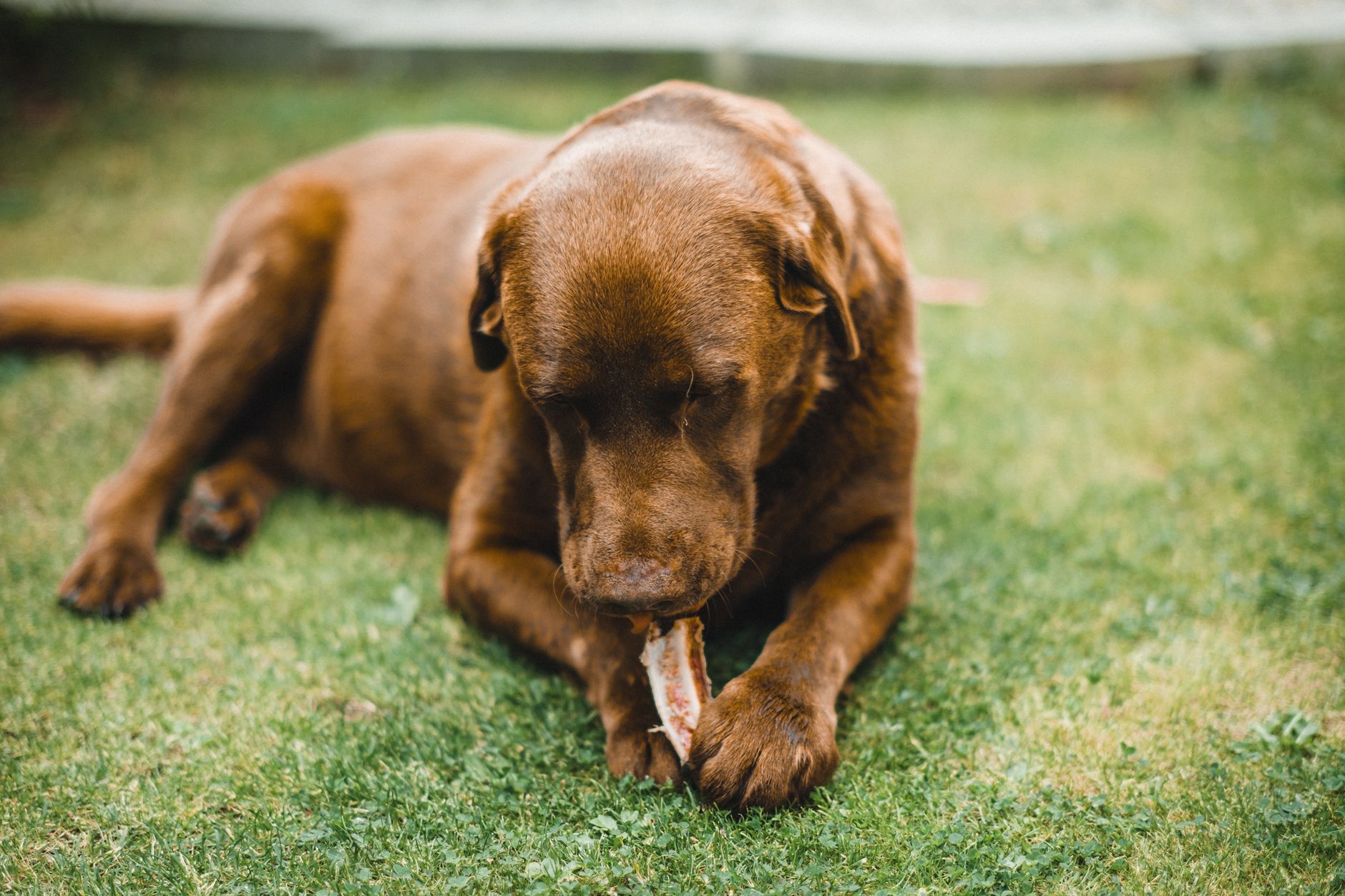
Yes, bones can dissolve in a dog’s stomach, but the extent and speed depend on several factors, primarily the type of bone and the dog’s digestive system. This article explores the canine digestive process, the benefits and risks of feeding bones, and how to ensure your dog stays safe and healthy.

Understanding Canine Digestion: A Powerful Acid Bath
The key to understanding whether bones dissolve in a dog’s stomach lies in comprehending the unique characteristics of their digestive system. Dogs possess a highly acidic stomach environment, far more so than humans. This acidity is crucial for breaking down proteins and, importantly, for dissolving the mineral matrix of bones.
What colours are fish most attracted to?
Can you put your finger in a trout's mouth?
Is methylene blue anti bacterial?
Does aquarium salt raise pH in aquarium?
The Role of Hydrochloric Acid (HCl)
The stomach acid, primarily hydrochloric acid (HCl), is the workhorse in this process. It’s powerful enough to break down tough organic matter and minerals. The pH level in a dog’s stomach can drop to as low as 1 or 2, which is incredibly acidic.
Factors Influencing Bone Dissolution
Several factors influence whether, and how quickly, bones dissolve in a dog’s stomach:
- Bone Type: Soft, pliable bones like chicken necks and wings, or turkey necks, are much easier to digest than hard, dense bones like weight-bearing beef bones.
- Dog Size and Breed: Larger dogs generally have stronger digestive systems than smaller breeds. Breed predispositions to digestive sensitivities also play a role.
- Digestive Health: A healthy gut flora and optimal stomach acid production are essential for efficient bone digestion.
- Raw vs. Cooked: Raw bones are generally easier to digest than cooked bones. Cooking changes the bone structure, making them brittle and prone to splintering.
- Amount Consumed: Overfeeding bones can overwhelm the digestive system, leading to incomplete digestion and potential blockages.
Benefits of Feeding Bones (When Done Safely)
While do bones dissolve in dogs stomachs is a central question, it’s important to consider the potential benefits of feeding bones responsibly:
- Dental Health: Chewing on bones helps to scrape away plaque and tartar, promoting better oral hygiene.
- Mental Stimulation: Chewing provides mental enrichment and can help reduce boredom and anxiety.
- Nutritional Value: Bones are a source of calcium, phosphorus, and other essential minerals.
- Natural Instinct: Chewing is a natural behavior for dogs.
Common Mistakes and Risks
Despite the potential benefits, feeding bones also carries risks:
- Splintering: Cooked bones are more likely to splinter, causing injury to the mouth, throat, or digestive tract.
- Choking: Small bones can be choking hazards, especially for smaller dogs.
- Constipation: Consuming too many bones can lead to constipation due to the high calcium content.
- Intestinal Blockage: Undigested bone fragments can accumulate and cause intestinal blockages, requiring veterinary intervention.
- Tooth Fractures: Aggressive chewing on very hard bones can fracture teeth.
Best Practices for Safe Bone Feeding
To minimize risks and maximize benefits, follow these guidelines:
- Always supervise your dog when they are chewing on bones.
- Choose raw, meaty bones that are appropriate for your dog’s size and chewing style.
- Avoid cooked bones as they are more likely to splinter.
- Introduce bones gradually to allow your dog’s digestive system to adjust.
- Provide a variety of bone types to ensure a balanced intake of nutrients.
- Monitor your dog’s stool for signs of constipation (hard, dry stools) or diarrhea.
- Remove any small fragments that your dog may break off.
- Consult with your veterinarian for personalized recommendations.
The Verdict: Do bones dissolve in dogs stomachs? – A Qualified Yes
Do bones dissolve in dogs stomachs? The answer, as we’ve explored, is a qualified yes. A healthy canine digestive system, with its potent stomach acid, can effectively break down raw bones. However, bone type, dog size, and individual digestive health play crucial roles. Responsible bone feeding involves careful selection, supervision, and monitoring to ensure your dog enjoys the benefits without suffering from potential risks.
Frequently Asked Questions (FAQs)
Is it safe for puppies to chew on bones?
Puppies can chew on bones, but it’s crucial to select age-appropriate bones that are soft and easily digestible. Monitor them closely to prevent choking or swallowing large pieces. Avoid weight-bearing bones until their teeth are fully developed.
Can my dog get sick from eating bones?
Yes, a dog can get sick from eating bones if they are cooked, splintered, or consumed in excessive amounts. Signs of illness include vomiting, diarrhea, constipation, lethargy, and abdominal pain. Consult a veterinarian immediately if you suspect your dog is ill after consuming bones.
What types of bones are safest for dogs?
Raw, meaty bones like chicken necks, turkey necks, and lamb ribs are generally considered safer options. These bones are softer and easier to digest. Avoid cooked bones and weight-bearing bones, which are harder and more likely to splinter.
How often should I give my dog bones?
The frequency of bone feeding depends on your dog’s size, diet, and individual needs. As a general guideline, offer bones no more than 1-2 times per week and adjust as needed.
Can bones cause constipation in dogs?
Yes, excessive bone consumption can lead to constipation due to the high calcium content. If your dog is constipated, reduce their bone intake and increase their fiber intake.
What should I do if my dog swallows a bone fragment?
If your dog swallows a small bone fragment, monitor them closely for any signs of distress. If they are coughing, choking, or showing signs of abdominal pain, seek immediate veterinary attention.
Are raw bones better than cooked bones for dogs?
Yes, raw bones are generally considered better than cooked bones. Cooking changes the bone structure, making them brittle and more prone to splintering, which can cause serious injury to your dog.
Can I give my dog bones that have marrow?
Marrow bones can be a good source of nutrients, but they are also high in fat. Too much marrow can cause diarrhea or pancreatitis. Offer marrow bones in moderation and monitor your dog’s stool.
How do I know if my dog is digesting bones properly?
You can monitor your dog’s stool to assess bone digestion. Stools should be firm and well-formed. If your dog is having difficulty digesting bones, their stools may be hard, dry, or contain undigested bone fragments.
Are there any dogs that should not be given bones?
Yes, dogs with certain medical conditions, such as pancreatitis, inflammatory bowel disease (IBD), or a history of intestinal blockages, should not be given bones. Puppies with undeveloped teeth and seniors with brittle teeth should also avoid hard bones.
Can bones replace my dog’s regular food?
Bones should not replace your dog’s regular food. They should be offered as a supplemental treat and not as a primary source of nutrition. A balanced diet is essential for your dog’s overall health.
What are some safe alternatives to bones for chewing?
If you are concerned about the risks of feeding bones, consider offering safe alternatives such as dental chews, rubber toys designed for chewing, or bully sticks. Always supervise your dog when they are chewing on any type of chew toy.