

Do Blue Jays Bring Good Luck? Unraveling the Myths and Meanings
The question, “Do blue jays bring good luck?,” is more nuanced than a simple yes or no. While not traditionally considered harbingers of immediate good fortune, blue jays are widely associated with intelligence, adaptability, and resilience, qualities that can indirectly lead to success and ultimately, a feeling of good luck.

Understanding the Symbolism of the Blue Jay
The vibrant blue jay, a familiar sight in North American backyards, is more than just a pretty bird. Its striking plumage and boisterous calls have captured human attention for centuries, leading to a rich tapestry of folklore and symbolism. Understanding these associations helps us address the question: Do blue jays bring good luck?
- Native American Traditions: In some Native American cultures, the blue jay is seen as a trickster, possessing both mischievous and intelligent qualities. While not always viewed as purely benevolent, their cleverness and resourcefulness were often admired.
- Celtic Lore: Although not directly part of traditional Celtic mythology due to their geographical location, birds, in general, held significant spiritual meaning. The blue jay’s intelligence and adaptability would likely have been seen as positive traits.
- Modern Interpretations: In contemporary interpretations, the blue jay’s traits are often linked to communication, clarity, and the ability to adapt to changing circumstances. This positive association contributes to the idea that they could, in a way, influence good luck through informed action.

Is distilled water good for goldfish?
What colours are fish most attracted to?
Can you put your finger in a trout's mouth?
Does aquarium salt raise pH in aquarium?
The Blue Jay’s Character: More Than Meets the Eye
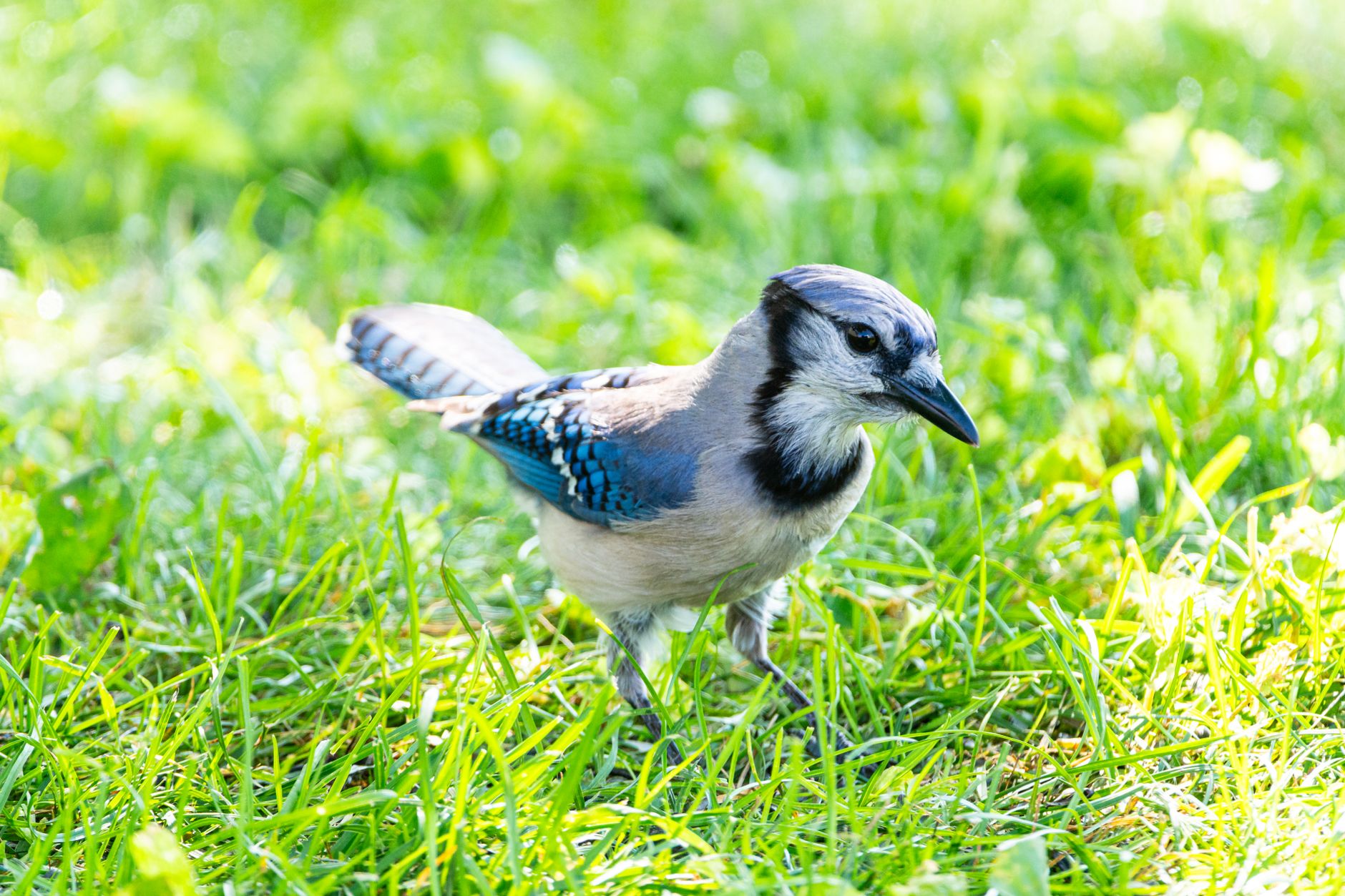
To fully appreciate the blue jay’s potential connection to good luck, it’s essential to understand their behavioral characteristics:
- Intelligence: Blue jays are known for their exceptional intelligence. They can mimic the calls of hawks to deter predators, solve complex problems, and even remember where they’ve hidden food for later. This resourcefulness is arguably a form of good luck in itself.
- Communication: Blue jays are highly communicative, using a variety of calls to alert others to danger, attract mates, and maintain social bonds. This communicative skill can lead to stronger community ties and access to valuable information.
- Adaptability: Blue jays are highly adaptable, thriving in a wide range of environments and adjusting their behavior to suit changing conditions. This adaptability is crucial for survival and can be seen as a form of ensuring good outcomes.
- Boldness: Blue jays are known for their boldness and assertiveness, often standing up to larger birds and defending their territory. This courage can be a valuable asset in life, helping them achieve their goals.
Are Blue Jays Actually Bringers of “Good Luck”?
The answer to Do blue jays bring good luck? depends on how you define “luck.” If luck is purely a matter of chance, then blue jays are unlikely to have any direct influence. However, if luck is seen as a combination of opportunity and preparedness, then the blue jay’s qualities can certainly contribute to a sense of it.
Consider this table:
| Trait | Benefit | Potential “Luck” |
|---|---|---|
| Intelligence | Solving problems, finding resources | More likely to overcome challenges and seize opportunities. |
| Communication | Building strong social bonds, sharing information | Increased access to help, advice, and support. |
| Adaptability | Thriving in changing environments | Better able to navigate uncertainty and take advantage of unexpected situations. |
| Boldness | Asserting needs, defending territory | More likely to achieve goals and protect what is important. |
As this table shows, the qualities associated with blue jays can indirectly lead to favorable outcomes. While they may not be magical creatures bestowing instant fortune, their inherent characteristics provide a foundation for success and resilience.
The Psychology Behind Superstition
Our desire to believe in omens and lucky symbols is deeply rooted in human psychology. Believing in something that might bring good luck can provide a sense of control and hope, particularly in uncertain situations. Seeing a blue jay, with its vibrant color and assertive personality, can be an uplifting experience, reinforcing positive thoughts and feelings. This psychological effect can, in turn, influence our behavior, making us more optimistic and proactive, ultimately creating a more favorable outcome.
The Significance of Bird Sightings in Different Cultures
Bird sightings, including those of blue jays, have long held symbolic meaning across various cultures. While specific interpretations vary, birds are often associated with:
- Freedom and independence: Birds represent the ability to rise above challenges and pursue one’s own path.
- Communication and messages: Birds are sometimes seen as messengers from the spiritual realm, bringing guidance or warnings.
- Transformation and renewal: Birds shed their feathers and migrate, symbolizing cycles of change and growth.
These broader associations contribute to the belief that encountering a blue jay can be a meaningful event, even if not directly linked to “good luck.”
Frequently Asked Questions (FAQs)
Is it a sign of bad luck to kill a blue jay?
Yes, in many cultures, killing any bird, including a blue jay, is considered bad luck. This stems from the respect for nature and the belief that all living creatures have a purpose. The act of taking a life unnecessarily is generally seen as bringing negative consequences.
What does it mean if a blue jay follows you?
If a blue jay follows you, it could be interpreted as a sign that you are being watched or that you need to pay attention to something important in your life. It might also simply be that the bird is curious or hoping for a food scrap. Context matters!
Are blue jays protected birds?
Yes, blue jays are protected under the Migratory Bird Treaty Act in the United States, making it illegal to kill, harm, or possess them without a permit.
Do blue jays bring messages from deceased loved ones?
This is a common belief in some spiritual traditions. While there’s no scientific evidence to support this, some people interpret bird sightings, including blue jays, as messages from loved ones who have passed away. It offers comfort and a sense of connection.
What is the spiritual meaning of seeing a blue jay?
Spiritually, seeing a blue jay can represent clarity, communication, and courage. It may be a reminder to speak your truth, embrace your intelligence, and be bold in pursuing your goals.
Why are blue jays so noisy?
Blue jays are naturally noisy birds, using a variety of calls to communicate with each other, warn of danger, and establish their territory. Their vocalizations are a key part of their social behavior.
Can blue jays predict the weather?
There is no conclusive evidence that blue jays can accurately predict the weather. Their behavior may change in response to weather patterns, but this is more likely a reaction to existing conditions rather than a forecasting ability.
Do blue jays steal from other birds?
Blue jays are opportunistic eaters and have been known to steal food from other birds, especially during lean times. This is part of their survival strategy.
Are blue jays beneficial to have in the garden?
Yes, blue jays can be beneficial to have in the garden. They help disperse seeds, control insect populations, and can even alert you to the presence of predators. They are a valuable part of the ecosystem.
What does it mean if a blue jay lands on your windowsill?
If a blue jay lands on your windowsill, it could simply be looking for food or shelter. It may also be a sign that you are being called to pay attention to your inner voice or to communicate more effectively.
Are blue jays related to crows?
Yes, blue jays are members of the Corvidae family, which also includes crows, ravens, magpies, and other intelligent birds.
Can blue jays be tamed?
While it’s possible to attract blue jays to your yard with food and water, it’s generally not recommended to try to tame them. They are wild animals and should be respected as such. Attempting to tame them can disrupt their natural behavior and make them vulnerable.