

Do Blue Cats Exist? Unraveling the Mystery of Feline Coloration
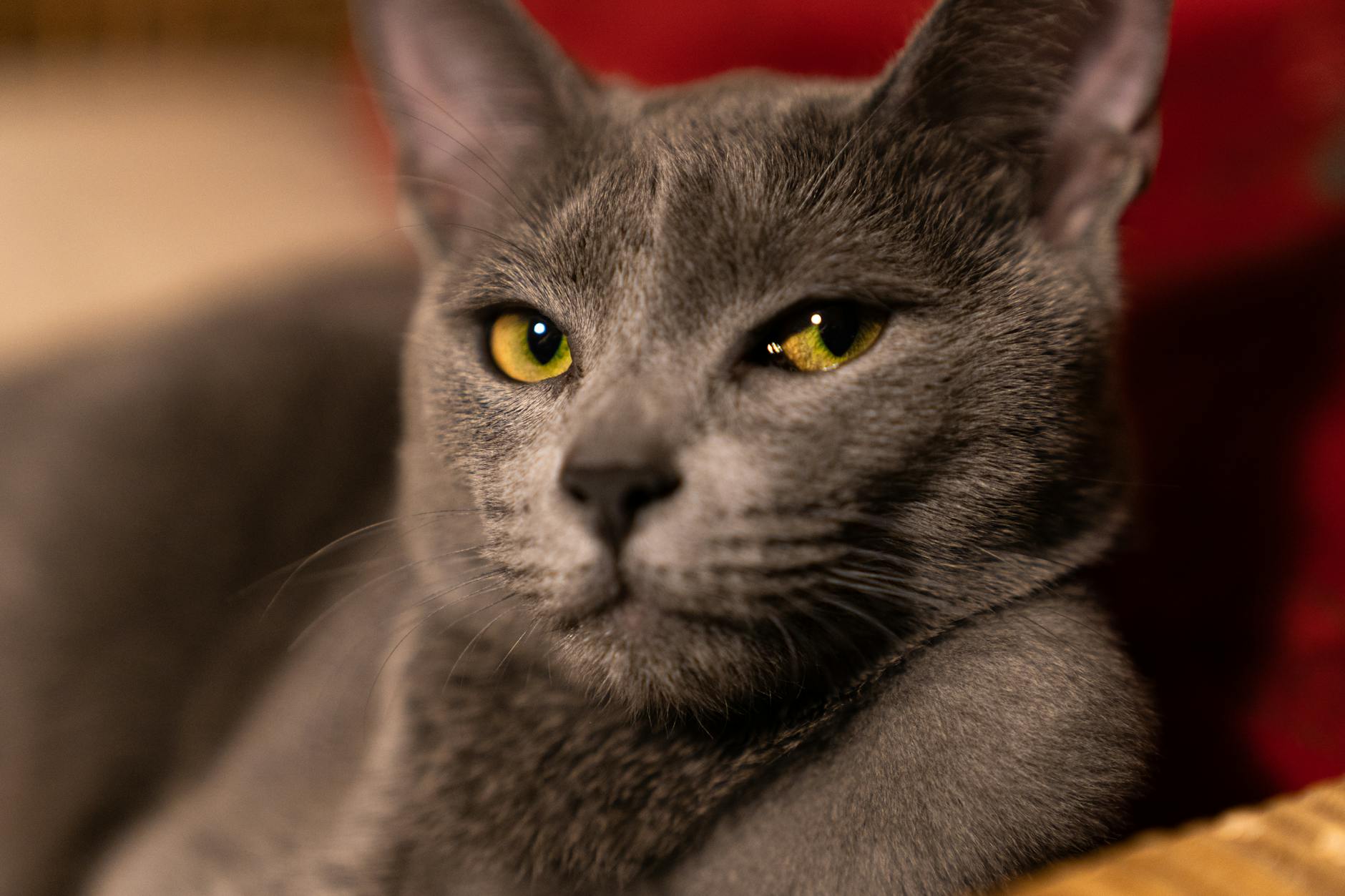
The question, Do blue cats exist?, is answered with a resounding yes, though perhaps not in the way you might initially imagine; “blue” in cats refers to a diluted black coat, a stunning and often sought-after shade.
The Allure of “Blue” Cats
The concept of a blue cat often conjures images of vibrant sapphire hues, a fantastical creature from the depths of our imagination. In reality, the “blue” in feline genetics refers to a specific dilution gene affecting the black pigment. This results in a stunning spectrum of grey shades, often described as slate, dove grey, or even lavender. The subtle beauty and sophisticated appearance of these cats have captivated cat lovers for centuries, making them a popular choice amongst breed enthusiasts and casual pet owners alike. Their enigmatic allure is further enhanced by the rare and sometimes challenging nature of breeding for this particular coat color.

Is distilled water good for goldfish?
What colours are fish most attracted to?
Can you put your finger in a trout's mouth?
Does aquarium salt raise pH in aquarium?
The Genetics Behind the “Blue”

The beautiful blue coloration in cats is the result of a recessive gene known as the dilute gene (d). This gene modifies the effect of the black pigment (eumelanin). In cats with two copies of the dominant gene (DD or Dd), the black pigment is expressed as black. However, in cats with two copies of the recessive dilute gene (dd), the black pigment is diluted to blue.
- Eumelanin: The pigment responsible for black color in cats.
- Dilute Gene (d): A recessive gene that dilutes black to blue.
- Genotype: DD or Dd (Black), dd (Blue)
This genetic mechanism explains why even breeds typically associated with black coats can produce blue variants. It also highlights the importance of understanding genetics when breeding for specific coat colors. The resulting “blue” is not a uniform shade but rather a spectrum of greys, influenced by other genes that determine the intensity and distribution of pigmentation.
Breeds Known for Their Blue Hues
While any breed can theoretically produce a “blue” cat if both parents carry the dilute gene, some breeds are particularly known for this color. These include:
- Russian Blue: Perhaps the most famous “blue” cat, with a distinctive plush, silvery-blue coat and bright green eyes.
- Chartreux: A French breed known for its dense, water-repellent, blue-grey coat and copper-colored eyes.
- British Shorthair: This breed comes in a wide variety of colors, including a beautiful solid blue, often referred to as “British Blue.”
- Korat: A silver-blue cat breed originating from Thailand, prized for its heart-shaped head and large green eyes.
Each breed showcases a slightly different variation of the blue coloration, influenced by breed-specific genetic factors and breeding standards.
Beyond Color: Health Considerations for “Blue” Cats
While the dilute gene itself is not generally associated with specific health problems, some breeders and researchers have noted potential links between coat color and certain health conditions in some breeds. This is not exclusive to blue cats, and the impact of these links often depends on the specific breed and the genetic diversity within the population. It’s crucial for breeders to prioritize health and temperament alongside coat color, ensuring the well-being of their cats. Responsible breeders conduct thorough health screenings and carefully select breeding pairs to minimize the risk of genetic health problems.
Caring for Your “Blue” Cat
Caring for a “blue” cat is generally no different than caring for any other cat. A balanced diet, regular veterinary check-ups, and plenty of love and attention are essential for their well-being. Grooming requirements will vary depending on the breed and coat type, but regular brushing is generally recommended to maintain a healthy and lustrous coat. Whether a sleek Russian Blue or a fluffy British Shorthair, “blue” cats thrive on human interaction and enrich the lives of their owners with their unique charm and affection.
Frequently Asked Questions (FAQs)
Are truly blue cats, like the color of the sky, possible?
No, cats cannot be colored like the sky by any natural processes. The “blue” we refer to is a genetic dilution of black, resulting in various shades of grey. Think of it like mixing black paint with white – you’ll get different tones of grey, not blue.
What makes a Russian Blue cat so special?
Russian Blue cats are known for their distinctive double coat, which gives them a plush, silvery-blue appearance. They also have bright green eyes and a generally quiet and gentle temperament, making them highly sought-after companions.
Does the “blue” color affect a cat’s personality?
There is no scientific evidence to suggest that coat color directly affects a cat’s personality. While anecdotal observations might link certain coat colors to specific traits, personality is primarily shaped by genetics, environment, and socialization.
Is it possible to breed a cat with a completely uniform “blue” coat?
Achieving a perfectly uniform “blue” coat is challenging. Variations in pigment distribution and the influence of other genes can result in subtle differences in shade. However, selective breeding can strive for a consistent blue coloration within a particular breed.
Are “blue” cats more prone to certain health problems?
While the dilute gene itself is generally not linked to specific health problems, some breeds may have correlations between coat color and certain conditions. Responsible breeders screen for breed-specific genetic predispositions, regardless of coat color.
How can I tell if my cat is really “blue” and not just grey?
Distinguishing between a true “blue” cat and a simply grey cat can be tricky. The “blue” typically has a cool, silvery undertone, whereas a true grey might appear more neutral or even slightly brown. Consulting with a veterinarian or experienced cat breeder can help you determine the exact coloration.
What is the difference between “blue” and “lilac” in cats?
Both “blue” and “lilac” are dilute colors, but they involve different primary pigments. “Blue” is the dilution of black, while “lilac” (also called lavender) is the dilution of chocolate. The dilute gene is the same, but the underlying pigment determines the final result.
Can two black cats have “blue” kittens?
Yes, two black cats can have “blue” kittens if both parents carry the recessive dilute gene (d). They may be black themselves (Dd) but can still pass the recessive gene to their offspring. If the kittens inherit two copies of the dilute gene (dd), they will be “blue.”
Are “blue” cats more expensive than other cats?
The price of a “blue” cat can vary greatly depending on the breed, pedigree, breeder reputation, and location. Breeds known for their “blue” coloration, such as Russian Blues and Chartreux, are often more expensive due to their rarity and popularity.
Does the “blue” coat color fade over time?
In some cases, the intensity of the “blue” coat can subtly change over time, particularly during kittenhood and as the cat ages. This is due to hormonal changes and other factors that affect pigment production. However, the underlying blue coloration will remain.
Where can I find a reputable breeder of “blue” cats?
Finding a reputable breeder is crucial to ensure the health and well-being of your cat. Contact breed-specific cat associations, attend cat shows, and thoroughly research breeders online. Look for breeders who prioritize health testing, genetic diversity, and proper socialization.
Does the existence of “blue” cats impact cat shows?
Yes, “blue” cats are often shown in cat shows. Breeds known for their “blue” variations, such as Russian Blues, Chartreux, and British Shorthairs, frequently compete in shows around the world. Each breed has specific standards for the desired shade and coat texture.