

Do Birds Trust You? Unraveling the Bonds of Avian Confidence
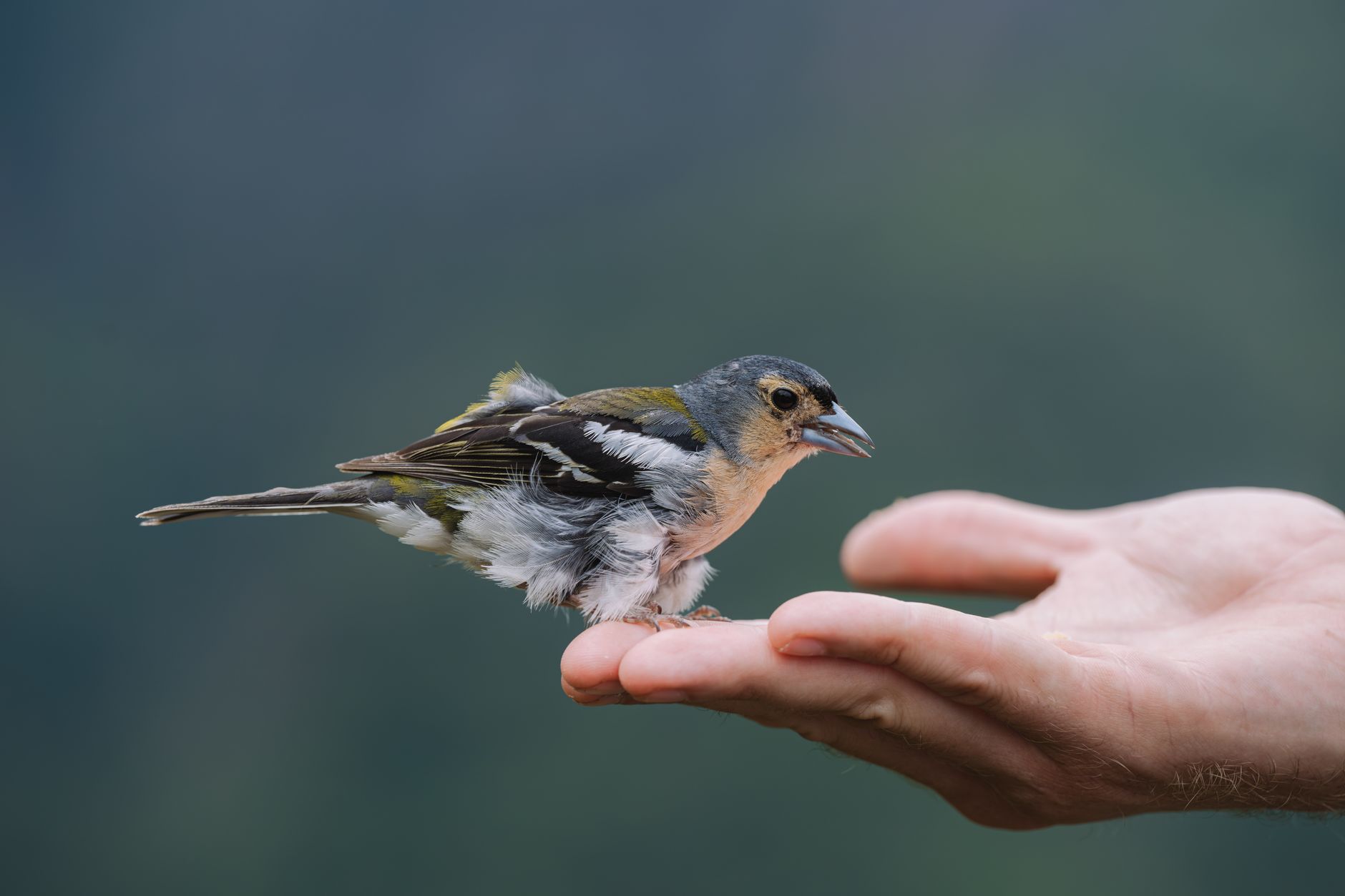
The answer is complex and nuanced, but generally, birds can learn to trust humans, especially when consistently provided with food and safe interaction, although their trust is built on a foundation of caution and careful observation.
Introduction: Understanding Avian Trust
The question of whether birds actually “trust” humans is a fascinating one that delves into the realm of animal cognition and behavior. Unlike domesticated animals like dogs or cats, birds haven’t undergone centuries of selective breeding to enhance their sociability with humans. Instead, any trust that develops between a bird and a person is usually based on learned associations and individual experiences. So, do birds trust you? Let’s explore this topic further.

What colours are fish most attracted to?
Can you put your finger in a trout's mouth?
Is methylene blue anti bacterial?
Does aquarium salt raise pH in aquarium?
Background: The Avian Perspective
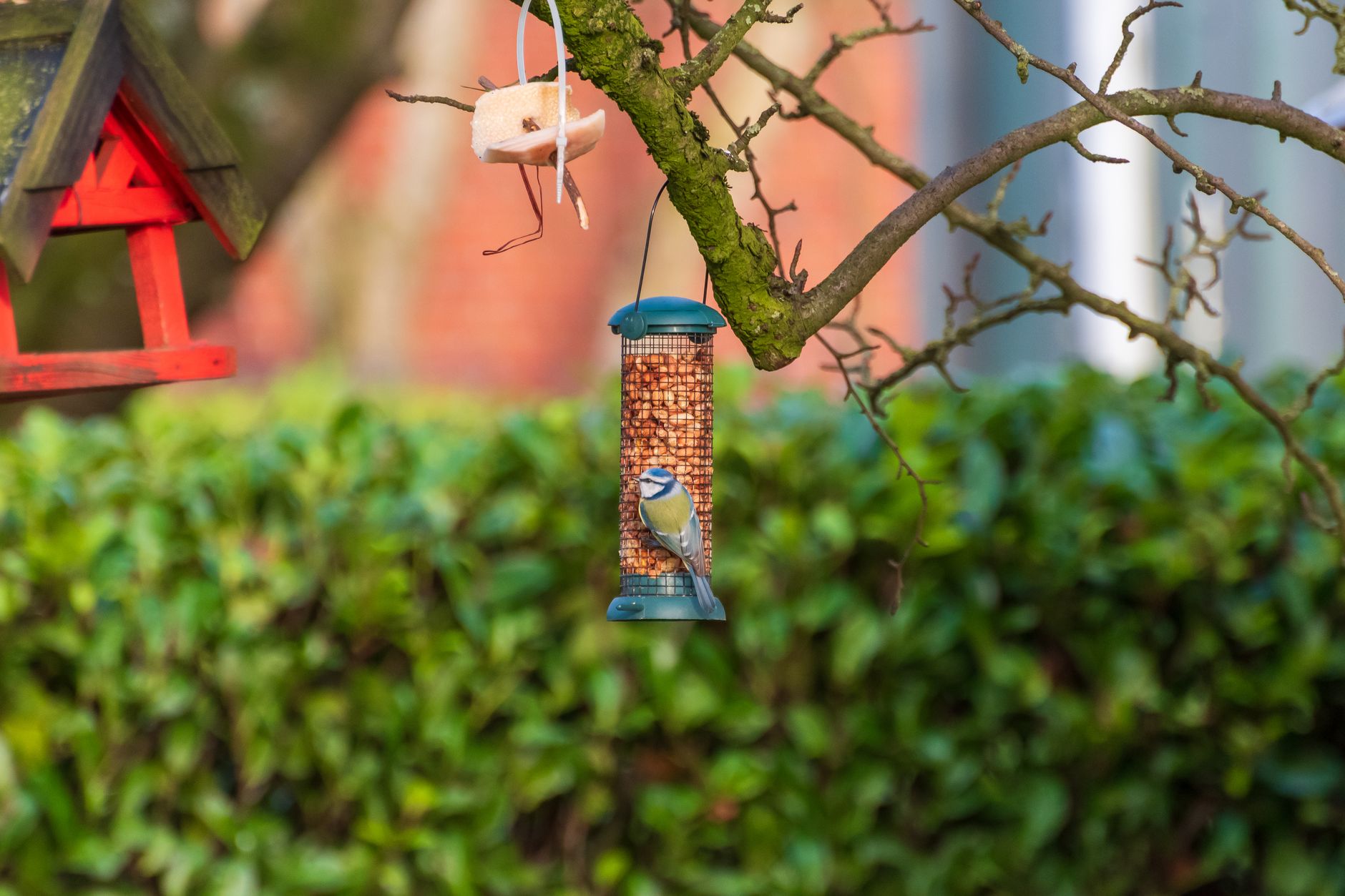
To understand avian trust, we must first consider the bird’s inherent perspective. Birds are prey animals. Their survival depends on vigilance, rapid assessment of threats, and the ability to escape danger quickly. This ingrained wariness translates into a cautious approach to unfamiliar individuals and environments.
- Survival Instinct: Constant awareness of potential predators.
- Memory and Learning: Birds possess excellent memory skills, enabling them to associate experiences with specific individuals or places.
- Individual Variation: Just like humans, birds exhibit individual personality differences. Some are bolder and more curious than others.
Factors Influencing Avian Trust
Several factors contribute to whether or not a bird will exhibit trusting behavior towards a human.
- Consistent Interaction: Regular and predictable interaction is crucial. Birds are more likely to trust individuals who consistently provide food, water, or safe shelter without causing harm.
- Non-Threatening Behavior: Approaching birds slowly and quietly, avoiding direct eye contact, and minimizing sudden movements can all help to reduce their anxiety.
- Positive Reinforcement: Offering treats or creating a comfortable environment when birds are nearby can positively reinforce their association with you.
- Species Differences: Some bird species are naturally more social and adaptable to human presence than others.
Building Trust: A Gradual Process
Building trust with birds is a gradual process that requires patience and understanding. There are no shortcuts, and forcing interactions can be detrimental.
- Start with a Safe Distance: Begin by simply being present in the bird’s environment without approaching directly.
- Offer Food Regularly: Provide a consistent source of high-quality birdseed or other appropriate food.
- Observe Bird Behavior: Pay attention to the bird’s body language. Relaxed postures and vocalizations indicate a greater sense of comfort.
- Gradually Reduce Distance: Over time, slowly reduce the distance between yourself and the bird, always respecting its boundaries.
- Avoid Sudden Movements: Always move slowly and deliberately to minimize startling the bird.
Recognizing Signs of Trust
How can you tell if a bird is starting to trust you? Look for these telltale signs:
- Reduced Flight Distance: The distance at which the bird flies away when you approach decreases over time.
- Relaxed Body Posture: The bird appears more relaxed and less tense in your presence.
- Vocalization: The bird may begin to vocalize more frequently when you are nearby, using soft chirps or contact calls.
- Proximity: The bird may choose to perch closer to you or even land on a nearby object when you are present.
Common Mistakes to Avoid
Several common mistakes can undermine your efforts to build trust with birds:
- Making Sudden Movements: This can startle the bird and reinforce its fear.
- Direct Eye Contact: Birds often perceive direct eye contact as a threat.
- Loud Noises: Avoid making loud noises or shouting, which can frighten the bird.
- Chasing the Bird: Never chase a bird, as this will damage its trust in you.
- Inconsistent Behavior: Inconsistency can confuse the bird and make it less likely to trust you.
Ethical Considerations
It’s crucial to approach interactions with birds ethically. The primary goal should always be to ensure the bird’s well-being and avoid causing any unnecessary stress or harm. While it might be rewarding to gain a bird’s trust, remember that they are wild animals and should be treated with respect and consideration for their natural behaviors. Avoid habituating birds to the point where they become overly reliant on humans, as this can make them vulnerable to predators or other dangers.
Summary: Understanding Avian Trust
In conclusion, while it’s hard to definitively say that birds fully “trust” you in the same way a dog might, they can certainly learn to associate humans with positive experiences and exhibit behaviors that indicate a reduced fear response. This relationship is built through patience, consistency, and a deep respect for the bird’s natural instincts.
Frequently Asked Questions (FAQs)
What specific actions can I take to build trust with wild birds?
The key is consistency and patience. Regularly provide a reliable food source, such as a bird feeder filled with high-quality seed. Approach the feeder slowly and deliberately, avoiding sudden movements or loud noises. Over time, the birds will associate your presence with the availability of food and become less fearful. It’s also helpful to observe the birds’ behavior and learn their individual preferences.
Are some bird species easier to gain the trust of than others?
Yes, some bird species are naturally more adaptable and less fearful of humans than others. Common feeder birds like chickadees, titmice, and nuthatches are often relatively easy to habituate to human presence. More wary species, such as raptors or certain migratory songbirds, may be more challenging to gain the trust of. The environment also impacts this; birds in urban environments may be more used to human presence than birds in wilderness areas.
Is it possible to completely eliminate a bird’s natural fear response?
It is generally not possible, nor desirable, to completely eliminate a bird’s natural fear response. Fear is an essential survival mechanism that protects birds from predators and other dangers. The goal is to reduce their fear response to you specifically, so they don’t perceive you as a threat while still remaining vigilant in general.
Can feeding birds make them dependent on humans?
While there is some debate about this, most experts agree that providing supplemental food to birds is generally beneficial, especially during periods of harsh weather or when natural food sources are scarce. Birds may become reliant on feeders as a convenient food source, but they will typically continue to forage for food elsewhere as well. To avoid creating complete dependence, offer a variety of food sources and ensure that birds have access to natural habitats.
How long does it take to build trust with a bird?
There is no set timeframe, as it depends on several factors, including the species of bird, its individual personality, and the consistency of your interactions. Some birds may begin to show signs of trust within a few weeks, while others may take months or even years. Patience and persistence are key.
What should I do if I accidentally startle a bird?
If you accidentally startle a bird, immediately stop what you are doing and remain still. Avoid making any further movements or noises that could further frighten the bird. Gradually retreat and allow the bird to calm down. Do not approach the bird again until it appears relaxed.
Is it safe to hand-feed wild birds?
While it may be tempting to hand-feed wild birds, it is generally not recommended. Hand-feeding can increase the risk of disease transmission, both between birds and between birds and humans. It can also habituate birds to human contact, making them more vulnerable to predators or other dangers. It can also make the birds more aggressive when approaching humans who aren’t offering food.
How can I create a bird-friendly environment in my yard?
To create a bird-friendly environment, provide a variety of resources, including food, water, shelter, and nesting sites. Plant native trees and shrubs that provide food and cover for birds. Install a bird bath or other water source. Avoid using pesticides or herbicides, which can harm birds and their food sources. Put up birdhouses suitable for different species.
Can birds recognize individual human faces?
Yes, many bird species have been shown to be able to recognize individual human faces. Studies have demonstrated that birds can distinguish between familiar and unfamiliar faces and even remember faces over long periods of time. This ability is crucial for birds to learn which humans are safe and which to avoid.
What role does body language play in building trust with birds?
Body language is crucial. Approach birds slowly and deliberately, avoiding sudden movements or direct eye contact. Maintain a relaxed posture and avoid making any threatening gestures. Speak in a soft, gentle voice. Birds are highly sensitive to nonverbal cues, so your body language can have a significant impact on their perception of you.
Are there any legal restrictions on feeding or interacting with wild birds?
Yes, in some areas, there may be legal restrictions on feeding or interacting with wild birds. For example, some cities have ordinances against feeding pigeons or other urban birds. It’s important to check your local laws and regulations before feeding or interacting with wild birds. In addition, never feed endangered species.
Can I train wild birds?
While you can’t “train” wild birds in the same way you would train a domesticated animal, you can influence their behavior through positive reinforcement. By consistently providing food or other rewards when birds exhibit desired behaviors, you can encourage them to repeat those behaviors. For example, you might be able to train birds to come to a specific location to be fed or to land on your hand. This, again, requires patience and consistency.