
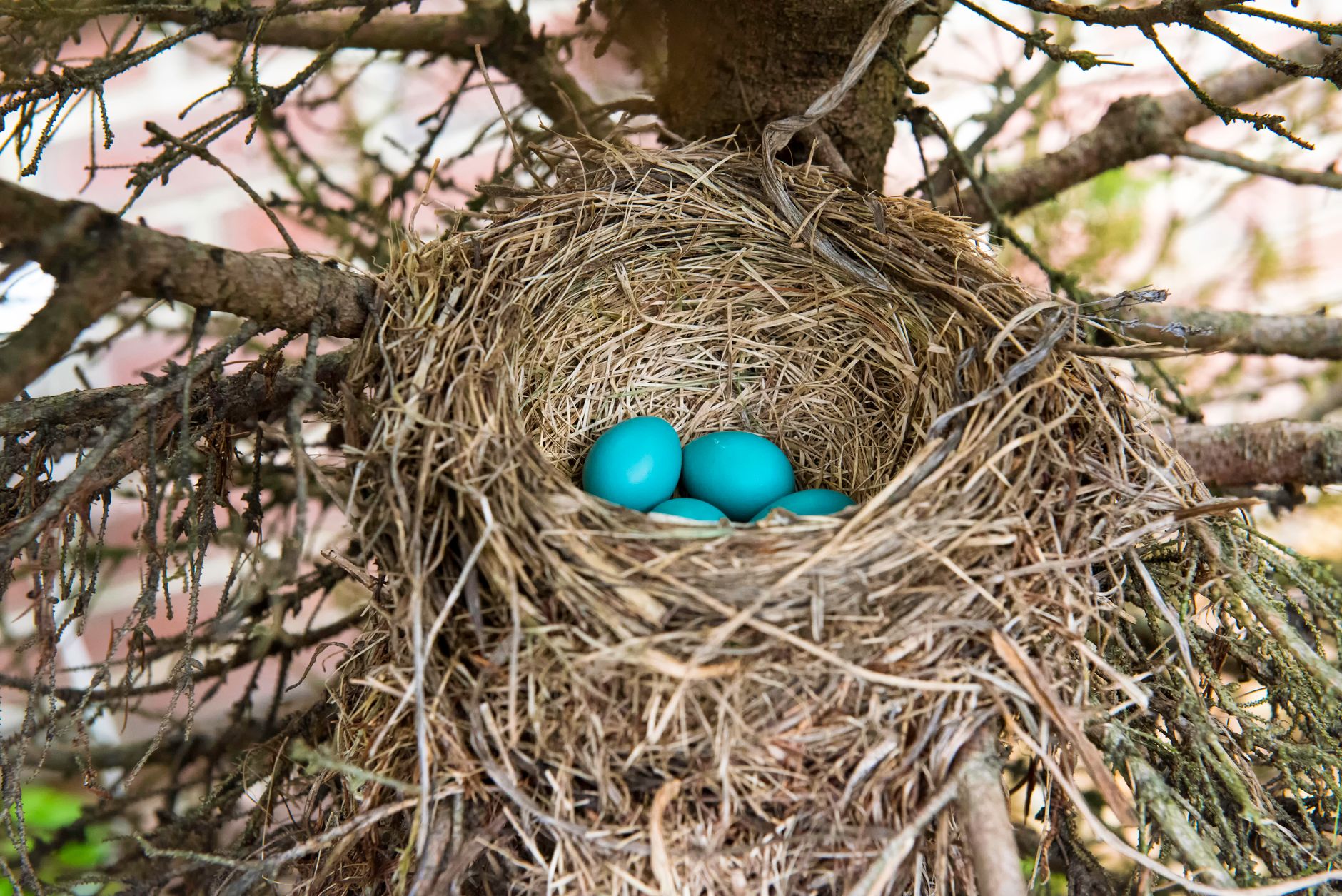
Do Birds Throw Eggs Out of the Nest? A Definitive Guide
Yes, under certain circumstances, birds do throw eggs out of the nest. This seemingly cruel behavior is, in fact, a natural survival strategy driven by various factors like infertility, damage, or brood parasitism.

Introduction: A Glimpse into Avian Nesting Behavior
The delicate process of avian reproduction is fraught with challenges. From building the perfect nest to incubating eggs and raising hatchlings, birds face a constant struggle to ensure the survival of their offspring. While the image of a devoted parent diligently tending to their eggs is commonly held, a less palatable truth exists: sometimes, birds actively reject their own eggs. The question, “Do birds throw eggs out of the nest?“, opens a window into the complex world of avian decision-making and survival strategies. This article explores the reasons behind this behavior, examines specific scenarios where it occurs, and delves into the fascinating ecological context that shapes these avian actions.

What colours are fish most attracted to?
Can you put your finger in a trout's mouth?
Is methylene blue anti bacterial?
Does aquarium salt raise pH in aquarium?
Reasons Behind Egg Rejection

The act of a bird ejecting an egg from its nest can be unsettling, but it’s usually rooted in practical considerations for the parent’s survival and the future success of remaining offspring. Here’s a breakdown of the most common reasons:
-
Infertility: If a bird senses, through subtle cues, that an egg is infertile and unlikely to hatch, removing it conserves resources and incubation effort.
-
Damage: Cracked or broken eggs attract predators and can contaminate the nest. Removing them prevents further risk.
-
Brood Parasitism: Some birds, like cuckoos and cowbirds, lay their eggs in the nests of other species. The host bird may recognize the foreign egg and eject it to avoid raising another species’ young at the expense of their own. This is a direct response to brood parasitism.
-
Resource Limitations: If food is scarce, a parent might reduce the number of mouths to feed by eliminating one or more eggs, increasing the chances that the remaining chicks will survive.
-
Nest Sanitation: Occasionally, an egg may become rotten or contaminated. Removing it helps maintain hygiene and prevent disease spread within the nest.
The Process of Egg Ejection
The method by which a bird removes an egg varies depending on its size, beak shape, and nest structure. Some common techniques include:
-
Rolling: The bird uses its beak or feet to gently roll the egg out of the nest.
-
Pushing: A larger egg might be pushed out with the bird’s chest or body.
-
Carrying: In some cases, the bird will grasp the egg with its beak and fly away from the nest, dropping it elsewhere. This is more common with smaller eggs or foreign eggs deposited by brood parasites.
Brood Parasitism and Egg Rejection Strategies
Brood parasitism is a major driver of egg rejection behavior. Host birds have evolved various strategies to combat this parasitic behavior. Some key examples include:
-
Egg Recognition: Birds learn to recognize their own egg patterns and colors. Any egg that doesn’t match is immediately suspect.
-
Egg Rejection: As described above, the host bird may physically remove the parasitic egg.
-
Nest Abandonment: If the host bird can’t remove the parasitic egg, it might abandon the entire nest and start anew.
-
Defense: Some birds actively defend their nests against brood parasites, preventing them from laying eggs in the first place.
Recognizing When Intervention is Necessary (and When it’s Not)
While it’s natural to feel concern when observing a bird ejecting an egg, it’s crucial to understand when intervention is appropriate and when it’s best to let nature take its course. Generally, intervention should be avoided unless there’s clear evidence of human interference or unusual circumstances.
| Situation | Recommendation |
|---|---|
| Egg found on the ground near the nest | Observe from a distance. The parent may have ejected it. |
| Egg appears damaged or contaminated | Leave it be. The parent will likely deal with it. |
| Suspect brood parasitism (obvious foreign egg) | Observe. The host may reject the egg on its own. |
| Nest disturbed by humans | Minimize disturbance and observe from a distance. |
| Nest destroyed | Contact a local wildlife rehabilitation center. |
Frequently Asked Questions (FAQs)
Why would a bird throw out a perfectly good egg?
Even if an egg appears perfect to the human eye, the bird might detect subtle signs of infertility, contamination, or damage. Additionally, if resources are limited, a parent might prioritize the survival of some offspring over others. Also, it might be a parasitic egg that does not belong to that species.
Is it cruel for birds to throw out eggs?
From a human perspective, it might seem cruel. However, birds are acting on instinct and survival strategies honed over generations. Their behavior is geared towards maximizing their reproductive success in the long run.
Do all bird species throw eggs out of the nest?
No, not all species exhibit this behavior. It’s more common in species that are vulnerable to brood parasitism or face significant resource constraints.
Can I put an egg back in the nest if I find it on the ground?
In most cases, it’s best not to interfere. The parent bird likely ejected the egg for a reason. Handling the egg can also introduce foreign scents that might cause the parents to reject the remaining eggs.
How can I tell if an egg is infertile?
It’s difficult to tell if an egg is infertile without specialized equipment (like candling). Birds have sensitive methods for detecting infertility that are often undetectable to humans.
What happens to the eggs that are thrown out?
The fate of the ejected eggs varies. Some might be consumed by scavengers or predators. Others might simply decompose on the ground.
How do birds know which eggs to throw out?
Birds rely on a combination of visual cues (size, color, pattern) and perhaps even olfactory cues to identify undesirable eggs. These cues are often species-specific.
What is brood parasitism, and why does it lead to egg ejection?
Brood parasitism is when one bird species lays its eggs in the nest of another species, forcing the host bird to raise the parasite’s young. Host birds eject parasitic eggs to avoid investing time and resources in raising another species’ offspring.
Does egg ejection always result in the death of the egg?
Yes, unless the ejected egg is somehow incubated by another source, it will not hatch. Egg ejection effectively ends the egg’s development.
What can I do to help birds prevent brood parasitism in my backyard?
You can plant native vegetation to provide diverse habitats for birds. Avoid using pesticides, as they can harm bird populations. Maintaining a healthy and diverse ecosystem is the best defense.
Do birds ever make mistakes and throw out their own eggs?
While rare, mistakes can happen. Especially in inexperienced birds or under stressful conditions, a bird might accidentally eject one of its own eggs.
Is “Do birds throw eggs out of the nest?” a sign that the parents are bad parents?
No. It’s important to avoid anthropomorphizing bird behavior. Egg ejection is a natural, adaptive strategy aimed at maximizing reproductive success, not a reflection of parental incompetence.