
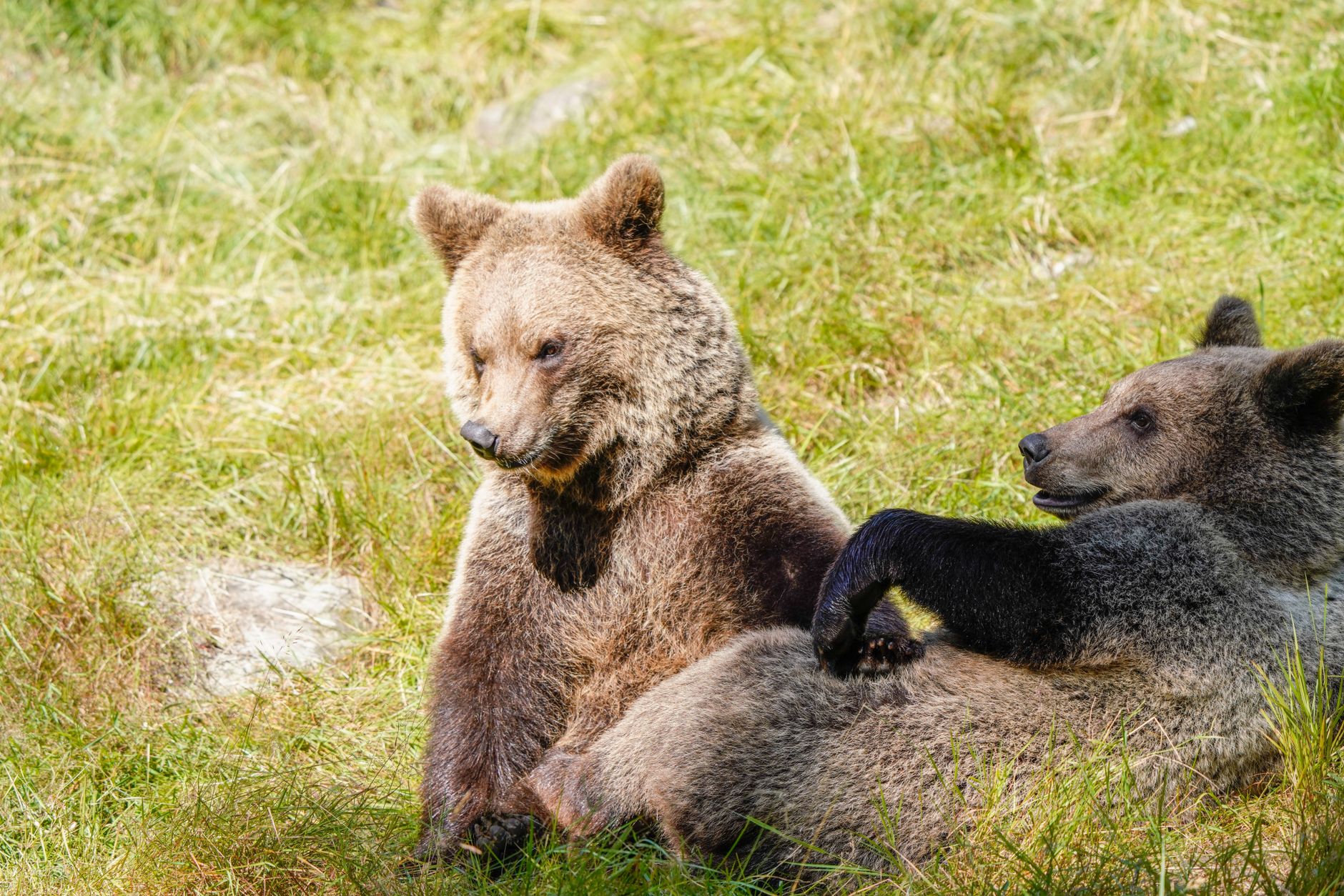
Do Bears Sit and Stare at Scenery? A Deeper Look
While not in the same way humans do, bears do exhibit behavior that suggests they appreciate their surroundings, sometimes appearing to sit and stare at scenery.
Introduction: The Bear and Its Vista
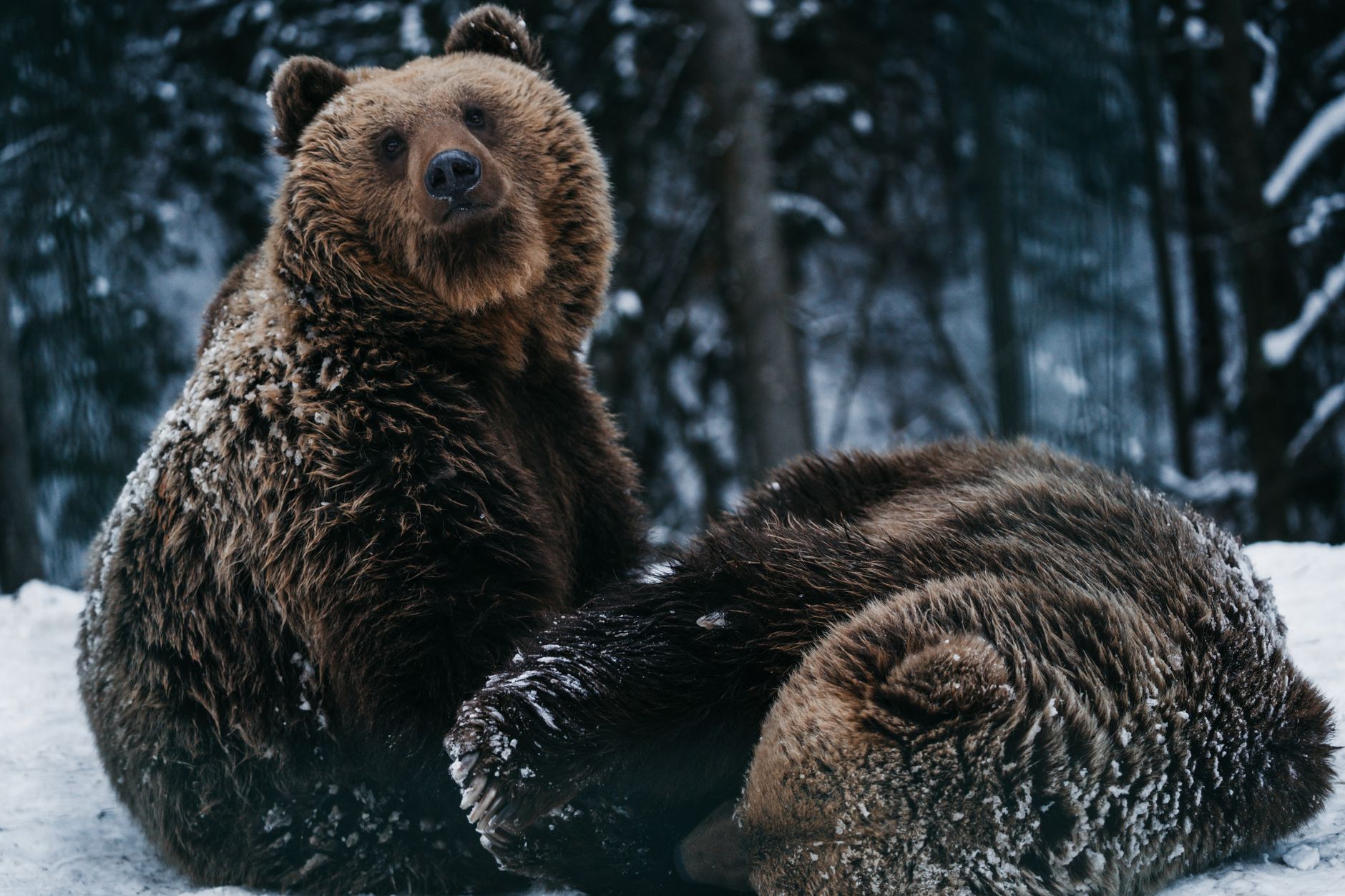
For centuries, humans have been captivated by the power and mystique of bears. We’ve projected human characteristics onto them, imagining them as wise, contemplative creatures. One question that frequently arises is: Do bears sit and stare at scenery? This article delves into the world of ursine behavior, examining whether these magnificent animals possess the capacity for what we might interpret as scenic appreciation.

What colours are fish most attracted to?
Can you put your finger in a trout's mouth?
Is methylene blue anti bacterial?
Does aquarium salt raise pH in aquarium?
Defining “Staring” and “Scenery”

Before we can definitively answer the question, we must define our terms. “Staring” implies prolonged visual attention, devoid of immediate practical purpose like hunting or predator avoidance. “Scenery” refers to the aesthetic qualities of a landscape – a panorama that offers visual appeal. Critically, we must consider how a bear perceives the world, which differs significantly from human perception. Their motivations for engaging with their environment are primarily driven by survival.
Observational Evidence and Anecdotal Accounts
Reports from wildlife biologists, park rangers, and even casual observers often describe bears pausing to observe their surroundings. Some have documented bears sitting on elevated vantage points for extended periods. While these observations are compelling, it’s crucial to analyze the underlying reasons for this behavior. Are they truly enjoying the view, or are they scanning for food sources, potential threats, or signs of other bears? The answer often lies in a combination of factors.
Potential Motivations Beyond Aesthetics
Several factors could contribute to a bear’s apparent contemplation:
- Scanning for Resources: Bears possess an exceptional sense of smell, but they also rely on their vision to locate food sources such as berry patches or carcasses. A high vantage point allows them to survey a wider area.
- Predator/Competitor Surveillance: Bears are territorial animals. Pausing to observe their surroundings can help them identify potential threats from predators like wolves or competing bears encroaching on their territory.
- Resting and Digestion: Sometimes, a bear simply needs to rest and digest a large meal. A comfortable spot with a good view might be ideal for this purpose.
- Learning and Exploration: Young bears, in particular, are curious and inquisitive. They may spend time observing their environment to learn about potential food sources, safe travel routes, and other important survival skills.
The Role of Sensory Perception
A bear’s sensory experience differs from our own. While their eyesight is decent, their sense of smell is far more acute. They perceive the world through scent in ways we can scarcely imagine. Therefore, what we interpret as “staring at scenery” might involve a complex olfactory assessment of the environment.
The Limitations of Anthropomorphism
Attributing human emotions and motivations to animals is known as anthropomorphism. While it’s tempting to imagine bears appreciating a beautiful sunset, it’s crucial to avoid projecting our own values onto them. Bears are driven by instinct and survival, and their behavior must be interpreted within that context.
Scientific Studies and Research
While definitive scientific studies directly addressing whether bears sit and stare at scenery are limited, research on bear behavior, sensory perception, and cognition provides valuable insights. Studies on bear intelligence have revealed that they are capable of problem-solving and learning, suggesting that they are not simply mindless automatons.
Do bears Sit and Stare at Scenery? A nuanced perspective
Ultimately, whether bears sit and stare at scenery is a matter of interpretation. They undoubtedly observe their surroundings, sometimes for extended periods. While it’s impossible to know for certain whether they experience aesthetic appreciation in the same way humans do, their behavior suggests a level of awareness and engagement with their environment that goes beyond purely instinctual responses. It is more likely a calculated scan of their territory, or simply a moment of respite.
Case studies
The following are real world observations from various national park employees.
| Observation | Location | Context |
|---|---|---|
| Bear on Cliff | Yellowstone National Park | Bear was observed sitting on a cliff ledge for over an hour. Scanning the plains below. |
| Bear in river | Great Smoky Mountains | Black bear sat with just its head above the water looking up into the canopy. |
| Bear Sitting | Rocky Mountain N. Park | Bear sitting back like a human watching the river flow |
Conclusion: Appreciating the Bear for What It Is
Instead of trying to force human interpretations onto bears, we should appreciate them for the unique and magnificent creatures they are. Their connection to the natural world is profound, and their behavior, whether we understand it completely or not, is worthy of respect and admiration.
Frequently Asked Questions
Is it dangerous to approach a bear that appears to be “staring”?
Yes, absolutely. Regardless of what a bear appears to be doing, it’s never safe to approach one. Bears are wild animals, and even those that seem docile can become aggressive if they feel threatened or perceive a threat to their young. Maintain a safe distance and observe from afar.
Do different types of bears (grizzly, black bear, polar bear) exhibit this behavior differently?
There may be subtle differences in behavior based on species and habitat. Grizzly bears, for example, are known for their territoriality and might be more likely to be scanning for threats. Polar bears, living in a stark and unforgiving environment, are primarily focused on hunting. Black bears are the most likely to be spotted due to the fact that they are the most adaptable of the three.
Can bears recognize beauty in the same way humans do?
It’s impossible to know for certain whether bears experience beauty in the same way humans do. However, their sensory experiences and cognitive abilities suggest that they are capable of appreciating their environment on some level.
Do bears sit upright like humans when they “stare”?
Sometimes, bears will sit on their haunches, providing a better vantage point. However, they may also lie down or stand on all fours while observing their surroundings. The specific posture depends on the individual bear and the situation.
Is this “staring” behavior more common in certain seasons?
It might be more common during times when bears are actively searching for food, such as in the spring after emerging from hibernation or in the fall before entering their dens. These are periods of increased activity and heightened awareness.
Do bears ever “stare” at artificial objects, like buildings or cars?
Yes, bears have been known to show curiosity towards artificial objects. This is often driven by a potential food source or a novelty that attracts their attention. However, this is not the same as appreciating scenery.
What is the best way to observe bears in their natural habitat without disturbing them?
Maintain a safe distance, use binoculars or a spotting scope, and avoid making loud noises or sudden movements. Respect their space and never attempt to feed them.
Are there any specific locations where bears are known to engage in this behavior more frequently?
Areas with high vantage points, such as cliffs or ridgelines, and areas with abundant food sources might be more likely to attract bears that pause to observe their surroundings. National parks and wilderness areas are ideal places to observe bears in their natural habitat.
Can bears learn to associate certain landscapes with food or danger?
Yes, bears are highly intelligent and can learn to associate specific locations with positive or negative experiences. This can influence their behavior and movement patterns.
How does climate change impact bear behavior and their ability to “appreciate” their surroundings?
Climate change can disrupt bear habitats, alter food availability, and increase the risk of human-bear conflict. These factors can negatively impact their behavior and reduce their ability to thrive in their natural environment.
Is it possible to train bears to “stare” at scenery?
No, it is unethical and inappropriate to train bears to perform such behaviors. Bears are wild animals and should be allowed to live in their natural environment without human interference.
If a bear is sitting and staring, is it safe to take pictures?
Yes. If you maintain a safe distance, it is generally safe to take pictures. The bear is likely looking for something to eat or defending its territory. Maintain a safe distance to avoid harm.