
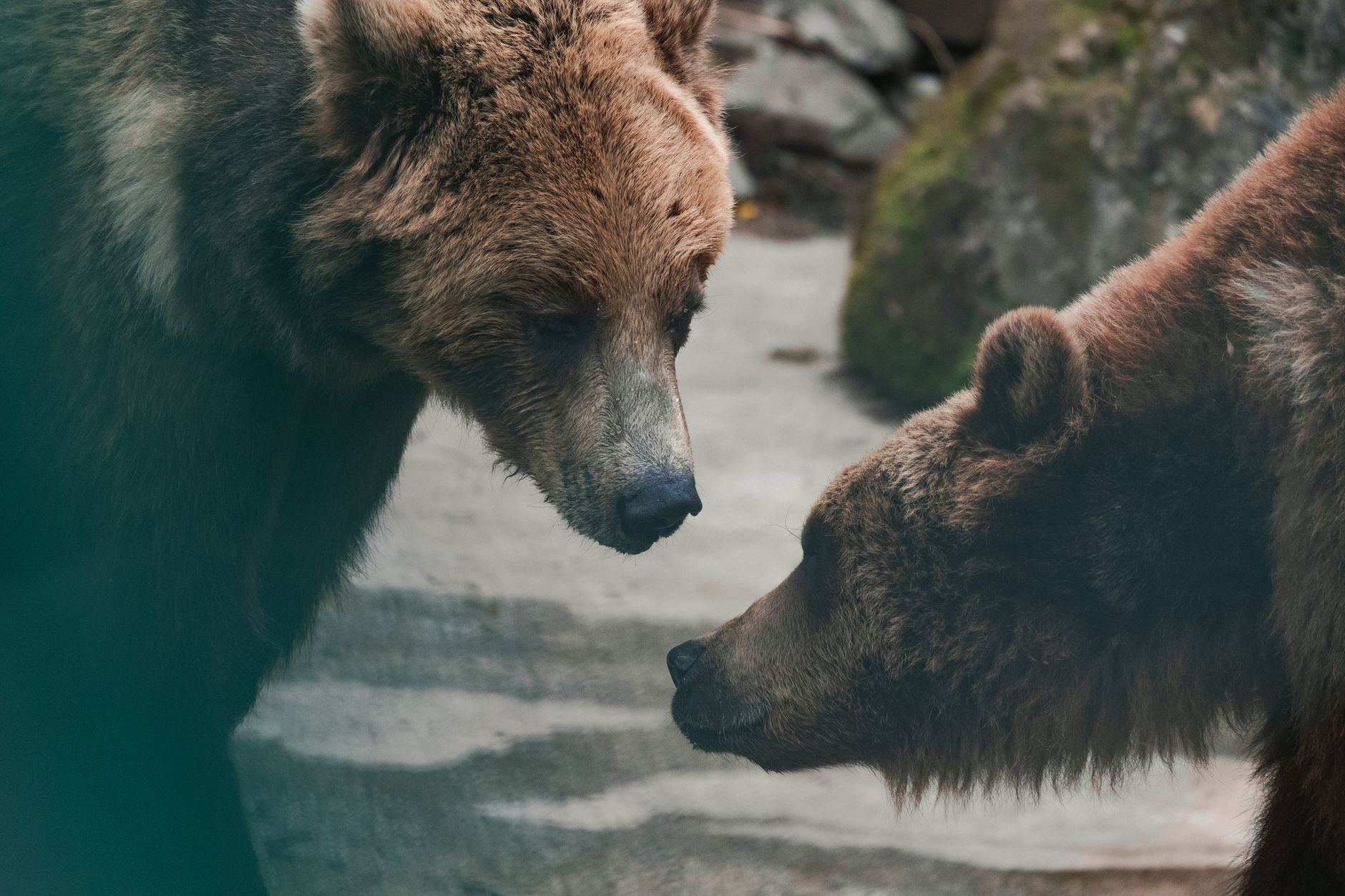
Do Bears Mate For Life? Unveiling the Truth About Ursine Relationships
No, bears generally do not mate for life. They are typically solitary animals, coming together primarily for brief periods during the breeding season.

Understanding Bear Reproductive Behavior
The question of whether do bears mate for life is a common one, stemming perhaps from a human desire to project our own relationship ideals onto the animal kingdom. However, understanding the reproductive strategies of bears requires looking beyond sentimentality and examining the ecological and evolutionary pressures that shape their behavior.

What colours are fish most attracted to?
Can you put your finger in a trout's mouth?
Is methylene blue anti bacterial?
Does aquarium salt raise pH in aquarium?
The Solitary Nature of Bears

Most bear species are largely solitary, except for mothers with their cubs. This lifestyle is driven by:
- Resource Availability: Bears require significant amounts of food to survive, particularly to build up fat reserves for hibernation. Large territories are often necessary to secure adequate resources.
- Predation Risks: While adult bears have few natural predators, cubs are vulnerable. Solitary life minimizes competition for resources and reduces the risk of infanticide by other males.
The Breeding Season: A Temporary Union
The breeding season for bears is usually short, typically lasting just a few weeks each year. During this time, males will actively seek out receptive females. This may involve:
- Traveling Long Distances: Males may cover vast distances to find females.
- Fighting Other Males: Competition for females can be fierce, often resulting in aggressive displays and physical altercations.
- Courtship Rituals: Some bear species engage in courtship behaviors, such as vocalizations and scent marking.
Once a female is receptive, she and a male will typically stay together for a few days to a week, mating multiple times. After this brief period, they separate and return to their solitary lives.
Delayed Implantation: Nature’s Safeguard
Many bear species exhibit delayed implantation. This means that after fertilization, the embryo does not immediately implant in the uterus. Instead, it floats freely for several months. Implantation occurs only if the female has accumulated sufficient fat reserves to support a pregnancy and raise cubs successfully. This adaptation helps to ensure the survival of offspring by tying reproduction to environmental conditions.
Factors Influencing Mating Success
Several factors influence a bear’s mating success:
- Age and Experience: Older, more experienced bears are often more successful in attracting mates.
- Physical Condition: Healthy and robust bears are more attractive to potential partners.
- Territory Size and Quality: Bears with access to prime habitat are more likely to find mates.
Table: Comparison of Mating Systems Among Different Bear Species
| Species | Mating System | Notes |
|---|---|---|
| Brown Bear | Polygynous | Males compete for access to multiple females; females mate with multiple males. |
| American Black Bear | Polygynous | Similar to Brown Bears. |
| Polar Bear | Polygynous | Males compete fiercely for access to females; infanticide by males is known. |
| Asiatic Black Bear | Polygynous | Similar to Brown and American Black Bears. |
| Sloth Bear | Polygynous | Little is known about their specific mating system, but it is likely polygynous. |
| Sun Bear | Polygynous | Little is known about their specific mating system, but it is likely polygynous. |
| Spectacled Bear | Polygynous | Little is known about their specific mating system, but it is likely polygynous. |
| Giant Panda | Polygynous | Females are receptive for only a few days each year; males compete for access. |
Understanding Polygyny
The term polygynous is used frequently when discussing bear mating habits. It refers to a mating system where males will mate with multiple females within a breeding season. Females may also mate with multiple males. This system reflects the resource-driven, solitary lifestyle of most bear species.
Frequently Asked Questions About Bear Mating
Are there any bear species that mate for life?
No, there is no confirmed evidence of any bear species engaging in lifelong monogamy. While anecdotal observations might suggest a pair staying together for multiple breeding seasons, this is likely due to territorial overlap or familiarity rather than a committed partnership. The phrase “Do bears mate for life?” can therefore be definitively answered as a no.
Do male bears help raise their cubs?
Generally, no. Male bears typically play no role in raising their cubs. The responsibility for cub rearing falls entirely on the female. This is due to the polygynous mating system where males prioritize mating opportunities over parental care.
How long does a female bear stay with her cubs?
A female bear typically stays with her cubs for 1.5 to 2.5 years, depending on the species. During this time, she teaches them essential survival skills, such as foraging and hunting.
What happens to the cubs after they leave their mother?
After leaving their mother, young bears typically become independent and establish their own territories. They may initially stay close to their mother’s territory, but eventually, they will disperse to find new resources and avoid competition.
Why are bears solitary animals?
Bears are primarily solitary due to the need to secure sufficient food resources. Large territories are often required to support their high caloric intake, particularly to prepare for hibernation.
How do bears find mates during the breeding season?
Male bears use a combination of scent marking, vocalizations, and traveling long distances to locate receptive females during the breeding season. They may also engage in aggressive competition with other males.
What is delayed implantation, and why is it important?
Delayed implantation is a reproductive strategy where the fertilized egg does not immediately implant in the uterus. This allows the female bear to assess her physical condition and environmental conditions before committing to pregnancy, increasing the survival chances of her offspring.
Are there any benefits to the polygynous mating system for bears?
Polygyny can increase genetic diversity within the population, as females may mate with different males. It also allows for the selection of the fittest and most capable males to pass on their genes.
How does climate change affect bear mating habits?
Climate change is impacting bear populations through habitat loss, reduced food availability, and altered hibernation patterns. These changes can indirectly affect mating success and reproductive rates.
Do human activities impact bear mating behavior?
Yes, human activities such as habitat fragmentation, hunting, and disturbance can disrupt bear mating behavior and reduce population sizes. Conservation efforts are crucial to mitigate these impacts.
What is the role of scent marking in bear reproduction?
Scent marking plays a crucial role in bear communication, particularly during the breeding season. Bears use scent to signal their presence, attract mates, and establish territorial boundaries.
Is it possible for female bears to mate with multiple males in a single season?
Yes, it is possible for a female bear to mate with multiple males during a single breeding season. This is a common characteristic of polygynous mating systems, enhancing genetic diversity. The definitive answer remains, Do bears mate for life? No.