

Do Bears Go Out At Night? Unveiling the Nocturnal Habits of Ursids
Bears certainly do go out at night, but the extent of their nocturnal activity varies significantly by species, habitat, and individual bear, making their temporal patterns a fascinating area of ongoing research.

Understanding Bear Activity Patterns
The question “Do bears go out at night?” isn’t as simple as a yes or no answer. Bears exhibit a range of activity patterns, including diurnal (active during the day), nocturnal (active at night), and crepuscular (active during dawn and dusk). Understanding why they adopt these patterns requires examining their evolutionary history, ecological niche, and the pressures they face in their environments.
What colours are fish most attracted to?
Can you put your finger in a trout's mouth?
Is methylene blue anti bacterial?
Does aquarium salt raise pH in aquarium?
Factors Influencing Bear Nocturnality

Several key factors contribute to a bear’s decision to be active at night:
- Food Availability: If a primary food source is more readily available at night, bears are more likely to shift their activity patterns to coincide with that availability. For example, salmon runs that peak in the evening may draw bears out after dark.
- Predation Risk: Bears, especially cubs, are vulnerable to predators like wolves and other bears. Increased nocturnal activity can reduce the risk of predation.
- Human Activity: Perhaps the most significant driver of bear nocturnality in recent decades is the presence of humans. Bears often become more active at night to avoid contact with people, especially in areas with high levels of recreational activity or hunting pressure.
- Temperature: In hot climates, bears may be more active at night to avoid the heat of the day. This is particularly true for species like the sun bear, which inhabits tropical rainforests.
- Competition: Bears may become more nocturnal to reduce competition with other animals for resources. For example, a smaller bear species might shift its activity to avoid confrontations with larger, more dominant species.
Species-Specific Nocturnal Tendencies
While generalizations can be made, each bear species displays unique nocturnal tendencies:
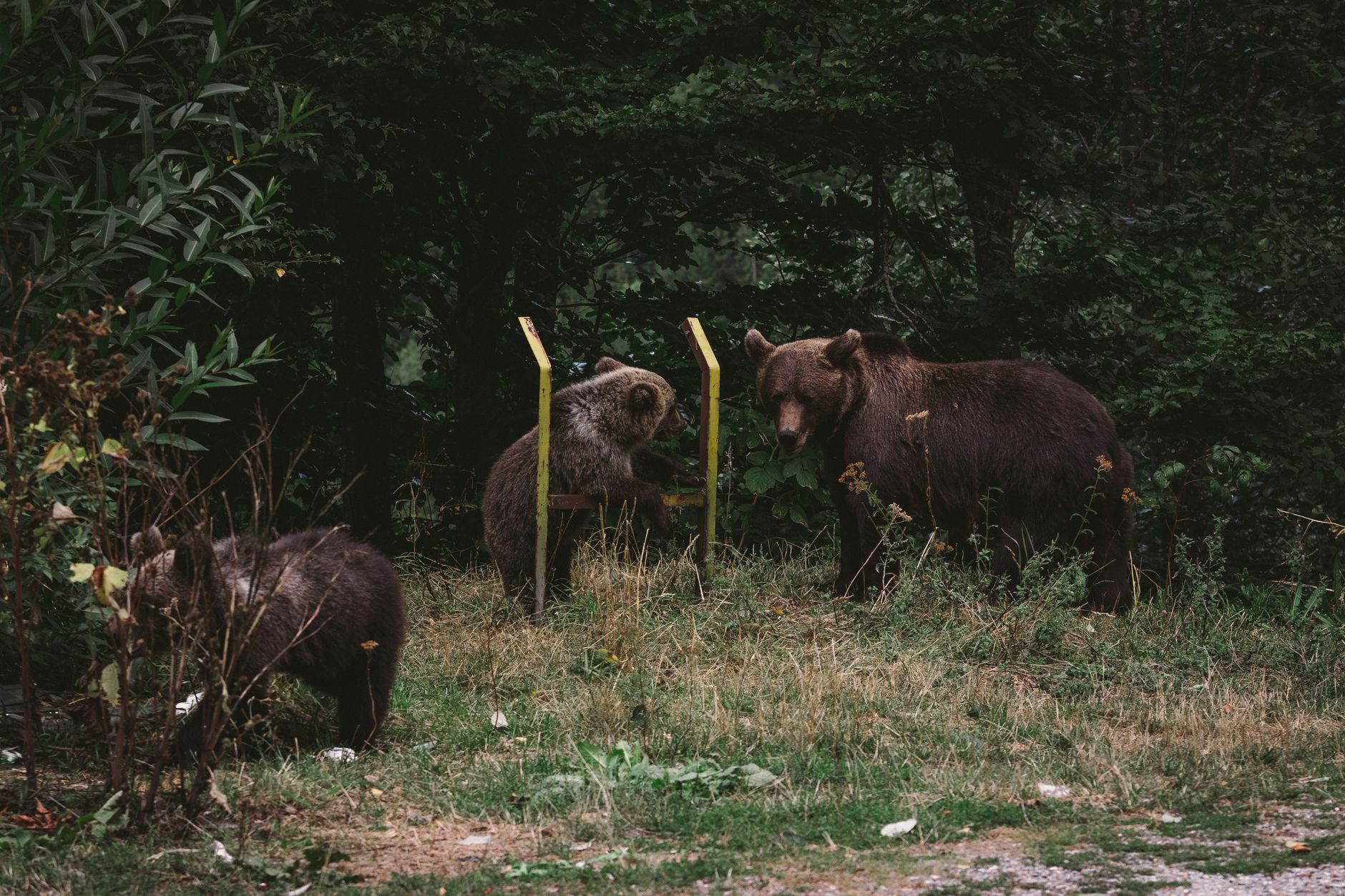
- Brown Bears ( Ursus arctos ): Brown bears, including grizzlies, are typically diurnal or crepuscular, but they will readily become nocturnal in areas with significant human disturbance or high competition for resources.
- Black Bears ( Ursus americanus ): Black bears are also generally diurnal or crepuscular, but nocturnal activity is becoming increasingly common due to human presence. Studies have shown a strong correlation between human recreation and black bear nocturnality.
- Polar Bears ( Ursus maritimus ): Polar bears are often active day and night, dictated by the availability of seals, their primary prey. The Arctic’s long periods of darkness during winter mean they are inherently adapted to hunt in low-light conditions.
- Sun Bears ( Helarctos malayanus ): Sun bears are primarily nocturnal, reflecting their adaptation to the dense tropical rainforests of Southeast Asia, where diurnal activity is less efficient due to heat and competition.
- Sloth Bears ( Melursus ursinus ): Sloth bears are generally nocturnal, feeding primarily on insects, which are often more active at night.
- Spectacled Bears ( Tremarctos ornatus ): Spectacled bears are diurnal or crepuscular, but can exhibit nocturnal behavior depending on food availability and habitat.
Researching Bear Activity: Methods and Challenges
Researchers use various methods to study bear activity patterns:
- Camera Trapping: Remote cameras triggered by motion or heat provide valuable data on when and where bears are active.
- GPS Collaring: GPS collars track a bear’s movements over time, allowing researchers to analyze activity patterns in relation to environmental factors.
- Acoustic Monitoring: Recording bear vocalizations can help identify periods of activity, particularly in dense forests where visual observation is difficult.
- Scat Analysis: Analyzing bear scat can reveal what they are eating, which provides clues about their foraging behavior and potential shifts in activity patterns.
Despite these methods, studying bear activity poses challenges:
- Remote Habitats: Many bear populations live in remote and difficult-to-access areas, making research logistically challenging.
- Individual Variation: Bear behavior can vary significantly between individuals, making it difficult to generalize findings across populations.
- Changing Environments: Rapid environmental changes, such as climate change and habitat loss, can significantly alter bear activity patterns, requiring ongoing monitoring.
The Future of Bear Nocturnality
As human populations continue to grow and encroach on bear habitats, we can expect to see a further shift towards increased nocturnal activity in many bear species. Understanding these changes is crucial for developing effective conservation strategies and mitigating human-wildlife conflict. This also affects how we answer the question “Do bears go out at night?” in the future. The answer will likely become increasingly “yes” for more and more species.
Frequently Asked Questions (FAQs)
Are all bears nocturnal?
No, not all bears are nocturnal. While many species exhibit nocturnal behavior, especially in response to human activity, others are primarily diurnal or crepuscular. The specific activity pattern depends on factors like food availability, predation risk, and temperature.
Why do bears become more nocturnal in areas with human activity?
Bears often become more nocturnal in areas with human activity to avoid contact with people. This is a learned behavior that reduces the risk of encounters, which can be dangerous for both bears and humans.
Which bear species is most likely to be nocturnal?
The sun bear is the most likely bear species to be nocturnal. They live in the dense tropical rainforests of Southeast Asia and are well-adapted to nighttime activity.
Do bears hibernate at night?
No, bears do not hibernate specifically at night. Hibernation is a seasonal adaptation to conserve energy during periods of food scarcity and cold weather. During hibernation, bears enter a state of torpor, with slowed heart rate and breathing.
Does light pollution affect bear activity?
Yes, light pollution can affect bear activity. Artificial light at night can disrupt their natural circadian rhythms and potentially alter their foraging behavior and reproductive cycles.
How can I reduce the risk of encountering a nocturnal bear?
To reduce the risk of encountering a nocturnal bear, avoid hiking or camping at night in bear country. If you must be out at night, carry bear spray, make noise to alert bears to your presence, and avoid areas with dense vegetation.
Do bear cubs learn to be nocturnal from their mothers?
Yes, bear cubs often learn activity patterns, including nocturnal behavior, from their mothers. Mothers teach their cubs how to forage, avoid predators, and navigate their environment.
What is the impact of climate change on bear nocturnality?
Climate change can impact bear nocturnality by altering food availability and habitat conditions. For example, earlier snowmelt may shift the timing of plant growth, potentially affecting bear foraging behavior and activity patterns.
Are urban bears more likely to be nocturnal?
Yes, urban bears are often more likely to be nocturnal than their counterparts in more remote areas. This is because urban environments typically have higher levels of human activity during the day.
How do researchers track bear activity at night?
Researchers track bear activity at night using a variety of methods, including camera traps, GPS collars, and acoustic monitoring. These tools provide valuable data on when and where bears are active.
Is it safe to leave food out at night in bear country?
No, it is not safe to leave food out at night in bear country. Leaving food out can attract bears and increase the risk of human-wildlife conflict. Always store food in bear-resistant containers or hang it from a tree, following recommended guidelines.
What should I do if I encounter a bear at night?
If you encounter a bear at night, remain calm and slowly back away. Avoid direct eye contact and do not run. If the bear approaches, use bear spray if you have it, and make yourself look as large as possible.