

Do Bears Attack Humans? Understanding Risk and Prevention
Do bears attack humans? While rare, bear attacks can occur. This article provides a comprehensive overview of the factors contributing to such incidents and crucial strategies for preventing them.

Understanding Bear Behavior and Human-Bear Conflict
Bears, magnificent and powerful creatures, generally prefer to avoid humans. However, encounters can sometimes lead to conflict. Understanding the factors that contribute to these interactions is crucial for promoting coexistence and ensuring safety in bear country. Many factors contribute to potential negative bear-human interactions.
- Food Availability: Bears are opportunistic feeders. Improperly stored food, unsecured garbage, or bird feeders can attract them to human areas, increasing the likelihood of encounters.
- Habitat Loss: As human development encroaches on bear habitats, bears are forced to compete for resources in smaller territories, sometimes leading to increased interactions with people.
- Habituation: When bears become accustomed to humans and lose their natural fear, they may approach campsites or homes in search of food.
- Defensive Behavior: Bears, especially mothers protecting their cubs, may react defensively if they perceive a threat.
- Surprise Encounters: Startling a bear at close range can trigger a defensive attack.
What colours are fish most attracted to?
Can you put your finger in a trout's mouth?
Is methylene blue anti bacterial?
Does aquarium salt raise pH in aquarium?
Types of Bear Attacks
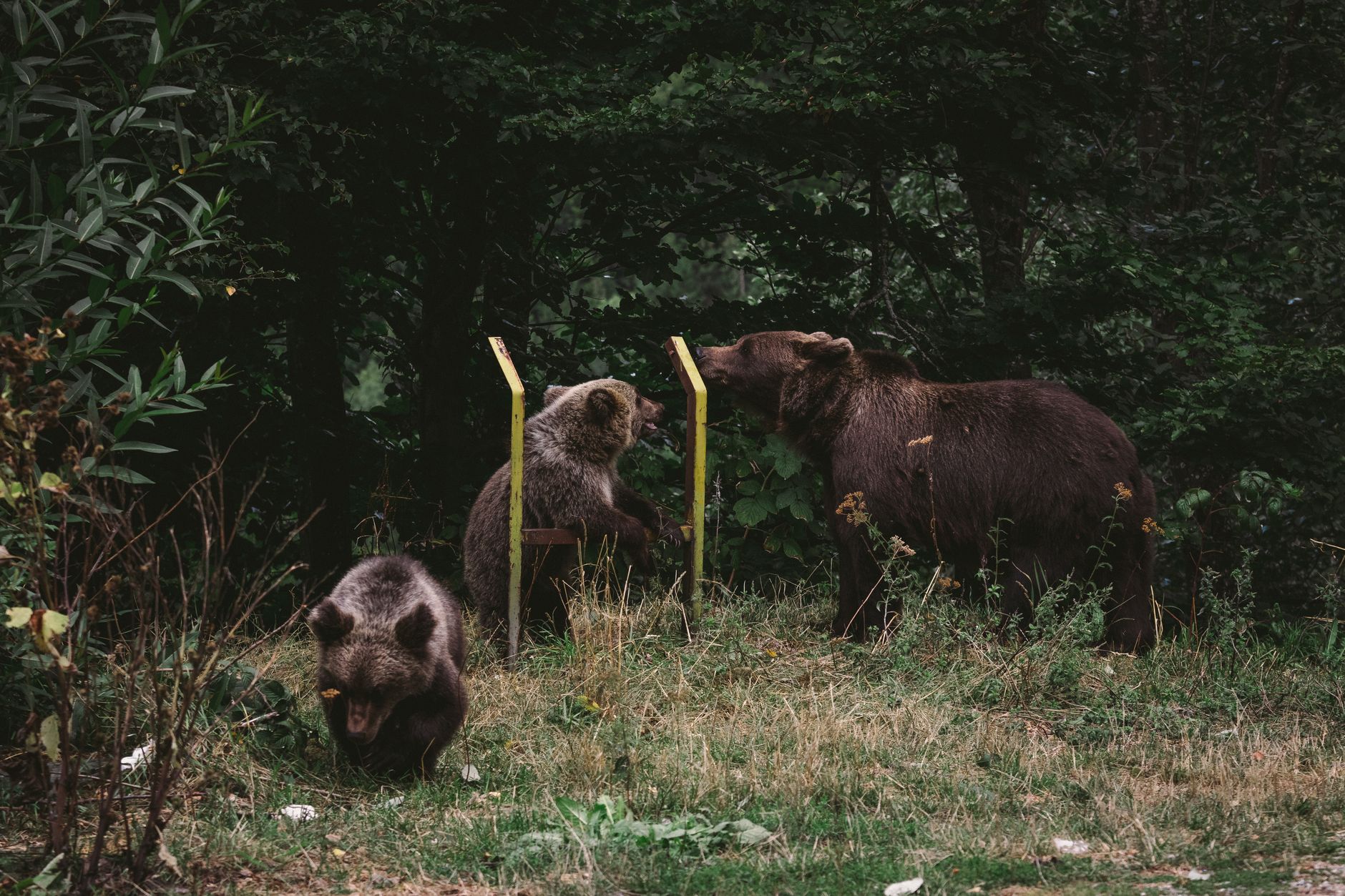
While all bear attacks are serious, understanding the different types can help in responding appropriately.
- Defensive Attacks: These are the most common type of bear attack. They occur when a bear feels threatened, usually by a perceived threat to its cubs or food source. Defensive attacks are often short-lived, with the bear ceasing its aggression once the perceived threat is removed.
- Predatory Attacks: These are much rarer and occur when a bear views a human as prey. Predatory attacks are typically more sustained and may involve stalking behavior.
Bear Safety Tips: Prevention is Key
The best way to avoid a bear attack is to prevent encounters from occurring in the first place. Following these safety tips can significantly reduce your risk:
- Store Food Properly: Use bear-resistant canisters or hang food at least 10 feet off the ground and 4 feet from any tree trunk. Never leave food unattended in campsites or vehicles.
- Make Noise: When hiking in bear country, make noise to alert bears to your presence. Carry a bell, whistle, or talk loudly.
- Hike in Groups: Bears are less likely to approach groups of people.
- Be Aware of Your Surroundings: Pay attention to signs of bear activity, such as tracks, scat, or disturbed vegetation.
- Carry Bear Spray: Bear spray is a highly effective deterrent and should be carried by anyone venturing into bear country.
Responding to a Bear Encounter
If you encounter a bear, it’s crucial to remain calm and assess the situation.
- Identify the Bear’s Behavior: Is it curious, defensive, or predatory?
- Stay Calm: Panic can escalate the situation.
- Avoid Direct Eye Contact: Direct eye contact can be interpreted as a threat.
- Speak Calmly and Slowly: Let the bear know you are human and not a threat.
- Back Away Slowly: Do not turn your back on the bear or run.
- If Attacked:
- Defensive Attack: Play dead. Lie flat on your stomach with your hands covering your neck. Spread your legs to make it harder for the bear to roll you over.
- Predatory Attack: Fight back with everything you have. Use any available object as a weapon.
Bear Species and Attack Frequency
The frequency and nature of bear attacks can vary depending on the species of bear.
| Bear Species | Attack Frequency | Key Characteristics |
|---|---|---|
| Black Bear | Relatively low | More likely to flee; defensive attacks are more common. |
| Brown Bear (Grizzly) | Moderate | More likely to stand its ground; can be aggressive, especially with cubs. |
| Polar Bear | Highest (in their habitat) | Predatory behavior is more common. |
The Importance of Bear Education
Understanding bear behavior and implementing preventative measures are essential for promoting safety in bear country. Education is key to minimizing human-bear conflict and ensuring the well-being of both humans and bears.
Frequently Asked Questions About Bear Attacks
What is the most common reason for bear attacks?
The most common reason for bear attacks is defensive behavior. A bear may feel threatened by a perceived danger to its cubs, its food source, or its personal space, causing it to react defensively.
Is it true that running from a bear is the worst thing you can do?
Yes, running from a bear is generally the worst thing you can do. Running triggers a chase response in many predators, including bears. It’s better to stand your ground, make yourself look large, and back away slowly.
How effective is bear spray, and how do you use it?
Bear spray is highly effective at deterring bear attacks. To use it, remove the safety clip, aim at the bear’s face, and spray a cloud of repellent for several seconds. Be sure to practice using it beforehand.
What should I do if I encounter a bear while hiking with my dog?
Keep your dog on a leash and under control. If you encounter a bear, try to put distance between yourself and the bear, and consider releasing your dog (if trained to return) as a distraction while you back away slowly.
Are some bear species more dangerous than others?
Yes, brown bears (grizzlies) and polar bears are generally considered more dangerous than black bears. Brown bears are more likely to stand their ground and attack defensively, while polar bears are more prone to predatory behavior, making “Do bears attack humans?” a complex question contingent on species and surrounding.
What are the key differences between a black bear attack and a grizzly bear attack?
A black bear attack is more likely to be defensive and less sustained, while a grizzly bear attack can be more aggressive and potentially more prolonged. Playing dead is generally recommended for defensive attacks (more common with grizzlies), but fighting back is crucial if the attack is predatory.
Can bears be habituated to humans, and if so, what are the risks?
Yes, bears can become habituated to humans if they are repeatedly exposed to human food or garbage. This habituation can lead to increased boldness and a higher likelihood of encounters, potentially resulting in conflict.
What is the best way to store food in bear country?
The best way to store food is to use bear-resistant canisters or hang food in a bag suspended at least 10 feet off the ground and 4 feet from any tree trunk. Never store food in your tent or vehicle.
Is it safe to hike alone in bear country?
Hiking in groups is generally safer in bear country, as bears are less likely to approach groups of people. However, if you must hike alone, be extra vigilant and make plenty of noise.
What signs should I look for that indicate bear presence in an area?
Signs of bear presence include tracks, scat, claw marks on trees, overturned rocks or logs, and disturbed vegetation. Be particularly cautious if you notice fresh signs.
Does the time of year affect the likelihood of bear attacks?
Yes, the time of year can affect the likelihood of bear attacks. Bears are most active in the spring and fall, when they are either recovering from hibernation or preparing for it. Food scarcity during these times can also increase the risk of encounters.
What should I do after surviving a bear attack?
Seek immediate medical attention, even if your injuries seem minor. Report the incident to the relevant wildlife authorities to help them manage bear populations and prevent future attacks. Understanding factors like these help one answer, “Do bears attack humans?“, with a clearer, nuanced perspective.