

Do Axolotls Pee? Unveiling the Urinary Secrets of the Water Monster
Axolotls, those adorable aquatic salamanders, are fascinating creatures. The short answer is yes, axolotls do pee, although their method of excretion is a little different from mammals.
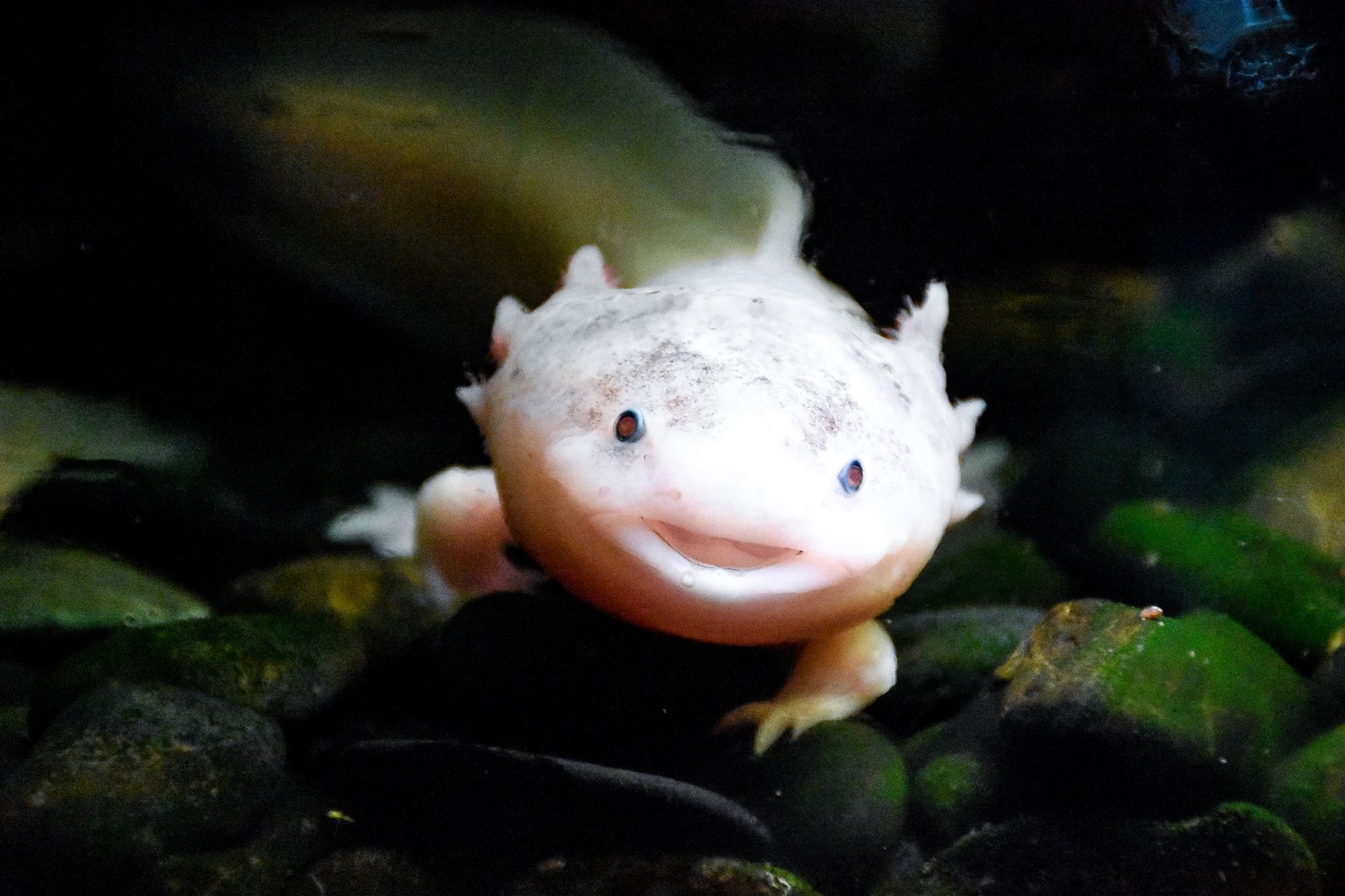
Axolotls: Nature’s Neotenic Marvels
Axolotls ( Ambystoma mexicanum ) are neotenic salamanders, meaning they retain their larval characteristics throughout their adult lives. This is a key factor in understanding their unique physiology, including their excretory system. Native to only one lake system near Mexico City, their wild populations are critically endangered. These fascinating amphibians are popular pets, often called “water monsters” or “walking fish” due to their feathery gills and perpetual smiles. Because they are amphibians, much of their physiology, especially the way they handle waste, is more closely related to frogs and salamanders than to fish.

What colours are fish most attracted to?
Can you put your finger in a trout's mouth?
Is methylene blue anti bacterial?
Does aquarium salt raise pH in aquarium?
Understanding Excretion: Beyond Urination

It’s important to understand that excretion involves more than just urination. Animals need to eliminate nitrogenous waste, which is a byproduct of protein metabolism. Different animals achieve this in different ways. Mammals convert ammonia to urea and excrete it in urine. Fish excrete ammonia directly into the water. Amphibians, including axolotls, excrete nitrogenous waste as both ammonia and urea.
The Axolotl’s Urinary System: A Simplified Setup
Axolotls possess a simple urinary system compared to mammals. It includes:
- Kidneys: Filter waste products from the blood.
- Ureters: Tubes that transport urine from the kidneys to the cloaca.
- Cloaca: A common opening for the digestive, urinary, and reproductive tracts.
- Bladder: In many amphibians, but not prominently developed in axolotls. This is a key reason why their “peeing” looks a little different.
Since axolotls have a less developed bladder, urine is not stored for long periods and is released more frequently.
So, How Do Axolotls Pee?
The process of urination in axolotls is not as dramatic as you might imagine. They don’t release a large stream of fluid like mammals do. Instead, they constantly leak small amounts of dilute urine into their aquatic environment. This is because:
- They live in water, so water conservation is not a priority.
- Their primary method of nitrogenous waste excretion is through their gills as ammonia.
- Their bladder is small, meaning that urine cannot be stored in large quantities.
Ammonia Excretion: The Dominant Pathway
A significant portion of axolotls’ nitrogenous waste is excreted directly into the water via their gills as ammonia. This method is energetically less demanding than converting ammonia to urea, which is then excreted as urine. This ammonia excretion is a constant process and contributes significantly to the nitrogen cycle in their aquarium.
What Does Axolotl Pee Look Like?
Because axolotl urine is highly diluted and released in small amounts, it is virtually invisible in the water. You won’t see a distinct stream or cloudiness. The only way to detect its presence is by testing the water parameters, specifically the levels of ammonia, nitrite, and nitrate.
Why is Understanding Axolotl Excretion Important?
Understanding how axolotls excrete waste is crucial for maintaining their health and well-being in captivity. An unhealthy environment can lead to stress and illness.
- Water Quality: Maintaining pristine water quality is essential. Regular water changes are necessary to remove accumulated waste products.
- Nitrogen Cycle: A well-established nitrogen cycle in the aquarium is crucial for converting harmful ammonia and nitrite into less toxic nitrate.
- Overfeeding: Overfeeding can lead to an increase in waste production, which can overload the filtration system and negatively impact water quality.
| Parameter | Ideal Range for Axolotls |
|---|---|
| Temperature | 16-18°C (60-64°F) |
| pH | 6.5-8.0 |
| Ammonia | 0 ppm |
| Nitrite | 0 ppm |
| Nitrate | <20 ppm |
Frequently Asked Questions About Axolotl Urination
What happens if axolotl water isn’t changed often enough?
If water changes aren’t performed regularly, ammonia and nitrite levels will rise, creating a toxic environment for your axolotl. This can lead to stress, illness, and even death. Monitor water parameters regularly and perform partial water changes as needed.
Is axolotl pee harmful?
While axolotl urine itself isn’t inherently harmful, the ammonia it contains is toxic to axolotls and other aquatic life. The biological filter in an aquarium should convert ammonia to nitrite, and nitrite to nitrate. It’s the build-up of ammonia and nitrite that causes harm.
How often should I change my axolotl’s water?
The frequency of water changes depends on several factors, including the size of the aquarium, the number of axolotls, and the efficiency of the filtration system. As a general rule, you should aim to perform 20-30% water changes once or twice a week.
Can axolotls pee outside of water?
Axolotls are obligate aquatic amphibians, meaning they must live in water to survive. They cannot pee outside of water for any significant length of time, and exposure to air will cause them to dry out and suffocate.
Do axolotls have bladders?
Yes, axolotls do have bladders, but they are small and underdeveloped compared to those of many other amphibians. This is why they release small amounts of urine frequently rather than storing it and releasing a large volume all at once.
Does the temperature affect how often an axolotl pees?
Yes, temperature does affect their metabolism. At higher temperatures, their metabolic rate increases, resulting in potentially more frequent excretion of waste. Conversely, at lower temperatures, their metabolic rate slows down, potentially reducing how often they pee. However, maintaining optimal temperature is crucial for their overall health.
Is there a way to reduce the amount of waste my axolotl produces?
Proper feeding practices are the best way to reduce waste. Avoid overfeeding, remove uneaten food promptly, and offer a balanced diet specifically formulated for axolotls. This will help minimize the amount of waste produced.
Why does my axolotl’s water get cloudy?
Cloudy water can be caused by several factors, including a bacterial bloom, an imbalance in water chemistry, or an accumulation of organic waste. Regularly test the water parameters and perform water changes as needed.
Do axolotls ever get urinary tract infections (UTIs)?
While UTIs are possible, they are rare in axolotls. However, any sign of illness, such as lethargy, loss of appetite, or unusual behavior, should be investigated by a qualified veterinarian specializing in amphibians.
Does stress affect axolotl urination habits?
Yes, stress can affect many aspects of an axolotl’s health, including their excretory functions. Stressed axolotls may exhibit changes in behavior and compromise their kidney function, potentially affecting urination patterns. Minimize stress by providing a stable environment, appropriate water parameters, and a healthy diet.
Are axolotl wastes good for plants?
The nitrogenous compounds in axolotl waste, ammonia, nitrite, and nitrate, can indeed be beneficial for plants. However, using axolotl tank water directly on plants could potentially introduce other harmful substances, so you would need to consider the overall water quality and the plant’s specific requirements. Dilution is key.
Can I visually differentiate between feces and “pee” coming from my axolotl?
While you won’t see “pee” as a distinct stream, you will see solid waste (feces). Feces are usually dark, cylindrical, and relatively solid. The dilute urine is essentially invisible as it disperses in the water. The focus is not on differentiating, but rather on maintaining an environment that eliminates both types of waste effectively.