

Do Aquariums Hold Great White Sharks? The Complex Truth
The question of whether aquariums house great white sharks is a complex one. While it has been achieved briefly and with limited success, the answer is generally no, and major ethical and logistical challenges prevent long-term captivity.

The Allure and the Challenge: A Great White in Captivity
The idea of observing a great white shark in the controlled environment of an aquarium is understandably captivating. These apex predators inspire both awe and fear, and a successful display would undoubtedly draw massive crowds. However, the reality is far more complicated than simply netting a shark and placing it in a tank. The inherent challenges of keeping Carcharodon carcharias alive and healthy in captivity have proven, for the most part, insurmountable.

What colours are fish most attracted to?
Can you put your finger in a trout's mouth?
Is methylene blue anti bacterial?
Does aquarium salt raise pH in aquarium?
Short-Lived Successes and Scientific Understanding
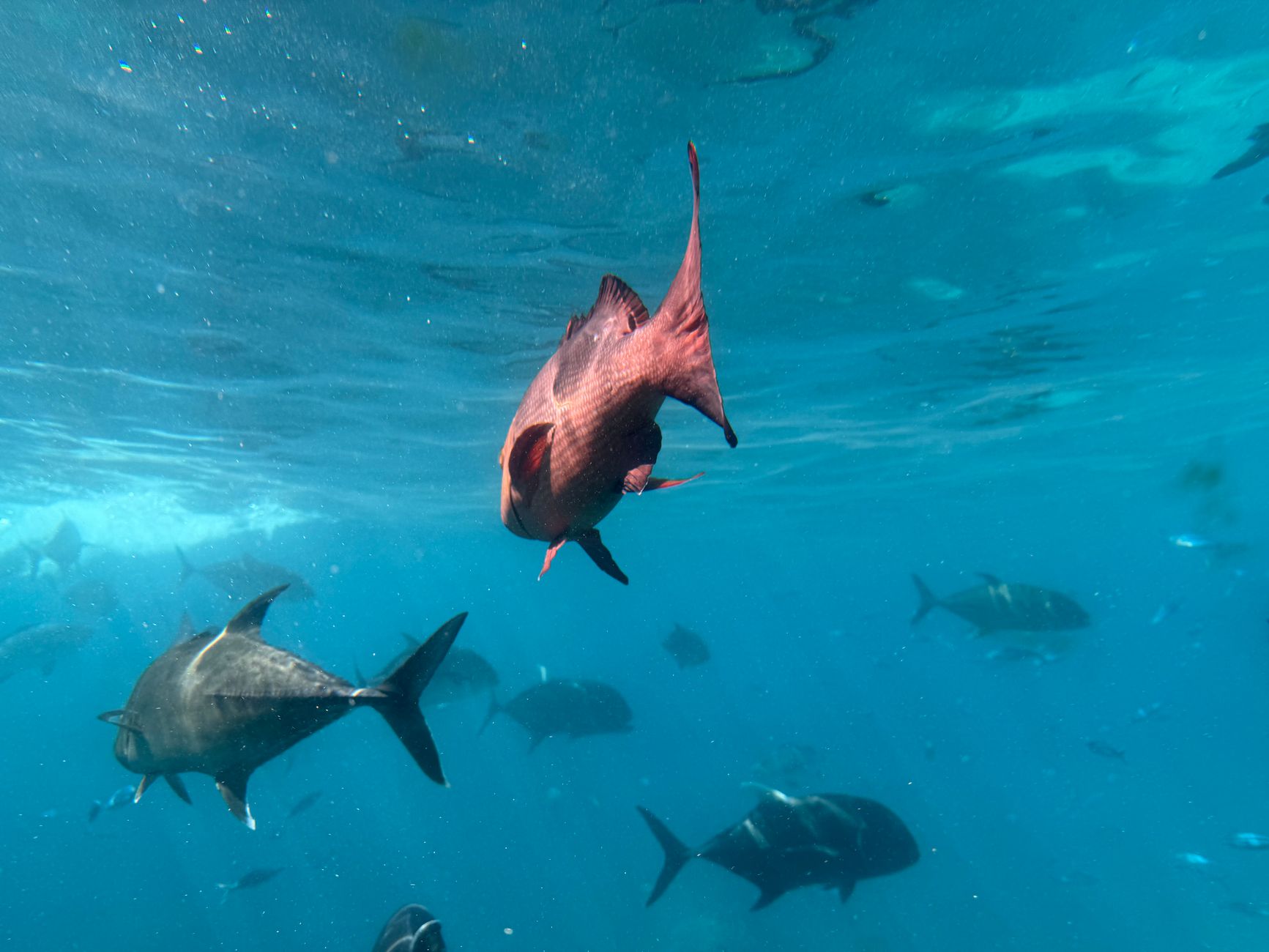
Despite the difficulties, there have been a few instances where great white sharks have been temporarily held in aquariums. The most notable occurred at the Monterey Bay Aquarium in California. From 2004 to 2011, the aquarium successfully displayed several juvenile great whites for relatively short periods (the longest being 198 days). These efforts provided valuable insights into the sharks’ behavior, feeding habits, and physiological needs. However, the aquarium ultimately decided to discontinue these displays due to concerns about the sharks’ well-being and the logistical difficulties of providing appropriate care. These instances helped shape our understanding of the limitations involved when asking Do aquariums hold great white sharks?
The Enormous Logistical Hurdles
Keeping a great white shark alive in captivity presents a myriad of logistical problems:
- Tank Size: Great whites are apex predators accustomed to roaming vast oceanic territories. Replicating this environment requires tanks of enormous scale, far larger than most aquariums can reasonably accommodate.
- Diet: These sharks require a substantial and varied diet, typically consisting of fish, seals, and other marine mammals. Providing a consistent supply of appropriate food is a significant challenge.
- Stress: Captivity can induce extreme stress in great whites, leading to behavioral abnormalities, reduced immune function, and ultimately, premature death.
- Social Needs: While often perceived as solitary creatures, great whites may have complex social interactions in the wild that are impossible to replicate in a confined environment.
- Capture and Transport: The process of capturing and transporting a large, powerful, and sensitive animal like a great white is inherently risky.
Ethical Considerations: Is Captivity Justifiable?
Beyond the logistical challenges, there are profound ethical considerations surrounding the captivity of great white sharks. Many argue that these animals, which play a crucial role in maintaining the health of ocean ecosystems, should not be subjected to the stresses and limitations of captivity solely for human entertainment or even scientific study. Animal welfare organizations have consistently voiced concerns about the potential harm caused by confining these magnificent creatures. The query, Do aquariums hold great white sharks, leads us to question whether they should?
Future Prospects: Technological Advancements and Changing Perspectives
While the long-term captivity of great white sharks remains a distant prospect, ongoing research and technological advancements may eventually lead to more humane and sustainable ways of observing these animals in controlled environments. For example, advancements in large-scale aquarium design and water filtration systems could potentially mitigate some of the logistical challenges. However, the ethical considerations will likely remain at the forefront of the debate.
Frequently Asked Questions
What is the typical lifespan of a great white shark in the wild?
The lifespan of great white sharks is estimated to be around 70 years or more. This makes their premature death in captivity particularly concerning.
What is the primary reason why great white sharks don’t thrive in aquariums?
The primary reason is stress. Confinement, unfamiliar surroundings, and limited space can significantly compromise their health and well-being.
Have any aquariums successfully kept a great white shark alive for an extended period?
No. While some aquariums, like the Monterey Bay Aquarium, have housed juvenile great whites for a few months, none have managed to keep one alive for more than 200 days.
What are the ethical concerns surrounding the captivity of great white sharks?
The ethical concerns center around the potential harm to the animals. Captivity restricts their natural behaviors, induces stress, and may lead to premature death. Many argue that the potential benefits of studying them in aquariums do not outweigh the ethical cost.
Are there any alternatives to keeping great white sharks in aquariums for research purposes?
Yes. Researchers are increasingly utilizing non-invasive methods such as:
- Tagging and tracking sharks in their natural habitat.
- Using remote-controlled underwater vehicles (ROVs) to observe their behavior.
- Analyzing DNA samples to study their genetics and population dynamics.
What are some of the physical challenges faced by great white sharks in aquariums?
Challenges include:
- Difficulty navigating in confined spaces, leading to collisions with tank walls.
- Inability to maintain their natural swimming patterns, resulting in muscle atrophy.
- Susceptibility to diseases due to weakened immune systems.
Do great white sharks ever stop swimming?
Great white sharks need to swim constantly to breathe. This is because they are ram ventilators, meaning they must swim to force water over their gills.
What is the approximate size of a tank needed to adequately house a great white shark?
There is no definitive size, but experts estimate a tank would need to be millions of gallons to even begin to mimic their natural environment.
What do great white sharks eat in the wild?
Their diet primarily consists of marine mammals (seals, sea lions, whales), fish, and other sharks.
Has there ever been a successful breeding program for great white sharks in captivity?
No, there has never been a successful breeding program for great white sharks in captivity.
What are the legal regulations surrounding the capture and display of great white sharks?
Regulations vary by location. In some areas, the capture and display of great white sharks are strictly prohibited. Other areas may have permits and guidelines designed to minimize harm to the animals. Conservation efforts play a large role in these regulations.
What is the overall consensus among marine biologists regarding keeping great white sharks in aquariums?
The overall consensus is that it is generally not feasible or ethical to keep great white sharks in aquariums due to the logistical challenges and ethical concerns. Most marine biologists advocate for studying them in their natural environment using non-invasive methods. The question, Do aquariums hold great white sharks?, often results in a negative response from experts.