

Do Animals Know They Are in Captivity? Unveiling the Complexities of Awareness
Whether animals comprehend their captive state is a complex question with no simple answer; while evidence suggests many species recognize confinement and its limitations, the degree of understanding varies greatly depending on species, intelligence, and the quality of their captive environment. Therefore, do animals know they are in captivity? The answer is nuanced.
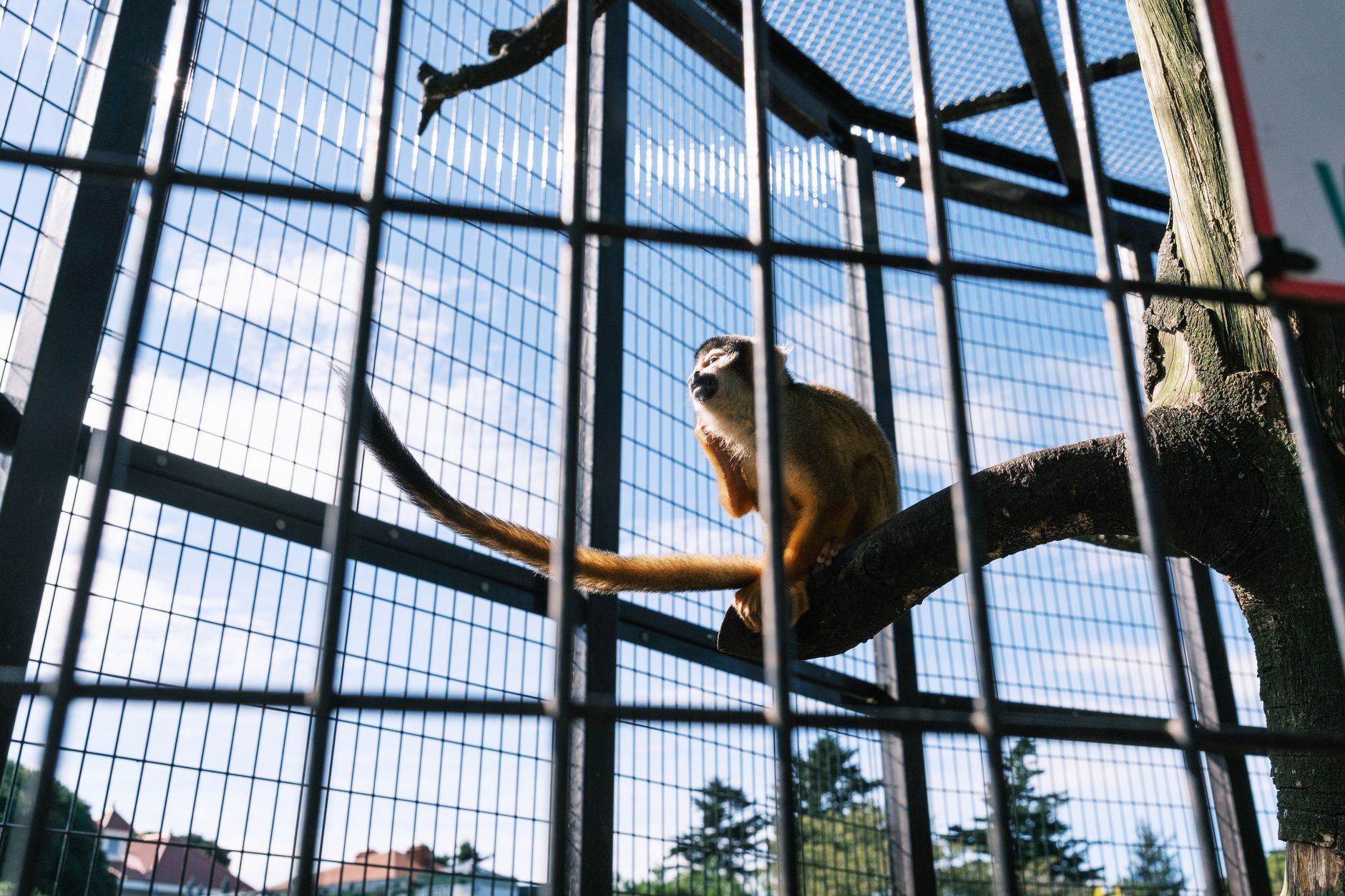
Introduction: A World Beyond the Wild
The debate surrounding animal captivity has raged for decades, encompassing ethical considerations, conservation efforts, and the psychological well-being of the animals themselves. Central to this debate is the question: do animals know they are in captivity? It’s not just a philosophical musing, but a critical element in determining how we manage and care for animals in zoos, sanctuaries, and research facilities. Understanding their potential awareness allows us to create environments that minimize stress and promote their overall welfare. This article delves into the complexities of animal cognition and explores the evidence suggesting that many species are, indeed, aware of their constrained existence.
What colours are fish most attracted to?
Can you put your finger in a trout's mouth?
Is methylene blue anti bacterial?
Does aquarium salt raise pH in aquarium?
Defining Captivity: More Than Just Four Walls

Before we can answer the question, do animals know they are in captivity?, we must first define what we mean by “captivity.” Captivity isn’t simply about being enclosed within physical barriers. It encompasses a range of restrictions, including:
- Limited Space: Restricting natural movement patterns and foraging behaviors.
- Controlled Diet: Removing the opportunity for natural prey selection and variation.
- Restricted Social Interaction: Altering the natural social dynamics of a species.
- Lack of Environmental Complexity: Reducing opportunities for exploration, problem-solving, and novelty.
Therefore, captivity is a multi-faceted concept that drastically alters an animal’s life compared to its wild counterpart.
Evidence of Awareness: Behavioral Indicators
Observing animal behavior provides crucial clues about their understanding of captivity. Several behaviors suggest an awareness of their restricted environment:
- Stereotypies: Repetitive, seemingly purposeless behaviors such as pacing, rocking, or over-grooming. These are often interpreted as signs of boredom, frustration, and an inability to fulfill natural instincts.
- Self-Harm: Some animals, particularly those in highly restrictive environments, may engage in self-injurious behavior, indicating a severe disruption to their psychological well-being.
- Altered Social Behavior: Captivity can disrupt natural social hierarchies and lead to aggression, submission, or social withdrawal.
- Escape Attempts: While motivated by various factors, persistent escape attempts can suggest an understanding that an alternative, potentially better, environment exists outside their enclosure.
These behavioral indicators, while not definitive proof, strongly suggest that many animals are aware of the limitations imposed upon them.
Cognitive Abilities and Captivity Awareness
The cognitive abilities of a species play a significant role in its ability to perceive and understand captivity. Animals with higher intelligence, problem-solving skills, and social complexity are more likely to recognize the discrepancies between their captive environment and their natural habitat.
- Primates: Great apes, in particular, exhibit sophisticated cognitive abilities, including self-awareness, tool use, and complex social structures. Their ability to plan, problem-solve, and remember past experiences suggests a high level of awareness of their captive status.
- Cetaceans: Dolphins and whales demonstrate remarkable intelligence, complex communication skills, and strong social bonds. Their highly migratory nature and reliance on extensive ocean environments make them particularly susceptible to the negative impacts of captivity.
- Elephants: These intelligent and social animals possess excellent memory, problem-solving abilities, and a strong awareness of their environment. The vast distances they naturally traverse further highlight the limitations of captive enclosures.
| Species | Cognitive Abilities | Susceptibility to Captivity Stress |
|---|---|---|
| Great Apes | Self-awareness, tool use, complex social structures | High |
| Cetaceans | Complex communication, social bonds, migratory nature | Very High |
| Elephants | Excellent memory, problem-solving, social complexity | High |
| Birds | Problem-solving, communication, social learning | Variable |
The Role of Enrichment: Mitigating the Effects of Captivity
Environmental enrichment aims to improve the welfare of captive animals by providing opportunities for them to engage in natural behaviors and exercise their cognitive abilities. This can help to mitigate the negative effects of captivity and potentially reduce the awareness of restriction:
- Physical Enrichment: Providing structures, toys, and substrates that encourage exploration and physical activity.
- Social Enrichment: Facilitating appropriate social interactions with conspecifics.
- Cognitive Enrichment: Offering puzzles, foraging challenges, and training opportunities to stimulate the mind.
- Sensory Enrichment: Introducing novel scents, sounds, and visual stimuli to create a more stimulating environment.
However, even the most elaborate enrichment programs cannot fully replicate the complexity and freedom of the wild. While enrichment can improve welfare, it does not necessarily negate an animal’s awareness of captivity.
Species Variation: A Spectrum of Understanding
It’s crucial to acknowledge that the degree to which animals know they are in captivity? varies significantly across species. Some animals, particularly those with simpler nervous systems and less complex behavioral repertoires, may not possess the cognitive capacity to fully comprehend their situation. Others, as discussed above, display clear indicators of awareness and distress.
Ethics and Responsibility: Considering Animal Welfare
Regardless of the exact degree of awareness, the ethical treatment of captive animals remains paramount. We have a responsibility to provide environments that meet their physical and psychological needs, minimize stress, and promote their well-being. The question of do animals know they are in captivity? is therefore intrinsically linked to the ethical implications of keeping them in controlled environments. Further research and a commitment to continuous improvement in captive animal care are essential.
Frequently Asked Questions (FAQs)
Is there definitive proof that animals know they are in captivity?
No, there is no definitive “proof” in the human sense that animals know they are in captivity? We cannot directly ask them. However, the accumulation of behavioral, physiological, and neurological evidence strongly suggests that many species, particularly those with higher cognitive abilities, are aware of the limitations imposed upon them by their captive environment.
Do all animals in zoos suffer from being in captivity?
No, not all animals in zoos necessarily suffer, although captivity inevitably alters their natural behaviors. Reputable zoos prioritize animal welfare through enrichment programs, spacious enclosures, and expert veterinary care. The degree of suffering varies greatly depending on the species, the quality of the zoo, and the individual animal’s temperament.
Are some animals better suited for captivity than others?
Yes, some animals appear to adapt to captivity more readily than others. Species that are naturally less active, less social, or less dependent on vast territories may exhibit fewer signs of stress in a captive environment. However, even these animals may experience subtle forms of deprivation that are not immediately apparent.
Can enrichment fully eliminate the negative effects of captivity?
While enrichment can significantly improve the welfare of captive animals, it cannot fully replicate the complexity and freedom of the wild. Enrichment can mitigate stress and boredom, but it cannot completely erase an animal’s awareness of its restricted environment.
How can we improve the lives of animals in captivity?
Improving the lives of animals in captivity requires a multifaceted approach, including:
- Providing larger and more naturalistic enclosures.
- Implementing comprehensive enrichment programs.
- Ensuring expert veterinary care and nutritional management.
- Promoting research into animal cognition and welfare.
- Adopting ethical breeding practices to minimize surplus animals.
Do animals understand the concept of freedom?
Whether animals possess a human-like understanding of “freedom” is difficult to determine. However, their behavioral responses to captivity, such as escape attempts and stereotypies, suggest that they recognize the limitations and restrictions imposed upon them and may desire a different environment.
Is it ethical to keep animals in captivity for conservation purposes?
The ethics of keeping animals in captivity for conservation purposes are complex and debated. While captive breeding programs can play a vital role in saving endangered species, it is essential to consider the welfare of the individual animals involved and to prioritize reintroduction efforts whenever possible.
How does captivity affect an animal’s natural behavior?
Captivity can significantly alter an animal’s natural behavior, leading to stereotypies, altered social dynamics, and reduced reproductive success. Even with enrichment, animals in captivity often exhibit a narrower range of behaviors compared to their wild counterparts.
Do animals in sanctuaries experience captivity in the same way as animals in zoos?
Animals in sanctuaries may experience captivity differently than those in zoos. Sanctuaries typically prioritize animal welfare and provide larger, more naturalistic enclosures. They also often focus on providing a permanent home for animals that cannot be released into the wild, rather than breeding them for display.
What role does research play in understanding animal awareness of captivity?
Research is crucial in understanding animal awareness of captivity. Studies on animal cognition, behavior, and physiology can provide valuable insights into how animals perceive and respond to their captive environment. This research can inform best practices in captive animal care and help to minimize stress and improve welfare.
Are some methods of training animals in captivity more ethical than others?
Yes, some methods of training animals in captivity are more ethical than others. Positive reinforcement training, which rewards desired behaviors with treats or praise, is generally considered to be the most humane and effective approach. Aversive training methods, which rely on punishment or coercion, can cause stress and fear and should be avoided.
How do we measure the well-being of animals in captivity?
Measuring the well-being of animals in captivity is a complex process that involves assessing a range of indicators, including:
- Behavioral observations: Monitoring for stereotypies, self-harm, and other signs of stress.
- Physiological measurements: Assessing hormone levels, heart rate variability, and other physiological parameters.
- Enrichment utilization: Evaluating how effectively animals utilize available enrichment resources.
- Health assessments: Monitoring for disease, injury, and other health problems.